


Do Small, Frequent Meals Really Aid Weight Loss?
For years, fitness enthusiasts and nutrition experts have debated whether eating small, frequent meals throughout the day is truly the secret to effective and sustained weight loss. Many believe this pattern can tame uncontrollable cravings, keep energy steady, boost metabolism, and even flatten bellies. But what does science say? This article dives deep into the benefits, downsides, and practical advice about meal frequency for weight management and health.
Why Did Small, Frequent Meals Become Popular?
The practice of eating five or six smaller meals per day gained popularity in fitness circles and among those seeking weight loss. The underlying principles are straightforward:
- Prevent excessive hunger and curb cravings.
- Steady blood sugar levels throughout the day.
- Boost metabolism and increase calorie burning.
- Promote lean muscle maintenance by supporting protein synthesis.
Advocates argue that frequent eating prevents the swings in energy and mood that often lead to binge eating or poor food choices, while skeptics question whether this really makes a difference in overall calorie intake and metabolism.
The Science Behind Meal Frequency and Weight Loss
Is there a metabolic advantage? Numerous studies have tackled the question, but findings remain divided. According to a UCLA Health report, research shows that participants who ate six small meals per day did not have a measurable metabolic advantage over those consuming the same calories in three larger meals. The American Journal of Clinical Nutrition similarly concludes that ultimate weight loss success depends on total energy intake, not meal frequency alone.
However, eating small, regular meals can help in specific ways:
- Appetite Regulation: Spreading meals across the day may prevent spikes and crashes in hunger hormones, reducing the likelihood of cravings and overeating.
- Blood Sugar Stability: Smaller, more frequent meals help maintain steady glucose levels, supporting sustained energy and reducing cortisol, the “stress hormone.”
- Digestive Ease: Smaller meals can be easier to digest and may improve absorption of nutrients, which is especially helpful for those with acid reflux or other gut issues.
The Role of Hormones in Meal Timing
Our bodies rely on a complex hormonal system to regulate appetite, metabolism, and fat storage. The two key hormones affected by meal patterns are:
- Insulin: Controls blood sugar and fat storage. Large meals create big insulin spikes, leading to crashes that may trigger hunger and fat accumulation.
- Ghrelin: Known as the “hunger hormone,” ghrelin increases when the stomach is empty for too long, slowing fat utilization and increasing appetite.
Frequent small meals are believed to help keep these hormones balanced, reducing the risk of extreme hunger and unhealthy food choices between meals.
Does Eating Frequently Boost Metabolism?
A common claim is that eating more often “stokes” the metabolic furnace, burning more calories even at rest. The rationale: if you avoid long fasting periods, your body won’t enter “starvation mode,” a protective state that slows metabolism. When meals are skipped or caloric intake drops sharply, the body conserves energy, making fat burning harder.Some studies suggest protein-rich morning meals especially activate metabolism and support muscle maintenance. However, recent research indicates the total number of calories consumed remains the critical factor for most people. In other words, eating six small meals of junk food will not outperform three balanced meals in a healthy diet.
How Small, Frequent Meals Help Manage Appetite
One of the strongest arguments for small, frequent meals is appetite management. By spreading food intake throughout the day—such as every three hours—many people experience:
- Reduced binge episodes: Fewer periods of intense hunger lead to better food choices.
- Steadier energy: Prevents mid-morning and afternoon slumps, so you’re less likely to reach for sugary snacks or caffeine.
- Improved portion control: Smaller meals may be easier to monitor and adjust for caloric needs.
Conversely, skipping meals or waiting too long to eat often results in “emergency eating,” when cravings override self-control and unhealthy, calorie-rich foods are eaten quickly and in large amounts.
What Should Those Small Meals Look Like?
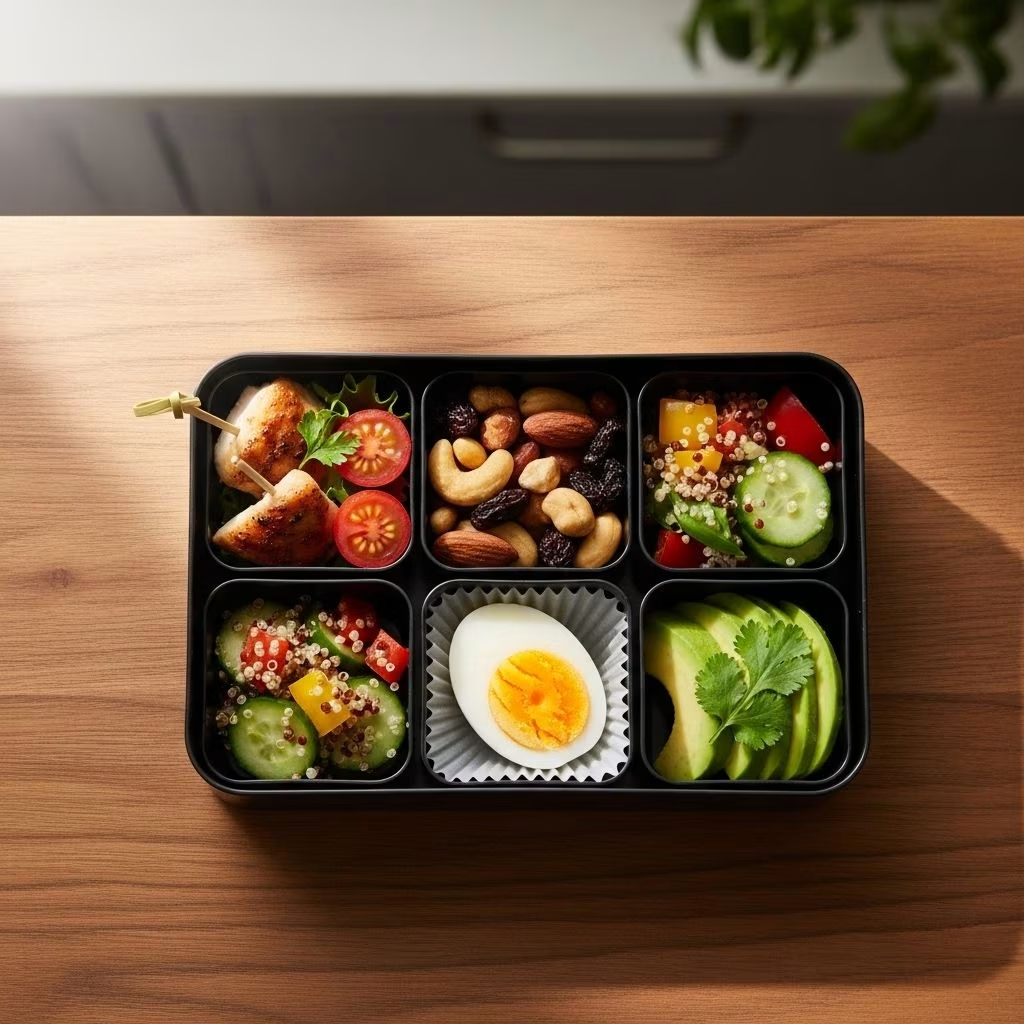
Eating frequently only supports weight loss when the foods chosen are nutritious and support satiety. Experts recommend:
- Lean proteins: Chicken, fish, eggs, low-fat dairy, beans, and legumes.
- High-fiber fruits and vegetables: Apples, berries, leafy greens, carrots.
- Whole grains: Brown rice, quinoa, oats, whole wheat bread.
- Healthy fats: Nuts, seeds, avocado, olive oil.
Portion size is crucial; even small, frequent meals can exceed caloric needs if portions are uncontrolled or foods are calorie-dense.
Comparing 3 Large vs. 6 Small Meals: What Studies Show
| Aspect | 3 Large Meals | 6 Small Meals |
|---|---|---|
| Appetite Control | May lead to hunger spikes | Better appetite management |
| Blood Sugar Stability | Greater fluctuations | More stable levels |
| Digestive Comfort | Potential discomfort after large meals | Easier digestion |
| Metabolic Rate | No clear difference if calories equal | Same as large meals |
| Total Calories Consumed | Depends on self-control | May help prevent overeating |
Studies show no consistent metabolic advantage for small meals if total calories remain the same. However, most people find it easier to control appetite and avoid emotional eating with more frequent meals.
Potential Disadvantages of Frequent Eating
- Overeating Risk: Without careful portion management, frequent eating may result in excessive calorie intake.
- Meal Planning Complexity: Preparing six healthy meals per day takes more effort than three.
- Digestive Issues: For those with certain metabolic or digestive conditions, continuous eating could exacerbate symptoms.
- No Proven Metabolic Advantage: Research does not support that simply eating more often speeds weight loss, unless it helps you eat less overall.
Tips for Success with Small, Frequent Meals
- Plan meals with nutrition, not just convenience, in mind.
- Stick to a regular eating schedule to stabilize blood sugar.
- Keep healthy snacks like nuts, yogurt, or fruit available for between meal hunger.
- Monitor portion sizes to avoid unwittingly increasing calorie intake.
- Listen to your hunger cues—don’t eat just because the clock says so.
Who Can Benefit Most from Smaller, Frequent Meals?
While not universally superior, certain groups may find this approach particularly helpful:
- People with blood sugar management issues (such as diabetes or hypoglycemia).
- Athletes and highly active individuals needing consistent fuel.
- Those prone to binge eating or intense food cravings when meals are skipped.
- Individuals with digestive disorders such as acid reflux, who benefit from smaller portions.
Small, Frequent Meals and Digestive Health
Eating smaller meals more often is often recommended for those with certain digestive challenges. Large meals can overwhelm the stomach and intestines, increasing reflux, bloating, and discomfort. Frequent, balanced meals are easier for the digestive system to handle and promote even absorption of vitamins and minerals over the day.
Should You Switch to Small, Frequent Meals?
No single meal frequency works perfectly for everyone. The most important takeaway is overall food quality and calorie control. Whether you choose three or six eating occasions, results hinge on the balance, nutrition, and energy content of your meals.
- If you struggle with hunger or cravings, more frequent, smaller meals may offer relief.
- If you prefer traditional eating patterns and can avoid binge episodes, three meals may suffice.
Experiment with scheduling and listen to your body’s signals to find what works best for your health profile, lifestyle, and goals.
Frequently Asked Questions (FAQs)
Q: Will eating six small meals a day help me lose weight faster?
A: Not necessarily. Studies do not show clear metabolic advantages. The main benefit is appetite control, which may help prevent overeating, but total daily calorie intake remains key.
Q: What should I eat for my small, frequent meals?
A: Focus on lean proteins, fiber-rich fruits and vegetables, whole grains, and healthy fats. Avoid processed snacks and sugary foods as these can contribute excess calories and hunger between meals.
Q: Is it harmful to eat just twice per day?
A: Eating infrequently may trigger energy slumps, cravings, and binging for some people. If you can control portions and avoid poor food choices, this pattern can work for some individuals.
Q: Do small, frequent meals increase metabolism?
A: No consistent research supports increased metabolism purely from meal frequency. The effect relies more on what you eat and your overall calorie intake than how often you eat.
Q: Who should avoid frequent eating patterns?
A: Those with certain medical conditions or those unable to control portion sizes. Consult a healthcare professional for personalized guidance.
Summary Table: Pros and Cons of Small, Frequent Meals
| Pros | Cons |
|---|---|
|
|
Final Takeaway
Eating small, frequent meals can support appetite control, blood sugar stability, and digestive ease, but does not guarantee faster weight loss on its own. Ultimately, success hinges on food quality, portion control, and total caloric intake. Choose the eating pattern that fits your lifestyle and helps you stick to your health goals in the long term.
References
- https://learn.athleanx.com/for-women/5-reasons-why-eating-small-frequent-meals-helps-with-weight-loss-and-health
- https://www.youtube.com/watch?v=JMPtp3ZDjkQ
- https://www.webmd.com/diet/3-hour-diet
- https://pmc.ncbi.nlm.nih.gov/articles/PMC4391809/
- https://www.uclahealth.org/news/article/ask-the-doctors-debating-the-benefits-of-eating-six-small-meals-a-day
- https://nutrition.org/small-frequent-meals/
- https://www.healthline.com/nutrition/11-myths-fasting-and-meal-frequency
- https://www.dukehealth.org/blog/small-frequent-meals-are-better-your-metabolism


