


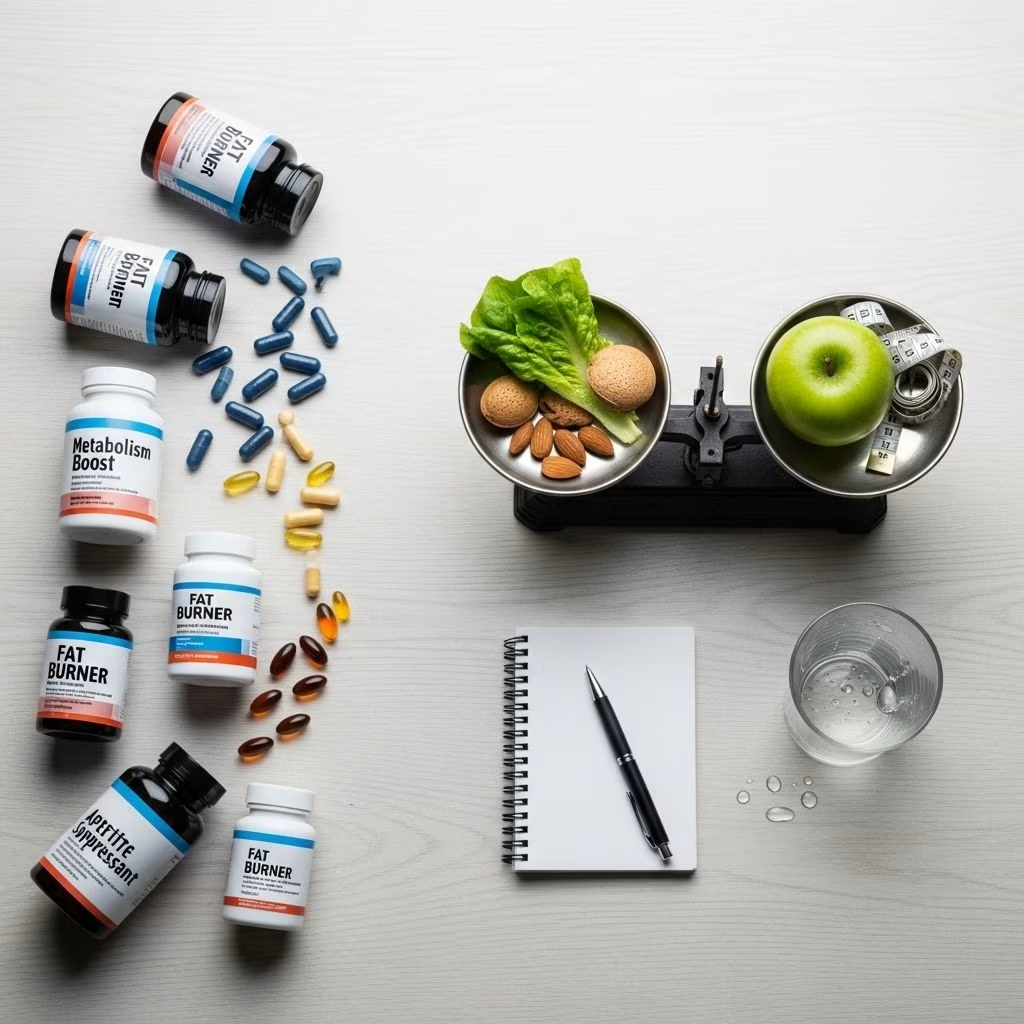
The Real Story Behind Weight Loss Supplements
Walk into any pharmacy or scroll through your social feed and you’ll be hit with countless promises: pills, powders, and capsules that claim to melt fat, shrink your waist, and speed up your metabolism. But do these weight loss supplements actually work? Are there vitamins or nutrients that can help you slim down—and are they truly safe?
This article takes a hard look at the science behind popular weight loss supplements. We’ll separate myths from reality, profile nutrients that might help, and share expert advice on what really works when it comes to healthy, sustainable weight management.
Supplements and Weight Loss: Setting the Record Straight
When searching for shortcuts, weight loss supplements can seem tempting. But the evidence shows that, for most people, there’s no magic pill. Nutritionists stress that supplements should never replace a balanced, portion-controlled diet and active lifestyle. In many cases, relying on pills or powders could even become a distraction from the foundational steps needed for lasting results.
- Supplements alone do not lead to significant weight loss. The most reliable way to manage weight is through diet and exercise.
- Vitamins are important for filling nutrition gaps, but they won’t trigger fat burn unless you’re correcting a deficiency.
- Many supplements are poorly regulated, and effectiveness claims are often backed only by industry-funded studies.
Understanding the Science: What Role Can Supplements Play?
Some recent research suggests that certain nutrients—when consumed in adequate amounts—may play a supporting role in appetite regulation and metabolism. Let’s look at key nutrients often promoted for weight control, what the evidence says, and how best to include them in your routine.
Vitamin D
What it is: A fat-soluble vitamin essential for bone health, immunity, and many metabolic functions.
- Weight Loss Link: Research presented at the Endocrine Society’s annual meeting suggests people with higher baseline levels of vitamin D may lose more weight when dieting compared to those who start with low vitamin D.
- Recommended Intake: 1,000 IU daily, mostly from fatty fish, fortified dairy, and cereals, or via a D3 supplement if needed.
- Health Bonus: Supports cancer prevention and calcium absorption, but does not “burn fat” directly.
Prebiotics
What they are: Specialized plant fibers that nourish helpful gut bacteria, supporting digestion and immune health.
- Weight Loss Link: A Canadian study found overweight adults who took prebiotic supplements lost an average of 2 pounds in 12 weeks compared to those taking a placebo.
- Recommended Intake: 4 to 20 grams per day from foods such as garlic, onions, artichokes, bananas, and fortified yogurt, or as a supplement.
- Health Bonus: Helps maintain a healthy digestive tract by supporting probiotic bacteria, potentially reducing inflammation and irregularity.
Calcium
What it is: An essential mineral that keeps bones strong and supports nerve function.
- Weight Loss Link: One study showed women deficient in calcium who took 1,200 mg daily for 15 weeks lost four times as much weight as the non-supplement group.
- Recommended Intake: 1,000 to 1,200 mg per day, preferably from low-fat dairy or leafy greens. Supplements (500–600 mg calcium carbonate or citrate) may be advised for those who can’t hit these targets with food.
- Health Bonus: Strong evidence for bone health; some suggestion it may also aid fullness and regulate hunger.
Multivitamins
What they are: Blends of essential vitamins and minerals that help fill dietary gaps.
- Weight Loss Link: In a 15-week study, women who took a daily multivitamin reported feeling 45% less hungry than those on a placebo. This might help with appetite control—if the multi addresses deficiencies.
- Recommended Intake: Eat a colorful mix of fruits, vegetables, whole grains, and lean proteins. Use a multivitamin that provides no more than 100% of the daily value for each nutrient.
- Health Bonus: Broad immune support, especially for those with limited diets or specific nutritional needs.
Other Ingredients Commonly Marketed for Weight Loss
While the above nutrients have some supporting evidence, most supplements promoted for weight loss are far less proven. Here’s what science says about some popular “fat burner” ingredients:
- Caffeine: May modestly boost metabolism, but effects are often short-lived and excessive intake has risks.
- Green tea extract: Contains caffeine and catechins, but benefits are typically small and not consistent across studies.
- Soluble fiber: Helps you feel fuller for longer, which may support appetite control in some people, but added supplements are no substitute for fiber-rich whole foods like beans and oats.
- Yohimbe, carnitine, and other “thermogenics”: Often lack rigorous safety or efficacy data and may cause side effects or interact with medications.
Supplements vs. Prescription Weight Loss Drugs
| Category | How It Works | Evidence | Safety |
|---|---|---|---|
| Prescription Medications | Decrease appetite and/or slow stomach emptying (e.g., GLP-1 medications) | Backed by FDA approval and clinical trials | Must be prescribed and monitored by a doctor; side effects and risks disclosed and studied |
| Over-the-Counter Supplements | Claim to “burn fat” or “boost metabolism” often with minimal substantiation | Usually not backed by high-quality studies | Poorly regulated; safety and purity often unclear, risk of harmful ingredients |
Prescription medications like semaglutide (Wegovy, Ozempic) or tirzepatide (Mounjaro) work mainly by reducing appetite and are proven to aid significant weight loss in clinical settings. By contrast, supplements make big promises, but are not reviewed or regulated by the FDA for efficacy or safety, making buyer beware.
What Do Experts Recommend?
The strongest advice from registered dietitians, doctors, and researchers is to:
- Focus first on food: Use whole foods—vegetables, fruits, lean proteins, and whole grains—to meet most nutritional needs.
- Fill gaps selectively: Consider single-nutrient supplements like vitamin D, calcium, or a basic multivitamin if you’re deficient, but always consult a healthcare provider first.
- Be skeptical of miracle claims: Beware of products touting “rapid” or “effortless” weight loss; these are rarely safe or sustainable.
- Prioritize healthy habits: Sustainable weight loss comes from a balanced diet, consistent activity, managing stress, and getting adequate sleep.
Potential Risks and Side Effects
Supplements may sound harmless, but taking pills unnecessarily, in excess doses, or when mixing products, can trigger side effects. Key risks include:
- Vitamin or mineral toxicity: High doses of fat-soluble vitamins (A, D, E, K) can build up and harm vital organs.
- Interactions with medications: Supplements can interact negatively with prescription drugs. Always clear new supplements with your physician.
- Unknown ingredients: Supplements may contain fillers or undeclared substances that cause harm.
- Not suitable for everyone: Some supplements pose special hazards for pregnant women, children, and those with specific health conditions.
Making Smarter, Safer Choices
If you decide supplements are right for you:
- Pick products from reputable brands audited for purity and safety.
- Check that the product contains no more than 100% of the daily value for each nutrient (unless otherwise advised by your doctor).
- Use supplements only to fill verifiable gaps in your diet, not as a substitute for whole healthy foods.
- Avoid “fat burning” or “thermogenic” supplements with little or no research to back claims, and beware of side effects from high stimulant ingredients.
When Are Supplements Appropriate?
Consider a nutrition supplement when:
- You have a medically diagnosed deficiency (e.g., vitamin D or calcium as confirmed by blood tests).
- You are on a restricted diet (e.g., vegan, lactose-intolerant, or have food allergies) and struggle to get certain nutrients through food alone.
- A healthcare professional recommends it based on your individual needs and health status.
Frequently Asked Questions (FAQs)
Q: Do any supplements actually help you lose weight?
A: Some nutrients, like vitamin D or calcium, have been associated with small improvements in weight-related outcomes in specific deficient populations. However, for most people, supplements alone do not drive meaningful or lasting weight loss.
Q: Is it safe to take weight loss supplements with medications?
A: Not always. Some supplements may interfere with prescription medications. Always discuss supplementation with your doctor before starting any new product, especially if you have existing health conditions.
Q: Can taking a multivitamin help control appetite?
A: Studies have shown that correcting vitamin deficiencies with a multivitamin can decrease perceived hunger in some people, but these effects are modest and best achieved through a healthy, well-rounded diet.
Q: Are fat-burning supplements better than prescription medication?
A: Prescription weight loss drugs have stronger scientific backing and clearer safety profiles. Most fat-burning supplements are not proven effective and raise more safety concerns.
Q: Should I use supplements if I’m pregnant, breastfeeding, or for my child?
A: Use extreme caution and only supplement under the advice of a qualified healthcare provider. Many ingredients are not well studied in these groups and may not be safe.
Key Takeaways: Nutrients That Might Support Weight Management
| Slimming Supplement | Recommended Intake | Health Bonus |
|---|---|---|
| Vitamin D | 1,000 IU daily from food or supplement | Helps absorb calcium, may regulate hunger in those deficient |
| Prebiotics | 4–20 g daily from plant foods | Supports gut health, digestion |
| Calcium | 1,000–1,200 mg per day from diet, or 500–600 mg supplements as needed | Essential for bone health; may aid appetite regulation |
| Multivitamin | No more than 100% DV for each nutrient | Fills gaps in micronutrient intake |
The Bottom Line: Healthy Habits Beat Supplements
There’s no shortcut on the shelf for lasting weight loss. Use dietary supplements only to correct proven nutritional shortfalls, and always consult your healthcare provider before starting anything new. For most people, eating a well-balanced diet, staying active, and focusing on healthy behaviors remain the most effective and evidence-backed methods for supporting weight management and overall wellness.
References
- https://www.prevention.com/weight-loss/diets/a30211399/golo-diet-for-weight-loss/
- https://www.prevention.com/health/a35553431/vitamins-for-weight-loss/
- https://www.prevention.com/weight-loss/a20466892/weight-loss-supplements-0/
- https://www.prevention.com/weight-loss/a60861703/do-fat-burning-supplements-work/
- https://www.prevention.com/weight-loss/a46858654/peptides-for-weight-loss/
- https://www.prevention.com/weight-loss/a65888760/turmeric-curcumin-helps-weight-loss-study/
- https://www.prevention.com/weight-loss/diets/a20429580/dietary-supplement-and-weight-loss/
- https://www.prevention.com/weight-loss/g29761485/medical-weight-loss/
- https://www.prevention.com/weight-loss/a20429587/the-magic-mineral-for-weight-loss/
- https://www.prevention.com/weight-loss/diets/a20718413/apple-cider-vinegar-for-weight-loss/


