


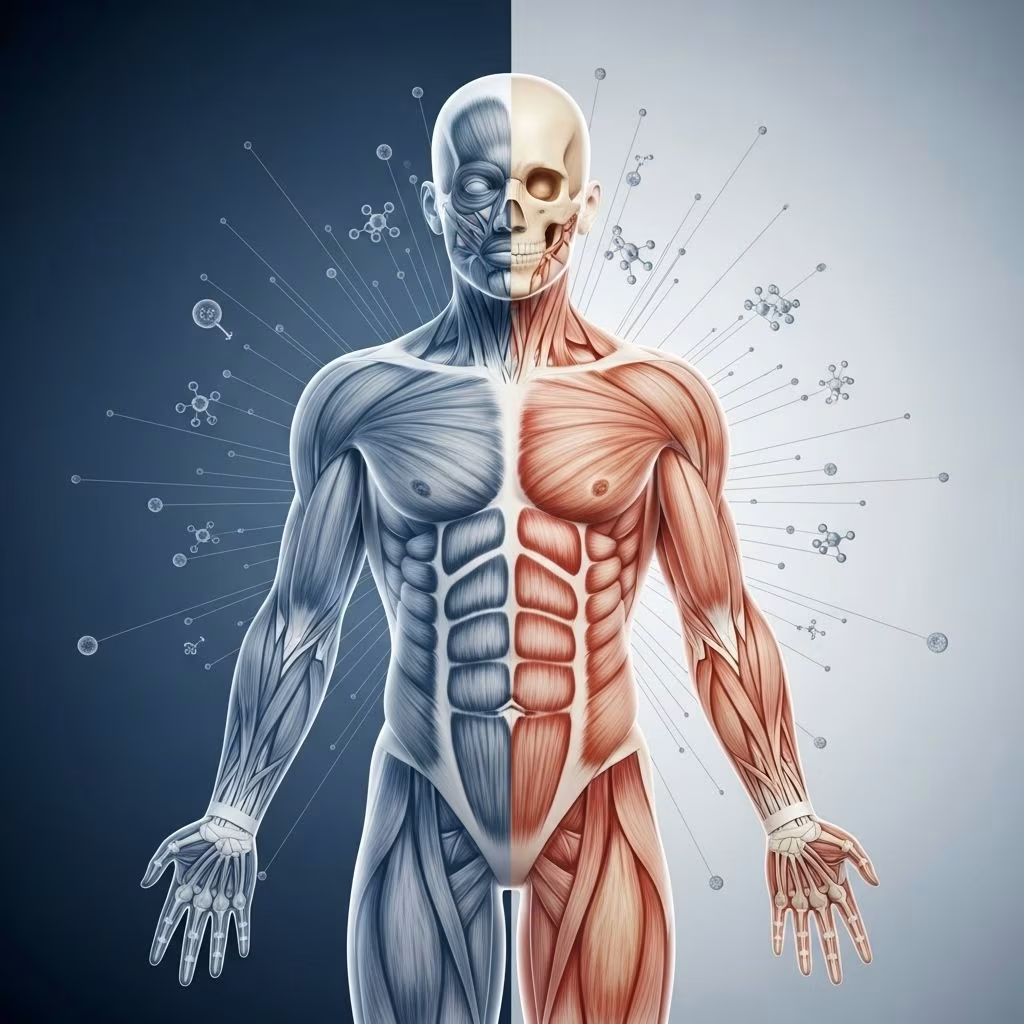
What Fasting Does to Your Body’s Muscles and Bones
Fasting, or the controlled abstinence from food and beverages (other than water), has become a popular approach for weight loss, resetting metabolism, and even promising other health benefits. But as the practice grows in popularity, concerns emerge about its deeper impacts—specifically: Does fasting harm your muscles or skeletal system? Let’s break down the evidence, separating fact from myth to help you fast safely and knowledgeably if you choose to do so.
How Fasting Affects Your Body’s Muscles: The Physiology
Muscle tissue is metabolically active, meaning it needs a steady supply of energy to function. During periods of fasting, your body undergoes a series of metabolic shifts that influence where energy comes from and how your muscles adapt. The primary mechanisms include:
- Energy Source Shift: When deprived of carbohydrates from food, your body first uses up stored glycogen (carbohydrate reserves) in the muscles and liver. Once glycogen is depleted, it ramps up the breakdown of fats for energy.
- Protein Breakdown (Catabolism): If fasting continues without protein intake, your body can increase the breakdown of muscle protein to supply amino acids for glucose production and vital functions.
- Adaptive Response: Short-term fasting triggers changes in muscle metabolic gene expression, supporting greater fat utilization and conservation of glucose.
Do You Lose Muscle When You Fast?
The potential for muscle loss is a key concern. Scientific research shows:
- During short-term fasting (12–48 hours), the body primarily relies on stored carbohydrates and fats, with muscle protein breakdown usually remaining modest.
- With prolonged fasting (greater than 48–72 hours), the risk of muscle loss increases as protein breakdown rises to supply critical amino acids for basic functions when energy reserves run thin.
- The degree of muscle loss during fasting depends on:
- Duration of the fast
- Level of physical activity
- Protein intake during refeeding
- Individual metabolism and health status
According to studies, short-term fasting (up to 24 hours in humans) results in increased expression of genes in skeletal muscle that promote fat usage, and there is little evidence that muscle function is significantly impaired in the short run. However, the longer and more frequent the fast, the more important it becomes to be mindful of potential protein and muscle mass loss.
Metabolic Changes: Gene Expression, Fuel Selection, and Muscle Energy
Fasting and refeeding involve remarkable shifts at the cellular level, especially concerning the muscle’s metabolic genes.
- Upregulation of Fat Metabolism Genes: Short-term fasting activates genes such as PDK4, LPL, and CPT I that facilitate fat breakdown in muscle. This adaptive response helps preserve glucose for essential functions and increases fat burning to meet muscle energy demands.
- Refeeding Effects: Once eating resumes, gene expression shifts again depending on the type and amount of nutrients ingested, suggesting a flexible, responsive system for energy management.
- Preservation of Carbohydrates: Muscles use stored glycogen during the initial fasting phase, but as stocks dwindle, reliance switches to fatty acids, sparing muscle protein as long as possible.
Impact on Muscle Performance and Strength
Fasting’s influence on muscle performance is nuanced, depending on timing, length, and how physically challenging your regimen is. Key findings include:
- Muscle Contractile Properties: Short fasting (24 hours) in animal studies did not significantly impair overall muscle force or fatigue resistance during acute exercise conditions, although it did lead to increased passive tension in muscle tissue.
- Glycogen Depletion: Glycogen, the muscle’s main carbohydrate reserve, reduces significantly during fasting—by about 50%. However, this doesn’t immediately translate to performance drops unless fasting is extended or physical exertion is intense.
- Performance Implications: While healthy individuals can generally maintain strength during short fasts, performance may suffer as fasts become longer or more frequent, and if energy intake remains chronically low.
Fasting and Muscle Growth or Maintenance: What’s the Risk?
Understanding the relationship between fasting and muscle maintenance is crucial for athletes, older adults, and anyone concerned about healthy aging. Here’s what research and expert consensus reveal:
- Muscle Protein Turnover: Muscle is constantly being broken down and rebuilt. Without regular intake of dietary protein, net breakdown can outpace synthesis, potentially resulting in muscle loss over time, especially if fasting is prolonged or paired with insufficient total protein when refeeding.
- Impact of Intermittent Fasting (IF): Most intermittent fasting protocols (such as 16:8, 5:2, or alternate-day fasting) allow for regular periods of eating, which makes it possible to meet protein and calorie needs, mitigating the risk of muscle loss compared to total, multi-day fasts.
- Elderly and At-Risk Groups: For older adults or those with health conditions that raise the risk of sarcopenia (age-related muscle loss), extended fasting is not recommended unless closely supervised due to the greater risk of diminished muscle mass and strength.
Fasting and Bone Health: The Skeletal Perspective
Unlike muscle, your bone tissue is much less sensitive to short-term metabolic shifts from fasting. However, chronic caloric restriction and reduced protein or calcium intake could have a negative effect on skeletal health over time:
- Short-Term Fasting: There’s no solid evidence that skips or short fasts (up to 24–48 hours) immediately harm bone density or structure.
- Long-Term Caloric Shortage: Persistent, inadequate nutrition—particularly when low in protein, calcium, and key micronutrients—can increase bone turnover, weaken bone matrix, and raise fracture risk, especially in women and older adults.
- Bone Remodeling: Bones continuously undergo remodeling: old or damaged bone is resorbed, and new bone is formed. Adequate nutrients and hormonal balance are necessary. Chronic undernutrition impedes bone repair and growth, raising the risk of osteoporosis.
Summary Table: Fasting, Muscle, and Bone
| Body System | Short-Term Fasting (up to 48h) | Long-Term/Chronic Fasting |
|---|---|---|
| Muscle | Minimal loss; enhanced fat burning Glycogen depletion No major impact on strength/function in short term | Increased protein breakdown Risk of muscle loss Decreased strength & mass, esp. without adequate nutrition |
| Bone | Little to no effect May reduce caloric excess No acute impact on density | Chronic undernutrition impedes bone rebuilding Increased risk of low density, fractures, osteoporosis |
Physical Activity: Fasting, Exercise, and Muscle Preservation
Physical activity while fasting plays a key role in determining muscle-related outcomes. Here’s how exercise interacts with your fasting state:
- Resistance Exercise: Lifting weights or using resistance bands—especially before ending your fast—can help signal your body to preserve muscle tissue, as muscle contraction increases anabolic (building) pathways.
- Endurance Exercise: Performing extended cardio on an empty stomach may boost fat oxidation but also elevate protein breakdown if fasting is extended; refeed with protein and carbs post-workout to support repair.
- Adaptation: Regular exercise during fasting, when paired with sufficient nutrition during eating windows, maintains or even increases muscle mass in most healthy adults.
Who Should Be Cautious About Fasting?
- Older Adults: At higher risk of muscle and bone loss. Should consult a healthcare provider before initiating any fasting regimen.
- Individuals With Low Body Weight or Chronic Illness: Risks of malnutrition, altered electrolytes, or impaired recovery are higher.
- People in Recovery, Growth, or Healing Phases: Any circumstance requiring increased protein, calories, or nutrients—such as childhood, pregnancy, aftermath of surgery or trauma—warrants caution.
- Athletes in Heavy Training: May need to time fasting windows carefully to avoid under-fueling and risking performance, muscle loss, or bone stress injuries.
Best Practices: Fasting Safely Without Losing Muscle or Bone Mass
- Choose Intermittent Fasting Approaches: That allow regular, well-balanced meals with adequate protein and key nutrients.
- Prioritize Protein Intake: Make sure to consume enough high-quality protein (such as dairy, lean meats, plant-based sources, eggs, or fish) during feeding periods.
- Combine With Resistance Training: Strength-building exercises help preserve and build muscle, even during caloric restriction.
- Hydrate Well: Dehydration can exaggerate feelings of fatigue and impair metabolic adaptation. Drink plenty of water before, during, and after fasting.
- Monitor Your Intake: Make sure your overall calorie, calcium, and vitamin D intake is sufficient, especially if following fasting frequently.
- Listen to Your Body: If experiencing excessive fatigue, muscle weakness, or other concerning symptoms, adjust your fasting routine and seek professional guidance.
Key Takeaways From Latest Research
- Short-term fasting is unlikely to significantly harm muscle or bone in healthy adults and may promote adaptive changes favoring fat utilization over carbohydrate/glycogen use.
- Regular, well-structured intermittent fasting regimens can help manage weight without excessive loss of muscle—provided protein needs are met and resistance exercise is continued.
- Risks increase with prolonged fasting, especially in older adults or people with underlying health issues—adequate nourishment and strength training are critical.
- Bone loss isn’t an acute risk in short fasts but becomes a concern with chronic undernutrition.
Frequently Asked Questions (FAQs)
Q: Will I lose muscle if I fast for 24 hours?
A: No, occasional 24-hour fasts are unlikely to cause significant muscle loss in healthy adults, especially if you resume balanced eating and exercise afterward.
Q: Does fasting weaken bones?
A: Short-term fasting has little to no immediate effect on bone, but chronic, severe calorie restriction can negatively impact bone density over months to years. Ensure adequate calcium and vitamin D intake if fasting regularly.
Q: How can I stop muscle loss while fasting?
A: Make sure to consume enough protein during your eating windows and perform regular resistance training to stimulate muscle building and retention.
Q: Should athletes fast?
A: Athletes can experiment with intermittent fasting, but should closely monitor their training performance, muscle mass, and recovery. Protein and calorie intake should remain adequate, and fasting should never compromise fueling for intense workouts or competition.
Q: What’s the safest way to fast for weight loss?
A: The best approach is one that fits your lifestyle, allows sufficient nutrition, and can be sustained long-term. Consider starting with time-restricted eating (such as a 12–16 hour nightly fast) and include balanced meals, protein sources, and exercise to keep muscle strong and bones healthy.
References
- https://diabetesjournals.org/diabetes/article/52/3/657/23985/Effect-of-Short-Term-Fasting-and-Refeeding-on
- https://journals.plos.org/plosone/article?id=10.1371%2Fjournal.pone.0225922
- https://www.frontiersin.org/journals/nutrition/articles/10.3389/fnut.2021.640621/full
- https://pmc.ncbi.nlm.nih.gov/articles/PMC11986369/
- https://pmc.ncbi.nlm.nih.gov/articles/PMC8718030/
- https://www.endocrine-abstracts.org/ea/0029/ea0029p1163


