


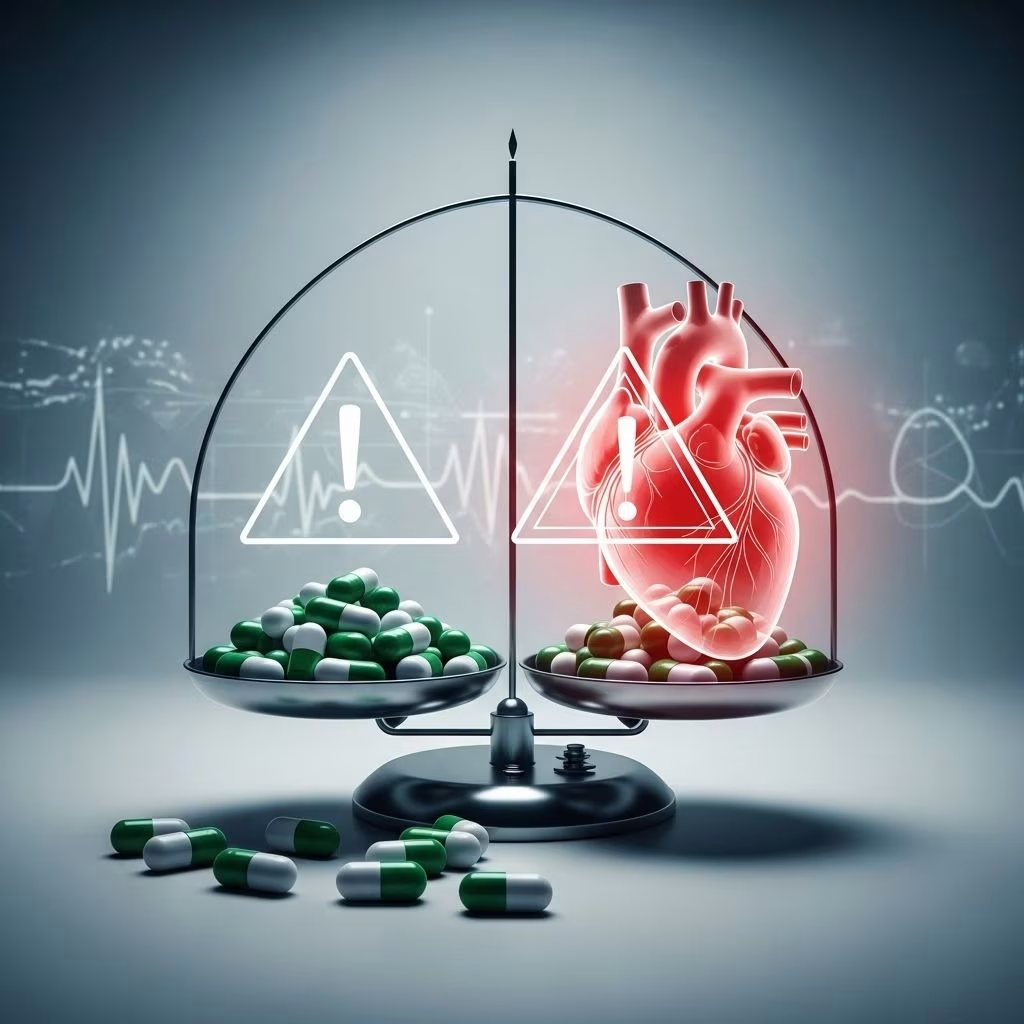
What Are Ephedra Diet Pills?
Ephedra, also known by its botanical name Ephedra sinica or simply “Ma huang,” is a plant whose extract contains ephedrine alkaloids. For years, Ephedra-based pills surged in popularity as over-the-counter aids for weight loss and enhanced athletic performance. Marketed as energetic, all-natural solutions, these pills drew widespread attention—until mounting health concerns triggered regulatory crackdowns and eventual bans in the United States.
How Ephedra Was Supposed To Work
The key ingredient, ephedrine, is a stimulant that acts on the body’s central nervous system, raising heart rate, blood pressure, and metabolism. This has the following reported effects:
- Increased energy and alertness
- Suppressed appetite
- Elevated rate of calorie burning (thermogenesis)
Often, ephedra was paired with caffeine or other herbal ingredients. This combination was claimed to multiply fat-burning and performance effects. Its popularity boomed in the late 1990s and early 2000s among those seeking rapid weight reduction or improved athletic output.
The Scale of the Ephedra Craze
By the early 2000s, ephedra-containing supplements ranked high among diet aids. Americans spent billions on “fat burners,” many branded as metabolism boosters with natural origin. These pills were widely available in retail stores, gyms, and online, marketed with transformative before-and-after stories and bold promises.
Ephedra’s draw rested on:
- Claims of quick, effortless weight loss
- Marketing as a traditional, time-tested herbal remedy
- Endorsements from fitness personalities and celebrities
The Science: Does Ephedra Really Work for Weight Loss?
Amidst the hype, researchers began objectively scrutinizing the effects and risks of ephedra use. Key findings include:
- Modest short-term weight loss: Well-controlled trials demonstrate that people taking ephedra or ephedrine lost, on average, about 0.9 kilograms (roughly 2 pounds) more per month compared to placebo groups, over short periods (less than six months).
- No evidence for long-term results: No sufficiently large or rigorous studies tracked weight loss with ephedra longer than six months, leaving its lasting impact very much in doubt.
- Pairing with caffeine: Some studies suggested slightly greater weight loss when ephedra was combined with caffeine, but also reported increased risk of adverse effects.
The take-home message by scientific consensus: Any weight lost with ephedra is likely to be temporary and quite modest, especially when factoring in the health risks.
Understanding the Risks and Side Effects of Ephedra
Regulatory agencies, health professionals, and major medical societies have repeatedly warned about serious—even fatal—side effects associated with ephedra supplements. The known and reported adverse events include:
- Heart problems: High blood pressure, palpitations, irregular heartbeat (arrhythmia), heart attack
- Strokes and cerebral hemorrhage
- Seizures and psychotic episodes
- Psychological effects: Anxiety, insomnia, mood swings
- Nausea, vomiting, and other gastrointestinal issues
- Kidney stones and potential kidney damage
Some specific populations face especially high risk:
- Pregnant or breastfeeding women: Ephedra use is linked to severe side effects and must be avoided.
- Children: Increased likelihood of life-threatening reactions.
- Individuals with cardiovascular, thyroid, anxiety, or seizure disorders: All of these conditions may be exacerbated by ephedra use.
Notably, pairing ephedra with other stimulants (such as caffeine) amplifies these dangers, leading to unpredictable and severe outcomes even in otherwise healthy adults.
The FDA Ban: Why Ephedra Was Pulled from the Market
By the early 2000s, nearly 20,000 adverse event reports had been filed related to ephedra supplements, including heart attacks, strokes, seizures, and dozens of deaths. After extensive review and mounting concern from physicians, the U.S. Food and Drug Administration (FDA) took the decisive step in April 2004:
- Ephedra-containing supplements were banned for sale in the United States.
- Major sports regulatory bodies, including the NCAA, International Olympic Committee, and the NFL, simultaneously outlawed its use among athletes.
The FDA cited the lack of proven efficacy for long-term weight management, the seriousness of the reported side effects, and overwhelming risk-benefit concerns as justification for its decision.
How the Ban Changed the Supplement Industry
The sweeping removal of ephedra reset the entire landscape of weight loss products. Companies responded by:
- Formulating “ephedra-free” alternatives featuring herbal or synthetic stimulants—many of which have not been well studied and may also carry risks.
- Shifting marketing to highlight substances like bitter orange (citrus aurantium), caffeine, green tea extract, and others for “thermogenic,” fat-burning, or metabolism-boosting effects.
- Renewed scrutiny and regulatory debate around supplement safety, labeling laws, and evidence required for marketing claims.
Ephedra-Like Products: Still on Shelves?
Some sellers, especially on the internet or in overseas markets, continue to market weight loss pills with ingredients described as “ephedra extract,” “Ephedra nevadensis,” or similar. Critical points to note:
- Legitimate ephedrine alkaloids remain banned for use in dietary supplements in the United States.
- Some plants labeled as ephedra (such as Mormon tea, Ephedra nevadensis) do not contain ephedrine and have no known stimulant or weight loss effect.
- This regulatory loophole may still put consumers at risk of taking unknown, potentially dangerous products that claim to be “natural” fat burners.
Table: Comparing Ephedra to Other Common Weight Loss Stimulants
| Substance | Typical Weight Loss (vs placebo) (Short Term) | Main Risks | Legal Status (US) |
|---|---|---|---|
| Ephedra (with/without caffeine) | ~0.9 kg/month | Cardiovascular events, anxiety, seizures | Banned in supplements |
| Bitter orange (synephrine) | Minimal or unproven | Cardiovascular risks (less studied) | Legal |
| Caffeine | Slight appetite suppression | Jitteriness, insomnia, heart effects (high doses) | Legal |
Why Did Ephedra Remain Popular for So Long?
Ephedra’s mainstream allure can be attributed to several factors:
- Aggressive marketing and celebrity endorsements, often overshadowing scientific caution
- Desperation for quick fixes in weight loss, valuing speed over safety
- Regulatory delays in assessing and banning high-risk products
Many users attested to an energized, euphoric feeling during early use, though this effect came at the expense of long-term health.
What Health Experts Say Today
The medical and scientific consensus remains firm. According to leading authorities such as the FDA, National Institutes of Health, American Heart Association, and Mayo Clinic:
- No supplement containing ephedra or ephedrine is considered safe for weight loss, athletic performance, or any routine use.
- People seeking weight loss should focus on evidence-based strategies, such as:
- Balanced nutrition and portion control
- Increased physical activity
- Cognitive-behavioral support
- Consultation with health care professionals
- Prescription weight loss medications may be recommended in select cases, under a physician’s supervision.
Ephedra: Facts vs. Myths
- Myth: Because it is natural, ephedra must be safe.
Fact: Ephedra carries serious risks, and “natural” does not automatically mean “harmless.” - Myth: It can deliver dramatic, lasting weight loss.
Fact: Any weight loss is usually minor and temporary; the proven risk far outweighs modest benefits. - Myth: Ephedra will boost sports performance.
Fact: There is no good clinical evidence to support improved athletic results.
Frequently Asked Questions (FAQs) About Ephedra Diet Pills
Q: Is ephedra legal in the United States?
A: Ephedra-containing dietary supplements are banned by the FDA. However, some products may still claim to contain ephedra-like substances, especially online—these are often unregulated and potentially dangerous.
Q: Did any official organizations warn against ephedra?
A: Yes. The FDA, NCAA, NFL, and International Olympic Committee all banned or warned against ephedra due to its link with heart problems, stroke, and death.
Q: How much weight could a typical person lose using ephedra?
A: Studies suggest a short-term loss of about 0.9 kg (2 pounds) per month—very modest compared with risks.
Q: What happens if ephedra is taken with caffeine?
A: The combination further raises risk of severe side effects, including cardiovascular events and seizures. This should never be attempted.
Q: Are ephedra-free products safer?
A: Not necessarily. Many “ephedra-free” fat burners contain other stimulants that may not be well studied and can also pose risks.
The Takeaway: Should You Try Ephedra Pills?
Ephedra may have once held promise as a rapid route to weight loss, but its risks—including heart attack, stroke, and death—vastly outweigh any small, short-lived benefit. The FDA ban reflects a strong scientific and medical consensus: ephedra supplements are unsafe and should not be used for weight control, athletic performance, or any general wellness purpose.
A safer, sustainable approach to weight loss and health always starts with proven lifestyle choices and careful medical supervision. Beware of miracle claims, and always research ingredients and supplement safety before use.
References
- https://www.webmd.com/vitamins/ai/ingredientmono-847/ephedra
- https://pubmed.ncbi.nlm.nih.gov/12672771/
- https://www.clevelandclinicmeded.com/medicalpubs/pharmacy/marapr2003/ephedra.htm
- https://ods.od.nih.gov/factsheets/EphedraandEphedrine-HealthProfessional/
- https://www.frontiersin.org/journals/pharmacology/articles/10.3389/fphar.2024.1397247/full
- https://www.healthline.com/nutrition/ephedra-sinica
- https://jamanetwork.com/journals/jama/fullarticle/196247
- https://www.mskcc.org/cancer-care/integrative-medicine/herbs/ephedra


