


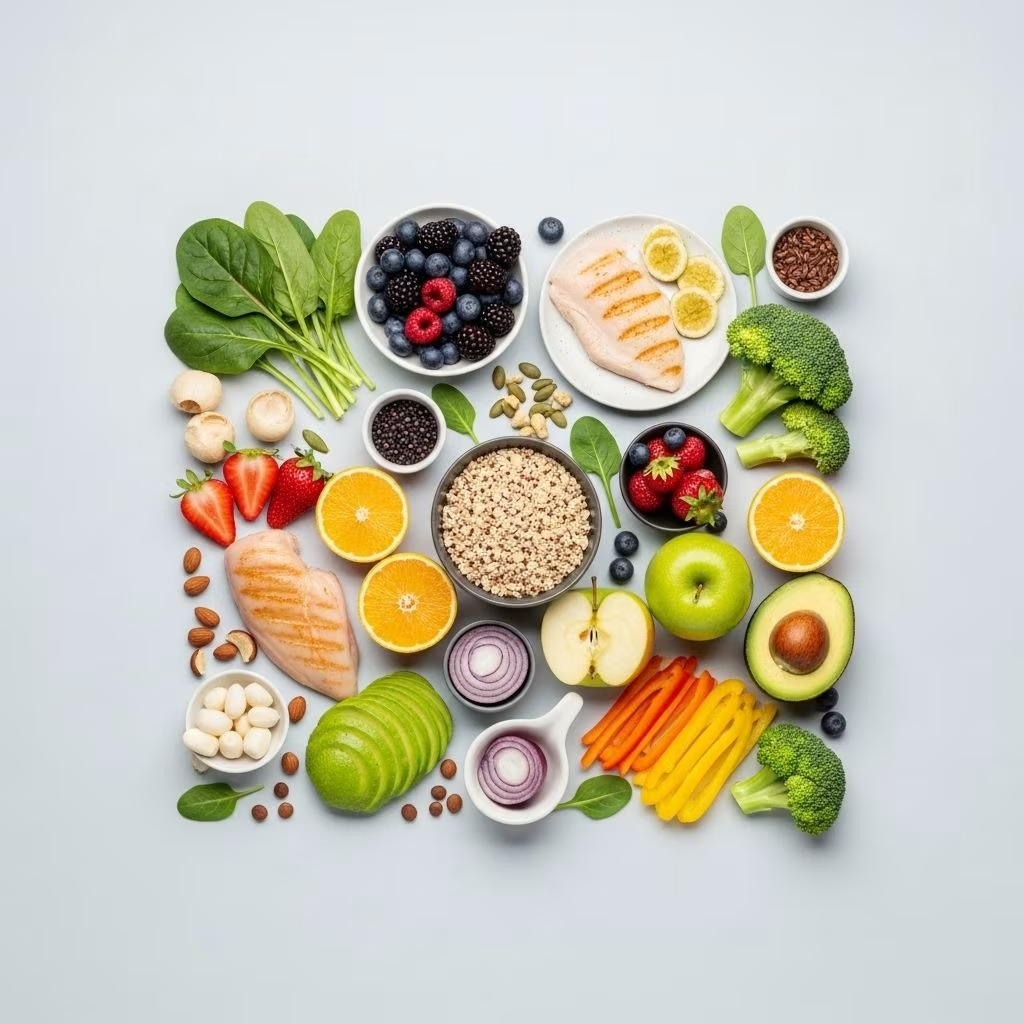
The F-Factor Diet is a high-fiber, flexible approach to eating designed to support lasting weight loss and improved wellbeing—without sacrificing your favorite foods or social life. Unlike many restrictive diets, it emphasizes real, whole foods and offers a sustainable path to a healthier lifestyle. This comprehensive guide delves into the science behind the F-Factor Diet, its practical phases, recommended foods, pros and cons, and expert tips for success.
Background and Origins of the F-Factor Diet
The F-Factor Diet was developed by Tanya Zuckerbrot, a New York City-based registered dietitian. Her clinical experience with diabetes and heart disease patients revealed that increasing fiber intake helped with blood sugar control, lower cholesterol, and easier weight management. These findings inspired the creation of the F-Factor plan, designed to help people lose weight without hunger and improve their quality of life through practical, sustainable nutrition choices.
While the “F” in F-Factor stands primarily for fiber, Zuckerbrot also associates it with “family, fun, friends, and free time,” highlighting the diet’s flexibility and its focus on enjoying life while achieving health goals.
Core Principles: Why Fiber and Protein Matter
- Fiber is the hero nutrient of the F-Factor Diet. Found in fruits, vegetables, legumes, nuts, seeds, and whole grains, fiber is a non-digestible carbohydrate that adds bulk to your diet and supports satiety. It helps slow digestion, stabilizes blood sugar, and can contribute to lower cholesterol by promoting excretion of cholesterol-rich bile.
- Protein is the other core element, chosen for its role in sustaining muscle mass, boosting metabolism, and prolonging feelings of fullness with fewer calories.
- Net carbs, not total carbs: The diet emphasizes “net carbs”—the digestible carb content left after subtracting fiber (and, in some calculations, sugar alcohols) from total carbohydrates. Fiber is not absorbed, so foods high in fiber have a lower glycemic impact, which helps control hunger and energy levels.
- No food groups are completely off-limits. The plan encourages balance, so you don’t have to eliminate carbs or fats but are asked to prioritize nutrient-dense, high-fiber foods and moderate your intake of starchy or sugary refined carbohydrates.
- Real food first. The plan is built around three fiber-rich meals and one snack per day, with a focus on unprocessed foods. You can eat out, enjoy social events, and even include alcohol in moderation.
The Three Phases of the F-Factor Diet
The F-Factor Diet progresses through three main phases, each designed to help your body adapt to higher fiber intake while working toward your health and weight goals. Each phase builds on the last but becomes more flexible as you progress.
| Phase | Primary Focus | Main Guidelines |
|---|---|---|
| Phase 1: Jumpstart | Boost fiber, start with lower net carbs |
|
| Phase 2: Continued Weight Loss | Gradually increase fiber and net carb intake |
|
| Phase 3: Maintenance | Sustain new habits, enjoy a wider variety |
|
These phases are not meant to restrict you permanently; instead, they help your body adapt to more fiber and guide you toward sustainable, healthy eating patterns for the long term.
What to Eat on the F-Factor Diet
The F-Factor Diet encourages a wide range of foods, with an emphasis on those naturally rich in fiber. Here’s a breakdown of key recommended foods and suggested swaps to help you meet your fiber goals:
- High-fiber fruits: Berries, apples, pears, oranges—all packed with antioxidants and vitamins while supporting a feeling of fullness.
- Nutritious vegetables: Leafy greens (spinach, kale), cruciferous varieties (broccoli, cauliflower), bell peppers, asparagus—these provide fiber, vitamins, and minerals.
- Whole grains: Quinoa, brown rice, oats, farro, barley, and whole wheat bread—excellent sources of fiber and longer-lasting energy.
- Lean proteins: Skinless poultry, fish, eggs, tofu, Greek yogurt, legumes. Protein sustains muscle and keeps you satisfied.
- Healthy fats: Avocados, olives, nuts, seeds, and olive oil—these support satiety, nutrient absorption, and add flavor.
- Fiber-friendly snacks: Air-popped popcorn, roasted chickpeas, veggies with hummus, freshly cut fruit, whole grain crackers.
- Moderate alcohol: Enjoy a drink occasionally—typically one daily for women, two for men—if desired.
Foods to Limit:
- Refined grains (white bread, white rice)
- Sugary snacks and desserts
- Highly processed packaged foods
- Sugary sodas and energy drinks
Simple Swap Examples:
- Replace white pasta with whole-grain or chickpea pasta
- Switch white rice for brown rice or cauliflower rice
- Opt for fresh fruit instead of desserts or sugary snacks
Potential Benefits of the F-Factor Diet
- Weight loss without deprivation: The satiating combination of fiber and protein can reduce hunger and support weight loss on fewer calories, without leaving you feeling hungry or restricted.
- Stabilized blood sugar and improved cholesterol: Higher fiber intake slows sugar absorption and binds cholesterol-rich bile for excretion, supporting heart and metabolic health.
- No need to eliminate food groups: The plan’s flexible guidelines mean you can dine out, enjoy social occasions, and eat a wide variety of foods.
- Focus on whole foods: The diet’s foundation in minimally processed foods is linked to numerous health benefits—better digestion, more nutrients, and improved gut health.
- Improved digestive health: Fiber helps keep things moving in the digestive tract, reducing constipation and feeding beneficial gut bacteria.
- Flexible and social lifestyle: Unlike rigid plans that eliminate entire categories, F-Factor lets you include your favorite foods and enjoy meals out.
Possible Drawbacks and Controversies
- High tracking demands: Some find the need to calculate net carbs and monitor fiber intake complicated, which may be intimidating or too time-consuming for beginners.
- Not calorie-free: While calories aren’t counted directly, restricting carbs can indirectly reduce calorie intake, which can be confusing for some users.
- Initial digestive discomfort: Suddenly bumping up fiber intake may lead to bloating, gas, or abdominal cramps. Experts recommend increasing fiber gradually and drinking plenty of water.
- Recent product controversy: The F-Factor brand faced criticism over potential issues with its ready-to-eat products and fiber supplements; however, these concerns do not pertain to the original whole-food-based plan.
Tips for Long-Term Success with the F-Factor Diet
- Bump up fiber slowly: To avoid digestive woes, increase your fiber intake a little at a time while drinking plenty of water—ideally, at least eight cups a day.
- Plan balanced meals: Each meal should include a source of lean protein and high-fiber carbs (non-starchy vegetables, whole grains) for sustained energy and fullness.
- Don’t stress about perfection: Occasional indulgences are part of a healthy and sustainable approach—focus on overall patterns, not single meals or days.
- Get creative: Use herbs, spices, and a variety of produce to keep meals interesting and flavorful, so you don’t get bored with your fiber-rich diet.
- Consult a professional: If you have specific health conditions, allergies, or trouble adapting to the plan, working with a registered dietitian can ensure your needs are met safely.
Frequently Asked Questions
What is the main goal of the F-Factor Diet?
The primary aim is to facilitate weight loss without hunger by increasing fiber and protein, which fill you up and support a healthy metabolism while allowing flexibility in food choices.
Can I eat carbs on the F-Factor Diet?
Yes! The F-Factor Diet includes carbohydrates but emphasizes net carbs—prioritizing high-fiber, low-sugar options like whole grains, fruits, and vegetables, and discouraging refined carbs and sugars.
Is the F-Factor Diet suitable for vegetarians and vegans?
Absolutely. There is a wide range of fiber-rich plant-based foods on the plan, including beans, lentils, nuts, seeds, tofu, and a rainbow of vegetables and fruits.
Will I have to track my calories?
No direct calorie counting is required. However, you will need to monitor your net carb and fiber intake, which may indirectly lower your calorie consumption as you shift away from refined carbs.
Is exercise required on the F-Factor Diet?
Exercise is encouraged for overall health but is not strictly required for weight loss success on this plan. Many people find they can lose weight with the diet alone.
How quickly can I expect results?
While results will vary, many people report feeling fuller and more energized within days of starting the plan, with weight loss following as new habits take hold. The gradual phases help minimize discomfort and set you up for long-term success.
Final Thoughts
The F-Factor Diet offers a practical, science-based approach to weight loss and improved health through a fiber-focused, flexible eating plan. Its stepwise phases, emphasis on real foods, and allowance for social eating make it appealing for many looking to make lasting changes. As with any dietary overhaul, consider consulting a professional to make sure the plan fits your unique needs and health goals.
References
- https://greatist.com/eat/f-factor-diet
- https://www.goodhousekeeping.com/health/diet-nutrition/a27508457/f-factor-diet/
- https://www.sincerelysydney.net/blog-2/tanya-zuckerbrot-on-the-f-factor
- https://www.healthandme.com/nutrition/what-is-the-f-factor-diet-article-151110897
- https://www.ffactor.com/what-is-f-factor/
- https://listonic.com/diet-plans/f-factor-diet-plan-for-healthy-eating
- https://top3doctors.com/megyn-kellys-f-factor-diet/
- https://www.ffactor.com/wp-content/uploads/2023/07/F-Factor_Gluten-Free_Addendum_v4_LR.pdf


