


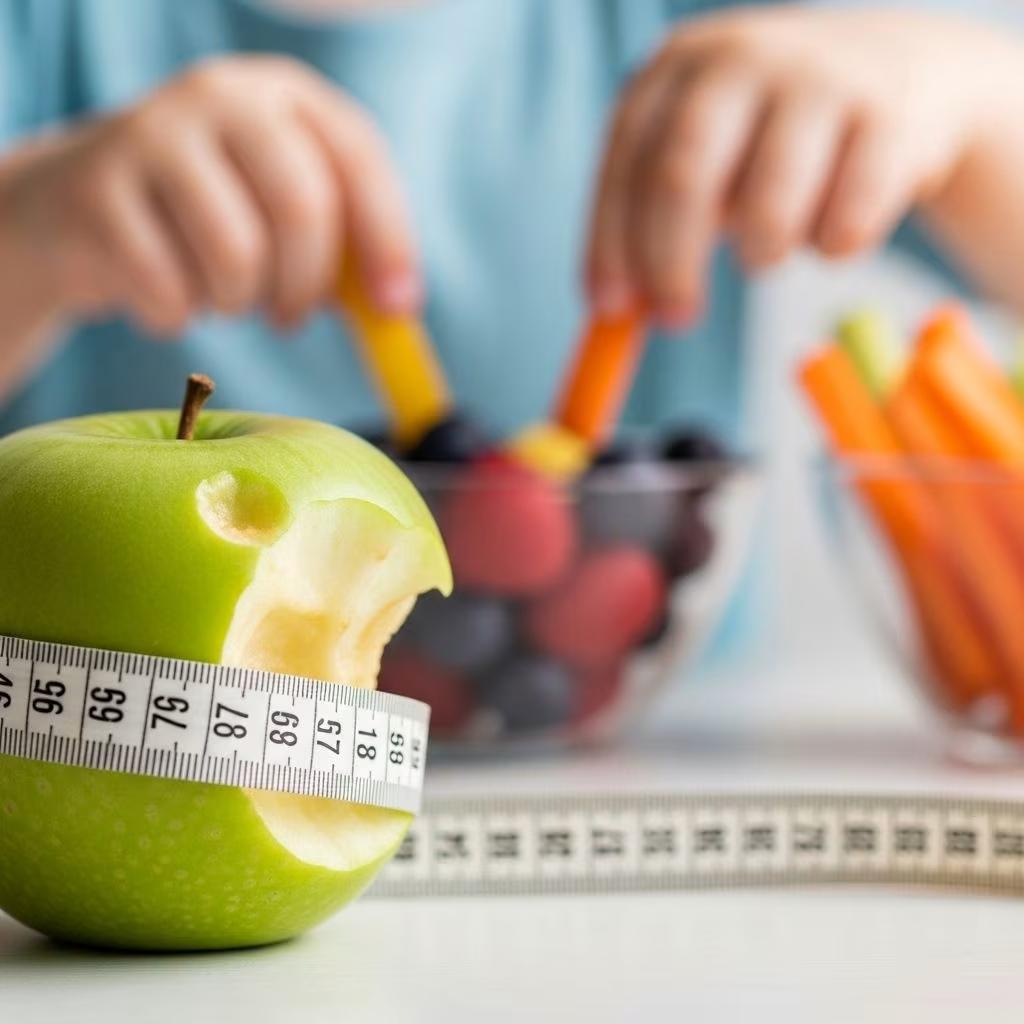
Fad Diets and Children: Risks, Realities, and Safer Paths
Diet culture and the popularity of quick-fix nutrition plans have increasingly influenced not just adults, but also children and teens. The push to lose weight and pursue idealized body images now permeates social media, advertising, and everyday conversations—even reaching young audiences who are still developing physically, mentally, and emotionally. Parents and caregivers often grapple with how best to approach nutrition, health, and body image with their children amidst a landscape dominated by restrictive diets and unrealistic expectations.
What Are Fad Diets?
Fad diets are dietary plans that promote rapid weight loss or promise to solve chronic health issues—often with little scientific support.
- Highly restrictive: They typically exclude entire food groups or nutrients.
- Celebrity-endorsed or viral: Frequently promoted by famous personalities or on social media.
- Quick results promised: These diets tout fast success, often relying on pills, powders, or special beverages.
- Lack of research: Most have minimal scientific validation and may run counter to mainstream nutritional guidelines.
Why Are Fad Diets Appealing?
Fad diets often tempt people—adults and children alike—because they offer hope for quick transformations. Teens, especially, may be influenced by peer pressure, media, and a desire to match idealized body images.
- Promise of fast weight loss
- Influence of celebrities/social media
- Belief in quick fixes for health problems
- Desire for social acceptance and self-esteem
Dangers of Fad Diets for Children and Teens
Experts overwhelmingly agree: fad diets pose significant risks to children and teens. Unlike adults, young people are still growing and require a well-balanced diet for proper physical, cognitive, and emotional development.
- Nutritional deficiencies: Restrictive diets can leave kids deficient in critical nutrients such as calcium, iron, vitamin D, folic acid, and fiber.
- Stunted growth: Inadequate calorie or nutrient intake can hinder height, bone strength, and overall physical development.
- Body negativity and mental health struggles: Diet culture can fuel poor body image, anxiety, depression, irritability, difficulty concentrating, and social withdrawal.
- Risk for eating disorders: Dieting and weight talk increase the likelihood of disordered eating behaviors such as anorexia, bulimia, and binge eating.
Nutritional Deficiencies: The Hidden Costs
When kids eliminate major food groups, they can become deficient in vitamins and minerals essential for growth, energy, and overall health.
| Nutrient | Effects of Deficiency | Major Sources |
|---|---|---|
| Calcium | Poor bone health; increased fracture risk | Milk, yogurt, cheese |
| Iron | Anemia, impaired cognitive function, fatigue | Red meat, beans, lentils, spinach |
| Vitamin D | Decreased bone density, weak immune response | Sunlight, fortified dairy |
| Fiber | Poor digestive health, constipation | Whole grains, fruits, vegetables |
| Folic Acid | Impaired cellular growth, anemia | Leafy greens, beans, citrus |
Stunted Growth and Development
Children and teens need extra calories, protein, calcium, and other nutrients for growth. Restrictive eating can result in lower height and delayed physical development.
- Skipping meals or cutting key foods: Can undermine energy, reduce school or sports performance, and slow growth.
- Girls: May experience delayed puberty, missed menstrual cycles, and higher risk for osteoporosis.
- Boys: Can face lower muscle mass, delayed voice changes, and less stamina.
Body Image and Mental Health
Children are especially impressionable. Messages about body shape and diet from parents, peers, and media can shape lifelong beliefs—and fuel anxiety, body dissatisfaction, and depression.
- Diet talk: Kids exposed to comments about dieting or weight are more likely to feel bad about themselves.
- Social isolation: Negative self-image can cause withdrawal from friends and activities.
- Anxiety and depression: Poor body image is closely linked to mental health struggles.
Eating Disorders: A Growing Concern
Dieting and restrictive eating are major risk factors for eating disorders, now increasingly diagnosed in children and teens—sometimes as young as elementary age.
Warning signs of eating disorders in youth:
- Obsession with weight, food, or calories
- Skipping meals or claiming to eat elsewhere
- Dramatic weight changes
- Excessive exercise or preoccupation with burning calories
- Social withdrawal and mood swings
Common Fad Diets Impacting Kids
Though some restrictive eating patterns are necessary for medical reasons (like food allergies or celiac disease, and always under a doctor’s supervision), many so-called healthy diets are adopted for aesthetic or weight loss reasons without valid indications—and can be harmful.
- Gluten-Free: Eliminates wheat and related grains. Beneficial for those with celiac disease or gluten sensitivity but leads to lower fiber intake if used unnecessarily.
- Paleo: Cuts out grains, legumes, and dairy. Risks include calcium, vitamin D, and fiber deficiencies.
- Keto: Severely restricts carbohydrates, potentially impacting growth, energy, and mental acuity.
- Juice cleanses and detoxes: Limit calories, protein, and fat—critical macronutrients for growing bodies.
How to Spot a Fad Diet
- Promises quick results (“lose 10 pounds in a week!”)
- Eliminates entire foods or groups (no carbs, no fat, no fruit, etc.)
- Requires special pills, powders, or supplements
- Lacks recommendations for balance, variety, or moderation
- Endorsed by celebrities or trending online without evidence
Diet Culture and the Impact on Children
The rise of diet culture has altered the ways young people see themselves. Social media, advertising, friends, and family inadvertently reinforce harmful attitudes about food and body size.
- Media exposure: Young people overwhelmed by images celebrating thinness, ‘clean eating,’ and transformation stories.
- Peer and family influence: Comments about needing to lose weight or attitudes favoring restriction over nourishment can strongly affect children’s self-worth.
- Parental modeling: When parents express dissatisfaction with their own bodies or obsess about diets, kids absorb these attitudes.
Long-Term Consequences of Diet Culture
- Poor relationship with food
- Fear and guilt associated with eating
- Increased risk of eating disorders and mental distress
Encouraging Healthy Eating: Evidence-Based Guidance
Major nutrition organizations—including the American Academy of Pediatrics and the Academy of Nutrition and Dietetics—advise against putting children on restrictive diets unless medically necessary. Healthier approaches include helping young people develop positive relationships with food, activity, and self-image.
Principles of Healthy Eating for Kids
- Variety: Include foods from all groups; eat a rainbow of colors each day.
- Moderation: Enjoy treats and favorite foods in reasonable portions; all foods can fit.
- Nutrient Density: Focus on foods packed with vitamins, minerals, and fiber (like whole grains, fruits, and vegetables).
- Limit Added Sugars & Saturated Fats: Watch out for sugar-sweetened drinks, candies, and fatty snack foods.
- Eat Mindfully: Pay attention to hunger and fullness cues.
- Healthy Beverage Choices: Choose water, milk, or fortified alternatives over sugary drinks.
- Physical Activity: Promote regular movement and exercise for health, not just weight management.
Healthy Eating Patterns
| Diet Type | Main Features | Eligibility (Kids) |
|---|---|---|
| Healthy US-Style | Whole grains, fruits, vegetables, lean proteins, low-fat dairy | Recommended for all children |
| Mediterranean | Plant-based foods, fish, whole grains, olive oil, low meat | Suitable for most children |
| Vegetarian | No meat; includes dairy, eggs, beans, nuts | Safe if planned for adequate nutrients |
Clinical Guidelines for Diet and Weight Management in Kids
For children with special health concerns (such as allergies or obesity), any diet change should always be guided by a qualified pediatrician or dietitian. The goal is health—not weight or appearance.
- Therapeutic diets: Only under medical necessity and supervision (e.g., allergies, diabetes, celiac disease).
- Weight management: Focuses on growing into a healthy weight rather than quick loss.
- Behavioral strategies: Foster active lifestyles, balanced meals, and positive reinforcement.
Diet Don’ts for Kids
- Don’t restrict dairy, grains, fruits, or vegetables unless medically advised.
- Don’t use weight loss supplements, detoxes, or meal replacement shakes for children.
- Don’t equate thinness with health—focus on overall well-being.
Tips for Parents: Protect Kids from Diet Culture
- Avoid dieting language: Don’t comment on your child’s weight, size, or eating habits in a negative way.
- Model balanced eating: Show that enjoying all types of food is healthy and normal.
- Allow growth: Understand that children may naturally change shape and size as they develop.
- Focus on health, not numbers: Emphasize feeling strong and energetic—rather than thin or light.
- Eliminate weight talk: Refrain from discussing diets, calories, or weight loss around children.
Frequently Asked Questions (FAQs)
Q: Should children ever be put on diets?
A: Only for medical reasons and directly supervised by a healthcare professional. Otherwise, kids should focus on balanced eating and active lifestyles.
Q: What are the warning signs of harmful dieting or eating disorders in my child?
A: Watch for skipped meals, preoccupation with weight, drastic changes in eating or activity, secretive behavior around food, and withdrawal from social situations. Early intervention is key.
Q: How can I encourage healthy eating patterns without focusing on weight?
A: Offer a wide variety of foods, talk positively about eating and bodies, involve kids in meal planning, and be mindful of portion sizes rather than restricting food.
Q: What should I do if my child asks about dieting or wants to lose weight?
A: Discuss their reasons with openness and empathy. Consult with their pediatrician or a registered dietitian who specializes in pediatrics before making dietary changes.
Q: How can kids get enough nutrients if they want to reduce certain foods (e.g., for vegetarianism)?
A: With strategic meal planning and professional guidance, vegetarian or special diets can meet nutrition needs—but replacing missing nutrients is crucial.
Resources For Parents and Caregivers
- American Academy of Pediatrics (AAP)
- Academy of Nutrition and Dietetics
- Registered Pediatric Dietitians
- Kids’ pediatricians for personalized advice
Summary & Key Takeaways
- Fad diets and diet culture pose real risks for children’s growth, mental health, and relationship with food.
- Children and teens require balanced, varied, and nutrient-dense diets—never restrictive plans marketed for quick results.
- Focus should be on health, positive habits, and self-esteem.
- If dietary change is medically necessary, work with a qualified health professional.
- Parents and caregivers play a critical role in protecting kids from the harms of diet culture.
References
- https://www.bswhealth.com/blog/is-dieting-safe-for-kids-and-teens
- https://www.ohsu.edu/sites/default/files/2021-06/Ped%20GI%2021-6-Stoernell.pdf
- https://www.stlouischildrens.org/health-resources/pulse/fad-diets-good-kids
- https://cps.ca/en/documents/position/dieting-adolescence
- https://pmc.ncbi.nlm.nih.gov/articles/PMC9294402/
- https://www.betterhealth.vic.gov.au/health/healthyliving/weight-loss-and-fad-diets
- https://muschealth.org/medical-services/weight-loss-surgery/wls/2022/march/fad-diets
- https://courses.lumenlearning.com/suny-mcc-childdevelopment/chapter/fad-diets/
- https://www.rch.org.au/kidsinfo/fact_sheets/Nutrition_older_children/


