


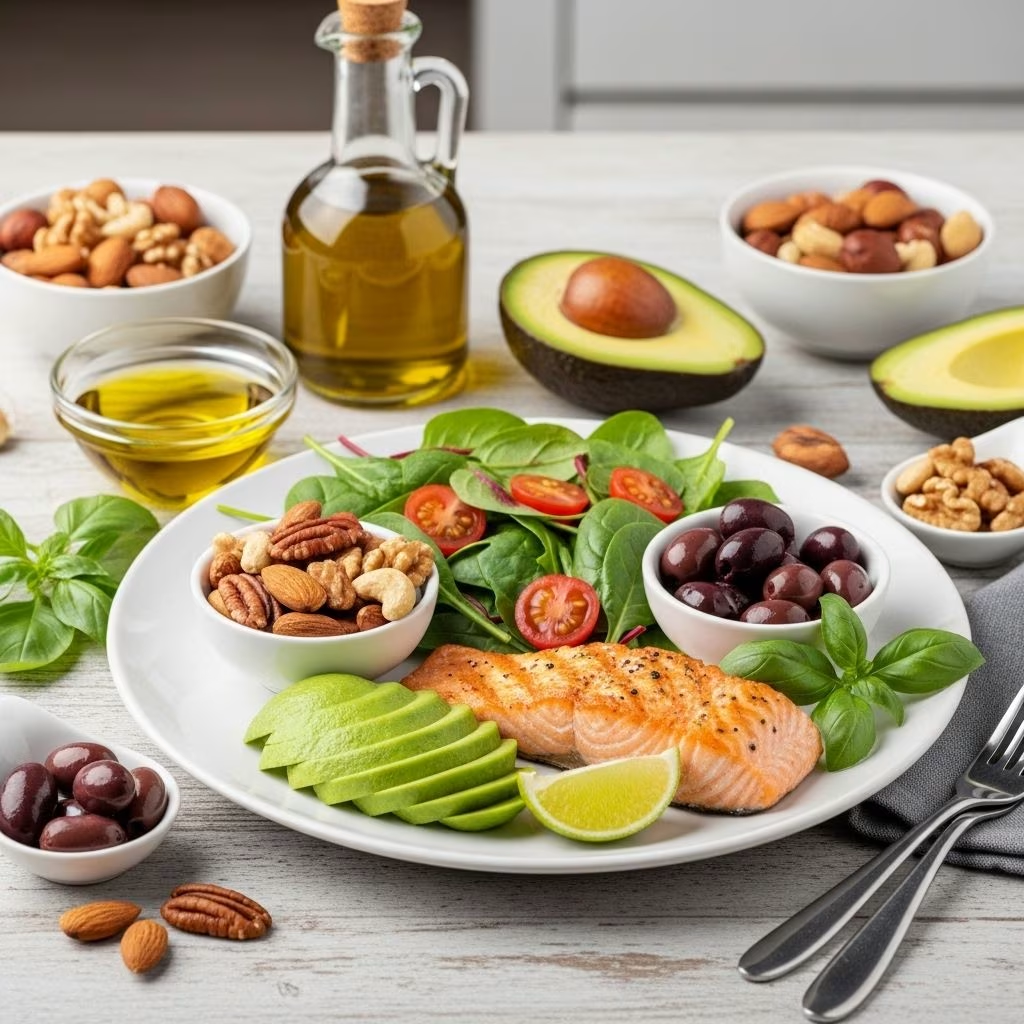
Meet the MUFAs: Inside the Flat Belly Diet Plan
The Flat Belly Diet is a well-known weight loss program that leverages the power of monounsaturated fatty acids (MUFAs) to burn belly fat, help manage hunger, and promote overall wellness. Inspired by the Mediterranean diet, this plan encourages nutritious eating and sustainable habits—without relying on extreme restrictions or exhausting exercise regimens.
What Are MUFAs and Why Do They Matter?
MUFAs (monounsaturated fatty acids) are a type of heart-healthy fat found in many plant-based foods. The Flat Belly Diet centers around the belief that incorporating MUFAs into every meal can support fat loss, enhance satiety, and improve cardiovascular health.
- Sources of MUFAs: Olive oil, avocados, nuts, seeds, olives, dark chocolate
- Health benefits: Assist with appetite regulation, reduce inflammation, and support healthy cholesterol levels
- Role in the diet: One MUFA source is included in every meal and snack
The Flat Belly Diet Approach
This diet follows a two-phase structure: a short, anti-bloat jumpstart followed by a longer, balanced eating regimen. Each phase has clear rules and recommended foods to maximize results.
Phase 1: The Four-Day Jumpstart
The first phase is designed to flush out excess water, reduce bloating, and prepare your body for healthy weight loss. It lasts for four days and involves lower calorie intake and strict food guidelines.
- Daily calories: 1200–1400
- Meals: Four 300–350 calorie meals per day
- Beverage: Two liters of Sassy Water: water infused with ginger root, cucumber, lemon, and mint leaves
Foods to Avoid:
- Processed foods
- Added salt
- High-carb foods (bread, pasta, bagels, bananas)
- Gas-producing foods (cabbage, onions, beans)
Sample Anti-Bloat Meal: Grilled chicken breast with spinach, bell pepper, and a drizzle of olive oil
Phase 2: The 28-Day MUFA-Enhanced Meal Plan
Following the jumpstart, dieters transition to a four-week plan featuring satisfying, Mediterranean-inspired meals and snacks, each with a serving of MUFA.
- Daily calories: 1600 for women, 2000 for men
- Meal pattern: Eat every four hours (three meals, one snack), 400 calories per meal
- MUFA with each meal: A specified portion of olive oil, nuts/seeds, avocado, olives/tapenade, or dark chocolate
- Daily hydration: Two liters of Sassy Water
- Whole foods focus: Prioritize fruits, vegetables, whole grains, lean proteins
Foods to Emphasize:
- Colorful vegetables and fresh fruits
- Legumes and whole grains
- Fatty fish like salmon
- Healthy oils and nut butters
Foods and Drinks to Avoid:
- Sugary, fizzy, or caffeinated beverages (soda, coffee, energy drinks)
- Artificial sweeteners
- Deep-fried foods and excess carbohydrates
Meal Planning Made Easy
The Flat Belly Diet provides clear sample meals, snacks, and shopping lists to help followers adopt the Mediterranean approach. The authors recommend never going more than four hours without eating, and each meal is designed to keep hunger at bay while delivering nutrients vital for healthy weight loss.
| Meal | Sample Food | MUFAs Included |
|---|---|---|
| Breakfast | Whole wheat toast, almond butter, kiwi, strawberries | Almond butter (nuts) |
| Lunch | Turkey sandwich on whole wheat, black olives, tomato, lettuce | Olives (olives/tapenade) |
| Snack | Low-fat cheese, whole grain crackers, avocado slices | Avocado |
| Dinner | Grilled salmon, snow peas, whole grain pasta | Olive oil (drizzle) |
Sassy Water: The Signature Beverage
Sassy Water is a signature feature of the Flat Belly Diet, designed to help reduce water retention and curb hunger during the jumpstart phase and beyond.
- Blend two liters of water with thinly sliced ginger root, cucumber, lemon, and mint leaves
- Consume throughout the day for hydration and anti-bloating benefits
The Science Behind MUFAs and Belly Fat
The Flat Belly Diet rests on research showing MUFAs can:
- Increase feelings of fullness after meals, decreasing overeating
- Improve heart health by reducing LDL cholesterol and supporting healthy blood pressure
- Reduce inflammation, potentially helping with metabolic syndrome and central obesity
- Encourage sustainable, long-term fat loss (especially visceral fat)
It is worth noting that the Flat Belly Diet itself has not been evaluated in extensive clinical trials, but many of the individual dietary elements (Mediterranean style eating, MUFAs, whole foods) have been shown to benefit cardio-metabolic health.
Exercise and Activity: Optional, but Encouraged
While the diet claims to deliver results without exercise, most health professionals strongly recommend regular physical activity for optimal results and enhanced well-being. The accompanying Flat Belly Diet workout suggests:
- At least 30 minutes of moderate-intensity activity daily (walking, biking, swimming, dancing)
- Resistance training or full-body workouts for improved metabolic health
Is the Flat Belly Diet Right for You?
This diet may be suitable for adults looking for a structured, short-term jumpstart into healthier eating patterns, especially those seeking a flatter stomach and improved energy. It emphasizes whole foods, heart-healthy fats, and portion control, and discourages unhealthy processed foods and erratic eating habits.
- Pros: Simple rules, flexible meal choices, sustainable habits
- Cons: Strict jumpstart phase may be difficult for some, reliance on certain foods, no long-term data
- Best results when combined with regular activity and attention to overall lifestyle
Common Mistakes and Tips for Success
- Skipping MUFA servings—make sure each meal includes one
- Neglecting hydration—drink two liters of Sassy Water daily
- Eating processed or salty foods—these undermine anti-bloat goals
- Going longer than four hours between meals—plan ahead to avoid hunger spikes
- Tip: Prep meals and snacks in advance and stock up on MUFA-rich ingredients
Sample Shopping List for One Week
- Olive oil (extra virgin)
- Avocados
- Almonds, walnuts, seeds
- Dark chocolate (70% cocoa or higher)
- Whole grain bread and pasta
- Fresh fruits: berries, kiwi, oranges
- Vegetables: spinach, bell pepper, tomato, cucumber, leaf lettuce
- Lean proteins: chicken breast, turkey, salmon, tuna
- Low-fat cheese
- Mint, lemon, fresh ginger
Flat Belly Diet: Frequently Asked Questions (FAQs)
Q: How much weight can I expect to lose on the Flat Belly Diet?
A: Many followers report losing up to 15 pounds in 32 days, especially around the midsection. Results depend on individual metabolism, activity levels, and adherence to the plan.
Q: Do I have to exercise for the diet to work?
A: The Flat Belly Diet claims you can lose weight without exercise, but adding physical activity improves results, tones your body, and supports long-term weight maintenance.
Q: Are men and women supposed to eat the same number of calories?
A: No. Men typically eat 2,000 calories during the four-week phase, while women are advised to stick to 1,600 calories.
Q: Are there any risks or drawbacks to this diet?
A: People with chronic conditions or those on specific medications should consult a healthcare professional before starting. The restrictive jumpstart phase may not suit everyone, and there are no long-term studies proving sustained weight loss.
Q: Can I continue eating this way after 32 days?
A: Yes. The principles of including MUFAs, eating regularly, and focusing on whole foods are suitable for long-term wellness.
Flat Belly Diet vs. Mediterranean Diet
| Flat Belly Diet | Mediterranean Diet |
|---|---|
| Structured 32-day program with MUFA focus | Flexible, lifelong eating pattern |
| Jumpstart phase to reduce bloat | No jumpstart or reset phase |
| Meal guidelines: 4 meals, each with MUFAs | Emphasizes MUFAs, but less rigid meal structure |
| Specific foods excluded (processed, high-carb, gas-producing) | Broader food inclusion, focuses on moderation |
| Signature Sassy Water for hydration | Primarily water and herbal teas |
Final Thoughts
The Flat Belly Diet offers a targeted, practical approach for those looking to jumpstart weight loss and improve belly fat specifically. By integrating MUFAs, thoughtfully planning meals, and focusing on hydration and whole foods, many people can see rapid results. Always consult with a healthcare professional before starting a new diet plan, and remember that long-term weight management depends on sustainable eating patterns, regular activity, and mindful habits.
Key Takeaways
- Eat MUFA-rich foods at every meal
- Follow the jumpstart phase for anti-bloat benefits
- Stay hydrated with Sassy Water
- Plan balanced, Mediterranean-inspired meals
- Exercise to maximize results and wellness
References
- http://www.womensdietnetwork.com/diets/flat-belly-diet/
- https://sipipa.com/blog/flat-belly-diet/
- https://www.emedicinehealth.com/what_can_you_eat_on_the_flat_belly_diet/article_em.htm
- https://www.mymlc.com/health-information/faqs/f/flat-belly-diet-can-it-help-you-lose-weight/
- https://www.prevention.com/weight-loss/diets/g20472924/meet-the-mufas-flat-belly-diet/
- https://www.latimes.com/archives/blogs/booster-shots/story/2008-08-08/the-flat-belly-diet-heard-of-it-if-not-you-will
- https://www.prevention.com/weight-loss/diets/a20475826/5-minute-flat-belly-meals/


