


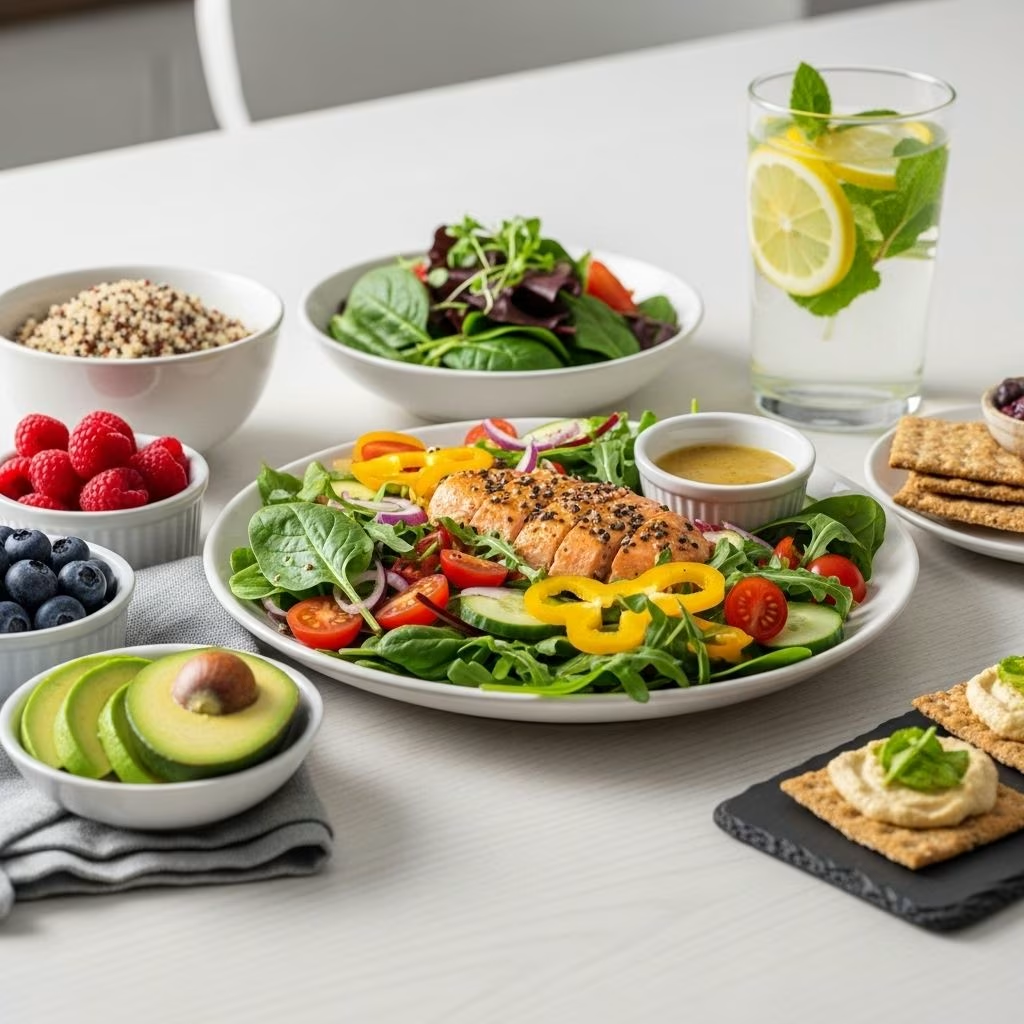
Flat Belly Diet Recipes: Simple Meals for a Healthier Waistline
The Flat Belly Diet has become a popular weight loss strategy owing to its focus on monounsaturated fatty acids (MUFAs) and Mediterranean-style eating. Developed by experts at Prevention magazine, this plan combines satisfying recipes, smart nutrition science, and practical meal guidelines to help individuals lose up to 15 pounds per month while targeting stubborn belly fat. Whether you are just starting or looking to refresh your healthy eating routine, this comprehensive guide details what the Flat Belly Diet is, why MUFAs matter, how to structure your meals, and a full one-week sample menu including easy, flavorful recipes for each day.
What is the Flat Belly Diet?
The Flat Belly Diet is a two-phase weight loss plan with an emphasis on ingredients rich in monounsaturated fatty acids (MUFAs), a type of healthy fat primarily sourced from plants. This diet is designed to curb hunger, support heart health, and reduce central body fat. Structured in a 1,600-calorie per day meal plan (for women; men may aim for 2,000), it adapts elements of the Mediterranean diet, advocating:
- Four 400-calorie meals daily (including one snack)
- Eating every four hours
- Including a MUFA-rich food at every meal
- Emphasizing whole grains, fruits, vegetables, lean proteins, and nuts
Developed by Liz Vaccariello and registered dietitian Cynthia Sass, the plan is designed for safe, sustainable weight loss and better cardiovascular health.
Understanding MUFAs: The Science Behind the Flat Belly Diet
Monounsaturated fatty acids (MUFAs) are plant-based fats known for supporting heart health and weight management. They are the central focus in every meal on the Flat Belly Diet, thanks to research linking them to reduced inflammation, better cholesterol profiles, and lower abdominal fat.
- Sources of MUFAs: Olive oil, canola oil, avocados, olives, nuts (almonds, cashews, peanuts), seeds, and dark chocolate.
- How MUFAs Work: These fats not only help promote satiety, but are also associated with decreased risk of heart disease, improved blood pressure, and reduced LDL cholesterol.
The plan aims to replace saturated fats and processed foods with MUFA-rich foods at each meal, which supports long-term metabolic and cardiovascular benefits.
Flat Belly Diet Structure: Phases and Approach
- Jumpstart Phase (4 days): Focuses on anti-bloat foods, water-rich vegetables, lean protein, and MUFAs. Water infused with natural ingredients replaces sugary drinks.
- Four-Week Meal Plan: Encourages a variety of MUFA-rich recipes, largely mirroring the Mediterranean diet, with 1,600 daily calories for women and 2,000 for men. Meals include plenty of non-starchy vegetables, fruit, whole grains, healthy oils, fish/poultry, and small servings of dairy.
Each meal—breakfast, lunch, dinner, and one snack—features at least one MUFA ingredient, keeping hunger in check and promoting steady energy levels throughout the day.
One-Week Flat Belly Diet Meal Plan
This section offers a structured one-week meal plan with easy-to-prepare, MUFA-rich recipes that support the Flat Belly Diet’s guiding principles. Each day is divided into breakfast, lunch, dinner, and snack, all aiming for about 400 calories per meal.
Monday
- Breakfast: Banana Split Oatmeal
Cook 1/2 cup old-fashioned oats with water. Top with microwaved frozen strawberries (1/4 cup), sliced banana (1/4 cup), semisweet chocolate chips (1 tablespoon), and almonds (2 tablespoons).
Total Calories: 359 - Lunch: Mediterranean Sandwich
Spread 2 slices sesame-sprouted whole wheat bread with black olive tapenade (2 tablespoons); add deli turkey (2 oz), sliced red onion, fresh tomato, and romaine leaves. Serve with 1/2 cup banana slices.
Total Calories: 400 - Dinner: Ricotta Calzone
Mix nonfat ricotta (1/4 cup) with diced sun-dried tomatoes, olive oil (1 tablespoon), minced garlic, and basil; stuff mixture into a whole grain pita. Broil until golden and bubbly. Serve with 1/2 cup marinara sauce.
Total Calories: 436 - Snack: Hummus Dip
Dip red bell pepper slices (1 cup) in hummus (1/2 cup), sprinkle with pine nuts (2 tablespoons).
Total Calories: 353
Thursday
- Breakfast: Apple Pie Smoothie
Blend 1/2 cup fat-free or soy milk, 6 oz vanilla yogurt, apple pie spice (1 tsp), a peeled, chopped apple, cashew butter (2 tablespoons), and ice. Scoop into a bowl or glass.
Total Calories: 390 - Lunch: Chilled Chicken Pasta
Toss 1/4 cup cooked whole wheat penne with pesto (1 tbsp), diced chicken breast (3 oz), grape tomatoes, shredded carrots, and Italian cheese blend.
Total Calories: 388 - Dinner: Mexicali Salad
Top mixed baby greens with refried beans with chiles (1/2 cup), corn (3/4 cup), red onion, salsa, and sliced avocado.
Total Calories: 374 - Snack:
Fat-free vanilla yogurt (6 oz), pineapple chunks (1/2 cup), and almonds (2 tablespoons).
Total Calories: 249
Friday
- Breakfast: Cashew Crunch
Spread cashew butter (2 tablespoons) on sprouted whole grain bread (1 slice) with raisins (1/4 cup).
Total Calories: 400 - Lunch: Crunchy Tuna Melt
Top sprouted whole grain bread (1 slice) with canned tuna (3 oz), sunflower seeds (2 tbsp), and Italian cheese blend (1/4 cup). Broil or toast until cheese melts.
Total Calories: 380 - Dinner: Pepperoni Pizza
Brush a whole grain pita with olive oil (1 tbsp), add marinara sauce (1/4 cup), veggie pepperoni, and cheese. Broil until cheese is melted.
Total Calories: 384 - Snack: Turkey Roll
Mix chopped avocado (1/4 cup), chopped low-fat string cheese, red pepper strips, and roll up in deli turkey slices (4 oz).
Other Sample Days
While a full seven-day plan is not detailed, the core principle is to build each meal around MUFA-rich foods, always paired with high-fiber whole grains, lean protein, and plenty of produce. Common meal swaps include:
- Egg and Veggie Scramble with whole grain toast and avocado slices
- Spinach Salad with olives, grilled chicken, beans, and toasted walnuts
- Grilled Salmon with quinoa, steamed broccoli, and a drizzle of flaxseed oil
Your snack might be a small handful of almonds with dried apricots, or Greek yogurt mixed with dark chocolate chips and fresh berries.
The Flat Belly Diet in Practice: Shopping and Meal Prep Tips
- Focus on Whole Foods: Build meals from produce, whole grains, lean proteins, and plant-based fats.
- Prep MUFA Ingredients: Keep nuts, seeds, and sliced avocado ready for salads and snacks.
- Read Labels: Choose minimally processed bread, pasta, and cereal; avoid added sugars and excess sodium.
- Plan Ahead: Prep proteins and chop vegetables in advance for easy meal assembly.
- Flavor Wisely: Use herbs, spices, and healthy oils—instead of high-calorie sauces—for taste.
Benefits and Potential Results of the Flat Belly Diet
While large-scale, long-term clinical studies have not been conducted specifically on the Flat Belly Diet, research consistently shows that Mediterranean-style diets rich in MUFAs may support weight management and lower chronic disease risk. Noted benefits include:
- Decreased risk of heart disease
- Improved cholesterol and blood pressure
- Lowered central (abdominal) fat accumulation
- Enhanced satiety and stable energy levels
Note: Quick weight loss can be achieved through strict calorie control, but sustained, healthy weight management requires a long-term commitment to balanced nutrition and active living.
FAQs about the Flat Belly Diet
What is the main goal of the Flat Belly Diet?
The core aim is to support weight loss—especially around the belly—by focusing on moderate calorie intake, regular eating intervals, and MUFA-rich ingredients in every meal.
Who created the Flat Belly Diet?
The plan was developed by Prevention magazine’s former editor Liz Vaccariello and registered dietitian Cynthia Sass, experts in nutrition and wellness.
What foods are considered high in MUFAs?
Key MUFA foods include extra-virgin olive oil, canola oil, nuts (almonds, cashews, peanuts), nut butters, avocados, olives, pumpkin seeds, sunflower seeds, and dark chocolate.
Are meal plans flexible for preferences or allergies?
Yes. The Flat Belly Diet menu can be adapted to suit age, gender, specific health needs, and food allergies. Always ensure each meal contains at least one MUFA source.
Does the Flat Belly Diet require exercise?
While the diet emphasizes food choices, regular exercise is encouraged for optimal results, though not mandatory for weight loss on this plan.
Table: Sample MUFA-Rich Ingredients and Common Meal Uses
| MUFA Ingredient | Meal Uses | Calories per Serving |
|---|---|---|
| Olive oil | Salad dressing, drizzle on cooked veggies, sautéing | 120 (1 tbsp) |
| Avocado | Sandwiches, salads, breakfast toast, smoothies | 80 (1/4) |
| Almonds | Oatmeal topping, salads, trail mix, yogurt | 170 (1 oz/23 nuts) |
| Dark chocolate | Baking, snack, oatmeal/yogurt topper | 50 (1 tbsp chips) |
| Nut butters | Spread on bread, stirred into smoothies, dips | 190 (2 tbsp) |
| Sunflower seeds | Mixed in granola, salads, yogurt | 95 (1/8 cup) |
| Black olive tapenade | Spread on sandwiches, crackers, veggies | 60 (2 tbsp) |
Conclusion: Why the Flat Belly Diet Works
The Flat Belly Diet’s emphasis on healthy fat sources, whole foods, and regular meals delivers sustainable energy, keeps hunger at bay, and may help reduce visceral fat. Although individual results vary, many users find the structure, meal variety, and absence of deprivation make it a practical and pleasurable way to pursue long-term weight goals. As with any diet, consult with a healthcare professional to ensure it fits your unique health needs and goals.
References
- https://www.prevention.com/weight-loss/diets/a20477494/flat-belly-diet-recipes-73/
- https://www.mymlc.com/health-information/faqs/f/flat-belly-diet-can-it-help-you-lose-weight/
- https://miniers.com/health_wellness/articles/277/flat-belly-diet-qa
- https://www.youtube.com/watch?v=6_rk7VOX_LA
- https://www.goodreads.com/book/show/16059453-flat-belly-diet-gluten-free-cookbook
- https://www.prevention.com/weight-loss/diets/a20460167/flat-belly-diet-recipes-56/
- https://www.thriftbooks.com/w/flat-belly-diet-gluten-free-cookbook-the-delicious-way-to-beat-bloat-and-lose-your-belly/3293210/


