


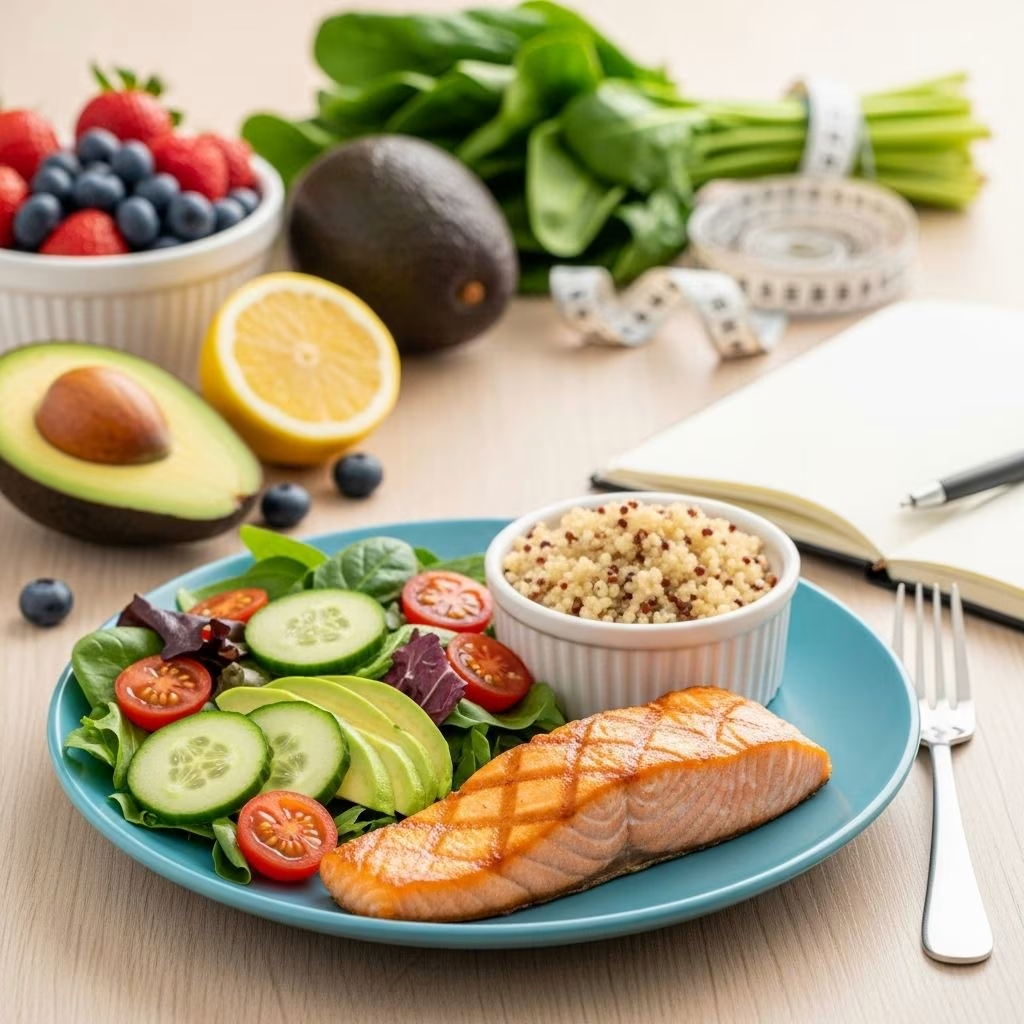
The Flat Belly Diet: Overview and Foundations
The Flat Belly Diet is a nutrition plan that promises targeted belly fat reduction by focusing on meal timing, calorie control, and the inclusion of healthy fats known as MUFAs (monounsaturated fatty acids) at every meal. Developed by Liz Vaccariello and Cynthia Sass, MPH, RD, the diet gained popularity for its structured approach, simple rules, and effective results.
- Four meals daily, each containing around 400 calories.
- MUFAs included at every meal—these are healthy fats found in foods like olive oil, nuts, avocados, and seeds.
- Never go more than 4 hours without eating, which helps regulate blood sugar and prevent overeating.
- The plan claims up to 15 pounds weight loss in 32 days for adherents.
Flat Belly Diet Phases: Step-by-Step
The program consists of two phases: a four-day anti-bloat jumpstart followed by a four-week Mediterranean-inspired regimen.
Phase One: Four-Day Anti-Bloat Jumpstart
- Calorie intake: 1,200 calories per day, split into four meals.
- Bloating reduction: Emphasis on avoiding high-sodium foods, processed products, and common gas-inducing vegetables like beans, broccoli, and onions.
- Carbs: Restriction of foods such as pasta, bread, bagels, and bananas.
- Sassy Water: Required hydration with a blend of water, ginger root, cucumber, lemon, and mint leaves—this aids digestion and reduces bloating.
Phase Two: Four-Week Core Program
- Calorie intake: 1,600 calories per day (four 400-calorie meals).
- MUFAs at every meal: Olive oil, almonds, avocados, and seeds, to fuel metabolism and control hunger.
- Structured eating: No more than 4 hours between meals.
- Foods emphasized: Fruits, vegetables, legumes, whole grains, fish, nuts.
- Foods avoided: Sugary drinks, sodas, artificial sweeteners, deep-fried foods, high amounts of carbs.
Flat Belly Diet Principles
- Eat fat, lose fat: By carefully choosing healthy, plant-based fats, the diet encourages weight loss without deprivation.
- Control portions: Portion sizes are strictly controlled to maintain the 400-calorie-per-meal guideline.
- Bloat reduction: Initial phase focuses on eliminating sources of water and gas retention.
- Steady eating pattern: Avoiding long gaps between meals helps reduce the tendency to overeat.
What to Eat: Core Food Groups
| Food Group | Examples | Benefits |
|---|---|---|
| MUFAs (Monounsaturated Fats) | Olive oil, nuts, seeds, avocados, dark chocolate | Promote satiety, support heart health |
| Whole Grains | Whole wheat bread, brown rice, oats, quinoa | Fiber for digestion, sustained energy |
| Lean Proteins | Chicken, turkey, fish, legumes | Build muscle, increase fullness |
| Fruits & Vegetables | Berries, apples, carrots, tomatoes, leafy greens | Vitamins, minerals, antioxidants |
Foods and Drinks to Avoid
- Added sodium
- Processed foods
- Gas-inducing vegetables (e.g., beans, broccoli, onions—during jumpstart phase)
- Excess carbohydrates (pasta, bagels, bananas—during jumpstart phase)
- Fizzy or sugary drinks, sodas, artificial sweeteners
- Deep-fried foods and foods high in unhealthy fats
Sample Flat Belly Diet Meal Plan
The following sample meal plan demonstrates how to structure your day with MUFA-rich dishes and controlled calories:
Day 1 Sample Menu
- Breakfast: Banana Split Oatmeal
1/2 cup dry oats cooked; topped with microwaved strawberries, banana slices, semisweet chocolate chips, and almonds.
Calories: 359 - Lunch: Mediterranean Sandwich
Sesame whole wheat bread, black olive tapenade, turkey, red onion, tomato, romaine lettuce. Served with banana.
Calories: 400 - Dinner: Ricotta Calzone
Nonfat ricotta, sun-dried tomatoes, extra virgin olive oil, garlic, basil, stuffed into pita, broiled, served with marinara sauce.
Calories: 436 - Snack: Hummus Dip
Red bell pepper slices dipped in hummus, topped with pine nuts.
Calories: 353
Day 4 Sample Menu
- Breakfast: Apple Pie Smoothie
Fat-free milk or soy milk, fat-free vanilla yogurt, apple pie spice, chopped apple, cashew butter, ice. Eat with a spoon.
Calories: 390 - Lunch: Chilled Chicken Pasta
Whole wheat penne, pesto sauce, chicken breast, grape tomatoes, shredded carrots, Italian cheese blend.
Calories: 388 - Dinner: Mexicali Salad
Baby greens, refried beans with chiles, sweet corn, salsa, avocado, red onion.
Calories: (see full plan)
Flat Belly Diet Approved Recipes
- Banana Split Oatmeal: Old-fashioned oats with strawberries, banana, semisweet chocolate chips, and almonds.
- Mediterranean Sandwich: Whole wheat bread and olive tapenade paired with turkey, onion, tomato, and leafy greens.
- Ricotta Calzone: Nonfat ricotta with sun-dried tomatoes and olive oil, stuffed into pita, broiled and served with marinara.
- Apple Pie Smoothie: Blend low-fat yogurt, apples, spices, and cashew butter for a creamy, MUFA-rich drink.
- Chilled Chicken Pasta: Cold pasta with pesto, chicken, tomatoes, carrots, and cheese for a satisfying, balanced lunch.
- Mexicali Salad: Layer mixed greens with beans, corn, salsa, avocado, and onion.
- Hummus Dip Snack: Bell peppers with hummus and pine nuts for a crunchy, MUFA-rich snack.
Practical Tips for Success on the Flat Belly Diet
- Plan ahead: Meal prepping helps maintain the 400-calorie guideline and ensures MUFA inclusion.
- Mind sodium: Choose fresh, unprocessed foods and avoid adding salt during both phases.
- Portion control: Use measuring cups and kitchen scales to keep portions accurate.
- Stay hydrated: Make “sassy water” for the first phase; continue regular water intake throughout.
- Watch beverage choices: Avoid sugary and fizzy drinks; opt for herbal teas or infused water.
- Listen to your body: Eat every four hours, but adjust snack timing if you’re not hungry; don’t force food.
- Flexibility in substitutions: Vegetarian, vegan, and gluten-free adaptations are included in the plan.
Dietary Restrictions and Preferences
- Vegetarian and vegan options: Substitute plant proteins and MUFA sources such as nut butters, avocado, and seeds.
- Low-salt variations: Avoid processed foods and use herbs and spices for flavor enhancement.
- Low-fat concerns: The focus is on healthy fats; keep portion sizes reasonable for calorie control.
Flat Belly Diet and Exercise
While regular physical activity is not a requirement of the diet, the official book recommends incorporating a “flat belly workout” to optimize results. Exercise options include brisk walking, strength training, and core-focused routines, which can complement the dietary steps to accelerate belly fat reduction.
Frequently Asked Questions (FAQs)
Q: Is the Flat Belly Diet safe for everyone?
Most healthy adults can follow the diet, but those with medical conditions should consult a doctor, especially individuals needing higher or lower calorie intakes.
Q: Can I drink coffee or tea?
Highly caffeinated drinks are discouraged, especially during the anti-bloat phase. Herbal teas are preferred.
Q: How quickly can I expect results?
Many report noticeable changes in bloating within 4 days, and the program claims 15 pounds lost in 32 days with strict adherence.
Q: What are the best MUFA sources?
Olive oil, almonds, avocados, sunflower seeds, and dark chocolate are highly recommended for each meal.
Q: Can I adapt the plan for gluten-free or vegan needs?
Yes. Use gluten-free whole grains and substitute plant-based proteins and fats.
Expert Guidance and Considerations
- Level of effort: The first four days require strict attention to avoid bloating; the following phase is more flexible but demands meal planning.
- Shopping and cooking: Recipes are straightforward, with suggested substitutions for dietary preferences.
- Packaging and branded foods: Not required but permitted if they fit nutritional guidelines.
- Support: No in-person or meeting requirements. Most support comes from the book and online resources.
Conclusion: Is the Flat Belly Diet Right for You?
The Flat Belly Diet offers a science-based approach to losing belly fat by combining meal timing, healthy fats, and portion control. For those willing to invest some effort into planning and recipe prep, the program provides balanced nutrition, flexible food choices, and real results. Its emphasis on MUFAs, whole foods, and hydration sets it apart from extreme or fad diets, making it a sustainable option for many people seeking abdominal weight loss.
References
- https://www.prevention.com/weight-loss/diets/a20477494/flat-belly-diet-recipes-73/
- https://www.webmd.com/diet/belly-fat-diet
- https://www.emedicinehealth.com/what_can_you_eat_on_the_flat_belly_diet/article_em.htm
- https://www.rush.edu/news/losing-belly-fat
- https://www.healthline.com/nutrition/get-a-flat-stomach
- https://reverse.health/blog/flat-stomach-diet-plan-women


