


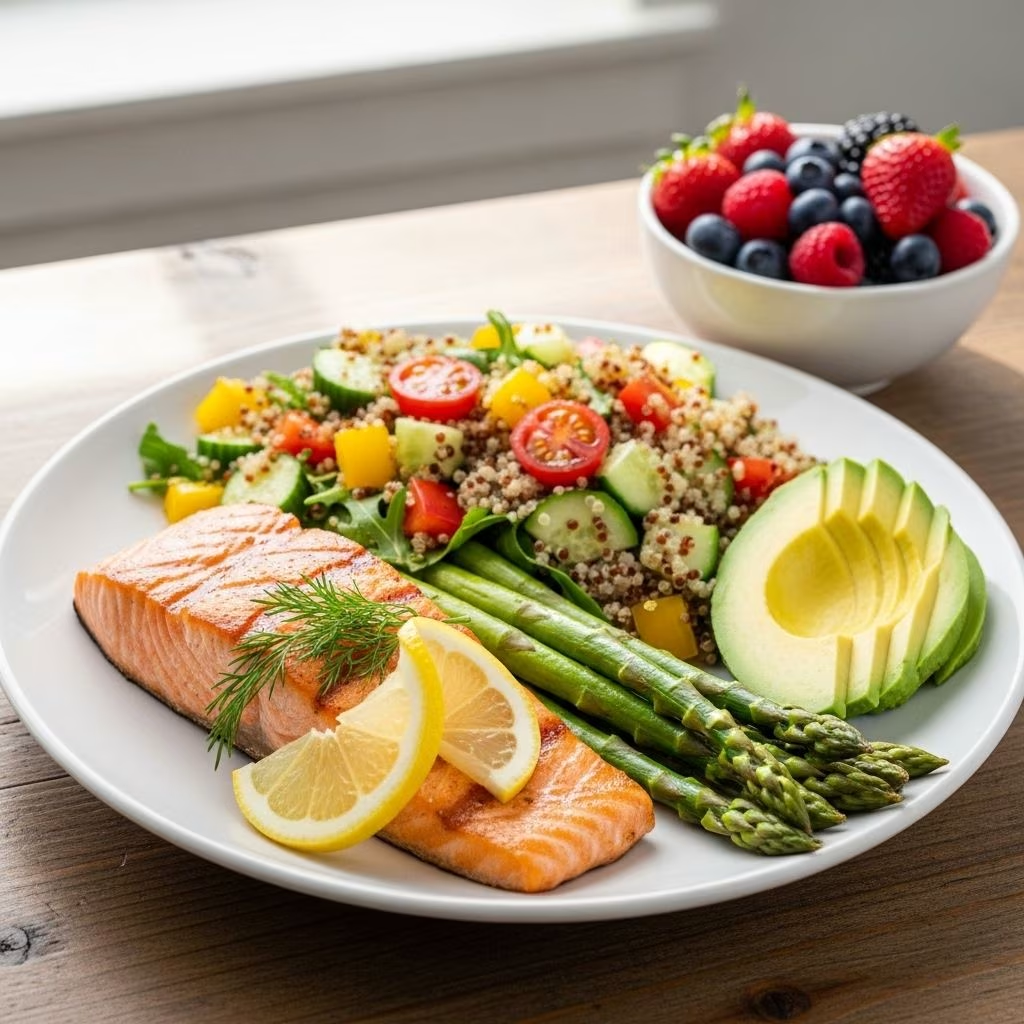
Flatten Your Belly: The Ultimate Meal Plan for Sustainable Weight Loss
Struggling with stubborn belly fat is a common concern—but with the right nutrition strategy, flattening your belly is entirely achievable. This comprehensive guide offers an evidence-based meal plan, focused on monounsaturated fatty acids (MUFAs), strategic calorie management, and smart eating habits that promote weight loss, reduce bloating, and enhance overall health. If you’re committed to a healthier lifestyle and a trimmer midsection, this plan blends practicality, science, and delicious food choices to help you reach your goals.
Understanding Belly Fat: Why Focus on Your Midsection?
Belly fat isn’t merely a cosmetic concern but is also linked to increased risks for heart disease, type 2 diabetes, and other chronic illnesses. Visceral fat—the fat stored around abdominal organs—is particularly harmful. Research shows that targeted dietary approaches can efficiently help minimize this dangerous fat.
The Flat Belly Meal Plan is designed to reduce bloating, decrease overall calorie intake, and prioritize nutrients that support fat loss specifically from the waistline, all while being satisfying and easy to follow long-term.
How the Flat Belly Meal Plan Works
This plan is built on two phases:
- Phase 1: A 4-day “anti-bloat” phase to decrease water retention, ease digestion, and kickstart fat loss with a specific set of food rules and calorie limits.
- Phase 2: A 28-day, Mediterranean-inspired diet centered on healthy fats, plenty of produce, and moderate calories, making it sustainable and heart-healthy.
Each meal and snack features foods rich in monounsaturated fatty acids (MUFAs). These healthy plant-based fats, found in nuts, seeds, avocados, olives, and certain oils, have been shown to help reduce belly fat and improve cardiovascular health.
Phase 1: The 4-Day Anti-Bloat Jumpstart
The first phase is all about rapid de-bloating. Focus on clean, unprocessed foods and steer clear of ingredients that cause water retention and gas.
Daily Structure
- Calories: Approx. 1,200/day
- Eat four small meals (roughly 300 calories each)
- Drink at least two liters of “Sassy Water” daily (a refreshing infusion that helps fight bloat)
Foods to Include:
- Lean proteins (e.g., chicken breast, fish)
- Non-gassy vegetables (e.g., leafy greens, carrots, bell peppers)
- Low-sugar fruits (berries, citrus)
- Herbs and spices (ginger, mint, turmeric)
Foods to Avoid:
- Processed foods and added salt
- Pasta, bread, bagels, and most starchy carbs
- Beans, onions, cabbage, broccoli, bananas (gas-producing)
- Coffee, tea, carbonated, and alcoholic drinks
“Sassy Water” Recipe
Combine:
- 2 liters water
- 1 teaspoon freshly grated ginger
- 1 medium cucumber, sliced
- 1 lemon, sliced
- 10-12 mint leaves
Liberally sip throughout the day—it’s hydrating and helps alleviate bloat.
Phase 2: The 28-Day MUFA-Rich Eating Plan
Over the next four weeks, shift to a balanced, 1,600-calorie-a-day plan for women (men can add 400 additional calories/day). Each meal or snack is built around a source of MUFAs, combined with produce, whole grains, and lean protein to keep you full and energized.
Key Rules
- Eat four 400-calorie meals daily—three main meals and one snack
- Include a MUFA-rich food with EVERY meal and snack
- Never go longer than four hours between eating
- Avoid drinks that could cause bloating: coffee, tea, soda, alcohol
- Continue to drink lots of water throughout the day
Allowed Foods:
- Whole grains (quinoa, barley, brown rice, whole wheat toast)
- Fruits (berries, apples, oranges, melon)
- Vegetables (leafy greens, peppers, carrots, zucchini, tomatoes)
- Lean proteins (poultry, fish, tofu, eggs)
- Dairy (low-fat or nonfat yogurt, cheese, milk in moderation)
- Healthy plant oils and spreads (olive oil, canola oil, nut butters, avocado)
Foods and Habits to Avoid:
- Sugar-sweetened or carbonated beverages
- Refined carbs (white bread, pastries)
- Excess sodium and pre-packaged meals
- Skipping meals or eating irregularly
7-Day Sample Menu
Below is a sample one-week flat belly meal plan, highlighting the variety, balance, and delicious flavors you can enjoy on this program. Each meal (including snacks) incorporates a MUFA source for optimal belly fat reduction.
| Day | Breakfast | Lunch | Snack | Dinner |
|---|---|---|---|---|
| Monday | Banana Split Oatmeal: – Oats, strawberries, banana, dark chocolate chips, almonds | Mediterranean Sandwich: – Sesame whole wheat bread, black olive tapenade, turkey, tomato, lettuce | Almonds & Semi-sweet Chocolate chips | Ricotta Calzone: – Whole grain pita, ricotta, sun-dried tomatoes, olive oil, basil — with marinara |
| Tuesday | Avocado Toast: – Whole wheat toast, mashed avocado, cherry tomatoes, poached egg | Chicken & Avocado Salad: – Greens, grilled chicken, avocado, sunflower seeds, vinaigrette | Apple Slices with Peanut Butter | Stir-Fried Shrimp: – Brown rice, bell peppers, edamame, cashew nuts, olive oil |
| Wednesday | Greek Yogurt Parfait: – Low-fat yogurt, berries, flaxseed, walnuts | Tuna Wrap: – Whole grain wrap, light tuna, spinach, olive oil, red onions | Carrot Sticks & Hummus | Baked Salmon: – Quinoa, asparagus, lemon, sliced almonds |
| Thursday | Berry Smoothie: – Blueberries, banana, almond butter, spinach, unsweetened almond milk | Lentil Soup: – Lentils, diced carrot, celery, olive oil, parsley — with whole grain bread | Trail Mix: – Pumpkin seeds, dried cranberries, dark chocolate chips | Ezekiel Pizza: – Sprouted grain crust, tomato sauce, mozzarella, olives, basil |
| Friday | Peanut Butter Banana Wrap: – Whole grain tortilla, peanut butter, banana, honey drizzle | Chickpea & Quinoa Bowl: – Chickpeas, quinoa, roasted veggies, tahini dressing | Grapes & Pistachios | Turkey Stir-Fry: – Lean ground turkey, broccoli, brown rice, sesame oil |
| Saturday | Egg White Omelet: – Egg whites, spinach, feta, diced tomatoes, avocado slices | Grilled Veggie Sandwich: – Whole wheat bun, grilled zucchini, red peppers, hummus | Orange Slices & Walnuts | Lemon Garlic Chicken: – Chicken breast, lemon, olive oil, quinoa salad |
| Sunday | Cottage Cheese Bowl: – Low-fat cottage cheese, pineapple chunks, sunflower seeds | Salmon Nicoise Salad: – Salmon, greens, olives, potatoes, hard boiled egg, olive oil | Dark Chocolate & Almonds | Asian Chicken Stir-Fry: – Chicken, mixed veggies, cashews, soba noodles |
Portion control is crucial; aim for balance and variety, and swap similar foods to keep things fresh and enjoyable.
Tips for Maximum Results
- Stick to regular meal times and avoid skipping meals.
- Emphasize hydration—sipping water throughout the day curbs hunger and reduces bloating.
- Prepare meals ahead of time to prevent reaching for unhealthy options.
- Be mindful of salt and processed food intake to keep bloating minimized.
- Pair your diet with regular, moderate-intensity exercise like brisk walking, strength training, or yoga for even better results.
- Prioritize fiber-rich foods for healthy digestion and greater satiety.
Top Foods Rich in Monounsaturated Fats (MUFAs)
- Avocado
- Olive oil and olives
- Nuts: almonds, cashews, peanuts, pistachios
- Seeds: pumpkin, sunflower, flaxseed
- Dark chocolate (in moderation)
- Nut butters: almond, peanut, sunflower seed
- Canola, safflower, and other cold-pressed oils
Frequently Asked Questions (FAQs)
Q: Can I really lose belly fat without exercise on this plan?
A: Many people experience visible results from this meal plan alone, as it restricts calories, eliminates bloat-causing foods, and emphasizes MUFAs. However, combining the plan with regular exercise accelerates and sustains fat loss, and is recommended for optimal health benefits.
Q: Is coffee or tea allowed?
A: Both phases restrict coffee, tea, and caffeinated beverages, as they may contribute to bloating and interfere with hydration. For best results, stick to water or herbal infusions like “Sassy Water.” After the first month, you may reintroduce moderate amounts if tolerated.
Q: What if I’m vegetarian or vegan?
A: This plan is highly adaptable! Replace animal proteins with plant-based sources like tofu, tempeh, beans (after phase one), or lentils. Prioritize nuts, seeds, avocados, and plant oils for your MUFA source at each meal.
Q: Can I follow the plan if I have food allergies?
A: Absolutely. Simply substitute MUFA-rich foods that fit your dietary needs. For example, if you have nut allergies, use olive oil or avocado as your go-to fat sources.
Q: Is the Flat Belly Meal Plan safe long-term?
A: While the 4-day phase is short-term and somewhat restrictive, the 28-day plan aligns closely with a Mediterranean diet and is safe for extended use. Always consult your healthcare provider before beginning any calorie-restricted diet, especially if you have underlying conditions.
Final Thoughts
Flattening your belly takes time, consistency, and an approach that nourishes your body rather than depriving it. By focusing on whole foods, managing calories, and prioritizing healthy fats, you can achieve a trimmer waist, improved health markers, and sustainable results. Remember, it’s not just about the number on the scale—this is an invitation to a happier, healthier you.
References
- https://sipipa.com/blog/flat-belly-diet/
- https://www.prevention.com/weight-loss/diets/a20477494/flat-belly-diet-recipes-73/
- https://www.mymlc.com/health-information/faqs/f/flat-belly-diet-can-it-help-you-lose-weight/
- https://www.emedicinehealth.com/what_can_you_eat_on_the_flat_belly_diet/article_em.htm
- https://www.prevention.com/weight-loss/diets/a20475826/5-minute-flat-belly-meals/
- https://www.youtube.com/watch?v=6_rk7VOX_LA
- https://miniers.com/health_wellness/articles/277/flat-belly-diet-qa


