


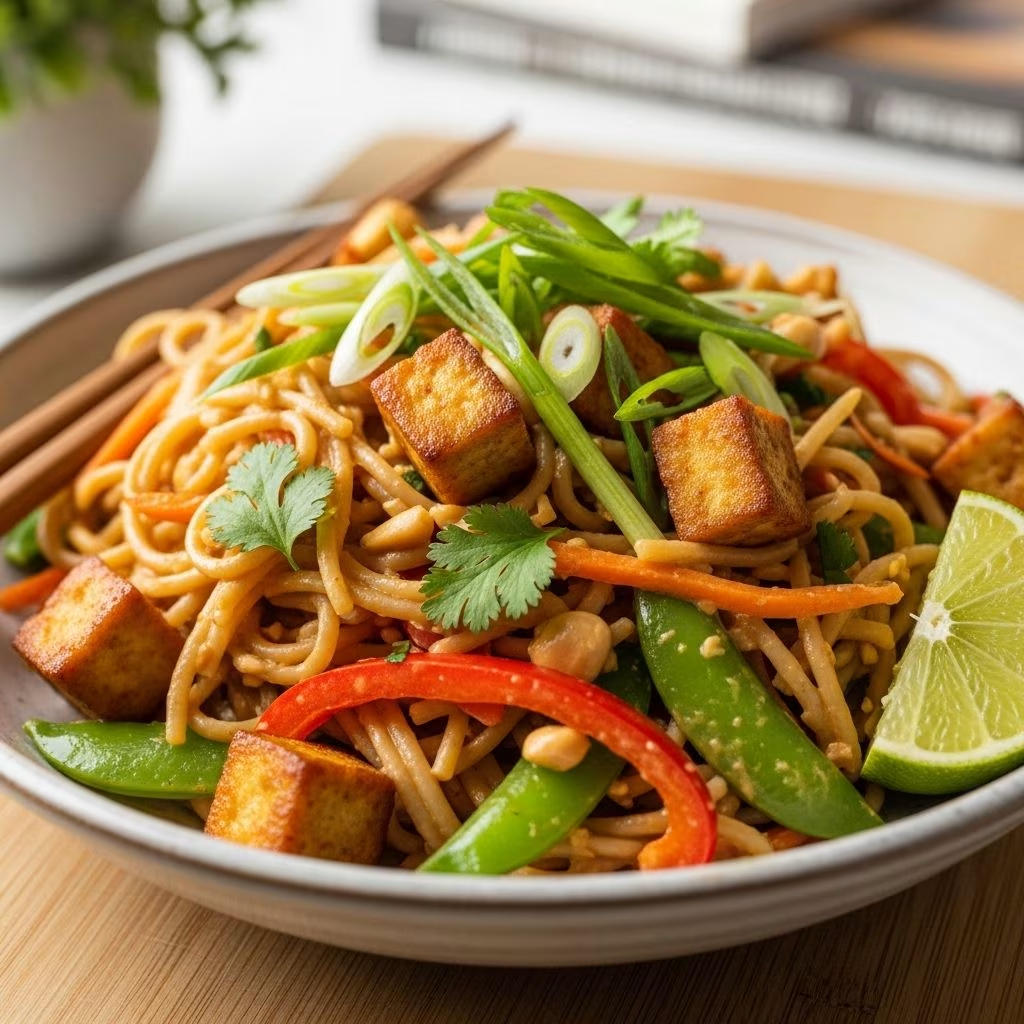
Flat Belly Diet: Peanut Noodles with Tofu
Seeking a healthy, flavor-packed meal to support your flat belly goals? This peanut noodles with tofu recipe offers balanced nutrition, plant-based protein, and a creamy, savory sauce to satisfy your cravings while helping you stay on track.
Why Choose Peanut Noodles with Tofu for a Flat Belly?
This dish combines high-protein tofu, fiber-rich whole grain noodles or rice noodles, and a healthy peanut sauce for a hearty yet wholesome meal. Healthy fats from peanuts and balanced carbs ensure sustained energy and satisfaction, while the inclusion of vegetables adds antioxidants and bulk to keep you full without excess calories.
- Plant-based protein keeps you fuller for longer and supports muscle maintenance.
- Healthy fats from peanuts promote satiety and absorption of essential nutrients.
- Colorful veggies boost fiber intake and micronutrient density.
- Complex carbs offer steady energy and minimize blood sugar spikes.
Peanut Noodles with Tofu: Ingredients and Substitutions
Main Components
- Noodles: Use whole grain noodles, brown rice noodles, or soba for added fiber. Gluten-free options like rice noodles are perfect for those with sensitivities.
- Tofu: Extra-firm or firm tofu provides the best texture when cooked. Pressing tofu before cooking removes excess water for a crispier bite.
- Vegetables: Classic choices include cabbage, carrots, bell peppers, and bean sprouts. Feel free to substitute or add broccoli, snap peas, or mushrooms for variety.
- Peanut Sauce: Creamy unsweetened peanut butter, reduced-sodium soy sauce (or tamari for gluten-free), rice vinegar, and a touch of sweetness (such as honey or maple syrup) combine for a rich, tangy sauce.
- Flavor Enhancers: Garlic, ginger, green onions, and a sprinkle of roasted peanuts add extra depth and crunch.
Complete Ingredient List
| Ingredient | Amount | Notes |
|---|---|---|
| Noodles (whole wheat, rice, or soba) | 8 oz (225g) | Gluten-free if needed |
| Extra firm tofu | 14-16 oz (400g) | Pressed and cubed |
| Carrot | 1 medium, julienned | Other veggies optional |
| Bell pepper | 1, sliced | Any color works |
| Cabbage | 2–3 cups, shredded | |
| Bean sprouts | 1 cup | Optional, for crunch |
| Green onions | 2–3, sliced | |
| Garlic | 2–3 cloves, minced | |
| Ginger | 1 tsp, grated | Optional |
| Peanut butter | 1/3 cup (80g) | Smooth or crunchy |
| Soy sauce | 3 tbsp (45ml) | Low sodium, or tamari |
| Rice vinegar | 1.5 tbsp (22ml) | |
| Honey or maple syrup | 1.5 tbsp (22ml) | Adjust to taste |
| Sesame oil | 2 tsp (10ml) | For aroma |
| Chili powder or Sriracha | 1 tsp (5ml) or to taste | Optional, for heat |
| Roasted peanuts | 2 tbsp, chopped | For garnish |
| Cornstarch | 1 tbsp (for tofu) | To crisp tofu during baking/frying |
| Salt and pepper | To taste |
Step-By-Step Instructions: How to Make Peanut Noodles with Tofu
- Prep the Tofu: Drain, press, and pat tofu dry. Cut into cubes. Toss with a little cornstarch, salt, and pepper for extra crispy texture. Either bake at 375°F (190°C) for 20–25 minutes until golden, or pan-fry over medium-high heat until crisp on all sides.
- Soak or Cook the Noodles: Prepare noodles according to the package. For rice noodles, soak in hot water; for wheat or soba noodles, boil in salted water. Drain and rinse with cold water to stop the cooking process and prevent stickiness.
- Sauté the Aromatics: In a large nonstick pan or wok, heat a splash of sesame oil. Add minced garlic and ginger, sautéing until fragrant but not browned.
- Stir-Fry the Veggies: Add carrots, bell peppers, and cabbage. Stir-fry for 3–4 minutes until just tender. Add bean sprouts and green onions, saving a handful for garnish if desired.
- Whisk the Peanut Sauce: In a bowl, whisk together peanut butter, soy sauce, rice vinegar, sweetener, and chili sauce (if using). Thin the sauce with a few spoonfuls of warm water until it’s pourable and smooth.
- Combine Everything: Add noodles and tofu to the pan of veggies. Pour over the peanut sauce and toss everything together over low heat until evenly coated and heated through. Taste and adjust seasoning (add more soy sauce, vinegar, or chili as needed).
- Serve: Divide among bowls, topping each portion with roasted peanuts and fresh green onions. Drizzle with extra Sriracha or a squeeze of lime if desired.
Quick Tips for Success
- For the best texture, always press and dry your tofu thoroughly before cooking.
- Crispy tofu is easiest to achieve with cornstarch and high heat, whether baking or frying.
- Customize vegetables freely based on what’s in season or your personal taste preferences.
- If sauce thickens too much before serving, add a splash of hot water and toss again.
- Leftovers can be enjoyed chilled or reheated gently; add a bit of water to refresh the sauce.
Nutritional Benefits and Flat Belly Diet Principles
This recipe perfectly aligns with the Flat Belly Diet philosophy, focused on promoting MUFAs (monounsaturated fatty acids), fiber, and lean plant-based protein. The recipe’s abundant vegetables add micronutrients and bulk, making you feel fuller with fewer calories.
- Calories: About 450–550 per serving, depending on noodle type and toppings.
- Protein: 18–22g per serving from tofu and peanuts.
- Fiber: 7–10g per serving, especially when using whole grain or brown rice noodles and extra vegetables.
- Healthy fats: Peanuts and tofu deliver heart-healthy monounsaturated fats.
- Gluten-free and vegan if you use gluten-free noodles and tamari instead of soy sauce.
Why MUFAs Matter for Belly Fat
MUFAs (found in peanuts and peanut butter) have been shown to help reduce waist circumference and improve metabolic health. Including one MUFA-rich meal per day is a core tenet of the Flat Belly Diet. This dish makes it simple and delicious to meet that goal.
Make It Your Way: Customization Ideas
- Spicy Peanut Noodles: Add a spoonful of Sriracha or chili garlic paste to the sauce for extra heat.
- Low-Carb Version: Use spiralized zucchini noodles (zoodles) or shirataki noodles for fewer carbs and calories.
- More Protein: Add edamame or double the tofu for a higher-protein meal.
- Different Vegetables: Try mushrooms, bok choy, snap peas, or broccoli florets based on preference or availability.
- Nut-Free: Substitute sunflower seed butter for peanut butter and omit peanut garnish.
Table: Quick Reference for Ingredient Swaps
| Original Ingredient | Swap Option | Dietary Need Met |
|---|---|---|
| Rice noodles | Soba, whole wheat, or zoodles | Gluten-free, low carb |
| Soy sauce | Tamari or coconut aminos | Gluten-free, soy-free |
| Peanut butter | Almond, cashew, or seed butter | Nut allergy, different MUFAs |
| Tofu | Tempeh or vegan chick’n | Soy-free, higher protein |
| Honey/maple syrup | Agave or date syrup | Vegan |
Meal Prep and Storage
- Prep ahead: Cook the noodles, tofu, and prep the veggies up to 2 days in advance. Store in separate airtight containers in the refrigerator.
- Sauce storage: Peanut sauce keeps well in a sealed jar in the fridge for 5–6 days. Stir before using and thin with a splash of water if needed.
- Combine before serving: Toss all components together just before eating to maintain the best texture and flavor.
- Leftovers: Store assembled noodles up to 2 days. Reheat in a skillet with a bit of water, or enjoy cold as a noodle salad.
Flat Belly Diet Tips: Maximizing the Benefits of This Meal
- Practice portion control: Use a medium bowl for serving, filling it primarily with noodles and vegetables, and limiting sauce to keep calories in check.
- Balance your plate: Aim for half vegetables, a quarter noodles, and a quarter protein (tofu).
- Stay hydrated: Fiber-rich meals like this work best when you drink plenty of water throughout the day.
- Include fermented or raw veggies, like kimchi or a fresh salad, on the side to further boost digestion.
Frequently Asked Questions (FAQs)
Q: Can I make this recipe gluten-free?
A: Yes. Choose rice noodles or gluten-free soba and substitute tamari for soy sauce.
Q: What kind of tofu is best?
A: Extra-firm or firm tofu is recommended for best texture and ability to hold its shape during cooking.
Q: Is there a nut-free alternative?
A: Use sunflower seed butter in the sauce and sprinkle with roasted seeds instead of peanuts.
Q: Can I prepare this recipe in advance?
A: Absolutely. Prepare all components and store them separately. Combine and toss with sauce just before serving for optimal texture.
Q: How long does the peanut sauce last?
A: The sauce stays fresh in an airtight container in the fridge for up to 5–6 days.
Expert Tips for the Perfect Flat Belly Peanut Noodles with Tofu
- Always press tofu well to get the crispiest results, whether baking or frying.
- Prep veggies ahead for convenience; this is a perfect meal for busy weeknights or batching lunches.
- Add a dash of lime juice or rice vinegar before serving for a bright, fresh finish.
- For extra flavor, sprinkle with toasted sesame seeds or a handful of chopped cilantro before serving.
- Sneak in more fiber by doubling the vegetables or using spiralized veggies as part of the noodle base.
Final Thoughts: Eat Well, Feel Great
This peanut noodles with tofu recipe exemplifies how easy and delicious healthy eating can be when following the Flat Belly Diet. With balanced macronutrients and a wealth of customization options, it’s a versatile staple for anyone seeking weight loss or simple wellness-focused meals. Enjoy the process of nourishing your body—one flavorful bowl at a time.
References
- https://www.ellielikes.cooking/peanut-noodles-with-tofu/
- https://glow-diaries.com/peanut-noodles/
- https://www.myplantifulcooking.com/vegan-peanut-noodles-with-crispy-tofu/
- https://www.thehealthyhomecook.com/easy-peanut-noodles-with-tofu/
- https://www.prevention.com/weight-loss/diets/a20435739/flat-belly-diet-recipe-peanut-noodles-with-tofu/
- https://veggiesociety.com/vegan-peanut-noodles-recipe/
- https://www.whitneyerd.com/2018/11/thai-peanut-tofu-noodles-tofu-cooking-tips.html


