


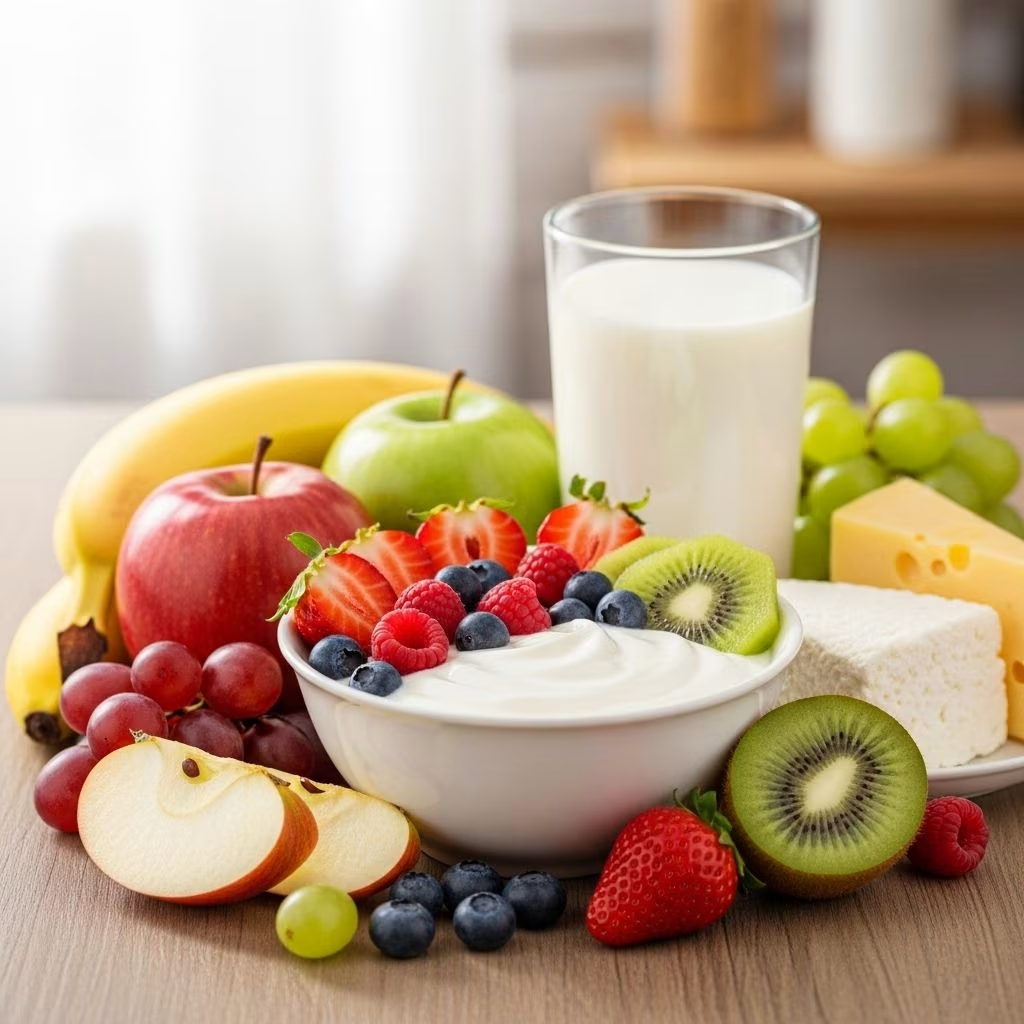
Fruit and Dairy: The Powerful Duo for Weight Loss and Health
Embracing a healthier lifestyle often begins with what you put on your plate. Among the many dietary recommendations, increasing your intake of fruit and dairy stands out—not just for general wellness, but specifically for weight loss and fat reduction. Let’s explore the science behind how these key foods can change the way your body stores fat, helps you feel fuller, and ultimately assists you in reaching your health and weight loss goals.
Fiber Up to Slim Down: How Fruit Supports Weight Loss
Creating a diet high in fruit isn’t just about sweetness and vitamins—it’s a strategic choice for managing your weight, thanks to one powerful nutrient: fiber.
- In a 12-week study of overweight women, those who ate three pears or apples daily lost 30% more weight compared to women who ate a similar diet but without the added fruit.
- Fruit is naturally low in calories yet high in fiber, making it easier to control appetite without going hungry.
- Eating more fiber-rich fruit can help you feel fuller for longer, leading to fewer total calories consumed throughout the day.
Fiber keeps your digestive system working smoothly and helps regulate blood sugar, both vital for sustainable weight loss.
Why 5 Servings a Day?
The 5 A Day recommendation isn’t arbitrary. Diets rich in a variety of fruit and vegetables are linked to:
- Reduced risk of heart disease, stroke, and certain cancers.
- Improved digestion and a healthier gut, thanks to increased dietary fiber.
- Intake of essential vitamins, minerals, and antioxidants for overall health.
Try to eat at least 400g—or about five 80g servings—of fruit and vegetables daily to unlock maximum benefits.
Moo-ve Over Belly Fat: The Role of Dairy in Fat Loss
Dairy does more than supply calcium—it may also directly influence how your body stores and burns fat.
- Obese individuals who included three servings of fat-free yogurt daily lost 22% more weight, 61% more body fat, and 81% more abdominal fat than those on a similarly calorie-restricted diet without the extra yogurt.
- Dairy intake correlates with lower levels of cortisol, a hormone that encourages belly fat accumulation. Lowering cortisol may help decrease abdominal fat stores.
- Both low-fat and full-fat dairy options can contribute to these benefits. The key is consistency and portion control.
The positive influence of dairy on body fat is especially noticeable when paired with an overall calorie-restricted or balanced diet.
The Science Behind Dairy and Weight Loss
- Large-scale studies confirm that dairy intake slightly reduces fat mass and waist circumference, as well as supports lean muscle gain—especially during periods of energy (calorie) restriction.
- Yogurt consumption is consistently associated with reduced weight gain and a lower risk of becoming overweight or obese.
- Short-term studies show that dairy may boost fat loss, while long-term studies suggest these benefits are best maintained as part of a comprehensive healthy lifestyle.
How Does Dairy Work?
There are several reasons why dairy may promote fat loss and appetite control:
- Calcium may bind to fats in the intestine, making them harder to absorb and increasing fat elimination via the digestive tract.
- Dairy protein helps increase satiety, reducing overall calorie and food intake during meals.
- Milk proteins stimulate satiety hormones, further enhancing appetite regulation.
This means that including dairy in your daily routine may help you naturally reduce calorie intake, preserve muscle during weight loss, and specifically target stubborn abdominal fat.
Practical Tips for Adding More Fruit and Dairy to Your Diet
Adopting a diet rich in fruit and dairy can seem challenging, but with a few simple strategies, you can make the transition easy and delicious.
- Start your day with fruit: Add berries to your breakfast cereal or have a fresh apple on the go.
- Snack smart: Pair Greek yogurt with slices of banana or apple for a protein-and-fiber-rich treat.
- Enjoy a side salad: Include citrus segments or fresh grapes for a sweet twist on greens.
- Choose dairy-based desserts: Opt for a parfait made with low-fat yogurt and fruit instead of ice cream.
- Keep it diverse: Mix fruits—apples, citrus, berries, melon—and try different dairy forms, including milk, cottage cheese, and yogurt.
Beyond Fruit and Dairy: The Bigger Picture of Healthy Eating
While increasing fruit and dairy intake offers clear fat-fighting advantages, lasting weight loss requires attention to your overall dietary pattern.
- Minimize ultra-processed foods: Packaged snacks, sugary drinks, and heavily processed meals can fuel weight gain and undo the benefits of your healthy choices.
- Read ingredient lists: Focus on whole, minimally processed items for meals and snacks.
- Batch-prepare healthy foods: Having pre-cut fruit, plain yogurt, or cooked lean protein on hand makes nutritious eating convenient.
- Balance your plate: Combine fruit and dairy with lean proteins, whole grains, and plenty of vegetables for comprehensive nutrition.
The Nutritional Powerhouses: What Makes Fruit and Dairy So Special?
Let’s examine exactly what you gain from making fruit and dairy a staple in your diet.
| Nutrient/Food | Key Benefits | Best Sources |
|---|---|---|
| Fiber (from fruit) | Promotes satiety, aids digestion, regulates blood sugar, helps weight loss | Apples, pears, berries, citrus fruit |
| Calcium (from dairy) | Supports bone health, may boost fat elimination, essential for muscle contractions | Milk, yogurt, cheese |
| Dairy Protein | Increases satiety, helps maintain lean muscle during weight loss | Greek yogurt, cottage cheese, milk |
| Vitamins and Minerals | Various roles in immune function, energy, cell repair, and metabolism | All fruits and dairy foods |
The Science Behind Appetite, Fat Burn, and Hormonal Health
Fruit and dairy act on your metabolism and appetite not just through nutrients, but by influencing hormones and digestive processes.
- Fruit fiber slows digestion, producing a gentle, steady rise in blood sugar that helps curb hunger and reduce overeating.
- Dairy’s calcium may both increase fat excretion and improve the way your cells use fat for energy, making stored fat more available for burning.
- Cortisol reduction: Eating more dairy may lower levels of cortisol, a stress hormone that causes more fat to accumulate around your belly. Lower cortisol helps your body store less belly fat over time.
Common Myths About Fruit, Dairy, and Weight Loss
There are plenty of misconceptions when it comes to eating fruit and dairy while trying to lose weight. Here’s what science actually says:
- “Fruit is too high in sugar for weight loss”: Whole fruits, thanks to their fiber and water, are not linked to weight gain and can actually promote healthy weight loss when eaten in moderation.
- “Dairy causes weight gain”: Studies suggest that incorporating moderate servings of dairy, especially yogurt, can help reduce body fat when part of a balanced diet.
- “Only low-fat dairy works”: Both full-fat and low-fat versions have benefits, but portion control and overall calorie intake remain important factors.
How to Get Your 5 A Day: Simple Steps
- Include fruit in every meal: sliced on cereal, blended into smoothies, or as a snack.
- Choose whole fruit over juice to maximize fiber and fullness.
- Add fresh, frozen, or canned fruit (without added sugar) to your shopping list for convenience.
- Combine dairy with fruit for snacks (e.g., yogurt parfait, cottage cheese with pineapple).
- Remember, potatoes and similar starchy roots don’t count as part of the five servings—they are primarily starch sources.
Expert Tips for Sticking with a Fruit and Dairy-Rich Diet
- Shop the perimeter of grocery stores where fresh produce and dairy are usually found, to focus on healthy, whole-food choices.
- Keep a visible bowl of fresh fruit at home as a reminder for healthy snacking.
- Buy plain, unsweetened yogurt and add your own fruit to control added sugars.
- Experiment with new varieties of fruit and dairy (such as kefir or ricotta cheese) for dietary diversity and enjoyment.
- Batch-prep snack packs of cut fruit, or single-serve containers of yogurt for grab-and-go options.
Frequently Asked Questions (FAQs)
Q: How much fruit and dairy should I eat daily for weight loss?
A: Aim for at least five servings of fruit and vegetables each day, with two to three servings of dairy. Adjust based on your calorie needs, activity level, and health goals.
Q: Is it better to eat full-fat or low-fat dairy?
A: Both options offer benefits—low-fat dairy is lower in calories, while full-fat dairy may enhance satiety. The best choice depends on your individual health needs and preferences.
Q: Do dried or frozen fruits count toward my “five a day”?
A: Yes, all fresh, frozen, canned (unsweetened), or dried (unsweetened) fruits count, but watch portion sizes for dried fruit which are more calorie-dense.
Q: Can increasing fruit and dairy really help reduce belly fat?
A: Studies suggest higher dairy and fruit intake, particularly high-fiber fruit and yogurt, can promote overall and belly fat loss, especially alongside a healthy diet and active lifestyle.
Q: What should I look for when choosing yogurt?
A: Choose unsweetened or low sugar varieties with live and active cultures. Greek yogurt and skyr are good high-protein options.
Conclusion: The Simple Power of Fruit and Dairy
Weight loss, improved energy, and lasting health don’t require extreme diets. Filling your days with abundant fruit and dairy provides the fiber, protein, and nutrients your body needs to shed fat, feel satisfied, and thrive. Pair these foods with a reduction in processed snacks and plenty of vegetables and lean protein for the best results. Small, manageable changes can pave the way for major health rewards that truly last.
References
- https://www.prevention.com/weight-loss/a20451762/diet-fruit-and-dairy/
- https://pmc.ncbi.nlm.nih.gov/articles/PMC4703621/
- https://www.nhs.uk/live-well/eat-well/5-a-day/why-5-a-day/
- https://www.prevention.com/food-nutrition/healthy-eating/a65664887/ultra-processed-foods-weight-loss-gut-health-study/
- https://www.prevention.com/weight-loss/a20427952/diets-and-weight-loss/
- https://www.prevention.com/food-nutrition/healthy-eating/a64297964/healthy-aging-diet-study/
- https://www.prevention.com/weight-loss/diets/a63174975/best-diets-for-weight-loss-2025/
- https://www.prevention.com/food-nutrition/g20498199/foods-you-should-never-eat/
- https://www.ncbi.nlm.nih.gov/books/NBK599612/
- https://www.mayoclinic.org/healthy-lifestyle/nutrition-and-healthy-eating/in-depth/dash-diet/art-20048456


