


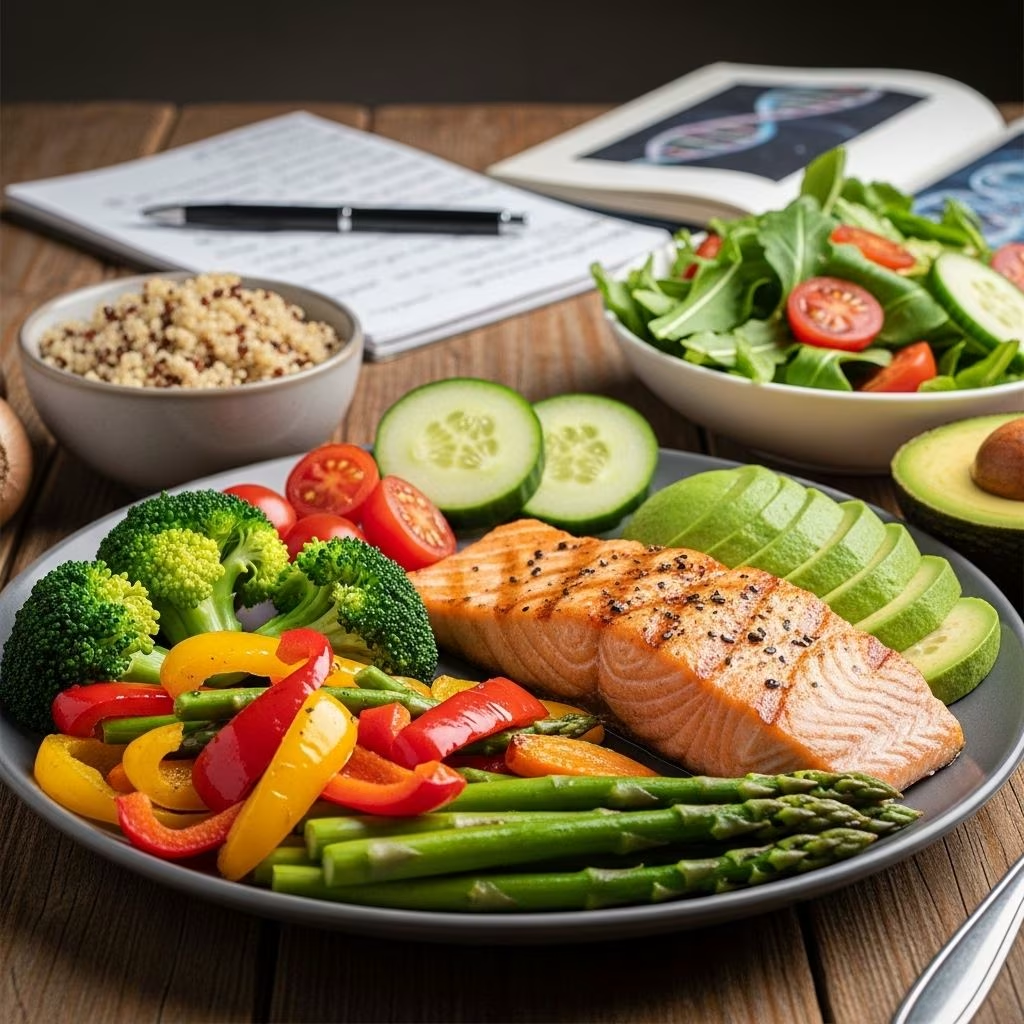
The Galveston Diet is an innovative wellness program specifically designed to help women manage weight gain and boost overall health during perimenopause and menopause. Developed by OB-GYN Dr. Mary Claire Haver, the Galveston Diet targets the unique nutritional and hormonal needs faced by midlife women, focusing on sustainable weight loss, reduced inflammation, and improved metabolic health. This guide provides an in-depth overview of the Galveston Diet, its principles, benefits, challenges, recommended foods, and practical tips to decide if it’s the right approach for your health journey.
Understanding the Galveston Diet: Core Principles
The Galveston Diet stands apart from traditional weight loss plans by tailoring its protocols to address the specific hormonal changes associated with menopause. Its science-driven philosophy centers around three core components:
- Intermittent Fasting
- Anti-Inflammatory Nutrition
- Fuel Refocus (High-Fat, Low-Carb Macros)
Together, these strategies are designed to rebalance hormones, facilitate fat burning, and discourage the chronic inflammation that often underpins metabolic and menopausal symptoms.
1. Intermittent Fasting (16/8 Method)
The Galveston Diet relies heavily on the concept of intermittent fasting, particularly the 16/8 protocol. In practice, this means:
- 16 hours of fasting per day, during which only zero-calorie beverages like water, black coffee, or unsweetened tea are allowed.
- 8 hours of eating, where all daily calories and nutrients are consumed.
This structured eating window may help promote a calorie deficit, support healthy eating patterns, and is linked to benefits like reduced inflammation, improved insulin sensitivity, and lower cardiovascular risk factors.
2. Anti-Inflammatory Focus
A significant pillar of the Galveston Diet is a focus on anti-inflammatory foods. Chronic low-grade inflammation is increasingly recognized as a driving factor behind metabolic decline, weight gain, and a variety of illnesses during midlife.
The diet encourages eating abundant:
- Fresh fruits and colorful vegetables
- Whole grains (with an emphasis on those low in added sugars and higher in fiber)
- Legumes and pulses
- Lean protein sources (fish, poultry, tofu)
- Healthy unsaturated fats (avocado, olive oil, nuts, seeds)
Conversely, it strongly discourages ultra-processed foods and added sugars, both of which are well-known contributors to inflammation and metabolic disruption.
3. Fuel Refocus: Switching to a High-Fat, Low-Carb Approach
The Galveston Diet prescribes a distinctive macronutrient breakdown to support fat-burning and hormone balance:
| Stage | Fat (%) | Protein (%) | Carbohydrates (%) |
|---|---|---|---|
| Initial (Weight Loss) | 70 | 20 | 10 |
| Transition | 50 | 20 | 30 |
| Maintenance | 40 | 20 | 40 |
This approach is similar to a ketogenic diet but with a notable emphasis on including anti-inflammatory foods. By minimizing carbs and increasing healthy fats, the body is encouraged to use fat for energy—supporting steady blood sugar and reduced fat storage.
Potential Benefits of the Galveston Diet
- Supports Weight Loss: Especially around the abdomen—a common concern during menopause.
- Reduces Inflammation: Due to nutrient-dense, antioxidant-rich food emphasis.
- No Calorie Counting Required: The program avoids strict tracking, reducing stress around eating.
- May Improve Hormone Balance: By supporting steady insulin and less inflammation, underlying hormone imbalances may be addressed.
- Potential Protection Against Chronic Disease: Healthier food choices may lower risks of diabetes, heart disease, and some cancers.
- Simple, Sustainable Guidelines: Focuses on food quality and meal timing over rigid restriction.
Potential Downsides and Limitations
- May Be Low in Fiber: Due to carbohydrate restriction, adequate fiber intake can be a challenge.
- High in Fat: Those with high cholesterol or certain medical conditions may need to monitor fat intake closely.
- Restrictive for Some: Limiting carbs and processed foods may be difficult to sustain for certain individuals.
- Lack of Extensive Scientific Evidence: While based on sound nutritional principles, there are currently no major clinical trials specifically on the Galveston Diet.
- Can Be Costly: Premium food options and program supplements add up.
Foods to Eat on the Galveston Diet
Emphasize these whole, unprocessed foods for best results:
- Leafy greens (spinach, kale, arugula, chard)
- Cruciferous veggies (broccoli, cauliflower, Brussels sprouts)
- Berries (blueberries, raspberries, blackberries)
- Nuts and seeds (almonds, chia, flaxseed)
- Avocados
- Oily fish (salmon, sardines, trout)
- Olive oil and coconut oil (as main fats)
- Lean meats (turkey, chicken breast, tofu for vegetarians)
- Eggs
- Lentils and legumes (in moderation, watching carb content)
- Herbs and spices for anti-inflammatory and flavor benefits
Foods to Limit or Avoid
- Added sugars (soda, baked goods, candy)
- Refined flours and ultra-processed bread or pasta
- Starchy vegetables (white potatoes, corn) during initial phase
- Processed snacks (chips, cookies, granola bars)
- Fried foods
- Highly processed meats (sausage, hot dogs, deli cold cuts)
- Trans fats and processed oils (margarine, some vegetable oils)
- Sweetened beverages (juices, energy drinks, flavored lattes)
How Is the Galveston Diet Different from Keto and Other Low-Carb Diets?
| Diet | Main Features | Primary Goal | Sample Foods |
|---|---|---|---|
| Galveston Diet | High Fat, Moderate Protein, Low Carb, Intermittent Fasting, Anti-Inflammatory focus | Hormone balance, Menopausal weight loss | Avocado, olive oil, berries, leafy greens |
| Traditional Keto | High Fat, Moderate Protein, Very Low Carb | Rapid fat loss, ketosis | Bacon, butter, cheese, low-carb veggies |
| Mediterranean Diet | Moderate Fat, Higher Carb, Whole Grains | Heart health, longevity | Fish, olive oil, vegetables, legumes, grains |
Unlike strict keto, the Galveston Diet prioritizes plant-based foods, fiber, and anti-inflammatory nutrients, providing a more balanced approach for midlife women.
Sample Daily Meal Plan
- Morning (During Fast): Water, plain black coffee, or unsweetened tea only.
- Midday (First Meal): Spinach omelet cooked with olive oil, side of avocado, and berries.
- Afternoon Snack: Handful of walnuts or almonds, herbal tea.
- Main Meal: Grilled salmon salad with mixed greens, cherry tomatoes, pumpkin seeds, and lemon vinaigrette.
- Evening Snack (Before Fast): Greek yogurt with flaxseed and fresh raspberries.
All meals are packed into the 8-hour eating window. Adjust recipes to reflect seasonal vegetables and preferred protein sources.
Your Path Forward: Is the Galveston Diet Right for You?
While designed to address the unique nutritional and hormonal demands of menopause, the Galveston Diet provides a solid framework for anyone seeking:
- Improved hormone balance
- Effective, sustainable weight loss
- Reduced inflammation
- Better overall health markers
If you have underlying health conditions (such as hyperlipidemia, diabetes, or gastrointestinal issues) or are taking medication, speak with your healthcare provider before starting the diet. The Galveston Diet can be adapted for personal dietary preferences (such as vegetarian or dairy-free), but may be less suitable for those needing high carbohydrate intake (like endurance athletes).
Frequently Asked Questions (FAQs)
Q: Can anyone follow the Galveston Diet, or is it just for women in menopause?
A: The Galveston Diet was specifically designed with menopausal and perimenopausal women in mind. However, its principles—anti-inflammatory eating, intermittent fasting, and controlled carbohydrate intake—can benefit anyone interested in weight management and hormone balance, though macronutrient targets may need adjustment for age or medical conditions.
Q: How quickly will I see results on the Galveston Diet?
A: Results vary by individual, but many women report improvements in weight, energy, and symptoms within several weeks. Lasting change depends on adherence to both dietary and lifestyle components.
Q: Is exercise required on the Galveston Diet?
A: Physical activity is encouraged, but not strictly outlined in the core program. Incorporating resistance training and cardio may maximize results and support muscle maintenance.
Q: Is it safe for people with health conditions like diabetes or high cholesterol?
A: The Galveston Diet is high in healthy fats and low in carbohydrates, so those with metabolic or cardiac issues should consult their healthcare provider before starting. It may require adjustments to medications or specific monitoring.
Q: Can the Galveston Diet be followed by vegetarians or vegans?
A: While challenging, vegetarians can adapt the Galveston Diet by emphasizing plant-based proteins, healthy fats, and avoiding processed carbohydrates. Vegans may need to pay further attention to maintain sufficient protein and micronutrient intake.
Expert Takeaways
The Galveston Diet leverages sound nutrition and metabolic science, aiming to counteract diet- and age-related hormonal changes for midlife women. Its core features—intermittent fasting, anti-inflammatory foods, and fuel refocus—offer a comprehensive path toward overall wellness. While promising, more research is needed to substantiate its long-term benefits, and support from a healthcare provider is recommended to tailor the approach to your personal needs.
References
- https://www.medicinenet.com/galveston_diet_review_rules_meal_plan_and_foods/article.htm
- https://www.healthline.com/nutrition/galveston-diet
- https://www.healthcentral.com/nutrition/galveston-diet
- https://galvestondiet.com
- https://www.medicalnewstoday.com/articles/galveston-diet
- https://thepauselife.com/pages/the-galveston-diet
- https://www.womenshealthmag.com/weight-loss/a42230256/what-is-galveston-diet/


