


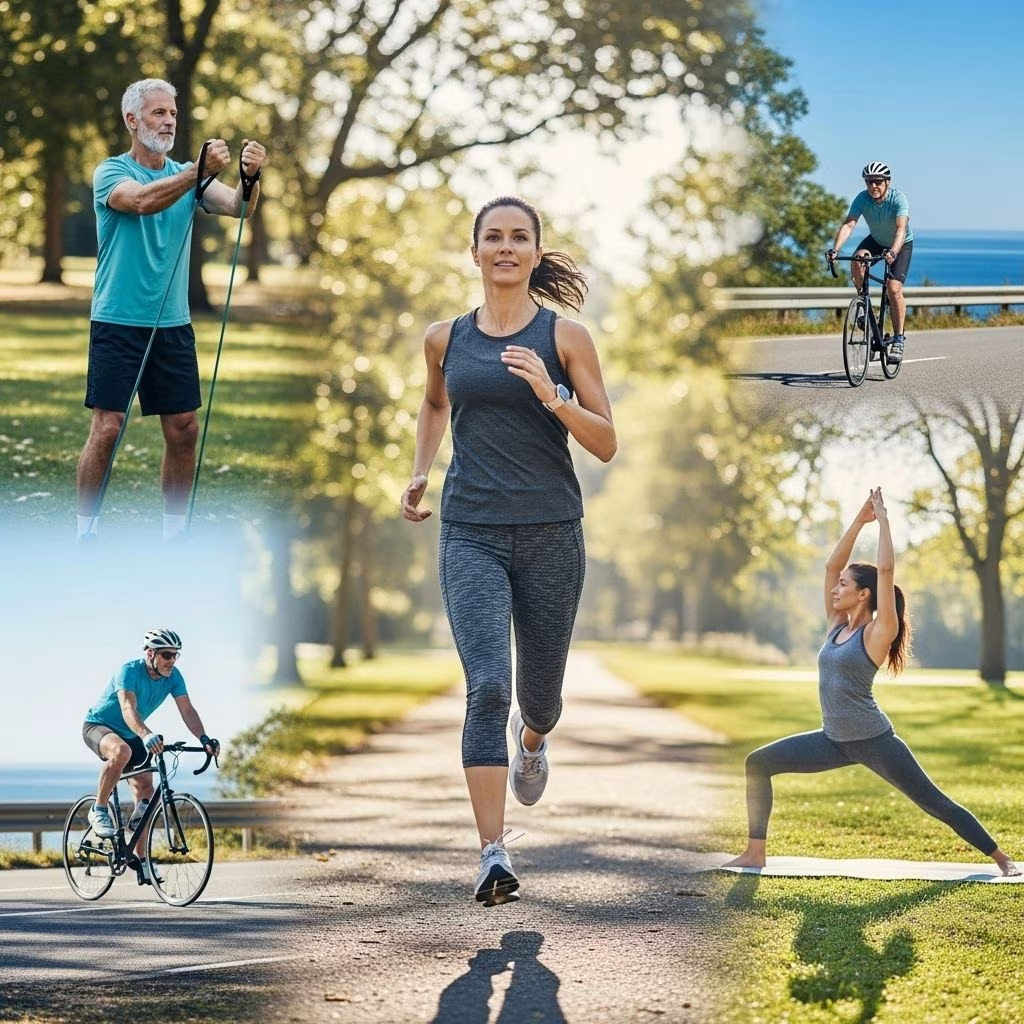
Get Fitter After 40: Science-Backed Strategies for Lifelong Health
Contrary to common belief, it is absolutely possible to be leaner, fitter, and healthier in your 40s and beyond than in your younger years. The key is understanding how your body, metabolism, and lifestyle needs evolve with age—and adopting evidence-based strategies to thrive. This comprehensive guide will walk you through actionable tips and proven methods to boost metabolism, maintain muscle, and enjoy sustained energy at every stage of life.
Why Fitness and Weight Loss Feel Different After 40
Most people notice physical and metabolic changes once they reach their 40s:
- Slower metabolism due to muscle mass loss
- Increased fat storage, especially around the midsection
- Hormonal fluctuations (such as reduced estrogen)
- Changes in energy levels and recovery
According to experts, these changes are normal, but you can counteract or even reverse many of their effects with targeted nutrition, exercise, and lifestyle habits.
Understanding Muscle Loss and Its Metabolic Impact
Starting in your 30s, adults lose about half a pound of muscle each year, a phenomenon sometimes called “shrinking muscle syndrome.” By their late 50s, sedentary women may have lost up to 15 pounds of muscle, predisposing them to similar gains in body fat and increased risk of chronic diseases.
The muscle that you maintain or build now is key for your body’s natural calorie-burning furnace. More muscle means a higher resting metabolic rate and better weight maintenance.
Muscle Mass Loss: A Timeline
| Age | Muscle Loss Rate | Metabolic Impact |
|---|---|---|
| 30-50 | ~0.5 lb/year | Gradual slow-down |
| 50+ | ~1 lb/year | Faster slow-down, more fat gain risk |
Metabolism-Boosting Habits for Your 40s (and Beyond)
If you want to keep your metabolism high and body composition healthy as you age, adopt these science-backed daily habits:
- Eat more protein: Protein supports muscle maintenance and controls appetite. Aim for at least 20–30 grams per meal.
- Do strength training twice a week: Lifting weights, bodyweight exercises, or resistance bands signal your body to retain and build muscle.
- Incorporate cardio 3 times a week: Activities that get your heart rate up—like brisk walking, cycling, or jogging—increase calorie burn and heart health.
How to Get Started: Step-by-Step
- Set clear, realistic goals. Be honest about what you want to achieve: more energy, less belly fat, better sleep, or increased strength.
- Build your meals around lean protein and fibrous veggies. These help preserve muscle and curb hunger.
- Add short bursts of activity. Even 10- to 15-minute sessions add up and fight the “time squeeze” so common in our 40s.
Smart Nutrition Tweaks After 40
Your nutritional needs shift with age, especially post-40. Experts recommend these subtle yet powerful dietary changes to support metabolism, bone health, and longevity:
10 Ways Your Diet Should Change After 40
- Boost calcium intake: Lower estrogen reduces your ability to absorb calcium, increasing osteoporosis risk. Aim for 1,000 mg per day in your 40s through dairy, fortified plant milks, leafy greens, and fish with edible bones.
- Eat more protein: Every meal should prioritize lean meats, fish, eggs, legumes, or dairy to sustain muscle and metabolism.
- Add oily fish: Salmon, mackerel, and sardines deliver anti-inflammatory omega-3s that protect heart and brain health.
- Choose whole grains: Swap refined grains for fiber-rich options like quinoa, brown rice, and steel-cut oats to manage insulin and weight.
- Reduce sodium: Salt sensitivity increases with age, so limit processed foods to support healthy blood pressure.
- Emphasize leafy greens: Kale, spinach, and collard greens provide vitamins, fiber, and antioxidants that offset the effects of aging.
- Lean into plant-based proteins: Soy, beans, nuts, and seeds help balance hormones and reduce heart disease risk.
- Mind your portion sizes: Your caloric needs decrease with age, so slight reductions can help prevent weight gain.
- Hydrate purposefully: Aging bodies are less sensitive to thirst, so aim for consistent water intake throughout the day.
- Limit added sugar: Excess sugar drives fat gain and metabolic slow-down, so enjoy sweets sparingly.
Essential Exercise Strategies for After 40
Physical activity isn’t just about weight management—it’s central to health, longevity, and quality of life. As you age, smart exercise programming helps preserve cognitive function, stave off disease, and support a youthful body composition.
Five Exercises You Should Start Doing Every Week
- Cardiovascular workouts: Aim for 150 minutes weekly; boosts heart health and calorie burn.
- Strength training: At least twice weekly to combat muscle loss and strengthen bones.
- High-impact activities: Include jogging, plyometrics, or dance (if joint health allows), building bone density.
- Yoga: Enhances flexibility, reduces stress, and improves balance.
- Plank holds: Strengthen your core and support better posture and back health.
Sample Weekly Fitness Schedule for Ages 40+
| Day | Activity |
|---|---|
| Monday | Strength training + Stretching |
| Tuesday | Cardio (Brisk walk or cycling) |
| Wednesday | Yoga or Pilates |
| Thursday | Strength training |
| Friday | Cardio intervals |
| Saturday | High-impact or recreational sport |
| Sunday | Rest or leisure walk |
Lifestyle Tweaks for Sustainable Results
Fitness is more than diet and exercise—daily habits play a powerful role. Small changes can deliver lasting health and weight gains in your 40s and beyond.
- Prioritize sleep: Quality rest supports hormone balance, appetite control, and muscle repair. Target 7–9 hours nightly.
- Manage stress: Chronic stress encourages belly fat and muscle loss. Try meditation, deep breathing, or quiet outdoor time.
- Set a routine: Consistency beats perfection. Schedule workouts and plan meals to limit temptation and excuses.
- Track progress: Use a journal or app to monitor food, workouts, and mood. Adjust as you learn what works best for you.
Common Roadblocks (and How to Overcome Them)
Despite best efforts, many people run into barriers. Here is how to troubleshoot the most common obstacles to getting and staying fit after 40:
- Time constraints: Short, high-intensity interval sessions deliver results in less than 30 minutes, perfect for busy schedules.
- Plateauing progress: Change your workout intensity, type, or duration every month to ignite continued progress.
- Injury or joint pain: Swap high-impact moves for swimming, cycling, or walking and focus on mobility, not just intensity.
- Motivation dips: Find a workout buddy, join a class, or hire a coach to stay accountable and inspired.
Frequently Asked Questions (FAQs)
Q: Is it really harder to lose weight after 40?
A: Metabolism naturally slows with age due to muscle loss and hormonal changes, making weight loss more challenging but not impossible. Consistency in diet and exercise can still yield excellent results.
Q: How much protein do I need after 40?
A: Most women should aim for 20–30 grams of protein per meal to help maintain muscle and support daily metabolism.
Q: What types of exercise are safest for beginners over 40?
A: Walking, resistance training with light weights or bodyweight, yoga, cycling, and swimming are low-impact options perfect for building strength and cardiovascular health safely.
Q: Can I build muscle after 40?
A: Yes. Strength training paired with protein-rich nutrition can help you regain or build muscle at any age.
Q: Are there special diet plans for men and women over 40?
A: Both men and women benefit from higher protein, more fiber, and less sugar, but women should pay particular attention to calcium and iron, while men may also want to watch heart health and sodium.
Takeaway: The Power of Proactive, Age-Targeted Wellness
Turning 40 is not the end of feeling fit, lean, and vital—it can be the fresh beginning of lifelong health. By making modest, consistent changes in your eating, movement, and mindset, you can look and feel your best as you age. The science is clear: habits matter more than your birthday.
References
- https://www.prevention.com/weight-loss/a20501336/the-metabolism-miracle-for-women-over-40/
- https://www.prevention.com/fitness/a20449775/5-exercises-for-over-40/
- https://www.prevention.com/health/a20487687/10-ways-your-diet-should-change-after-40-according-to-nutritionists/
- https://www.prevention.com/weight-loss/a20465042/lose-weight-over-40/
- https://www.prevention.com/health/a20492419/know-your-bones-and-how-to-take-care-of-them-at-40/
- https://www.prevention.com/weight-loss/a20457785/fitter-after-age-40/
- https://www.prevention.com/fitness/a20483465/weight-lifting-over-40/
- https://www.prevention.com/health/g42508464/how-to-stay-healthy-women-over-40/
- https://www.prevention.com/health/a20470611/are-aging-muscles-why-youre-tired-all-the-time-and-gaining-weight/
- https://www.prevention.com/health/a64900252/daily-habits-for-longevity-and-happiness/


