


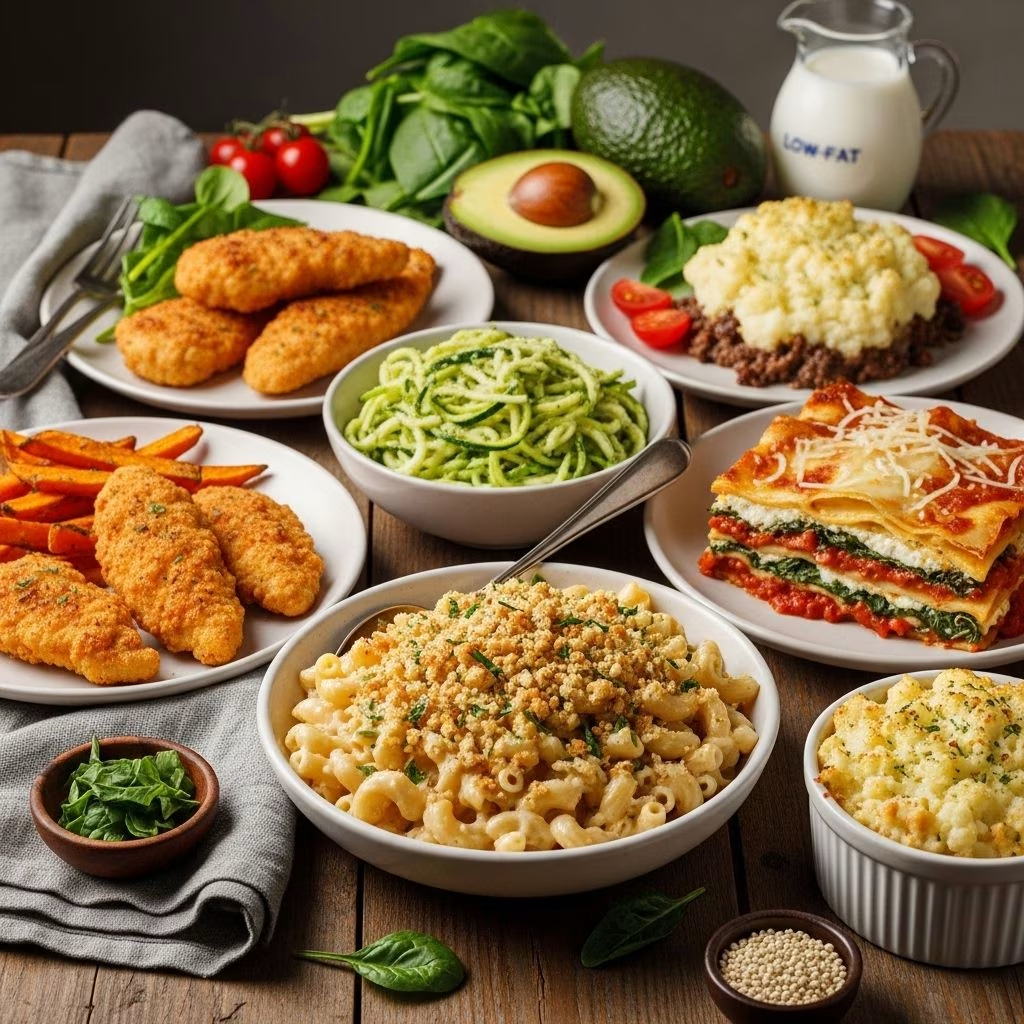
Comfort Food, Made Healthier: Satisfy Cravings with Smart Ingredient Swaps
Comfort food is synonymous with warmth, nostalgia, and satisfaction. Yet, many classic dishes are high in calories, saturated fat, sugar, or sodium. The good news? With simple ingredient swaps, you can enjoy the comfort foods you love while supporting your health and weight-loss goals. This comprehensive guide provides evidence-based, expert-approved tips for healthier cooking you’ll look forward to.
Why Swap Ingredients in Comfort Food?
Traditional comfort foods—think mac and cheese, fried chicken, mashed potatoes—offer coziness but can derail healthy eating efforts due to high calorie and fat content. Swapping ingredients can:
- Reduce calories, saturated fat, and added sugar
- Boost fiber and beneficial nutrients
- Lower sodium levels
- Support cardiovascular and metabolic health
- Maintain familiar flavors and mouthfeel
Even modest changes—such as replacing full-fat dairy with reduced-fat versions or trading refined grains for whole grains—can add up to significant health gains over time.
Essential Swapping Strategies
Before you start transforming recipes, keep these general strategies in mind:
- Focus on flavor and satisfaction. Use herbs, spices, and umami-rich ingredients to mimic depth and delight.
- Prioritize whole foods. Opt for minimally processed ingredients; they’re naturally higher in nutrients and fiber.
- Balance macronutrients. Boost protein and fiber for sustained fullness.
- Test and adapt. Not every swap works for every palate. Experiment until you find the combinations that work best for you and your family.
Classic Comfort Foods and Healthier Ingredient Swaps
Below, find practical, delicious swap ideas for popular comfort foods. Use them interchangeably—mix, match, and customize for your favorite dishes.
1. Macaroni and Cheese
- Swap white pasta for whole wheat, chickpea, or lentil pasta to increase fiber and protein.
- Use reduced-fat cheese and milk, or blend in cottage cheese for creaminess without excess fat.
- Puree butternut squash or cauliflower into the cheese sauce for extra veg and silkiness.
- Add steamed broccoli or peas for vitamins and color.
2. Fried Chicken
- Bake or air-fry instead of deep frying to slash calories and fat.
- Use skinless chicken breast for lean protein.
- Replace traditional breadcrumbs with whole grain panko or crushed whole-grain cereal.
- Boost flavor with garlic powder, smoked paprika, or herbs in the breading mix.
3. Mashed Potatoes
- Blend potatoes with steamed cauliflower or white beans for creaminess and fewer carbs.
- Use plain Greek yogurt instead of butter and cream for tang, protein, and a lighter texture.
- Season generously with roasted garlic, chives, or black pepper.
4. Pasta with Creamy Sauces
- Replace heavy cream with pureed silken tofu, Greek yogurt, or blended cottage cheese.
- Enhance with sautéed mushrooms, peas, or spinach for fiber and nutrients.
- Opt for whole grain or legume-based pastas.
5. Pizza
- Make a cauliflower or whole-wheat crust for more nutrients and fewer refined carbs.
- Use light mozzarella, part-skim ricotta, or feta instead of full-fat cheeses.
- Top with roasted vegetables, herbs, and lean meats.
- Replace cured meats (pepperoni, sausage) with grilled chicken or turkey sausage.
6. Burgers
- Try turkey, chicken, or plant-based patties for less saturated fat.
- Swap out white buns for whole-wheat or lettuce wraps.
- Add grilled onions, mushrooms, and avocado instead of mayonnaise or bacon.
7. Tacos and Burritos
- Use lean ground turkey or beans in place of ground beef.
- Swap out sour cream for Greek yogurt as a topping.
- Choose corn tortillas or whole-wheat wraps over white flour tortillas.
- Pile on vegetables—lettuce, tomatoes, salsa, and peppers.
8. Lasagna
- Replace some pasta layers with sliced zucchini or eggplant for fewer carbs and more fiber.
- Use part-skim ricotta, cottage cheese, or blended tofu for the cheese layer.
- Add extra veggies—spinach, mushrooms, bell peppers—in each layer.
9. Casseroles
- Opt for brown rice, quinoa, or barley instead of white rice or enriched noodles.
- Substitute reduced-sodium broth and low-fat dairy in place of canned soups.
- Mix in legumes and vegetables for fiber and nutrients.
10. Baked Goods and Desserts
- Swap white flour for whole-wheat or almond flour to raise fiber and lower glycemic impact.
- Use applesauce, mashed bananas, or pumpkin instead of some of the oil or butter.
- Cut sugar by a third to a half; enhance with spices and vanilla.
- Incorporate fruit, nuts, and seeds for nutrition and texture.
Table: Healthy Ingredient Swaps at a Glance
| Traditional Ingredient | Healthy Swap | Benefit |
|---|---|---|
| White flour | Whole wheat or almond flour | More fiber and minerals, lower glycemic impact |
| Heavy cream | Greek yogurt, pureed cottage cheese | Less saturated fat, more protein |
| Butter | Unsweetened applesauce, avocado | Fewer calories and saturated fat, healthy fats |
| Sour cream | Low-fat Greek yogurt | Lower fat, higher protein |
| White rice | Brown rice, quinoa, cauliflower rice | Increased fiber, vitamins, and minerals |
| Pasta | Whole grain, chickpea, or spiralized vegetables | More fiber and protein, lower carbs |
| Full-fat cheese | Reduced-fat cheese, feta, or part-skim mozzarella | Less saturated fat, fewer calories |
Smart Snack Swaps
- Chips & Dip: Try veggie sticks (like carrots or bell peppers) with hummus or Greek yogurt dip instead of potato chips and creamy dressings.
- Muffins & Cakes: Bake with whole grain flours and fruit purees, minimizing added sugars and fats.
- Ice Cream: Freeze blended bananas for a creamy, dairy-free treat, or enjoy yogurt-based frozen desserts.
- Sweetened Yogurts: Choose plain yogurt topped with fresh fruit instead of high-sugar fruit yogurts.
Tips for Making Your Ingredient Swaps Work
- Start small: Replace one or two ingredients at a time to let your taste buds adjust.
- Emphasize umami and texture: Roasting, grilling, or adding a sprinkle of nutritional yeast can conjure satisfying flavors.
- Batch cook healthy alternatives: Prepare bases like pureed cauliflower, whole grain pasta, or roasted veggies in advance for easy swapping.
- Read labels: Watch for hidden sugar, sodium, or saturated fat in sauces and packaged foods.
- Celebrate progress: Each swap, no matter how minor, is a step toward better well-being.
Frequently Asked Questions (FAQs)
Q: Do ingredient swaps affect the flavor of comfort foods?
A: Many swaps preserve or even enhance flavor, especially with the addition of herbs, roasted vegetables, and umami-rich ingredients. Testing different combinations will help you find what’s most satisfying.
Q: Are these swaps suitable for children and picky eaters?
A: Yes! Gradually introducing small changes—like mixing some pureed veggies into mashed potatoes or offering whole grain versions of favorite foods—helps ease the transition for all ages.
Q: Can these swaps help with weight management?
A: Absolutely. Swapping ingredients to reduce calorie density and boost fiber and protein supports satiety, making it easier to maintain a healthy weight.
Q: Are whole food swaps always better than store-bought ‘light’ or ‘diet’ products?
A: Generally, whole foods are best because they tend to be lower in additives and richer in nutrients. Be cautious with ‘diet’ products, which may contain extra sugar, sodium, or artificial ingredients.
Q: What if my family is resistant to changes?
A: Start gradually and involve everyone in meal planning and tasting sessions. Highlight improved flavors, energy, and well-being as benefits.
Additional Resources
- Check out national health guidelines for more healthy eating tips and sample menus.
- Visit reputable nutrition websites for more inspiration and recipes that incorporate healthier swaps.
- If you have specific dietary needs, a registered dietitian can provide personalized advice.
Conclusion: Small Changes, Big Results
Transforming your beloved comfort foods doesn’t mean giving up flavor, tradition, or pleasure. With a handful of intelligent ingredient swaps and an openness to experiment, you can nourish your body and delight your senses—all while enjoying the meals that feel like home.
References
- https://www.nhs.uk/healthier-families/food-facts/healthier-food-swaps/
- https://www.healthdirect.gov.au/healthy-food-swaps
- https://hw.qld.gov.au/blog/eat-healthier-and-feel-better-with-these-smart-food-swaps/
- https://www.prevention.com/health/g20432735/10-easy-low-calorie-swaps/
- https://www.prevention.com/food-nutrition/g41055022/low-calorie-meals/
- https://www.prevention.com/food-nutrition/healthy-eating/g63084420/healthiest-processed-foods/
- https://www.prevention.com/weight-loss/g19576831/healthy-snack-ideas-weight-loss/
- https://www.prevention.com/weight-loss/g20454584/prevent-summer-weight-gain/
- https://www.prevention.com/weight-loss/a20456360/400-calorie-meals-how-to-get-started/
- https://valley-widehealth.org/six-simple-swaps-to-make-comfort-food-healthier/


