


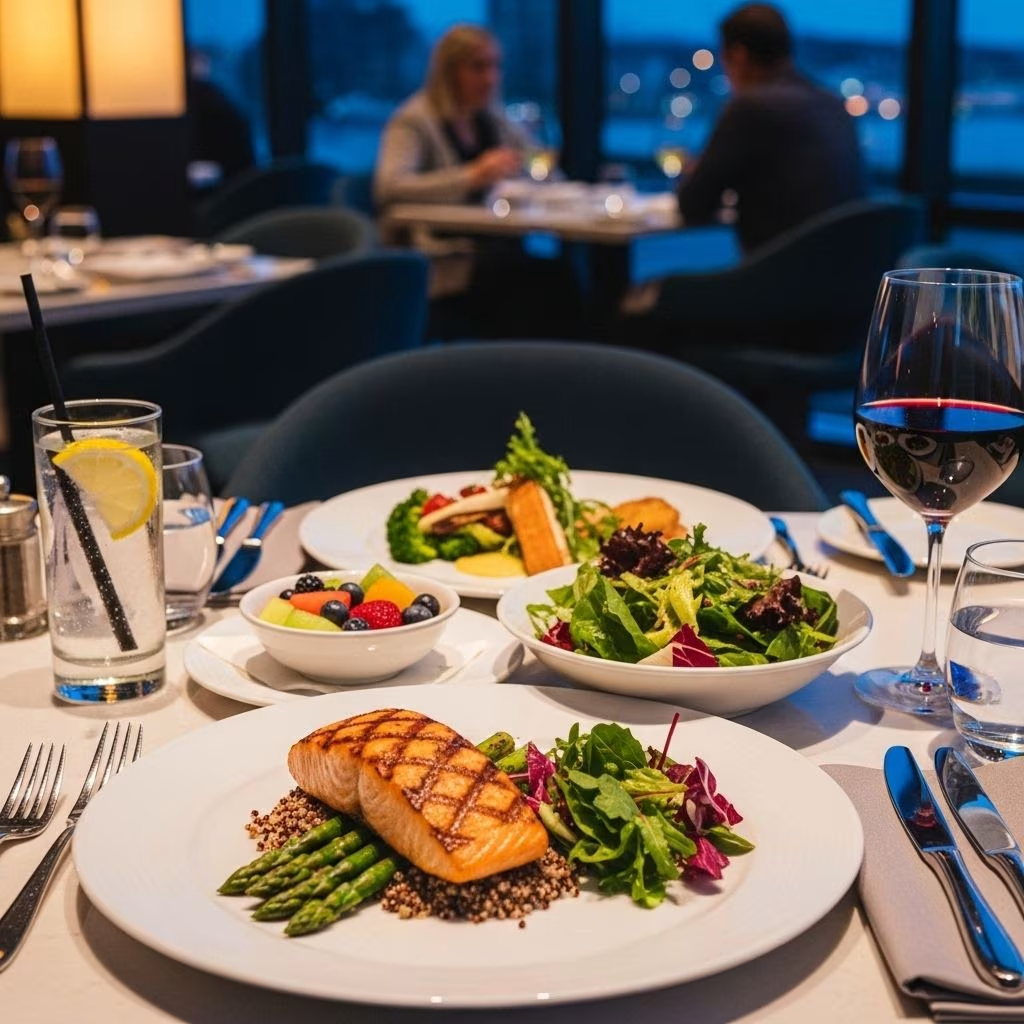
Smart Strategies for Healthy Eating When Dining Out
Dining out is a social and enjoyable experience, but it often comes with the challenge of maintaining healthy eating habits. Whether you’re committed to a weight loss journey or simply want to make mindful choices, understanding how to navigate restaurant menus, manage portions, and prioritize balanced meals is crucial. This comprehensive guide provides practical, research-backed strategies for healthy eating at restaurants—so you can savor every meal without sabotaging your health goals.
Plan Ahead Before You Go
Preparation is key to making healthier choices, even before you set foot in a restaurant. Use these tactics to set yourself up for success:
- Preview the Menu Online: Most restaurants now post their menus online. Take a few minutes before your meal to review the options and identify dishes that are grilled, baked, broiled, roasted, or steamed. Planning ahead reduces the temptation to choose less healthy meals on impulse.
- Opt Out of Arriving Hangry: Don’t go to the restaurant on an empty stomach. Eating a light, protein-rich snack like yogurt, a small salad, or fruit beforehand can curb excessive hunger, making you less likely to overindulge once you’re there.
Tip: A small handful of nuts or whole grain crackers are good pre-dinner options. - Set a Healthy Intention: Before you leave, remind yourself why you’re committed to making nutritious choices. This mindset will help you prioritize your goals when faced with tempting menu items.
Choose the Right Seat for Success
Believe it or not, your choice of table can influence your eating habits:
- Pick a Quiet Spot: Noise, crowds, and distractions often lead to mindless eating. Request a table away from the hustle—such as away from the kitchen, bar, or televisions. A calm, less distracting environment helps you stay focused on your food and hunger cues.
- Distance from the Buffet: If you’re dining at a buffet, sit farther away from the spread—ideally not in direct line of sight with the food. Research shows people seated farther from buffets make more mindful choices and feel less pressure to keep grabbing more food.
Ordering Smart: Menu Navigation Tips
Restaurant menus are filled with tempting, calorie-laden choices. Use these strategies to stick with healthier options:
- Decode Descriptions: Look for key words that indicate a healthier preparation, such as grilled, steamed, broiled, baked, or poached. Beware of descriptors like fried, crispy, smothered, cheesy, creamy, or loaded, which often signal higher calories and unhealthy fats.
- Balance Your Plate: Aim for a combination of non-starchy vegetables, lean protein, complex carbohydrates, and healthy fats. For example, pair grilled chicken with a baked sweet potato and steamed broccoli, or broiled fish with quinoa and roasted asparagus.
- Request Customizations: Don’t hesitate to ask for adjustments, such as sauce or dressing on the side, swapping fries for a salad or veggies, or using less oil or butter in preparation. Most restaurants are happy to accommodate your requests.
Clever Order Tactics for Healthy Eating
What you order is just as important as how and when you order:
- Order First: Decided on a healthy meal? Place your order before others to avoid being influenced by their potentially less-healthy choices. If you can’t order first, close your menu and silently repeat your selection—this mental reinforcement helps you stick to your decision.
- Share or Downsize Portions: Restaurant portions are often oversized. Share an entrée with a friend or ask for a half portion if available. Alternatively, ask for a to-go box at the start of your meal and pack up half before you begin eating.
- Make a Meal from Appetizers: Many appetizers offer reasonable portions and can be healthier than oversized entrées. Choose broth-based soups, grilled vegetable plates, shrimp cocktail, or salads with lean proteins. Avoid high-calorie starters like fried calamari, cheese-laden dips, or creamy chowders.
Steer Clear of Mindless Munching
Unconscious eating can add hundreds of unwanted calories before your actual meal begins. Use these strategies to stay in control:
- Skip the Freebies: Bread baskets, chips, and butter are classic pre-meal fillers. If you struggle with temptation, kindly ask the server not to bring them to the table, or wait until your main course arrives to indulge.
- Say No to Fried or Heavy Appetizers: Appetizers can pack in a full day’s worth of fat for several people, especially when fried or loaded with creamy sauces. Stick to simple, lighter choices or salads minus high-fat add-ons.
- Chew Gum to Distract: Waiting for your meal? Sugarless gum can help keep your mouth occupied, making you less likely to reach for starchy starters or snacks.
Modify Your Meal for Maximum Nutrition
Customizing your order isn’t just allowed—it’s encouraged. Here’s how to get the most nutrition from your restaurant meal:
- Ask Questions: Inquire how dishes are prepared and whether healthier substitutions are available. Don’t be afraid to request changes that favor your health goals, like grilled instead of fried, or extra veggies in place of starches.
- Dressings and Sauces on the Side: Most sauces and dressings are calorie-dense. By requesting them on the side, you’re able to control the amount and reduce unnecessary fat and sugar intake.
- Savor Seasonings: Opt for fresh herbs, lemon, vinegar, or salsa instead of rich gravies or buttery sauces to keep flavor high and calories low.
Master the Buffet: Strategies for All-You-Can-Eat
Buffet settings can test even the most disciplined eaters. Make the most of your visit without overindulging:
- Survey Before Serving: Take a complete walk-through of the buffet before loading your plate. Identify the healthiest and most appealing options, then plan your plate accordingly.
- Create Physical Distance: Opt to sit farther from the buffet. Out of sight, out of mind—studies suggest this reduces the urge to go back for multiple helpings.
- Mind Your Portions: Choose smaller plates and limit your selections to reasonable amounts. Favor salads, fresh fruit, steamed vegetables, and grilled proteins over fried or creamy options.
- Chew More, Eat Less: Take smaller bites, chew thoroughly, and pace your eating. This practice promotes satisfaction and reduces overeating.
Be Salad Savvy
Ordering a salad can be incredibly healthy—or a high-calorie trap. Use salad know-how to maximize nutrition and minimize unnecessary calories:
- Choose Wisely: Start with greens, add bright veggies, lean protein (like chicken, beans, tofu, or shrimp), and a sprinkle of seeds or nuts for healthy fats. Avoid calorie-bombs like fried chicken, bacon, heavy cheese, crispy noodles, or creamy dressings.
- Dressing on the Side: Always request salad dressing on the side and dip your fork before picking up the salad, rather than pouring dressing directly over the greens.
- Add Whole Grains: Consider adding brown rice, quinoa, or farro to make your salad more satisfying and balanced.
Make Mindful Dining a Habit
Healthy dining out is as much about behavior as it is about food choices. Embrace these mindful eating habits for the long-term:
- Eat Slowly: Take your time, savor each bite, and put your fork down between bites. Slow eating helps your body register fullness and prevents overeating.
- Listen to Hunger and Fullness Cues: Check in with yourself halfway through your meal to see if you’re satisfied. If you are, ask to have the remainder of your meal packed to go.
- Set Reasonable Expectations: Allow yourself to enjoy something special occasionally. If you truly crave a favorite, have a few bites and savor them, rather than depriving yourself completely.
Keep Drinks in Check
Beverages can easily add hundreds of calories to your meal—often without satisfying your hunger. Consider these swaps:
- Start with Sparkling Water: Instead of heading straight for the cocktail menu, begin with sparkling water, plain water, or unsweetened tea, especially if you’re waiting for others to arrive or for food to be served.
- Drink Mindfully: Alcohol and sugary beverages not only contribute excess calories but also increase appetite. If you’re having a drink, choose a light beer, wine, or spirits with sparkling water, and alternate with a glass of water to stay hydrated and consume less.
FAQ: Frequently Asked Questions About Healthy Eating Out
Q: How can I control portion sizes at restaurants that serve large meals?
A: You can share an entrée, order a half portion, or ask for a to-go container at the beginning of your meal so you can pack away half before you start eating.
Q: What are the healthiest menu keywords to look for?
A: Look for terms like grilled, baked, broiled, steamed, poached, or roasted. Avoid fried, crispy, creamy, battered, or loaded, which often mean more calories and saturated fats.
Q: How do I avoid eating too much bread or chips before my meal?
A: Ask your server not to bring bread or chips to the table, or request they be brought out with the meal instead of beforehand. Keeping them out of sight helps curb mindless snacking.
Q: Are salads always a healthy choice?
A: Salads can be healthy, but watch for high-calorie add-ons like creamy dressings, cheese, bacon, and crispy toppings. Select plenty of vegetables and lean proteins, and keep dressing portions small.
Q: What should I do if I don’t see any healthy options on the menu?
A: Ask your server if the chef can prepare something with lean protein, steamed or grilled vegetables, or make simple substitutions. Most restaurants will willingly accommodate health-conscious requests.
Conclusion: Enjoy Eating Out—The Healthy Way
With a bit of foresight, assertiveness, and self-awareness, you can navigate any restaurant menu and enjoy a satisfying meal without compromising your health goals. From planning ahead to making balanced, mindful selections and savoring every bite, healthy dining is entirely within reach. Remember, the goal isn’t perfection—just progress, one delicious meal at a time.
References
- https://www.prevention.com/weight-loss/a20434327/weight-loss-tips-cut-calories-at-restaurants/
- https://www.prevention.com/weight-loss/a20446381/how-to-eat-healthy-at-the-buffet/
- https://www.prevention.com/weight-loss/g20461571/how-to-eat-healthy-at-a-restaurant/
- https://www.prevention.com/weight-loss/a20451598/healthy-eating-tips-for-dining-out/
- https://www.prevention.com/weight-loss/diets/a20456691/restaurants-and-the-south-beach-diet/
- https://www.prevention.com/weight-loss/a20429571/healthy-eaters-eat-out-guide/
- https://www.prevention.com/weight-loss/a20452542/healthy-restaurant-eating/
- https://www.prevention.com/weight-loss/a20470163/biggest-loser-healthy-restaurants-and-weight-loss/
- https://www.prevention.com/weight-loss/a20433312/weight-loss-and-restaurants/
- https://www.prevention.com/weight-loss/a20436497/biggest-loser-contestants-give-tips-on-dining-out/


