


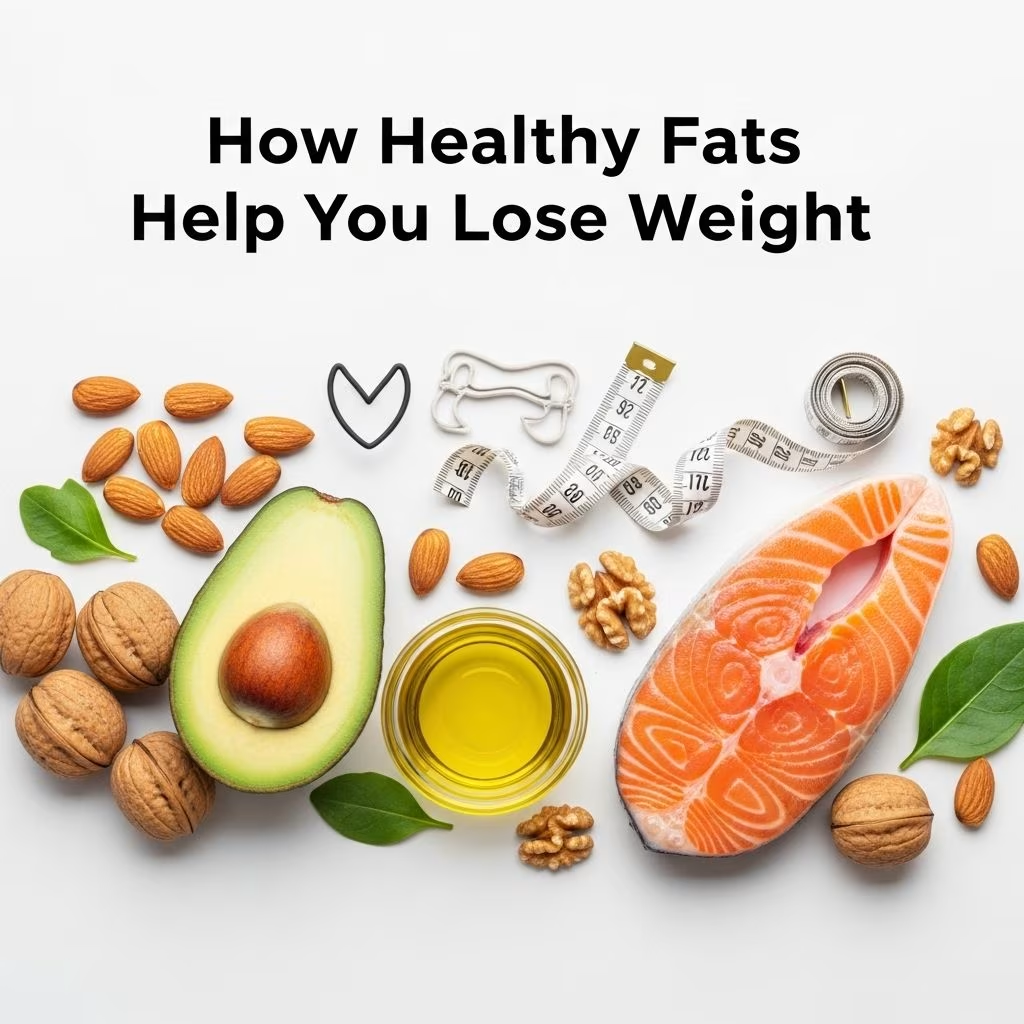
How Healthy Fats Help You Lose Weight
For decades, fat carried an unfair reputation in the world of dieting. Many people believed that to drop pounds, you needed to shun fat in all forms. But science now shows that choosing the right types of fat can actually support weight loss, sustain energy, and nurture overall health. This article explores why healthy fats play a crucial role in losing weight, how they affect hunger and cravings, and which fats to favor for the best results.
Why Fat Was Once Feared
In the 1980s and 1990s, low-fat and fat-free diets soared in popularity. The logic was simple: since fat is calorie-dense—containing 9 calories per gram, more than double that of carbohydrates or protein—it must contribute most to weight gain. Many popular diet plans urged people to eliminate or severely restrict fat, fearing it hindered weight loss efforts.
But while low-fat products multiplied on supermarket shelves, waistlines continued to widen. The missing fat was often replaced with sugar or refined carbohydrates, increasing calorie intake and triggering rapid spikes and crashes in blood sugar. The result? People felt hungrier, craved more snacks, and often gained instead of lost weight.
The Science: Fat and Weight Loss Are Not Enemies
Contemporary research reveals that all calories are not equal in how they impact weight loss. Healthy fats provide lasting energy, slow digestion, and help absorb key vitamins, all while supporting metabolism and hormone balance. Multiple studies have overturned the old ‘fat makes you fat’ myth:
- A 2016 review found that a Mediterranean diet—rich in heart-healthy fats from fish, nuts, and olive oil—promotes more sustainable weight loss than typical low-fat diets.
- Research on the Nordic diet, high in omega-3 and polyunsaturated fats from oily fish and plant oils, showed significant reductions in body weight and fat percentage, as well as improvements in metabolic health.
- A major NIH-funded clinical trial found both higher-fat and lower-fat diets could be equally effective for weight loss—as long as total calorie intake was reduced and food choices were nutritious.
These findings point to a key truth: Fat in your diet is not the villain—excess calories, especially from highly processed foods, are the real culprit.
How Healthy Fats Help You Shed Pounds
Incorporating more healthy fats can accelerate weight loss through several mechanisms:
- Increased Satiety: Fats take longer to digest than carbs, helping you feel full and satisfied for hours. This leads to fewer cravings and less snacking between meals.
- Reduced Hunger Hormones: Foods rich in unsaturated fats can lower levels of ghrelin (the ‘hunger hormone’) and raise levels of CCK (a hormone of satiety), signaling your brain to stop eating sooner.
- Steadier Blood Sugar: Fats slow down the absorption of sugars from carbohydrates, preventing spikes and crashes. This helps curb cravings for sweets or processed foods.
- Boosted Metabolism: Eating enough healthy fat can slightly raise your calorie burn because the body requires more energy to metabolize fat compared to digesting carbs.
- Hormonal Balance: Dietary fats are crucial for synthesizing hormones involved in metabolism and appetite regulation, including leptin and insulin.
Not All Fats Are Created Equal
It’s critical to distinguish between healthy fats and unhealthy fats:
| Type of Fat | Examples | Effect on Weight/Health |
|---|---|---|
| Unsaturated (Healthy) | Avocados, olive oil, nuts, seeds, fatty fish | Supports brain, heart, and metabolism; helps reduce inflammation |
| Saturated (Moderation) | Butter, cheese, red meat, coconut oil | Debated role in heart health; some can be included but limit high intake |
| Trans (Avoid) | Partially hydrogenated oils (processed snacks/fried foods) | Increases risk for heart disease, suppresses good cholesterol, raises inflammation |
Focus most of your intake on unsaturated fats, while limiting saturated fat and avoiding trans fats altogether for optimal results.
Key Sources of Healthy Fats for Weight Loss
Choosing the right fat sources maximizes nutritional benefit and supports your goals. Here are the top options, and simple ways to enjoy each:
Nuts and Nut Butters
- Rich in protein, fiber, vitamins, and minerals
- Help you feel full longer—making them an ideal snack
- Options: almonds, walnuts, pistachios, hazelnuts, cashews, natural peanut or almond butter
- Tips: Opt for unsalted, raw or dry-roasted nuts; choose no-sugar-added nut butters
Fatty Fish
- Loaded with omega-3 fatty acids, which fight inflammation and may enhance fat burning
- Best choices: wild salmon, mackerel, sardines, herring, anchovies (use the acronym SMASH)
- Also packed with high-quality protein
- Eat at least two servings of fatty fish per week for optimal benefits
Avocados
- High in monounsaturated fat (especially oleic acid)
- Rich in fiber and potassium, which reduces water retention
- Delicious sliced on toast, blended into smoothies, or diced over salads
Olive Oil
- Prime source of monounsaturated fats; contains polyphenols and antioxidants
- May promote less body fat and better metabolic health compared to other oils
- Use extra-virgin olive oil for salad dressings, roasted vegetables, or drizzling over grains
Seeds
- Chia, flax, pumpkin, sunflower, and hemp seeds offer plant-based omega-3s, fiber, and protein
- Add crunch and nutrition to oatmeal, yogurt, or smoothies
- Support healthy gut bacteria, important for weight regulation
Dark Chocolate
- Contains beneficial plant compounds (flavonoids) that reduce inflammation and improve satiety
- Higher in healthy fats and fiber than milk chocolate, with less sugar
- A small square (70% cocoa or higher) makes a satisfying dessert
How Much Fat Should You Eat?
There’s no single “perfect” amount of fat for everyone, but experts advise:
- Healthy fats should make up about 25–35% of total daily calories for most adults
- Focus on replacing processed, high-carb snacks or foods with whole, unprocessed sources of healthy fats
- If tracking macros, aim for at least a few servings of unsaturated fats daily—but keep portions moderate, as fats are calorie-dense
Healthy Fats: More Than Just Weight Loss
Eating enough healthy fat is about more than looking good—it’s essential for feeling good, too. Benefits include:
- Improved brain function: Fatty acids like DHA and EPA are critical for memory, learning, and mood
- Vibrant skin, hair, and nails: Fats lock in moisture and support collagen
- Optimal nutrient absorption: Vitamins A, D, E, and K are absorbed with fat
- Hormonal harmony: Fats help synthesize sex and metabolic hormones
- Lower inflammation: Omega-3s in particular reduce systemic inflammation, protecting against chronic disease
Common Myths About Dietary Fat
- Myth 1: Eating fat automatically makes you fat.
Fact: Healthy fats can enhance weight loss by improving fullness and metabolism—weight gain is about total excess calories, not fat alone. - Myth 2: To lose weight, eat as little fat as possible.
Fact: Extremely low-fat diets are hard to sustain and may increase cravings for unhealthy foods. Eating the right fats helps keep you on track. - Myth 3: Low-fat processed foods are better for weight loss.
Fact: Low-fat foods often replace fat with added sugars or starches, leading to hunger and potentially more calories consumed overall. - Myth 4: All fats are the same.
Fact: Unsaturated fats bring health perks; trans fats harm health and should be avoided.
Tips for Successfully Adding Healthy Fats to Your Diet
- Add a quarter of an avocado to your morning smoothie or toast
- Top salads with a tablespoon of olive oil and a handful of toasted seeds
- Snack on a small handful of mixed nuts daily
- Choose fatty fish two to three times a week
- Swap butter for avocado or olive oil on bread or vegetables
- Treat yourself to a piece of dark chocolate (at least 70% cacao)
- Read ingredient labels and avoid trans fats (look for “partially hydrogenated oil”)
What to Watch Out For
While healthy fats can aid weight loss and well-being, moderation matters:
- Fats are calorie-dense; watch portion sizes to avoid accidental calorie excess
- Monitor added fats in restaurant foods or packaged snacks
- Remember balance—combine fats with lean proteins, whole grains, fruits, and vegetables for best results
Frequently Asked Questions (FAQ)
Can eating fat help me lose belly fat?
Eating healthy unsaturated fats, especially from plant and fish sources, can help reduce body fat, including belly fat, as part of a balanced diet and active lifestyle.
How do I know if I am eating the right amount of fat?
Most adults should aim for 25–35% of daily calories from fat, primarily from unsaturated sources. If you feel satisfied after meals and don’t gain weight, you’re likely in the right range.
Should people with high cholesterol or heart disease eat fat?
Yes, but they should focus on unsaturated fats (olive oil, fish, nuts) and minimize saturated and trans fats, which can negatively impact cholesterol levels and heart health.
Are all plant oils healthy?
Most minimally processed plant oils like olive, avocado, and flaxseed oils are healthful. Limit vegetable oils high in omega-6s, like corn or soybean oil, compared to omega-3-rich options.
Is it safe to eat fat if I am trying to lose weight quickly?
Yes—healthy fats promote fullness and can actually make calorie restriction easier to sustain. Just monitor total calorie intake and choose wholesome sources.
Takeaway
The era of fat-phobia is behind us. Prioritizing healthy fats helps you lose weight, maintain energy, and enjoy satisfying, delicious meals. Coupled with whole foods and smart portioning, healthy fats set the stage for lasting wellness. Don’t let outdated myths keep you from what your body genuinely needs.
References
- https://www.formhealth.co/blog/healthy-fats-for-weight-loss
- https://medschool.vanderbilt.edu/vanderbilt-medicine/study-balanced-high-fat-diet-improves-body-composition-inflammation/
- https://newsinhealth.nih.gov/2019/07/skinny-fat
- https://www.medanta.org/patient-education-blog/is-it-possible-to-lose-weight-by-eating-enough-fat
- https://www.uclahealth.org/news/article/eating-healthy-fats-has-many-benefits
- https://www.health.harvard.edu/topics/diet-and-weight-loss
- https://www.nhs.uk/live-well/eat-well/food-types/different-fats-nutrition/
- https://www.piedmont.org/living-real-change/secret-benefits-of-weight-loss


