


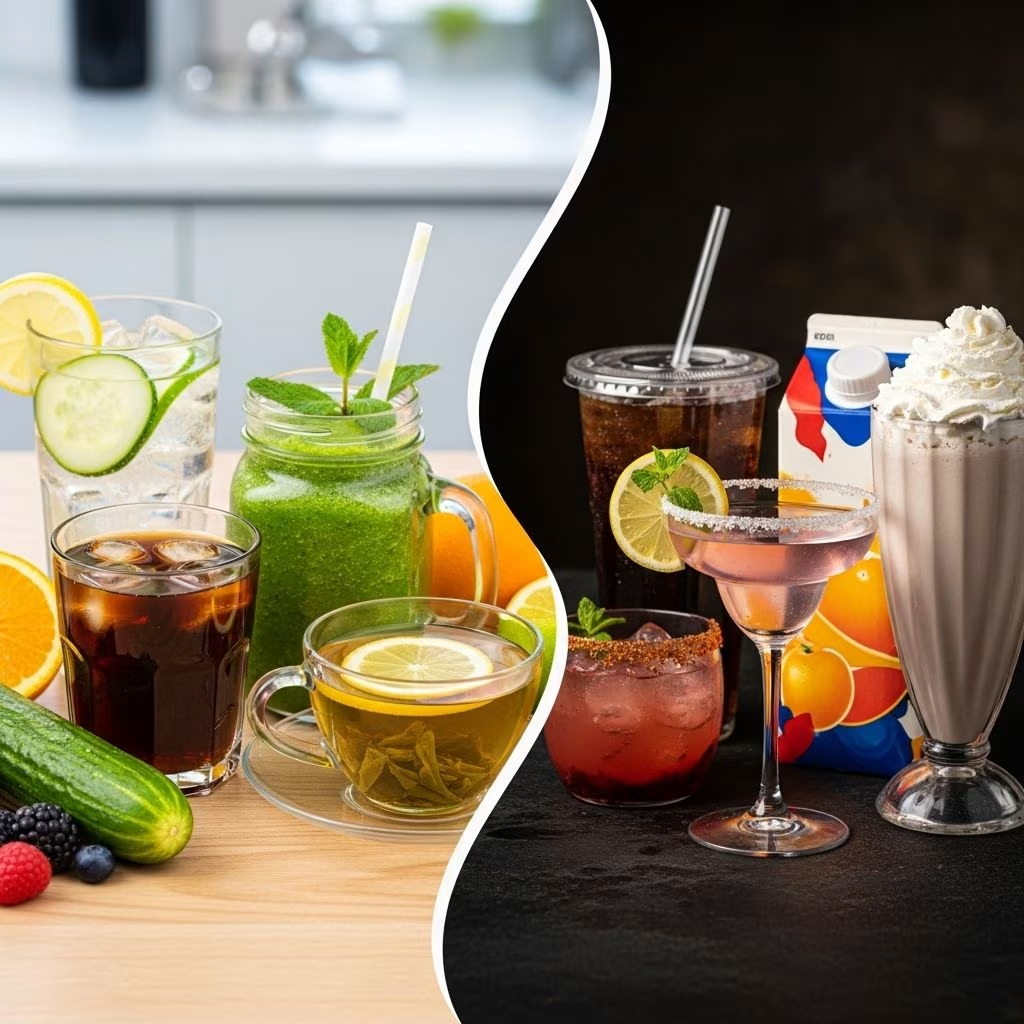
The Hidden Calories in Your Drinks: Why Beverage Choices Matter for Weight Loss
If you’re counting calories to lose weight, you might be overlooking a key factor sabotaging your progress: liquid calories. A surprising 10 to 14% of most people’s daily calories aren’t coming from food at all—they sneak in through drinks like lattes, sodas, fruit smoothies, and even seemingly innocent juice blends. These liquid calories add up quickly, often without triggering feelings of fullness, making it easy to blow your calorie budget without even realizing it. Smart beverage choices, however, can help you cut back on excess calories and may even support your weight loss efforts without added hunger.
How Liquid Calories Sabotage Your Diet
Unlike solid food, calories from drinks don’t register the same way in your body’s appetite signals. That means drinking a 300-calorie latte or a sugary soda doesn’t curb your hunger, leading to additional calorie intake at meals and snacks. Research shows that swapping out just 200 daily liquid calories could mean up to 20 pounds lost over a year, with little change in hunger or meal satisfaction.
To better understand how specific beverages impact your calorie intake, here’s a comparison of common drinks and their approximate calorie counts:
| Drink | Serving Size | Calories |
|---|---|---|
| Caffé Latte (2% milk, 16 oz) | 16 oz (grande) | 210 |
| Regular Soda | 12 oz can | 140–150 |
| Fruit Smoothie (commercial, 16 oz) | 16 oz | 180–350+ |
| Orange Juice | 8 oz | 110 |
| Whole Milk | 8 oz | 150 |
| Skim Milk | 8 oz | 80 |
| Black Coffee/Tea | 8 oz | 0–5 |
| Diet Soda | 12 oz can | 0–2 |
| Water (plain/infused) | 8 oz | 0 |
Sugary Drinks: The Biggest Culprit
The largest source of liquid calories in the American diet is sugary soft drinks. According to nutrition experts, Americans drink, on average, about 41 gallons of sweetened soft drinks a year—that’s roughly a pound of soda every single day. One 16-ounce bottle delivers around 200 empty calories, and these drinks often displace more nutrient-rich options. Studies have shown that those who consume the most sugary drinks are also less likely to meet the recommended levels for crucial nutrients, especially calcium and folate. Excess sugar intake from drinks is also linked to higher risks of obesity, type 2 diabetes, and heart disease.
- Regular soda, fruit punch, and other sweetened drinks add hundreds of extra calories per day without satisfying hunger.
- These drinks offer little to no nutritional value and crowd out more healthful choices.
- High sugar intake is linked with greater risks of weight gain and chronic health problems.
How to Cut Liquid Calories and Shed Pounds
Fortunately, swapping out calorie-heavy drinks for lighter options is an easy, painless strategy for weight loss. Here are evidence-based methods and practical tips for reducing your liquid calorie intake:
- Wean yourself off soda: Gradually reduce the number of sodas or sweetened drinks you consume, or switch to smaller portions.
- Replace fruit juice with whole fruit: Whole fruits offer fiber and greater satiety with fewer concentrated sugars.
- Opt for low-calorie or calorie-free drinks: Water, unsweetened teas, and black coffee are best for hydration and hunger management.
- Save high-calorie drinks for occasional treats: If you love creamy lattes or blended frappes, have them sparingly rather than daily.
- Reconsider sports or energy drinks: These are usually unnecessary unless you’re doing prolonged, intense physical activity; they’re often loaded with sugar and calories.
The Best Drinks to Support Weight Loss
Choosing drinks that are naturally low in calories—or offer added benefits—can help you stay hydrated, energized, and on track with your weight goals. Here are some of the best beverage choices for weight loss, supported by research and recommended by registered dietitians:
Water
- Zero calories, accessible, and essential for overall health.
- Drinking more water has been shown to increase calorie burn slightly and improve satiety.
- For flavor, try infusing water with cucumber, citrus, or berries, or enjoy naturally sparkling mineral water.
Unsweetened Tea (Green, Black, Herbal)
- Contains virtually no calories when unsweetened.
- Green tea is rich in catechins, particularly EGCG, which may slightly boost metabolism and promote fat burning.
- Studies suggest green tea combined with caffeine has the most pronounced effect.
- Black tea is also a good source of polyphenols, which may positively influence gut bacteria and support fat breakdown.
- Herbal teas can promote hydration and satiety without calories or caffeine.
Black Coffee
- Plain black coffee has almost no calories and is a natural source of caffeine.
- Caffeine can temporarily boost calorie expenditure, though these effects may diminish over time with regular use.
- Avoid adding cream or sugar, which quickly turns coffee into a calorie bomb.
Skim Milk or Unsweetened Soy Milk
- Low-fat dairy and fortified plant milks provide calcium and protein for fullness, with fewer calories than whole milk, especially if you’re watching fat intake.
- One cup of skim milk has about 80 calories, compared to 150 calories in whole milk.
- Choose unsweetened varieties to avoid added sugars when possible.
Coconut Water (in Moderation)
- Lower in calories and sugar compared to many commercial sports drinks (typically 45–60 calories per cup).
- Contains natural electrolytes for post-exercise hydration, but should be consumed in moderation if counting calories.
What About Diet Sodas and Zero-Calorie Drinks?
Replacing regular soda with diet or zero-calorie soft drinks can save 140–150 calories per can. For some people, these beverages may help curb cravings for sweets without additional calories. However, nutrition experts recommend limiting diet sodas, as some research links high consumption to increased cravings for sweet foods and possible disruption of appetite signals over time. The healthiest approach is to prioritize water, tea, and unsweetened beverages.
Drinks with a Place in a Healthy Diet
Not all high-calorie or sweet beverages are off-limits—they just deserve mindful consideration and moderation:
- 100% Fruit Juice: Offers vitamins and antioxidants, but calories add up fast. Limit to a small glass (4 oz), and favor whole fruit when possible.
- Low-Fat Dairy or Soy Milk: Provides calcium, vitamin D, and protein, all important for bone health and fullness. Opt for unsweetened versions.
- Tomato or Vegetable Juice: Packed with antioxidants and lower in calories if unsweetened and low-sodium.
Beverage Swaps for Calorie Savings
- Trade soda for sparkling water with a splash of citrus—refreshing with zero calories.
- Choose unsweetened iced tea over sweetened varieties—add fresh herbs or fruit for flavor.
- Mix 4 oz fruit juice with 4 oz seltzer for a lighter and less sugary drink.
- Use cinnamon, vanilla, or unsweetened cocoa in coffee or tea to add flavor without sugar.
- Reserve lattes and blended drinks as treats and choose small sizes with skim or soy milk.
Understanding Portion Sizes: Small Changes, Big Impact
Liquid calories add up quickly partly because serving sizes are often much larger than expected. Standard servings for commercial beverages can range from 12 ounces to as much as 32 or 44 ounces—several hundred calories per drink. Pay attention to serving sizes, and opt for the smallest available when indulging.
Beverage Choices and Your Nutrient Intake
Another pitfall of high-calorie drinks is their tendency to crowd out more nutritious options. Studies show that heavy soda drinkers often fail to meet the recommended daily intake for vital nutrients like calcium, folate, and vitamin D. By choosing more nutrient-rich beverages—such as low-fat milk, fortified soy milk, or tomato juice—you can meet your hydration needs and support your overall health.
Frequently Asked Questions (FAQs)
Q: Why don’t liquid calories fill me up like solid food?
A: Liquid calories pass through the digestive system faster than solids and don’t engage the same satiety signals, making it easy to take in calories without feeling full.
Q: Are diet sodas a good alternative for weight loss?
A: Diet sodas save calories compared to regular sodas, but should be used in moderation due to potential effects on cravings and appetite regulation.
Q: How much water should I drink to help with weight loss?
A: Hydration needs vary, but research suggests that increasing water by about 1.5 liters a day (roughly six 8-ounce glasses) may increase daily calorie burn and support weight loss efforts.
Q: What’s the healthiest way to flavor my water?
A: Try adding fresh fruit slices, herbs like mint or basil, or a splash of citrus juice for a calorie-free burst of flavor.
Q: Which drinks should I avoid completely on a weight loss plan?
A: Avoid regular sodas, sweetened fruit drinks, and calorie-dense specialty coffees on a daily basis—reserve for occasional treats to limit extra calories.
Takeaway Tips: Simple Rules for Smarter Sipping
- Check serving sizes and calories for all beverages, not just food.
- Drink water or unsweetened tea as your main beverage.
- If you crave flavor, infuse your water with herbs and fruit.
- Save calorie-rich drinks for special occasions.
- Swapping one or two daily high-calorie drinks for water or unsweetened beverages can lead to steady, long-term weight loss without extra effort.
References
- USDA Dietary Guidelines for Americans
- Centers for Disease Control and Prevention (CDC)
- Registered Dietitian Recommendations
- Prevention Magazine’s Nutrition Experts
References
- https://www.prevention.com/weight-loss/a20452814/weight-loss-program-drinks-calories/
- https://www.prevention.com/weight-loss/a20451522/weight-loss-drinks-and-calories/
- https://www.prevention.com/weight-loss/g30519562/weight-loss-drinks/
- https://www.prevention.com/weight-loss/a20469114/weight-loss-drinks-and-calories-0/
- https://www.prevention.com/weight-loss/g20515243/drinking-water-helps-weight-loss/
- https://www.prevention.com/weight-loss/g20514132/5-bedtime-beverages-that-can-help-you-lose-weight/
- https://www.prevention.com/weight-loss/a20427993/drinks/
- https://www.prevention.com/weight-loss/a63511315/sparkling-water-weight-loss/
- https://www.prevention.com/weight-loss/a20465664/calories-food-and-drinks/
- https://www.prevention.com/weight-loss/a30188568/lose-weight-without-exercise-0/


