


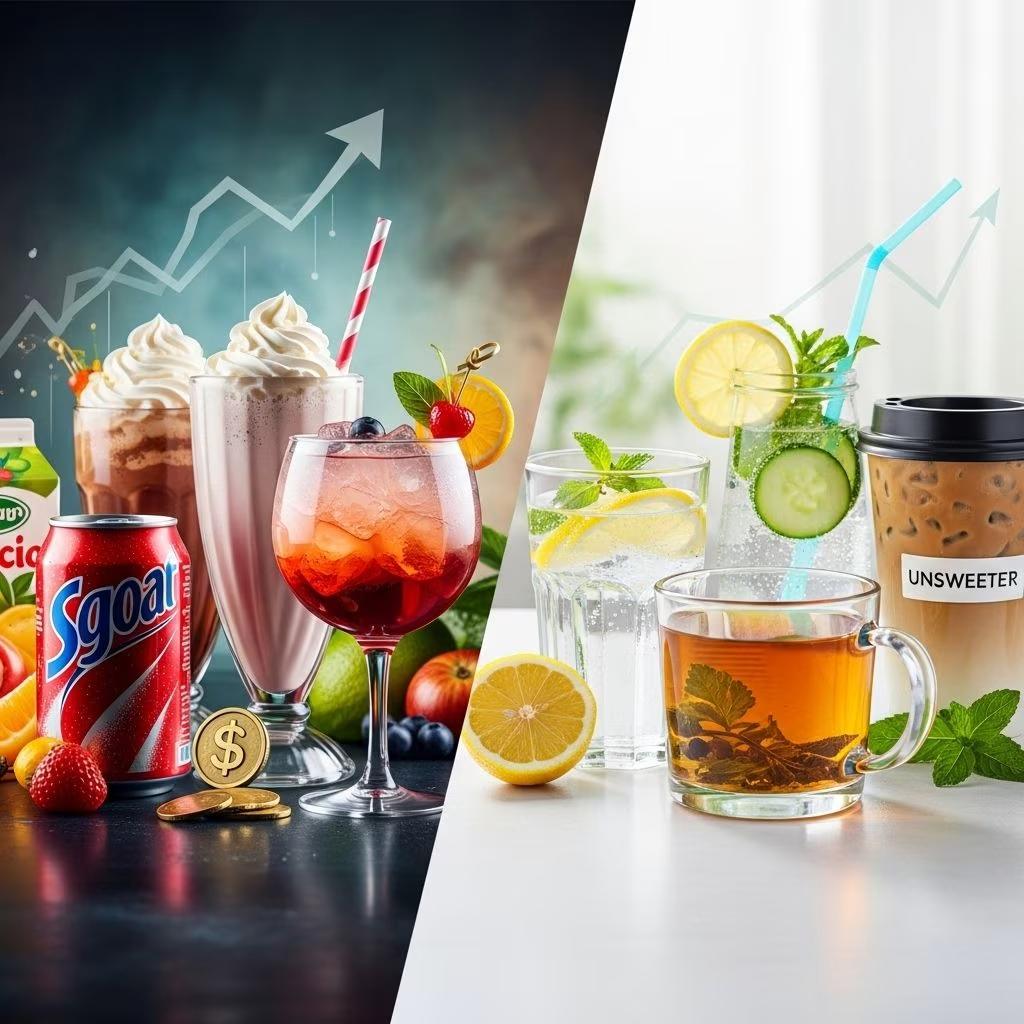
When it comes to maintaining or losing weight, most people think carefully about the food on their plates—but far fewer pay close attention to what they pour into their glasses. Hidden calories in drinks can quickly sabotage your weight loss efforts, sneaking into your daily routine without making you feel fuller. This article breaks down how beverages impact your calorie intake, highlights the worst offenders, and offers simple swaps for smarter sipping.
Why Liquid Calories Matter So Much
Calories consumed through drinks add up fast, often without providing the fullness or nutrition you get from solid foods. According to research, 10 to 20% of daily caloric intake in the typical American diet comes from liquid calories, especially from sweetened drinks like soda, juices, coffee beverages, and alcohol. Unlike foods, these beverages usually don’t trigger satiety—meaning you won’t automatically eat less food to compensate for what you drink.
- Liquid calories do not register on your appetite meter the way solid food does.
- Most people unknowingly consume hundreds of extra calories each day through drinks alone.
- Eliminating just one 200-calorie beverage daily could lead to a 20-pound weight loss over a year—without feeling extra hunger.
Major Culprits: Which Drinks Pack in the Most Calories?
Several categories of common beverages contribute disproportionately to your daily calorie count—and many lack any redeeming nutritional value. Here are the top sources deserving extra scrutiny in any healthy eating plan:
1. Sugary Soft Drinks
Regular sodas remain the single largest source of added sugar in the American diet. A 12-ounce can contains upwards of 140-150 calories, almost exclusively from sugar. Larger servings at restaurants or convenience stores can be even higher.
- Sugared sodas are linked to weight gain, diabetes, and increased risk for heart disease.
- They contribute little or no nutrition aside from fast-absorbed sugars.
2. Premixed & Flavored Coffee Drinks
The modern coffee shop menu is riddled with calorie bombs—from creamy lattes to frappes and mochas. A medium flavored latte or blended beverage often hits 200-500 calories (or more), especially when made with whole milk, whipped cream, or sweet syrups.
- A large coffee shop mocha can contain over 400 calories and as much sugar as a can of soda.
- Even a simple caffe latte at breakfast can silently blow your calorie budget.
3. Store-Bought Smoothies & Fruit Juices
Although fruit is healthy, many bottled smoothies and juices are more sugar concentrate than whole food. A single bottle may contain 300 calories and 40 grams of sugar—even if naturally occurring, your body treats this sugar the same way it processes added sugars.
- Manufactured smoothies often lack the fiber and protein of homemade versions and can be loaded with added juices or syrups.
- Even 100% fruit juice is calorie-dense, with little satiety benefit compared to eating the whole fruit.
4. Premixed Alcoholic Beverages & Cocktails
Mixed drinks can quickly skyrocket in calorie content due to sugary mixers, syrups, or creamy liqueurs. Many pre-mixed or bar cocktails contain 200-500 calories per serving, with 25-40 grams of sugar not uncommon.
- Mixers such as tonic, cream, or pre-made blends add extra sugar and calories.
- Sweeter drinks (e.g., margaritas, daiquiris, piña coladas) are typically the worst offenders.
5. Flavored Waters, Sports and Energy Drinks
While marketed as healthy, many enhanced waters and sports drinks are loaded with sugar. A typical sports beverage can have more than 100 calories per bottle, sometimes rivaling soda.
- Energy drinks also often contain high amounts of sugar and sometimes more caffeine than a regular cup of coffee.
How These Drinks Derail Weight Loss
When you add calorie-laden drinks on top of your regular meals, your total calorie intake increases without boosting fullness. The result: your body stores the excess as fat, and your weight loss stalls or reverses.
- Drinks do not trigger the same appetite regulation as solid foods, making it easy to overconsume calories without realizing it.
- Sweet beverages encourage a preference (and sometimes a craving) for sweet flavors, potentially leading to overeating of other sugary foods.
- These drinks often contribute nothing but “empty calories”—calories with little or no vitamins, minerals, or fiber.
How to Wean Yourself Off High-Calorie Beverages
You don’t need to ditch every favorite drink overnight. Lasting change comes from gradual swaps and smarter choices. Here’s how you can start to cut liquid calories without feeling deprived:
- Step down gradually: Replace one calorie-laden drink daily with a lower-calorie or calorie-free alternative. For example, swap a soda for sparkling water or an unsweetened iced tea.
- Control portion sizes: If you enjoy juice, dilute it with water and serve in a smaller glass.
- Read labels: Pay attention to the serving size and total calories (not just “per serving” but per bottle or cup).
- DIY your favorites: Make homemade smoothies, coffee drinks, or flavored waters so you know exactly what goes in.
- Rethink alcohol habits: Alternate an alcoholic drink with a glass of water, choose lighter mixes, and avoid creamy or sugar-laden cocktails.
Smart Swaps: Lower-Calorie, Healthier Drink Choices
Ready to refresh your drink habits? Here are some of the best substitutions that will help slash your calorie intake—and might even offer added nutritional benefits:
| High-Calorie Drink | Typical Calories | Healthier Swap | Calories (approx.) |
|---|---|---|---|
| Regular Soda | 140-150 / 12 oz | Sparkling water with lemon or lime | 0 |
| Sweetened Iced Tea | 120-180 / 16 oz | Unsweetened iced tea (add fresh fruit for flavor) | 0-5 |
| Fruit Juice (bottled) | 150-200 / 12 oz | Infused water with fresh fruits or herbs | 0-5 |
| Bottled Smoothie (pre-mixed) | 250-400 / bottle | Homemade smoothie (blend fruit, protein powder, greens) | 120-200 |
| Margarita (premixed) | 200-400 / serving | Vodka soda with a squeeze of citrus | 96 |
| Coffeehouse Mocha or Latte | 200-500 / large | Plain coffee with a splash of milk | 20-50 |
| Sports Drink | 80-120 / 20 oz | Plain or electrolyte-enhanced water | 0-5 |
‘Better’ Drinks: What About Milk, 100% Juice, and Alcohol?
Some calorie-containing drinks deserve a place in your diet because they offer important nutrients:
- Low-Fat Dairy or Soy Milk: Provide calcium, vitamin D, and protein. Aim for one or two cups daily—but avoid sweetened versions.
- 100% Pure Juice: Offers antioxidants and vitamins, but is still calorie-dense. Stick to a 4-6 oz serving size and prioritize whole fruits for fiber.
- Tomato, Orange, or Concord Grape Juice: Antioxidant-rich; go for those labeled “100% juice” with no added sugars or preservatives.
- Alcohol: If you drink, choose the lowest-calorie options in moderation. See below for details.
Lowest-Calorie Alcoholic Drinks — And What to Avoid
You can enjoy alcohol and still reach your health goals if you pick wisely. Keep in mind that it’s mostly the mixers and added sugars—rather than the alcohol itself—that spike the calorie count. Here are some of the best (and worst) alcohol choices:
| Drink | Typical Calories | Tips |
|---|---|---|
| Vodka Soda | 96 | Add citrus or fresh herbs for flavor; no sugar. |
| Light Beer | 103 | Light options save up to 50 calories vs. regular beer. |
| Dry Rosé | 120 | Choose European or South American varieties; avoid sweet rosés. |
| Champagne | 90–100 | Unoaked sparkling wines are usually lower in calories. |
| Margarita (from mix) | 250–400 | Avoid pre-made mixes and syrups; make fresh at home. |
| Sugary Cocktails (Daiquiris, Piña Coladas) | 300–500 | Loaded with sugar and empty calories. Avoid or limit. |
- Avoid sweet liqueurs, creamy cocktails, and bar mixes with sugar, juice, or heavy syrups.
- Alcohol dehydrates—alternate each alcoholic drink with a glass of water.
- Limit garnishes like salt rims or syrup-soaked cherries, which add hidden calories.
Tips for Healthier, Mindful Drinking
- Always carry water, and aim for at least 8 glasses a day to stay hydrated and support metabolism.
- Create your own flavored waters with slices of cucumber, citrus, berries, or herbs for excitement without sugars.
- Remind yourself: It’s easier to avoid calories by making your home your main beverage source, where you have full ingredient control.
- Keep healthy drink options prepped and visible in your fridge.
- Perform a one-week drink diary to discover hidden calorie pitfalls—then swap for smarter choices.
- If you crave caffeine, try unsweetened black coffee or tea. Skip the blended, sweetened, and topped options most of the time.
Frequently Asked Questions (FAQs) on Drink Calories and Weight Loss
Q: How many drinks a day should I have if I want to lose weight?
A: For weight loss, prioritize water, unsweetened tea or coffee, and a moderate amount of nutrient-rich low-fat milk or pure juice. Limit calorie-containing beverages to no more than one per day, and only if they provide nutritional value.
Q: Are diet sodas a good substitute for regular soda?
A: Diet sodas eliminate sugar and calories, but their long-term health effects are still debated. Some studies suggest they may maintain a preference for sweet flavors, which could impact your diet overall. Use in moderation and prioritize water when possible.
Q: How can I make my own low-calorie coffee beverages?
A: Brew strong coffee at home and add a splash of low-fat or plant-based milk, cinnamon, or cocoa powder for flavor. Skip whipped cream, sweetened syrups, and creamy flavorings.
Q: Why don’t drinks make me feel full like food does?
A: Liquid calories don’t provide the fiber, bulk, or satiety signals that solid foods do, so your body doesn’t register them as filling—which can lead to overeating.
Q: Can I lose weight just by changing what I drink?
A: Yes, for many people, reducing or eliminating calorie-rich beverages can lead to notable weight loss over time—as much as 20 pounds a year—without requiring major changes to other parts of the diet.
Key Takeaways
- Liquid calories are easy to underestimate and can stall or reverse weight loss progress if left unchecked.
- Focus on water, unsweetened teas and coffees, homemade smoothies, and nutrient-rich dairy for best health and weight results.
- Watch out for sweetened, pre-mixed, or creamy drinks; save them for occasional treats, not daily habits.
References
- https://www.prevention.com/food-nutrition/g63919537/drinks-to-never-drink/
- https://www.prevention.com/weight-loss/g23473697/lowest-calorie-alcohol/
- https://www.prevention.com/weight-loss/a20452814/weight-loss-program-drinks-calories/
- https://www.prevention.com/weight-loss/a20451522/weight-loss-drinks-and-calories/
- https://www.prevention.com/weight-loss/a20428292/drinks-and-calories/
- https://www.prevention.com/weight-loss/a20469099/drinks-and-calories-0/
- https://www.prevention.com/weight-loss/a20465664/calories-food-and-drinks/
- https://www.prevention.com/weight-loss/a20497161/drink-water-for-weight-loss/
- https://www.prevention.com/food-nutrition/healthy-eating/a19831490/is-coffee-good-for-you/
- https://www.prevention.com/health/health-conditions/a37055697/sugary-drinks-colorectal-cancer-risk/


