


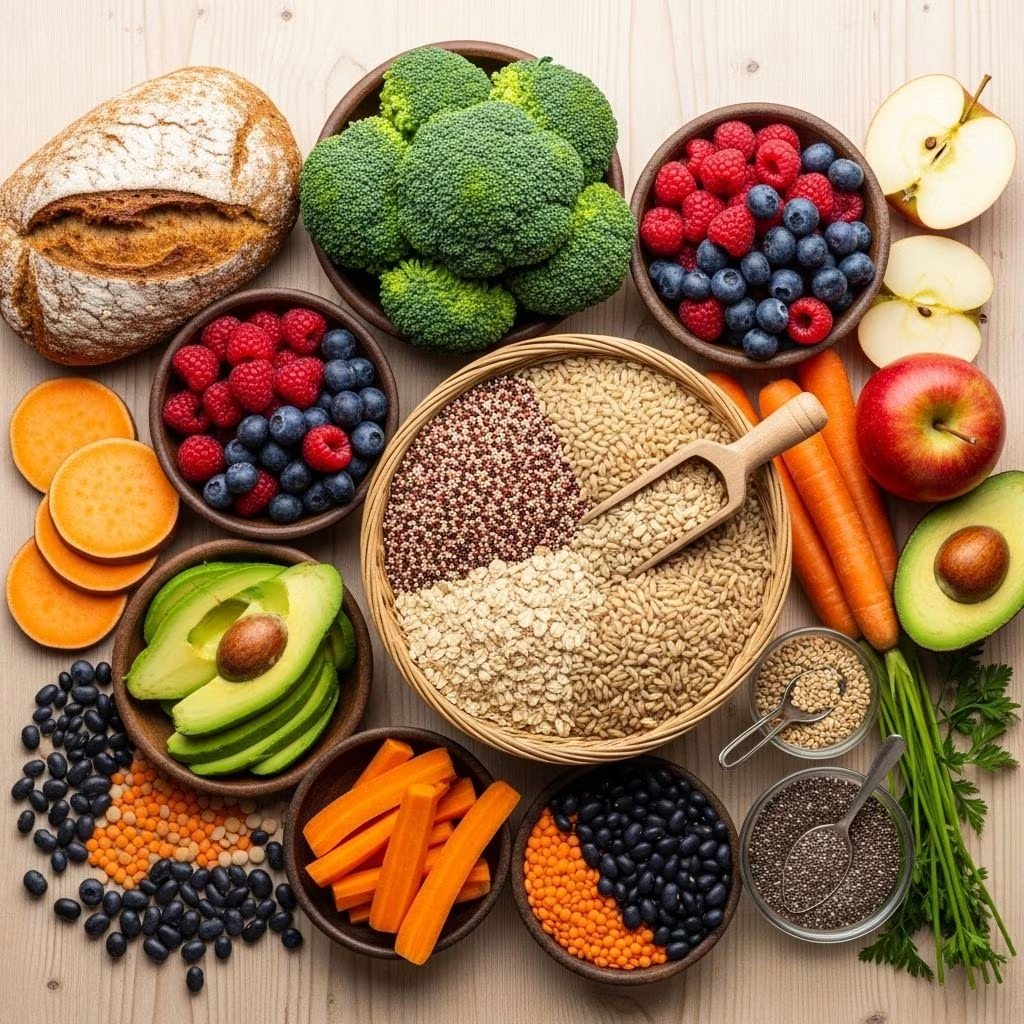
Why High-Fiber Carbohydrates Deserve a Place on Your Plate
If you’re trying to lose weight, maintain steady energy, support your digestive system, or protect your heart, the type of carbohydrates you choose can have a major impact. While low-carb diets are popular, it’s crucial not to overlook the power of high-fiber carbohydrates, which offer unique and wide-ranging health benefits. Unlike simple carbs, which can spike blood sugar and encourage overeating, fiber-rich carbs provide sustained energy, help regulate appetite, and support overall wellness.
What Are High-Fiber Carbohydrates?
High-fiber carbohydrates refer to foods that are naturally rich in dietary fiber but not overloaded with rapidly absorbed sugars. Fiber is a type of carbohydrate found exclusively in plants. Unlike other carbs, fiber cannot be digested by your body, yet it plays vital roles in your digestive system, metabolism, and even in maintaining a healthy weight.
Types of Dietary Fiber
- Soluble Fiber: Absorbs water to form a gel-like substance in the gut. It helps slow digestion, regulates blood sugar, and lowers cholesterol. Sources include oats, legumes, apples, citrus fruits, carrots, and barley.
- Insoluble Fiber: Adds bulk to stool and helps food pass more quickly through the stomach and intestines. It supports regular bowel movements and prevents constipation. Sources include whole grains, nuts, seeds, potatoes, and the skins of fruits and vegetables.
Main Benefits of Eating High-Fiber Carbs
- Weight Loss and Appetite Control: High-fiber foods help you feel full longer, reduce calorie intake, and curb cravings without drastic calorie restriction.
- Digestive Health: Fiber promotes regularity, prevents constipation and hemorrhoids, and supports a healthy gut environment.
- Blood Sugar Management: Fiber slows glucose absorption, helping stabilize blood sugar spikes — especially important for people with diabetes or insulin resistance.
- Heart Health: Soluble fiber helps reduce cholesterol, triglycerides, and blood pressure, lowering your risk of heart disease.
- Lifespan and Disease Prevention: Higher fiber intake is linked with reduced risk for certain cancers, lower rates of chronic disease, and even longer life.
How High-Fiber Carbs Support Weight Loss
Fiber-rich carbohydrates influence body weight in several ways. By adding bulk to your meals, slowing digestion, and triggering satiety hormones, you naturally eat less, but feel more satisfied. Studies confirm that increasing dietary fiber makes weight management easier, especially for those struggling with overeating or metabolic conditions. Additionally, fiber reduces the calorie density of food, meaning you consume fewer calories without sacrificing volume or taste.
Improving Digestive Health and Preventing Disease
Dietary fiber is essential for gut health. Insoluble fiber increases stool bulk, reduces constipation, and lowers the risk for hemorrhoids and diverticulitis. Soluble fiber can help solidify loose stools by absorbing excess water. Some fiber types act as prebiotics, feeding beneficial gut bacteria and therefore supporting immune function and overall gut harmony. High-fiber diets are linked with reduced risk of colorectal cancer.
Blood Sugar and Insulin Control: The Fiber Effect
Unlike sugars and refined starches, fiber does not cause blood sugar spikes. Soluble fiber slows digestion and sugar absorption, leading to more stable blood glucose levels. This effect is vital for individuals with diabetes and anyone aiming to reduce their risk of metabolic disease. Regular consumption of high-fiber carbs is associated with better long-term glycemic control.
Heart Health: Cholesterol Reduction and Beyond
Soluble fiber found in oats, beans, and fruits helps block cholesterol absorption in the intestines, lowering total and LDL “bad” cholesterol. It also plays a role in reducing blood pressure and systemic inflammation, two additional risk factors for heart disease. While some studies show mixed results over the long term, the evidence is strong for significant short-term improvements in cardiovascular markers with increased dietary fiber.
How Much Fiber Do You Need?
Health organizations recommend that women aim for at least 25 grams and men for at least 38 grams of fiber per day. However, the average intake is far below these goals. To meet your daily fiber needs, consistently include high-fiber carbs at every meal and snack.
The Best High-Fiber Carb Foods to Add to Your Diet
Below is a comprehensive table detailing excellent sources of high-fiber carbohydrates to support your health:
| Food | Fiber per Serving | Type of Fiber | Notable Nutrients |
|---|---|---|---|
| Lentils (1 cup, cooked) | ~15-16g | Soluble | Protein, iron, B vitamins |
| Black Beans (1 cup, cooked) | ~15g | Soluble/insoluble | Protein, potassium |
| Chickpeas (1 cup, cooked) | ~12g | Soluble | Protein, folate, manganese |
| Whole Oats (1 cup, cooked) | ~4g | Soluble | Magnesium, zinc |
| Barley (1 cup, cooked) | ~6g | Soluble | Selenium, B vitamins |
| Quinoa (1 cup, cooked) | ~5g | Insoluble | Protein, magnesium |
| Broccoli (1 cup, raw) | ~2.5g | Insoluble/soluble | Vitamin C, vitamin K |
| Carrots (1 cup, raw) | ~3.5g | Insoluble/soluble | Beta-carotene, potassium |
| Chia Seeds (2 tbsp) | ~10g | Soluble/insoluble | Omega-3 fats, protein |
| Avocado (1 medium) | ~10g | Insoluble/soluble | Healthy fats, potassium |
| Pears (1 medium) | ~5.5g | Soluble | Vitamin C, copper |
| Apples (1 medium, with skin) | ~4.5g | Insoluble/soluble | Vitamin C, antioxidants |
| Sweet Potatoes (1 medium, cooked) | ~4g | Insoluble/soluble | Beta-carotene, potassium |
| Whole Wheat Bread (1 slice) | ~2g | Insoluble/soluble | B vitamins, magnesium |
Tips for Adding More High-Fiber Carbs to Your Meals
- Start your day with a whole grain breakfast, such as oatmeal, whole wheat toast, or quinoa porridge.
- Swap out white rice and pasta for barley, bulgur, or brown rice.
- Add beans and legumes to soups, salads, and stews.
- Choose snacks like raw vegetables, fresh fruit, or air-popped popcorn rather than processed foods.
- Include nuts and seeds in yogurt, cereal, and baked goods.
- Keep the skin on fruits and vegetables to maximize fiber content.
Possible Pitfalls and Important Considerations
- Increase fiber intake gradually to avoid bloating or discomfort.
- Drink plenty of water, as fiber absorbs liquids and can cause constipation if dehydrated.
- Monitor your response if you have digestive issues like IBS; focus on low-FODMAP fiber sources if sensitivity is an issue.
- Aim for variety — a broad range of plant foods provides both soluble and insoluble fiber, plus diverse nutrients.
Frequently Asked Questions (FAQs)
Q: Can eating too much fiber cause problems?
A: While fiber is essential, a sudden sharp increase can lead to bloating, gas, or constipation, especially if fluid intake is low. Gradually increase fiber and drink water to minimize discomfort.
Q: Are fiber supplements as effective as fiber-rich foods?
A: Supplements can help fill gaps, but whole foods offer more nutritional benefits, including vitamins, minerals, and beneficial plant compounds that supplements lack.
Q: Is it possible to eat too many high-fiber carbs while watching my carb intake?
A: Many high-fiber foods are low in digestible carbs, meaning they support lower-carb diets well. Check nutritional labels and focus on vegetables, legumes, and whole grains suited for your needs.
Q: How does fiber interact with blood sugar medications?
A: Soluble fiber slows sugar absorption, which may affect blood glucose readings and medication dosage. Always consult your healthcare provider for tailored advice.
Summary Table: Benefits of High-Fiber Carbohydrates
| Benefit | Type(s) of Fiber Involved | Example Foods |
|---|---|---|
| Weight Loss / Satiety | Soluble & Insoluble | Oats, beans, apples, broccoli |
| Digestive Health | Insoluble | Whole grains, nuts, veggies |
| Blood Sugar Control | Soluble | Lentils, barley, carrots |
| Heart Protection | Soluble | Oats, legumes, citrus fruits |
| Gut Microbiome Support | Fermentable | Onions, asparagus, bananas |
Conclusion: The High-Fiber Carb Advantage
Choosing high-fiber carbs over processed options is one of the simplest yet most powerful steps you can take for lifelong health. By incorporating beans, whole grains, fruits, vegetables, nuts, and seeds into your routine, you give your body the best foundation for managing weight, supporting digestive and heart health, and keeping blood sugar steady. Make the switch — your body, mind, and longevity will thank you.
References
- https://www.goodrx.com/well-being/diet-nutrition/foods-high-in-fiber-low-carb
- https://www.mayoclinic.org/healthy-lifestyle/nutrition-and-healthy-eating/in-depth/fiber/art-20043983
- https://www.health.harvard.edu/nutrition/foods-high-in-fiber-boost-your-health-with-fiber-rich-foods
- https://www.ncbi.nlm.nih.gov/books/NBK559033/
- https://www.mayoclinic.org/healthy-lifestyle/nutrition-and-healthy-eating/in-depth/high-fiber-foods/art-20050948
- https://www.healthline.com/nutrition/22-high-fiber-foods
- https://wicworks.fns.usda.gov/resources/eye-nutrition-fiber
- https://diabetes.org/food-nutrition/understanding-carbs/types-carbohydrates


