


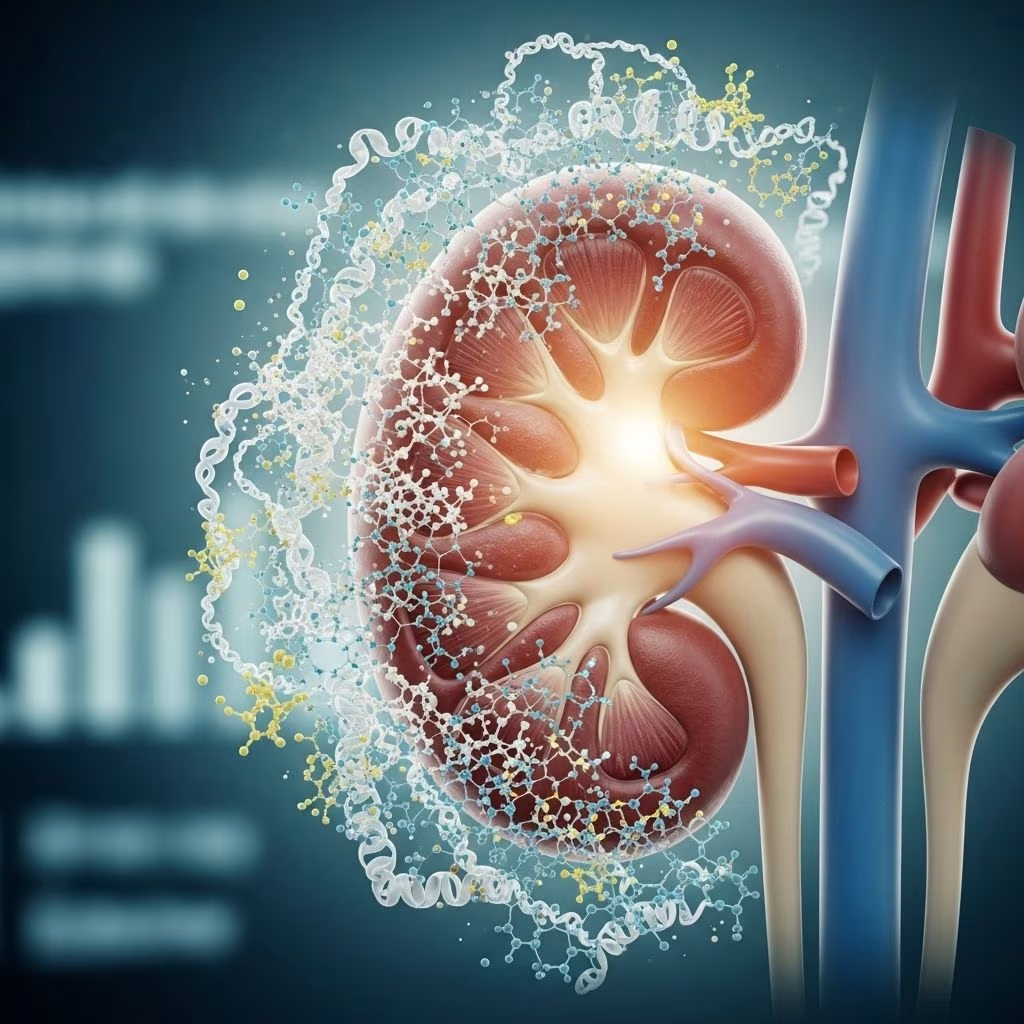
High-protein diets, such as the Atkins, Paleo, and Keto diets, have soared in popularity for their touted weight loss and muscle-building benefits. Yet, concerns swirl about whether loading your plate with protein—especially animal protein—could lead to an increased risk of kidney stones or even long-term kidney damage. This article unpacks the science behind high-protein diets and kidney health, focusing on kidney stones, and provides guidance to help you achieve balanced, healthy nutrition.
Understanding High-Protein Diets
High-protein diets prioritize protein intake—most often from animal sources—while curbing carbohydrates. Such diets are typically used for short-term weight management, fat loss, and sometimes muscle gain. Common sources of dietary protein include:
- Red meat (beef, pork, lamb)
- Poultry (chicken, turkey)
- Fish and seafood
- Eggs
- Dairy products (milk, cheese, yogurt)
- Plant proteins (legumes, nuts, seeds, soy)
Popular plans often advise protein intakes significantly above the recommended dietary allowance (RDA) of 0.8 grams per kilogram of body weight per day, sometimes reaching double or triple that amount.
What Are Kidney Stones?
Kidney stones are hard, mineralized deposits that form inside the kidneys when certain substances in urine become highly concentrated. The most common types include:
- Calcium oxalate stones: The majority, formed when calcium combines with oxalate.
- Uric acid stones: Formed in more acidic urine, often linked to high animal protein intake.
- Calcium phosphate stones: Less common, can be affected by urine pH.
- Cystine stones: Rare, caused by heredity.
Symptoms can be severe, ranging from sharp abdominal pain to blood in urine and frequent urination.
How High-Protein Diets May Affect Kidney Stone Risk
Various scientific studies have explored how high-protein diets, particularly those rich in animal protein, influence the risk of developing kidney stones. The findings can be summarized as follows:
- Increased Urinary Calcium and Uric Acid: High intake of animal proteins boosts the levels of calcium and uric acid in urine, which are key building blocks for stone formation.
- Lower Urinary Citrate: Protein-heavy diets can decrease citrate, a natural inhibitor of stones.
- Increased Kidney Acid Load: Animal proteins produce acids during digestion, increasing the acid burden on the kidneys and lowering urine pH—a factor in uric acid stone formation.
- Associations With Rapid Weight Loss Diets: Diets that induce quick weight loss using high protein can increase stone risk due to ketone production and dehydration.
Key Scientific Insights
- A six-week study on healthy adults showed higher urinary calcium levels and kidney acid load after switching to a high-protein, low-carbohydrate diet. Most subjects developed ketones in urine (from fat metabolism), further increasing acid levels.
- Short-term weight loss was achieved (average of nine pounds lost), but the risk markers for kidney stone development rose noticeably.
Despite short-term weight benefits, the research suggests that consistently eating well above the RDA for protein—especially from red meat and other animal sources—may carry risks for kidney stone formation.
How Protein Affects the Kidneys Mechanistically
The metabolism of dietary protein, especially animal products, has several direct effects relevant to stone risk:
- Increased Calcium Excretion: Metabolism releases acids requiring neutralization, often at the expense of calcium from bones, which is then lost in urine.
- Boosted Uric Acid Production: Animal protein metabolism leads to more uric acid, making urine more acidic and conducive to stone formation.
- Reduced Urinary Citrate: Lower urinary citrate reduces a key natural defense against stones.
Other Health Concerns With High-Protein Diets
- Nutritional Deficiencies: Limiting carbohydrates can mean less fruit, vegetables, and fiber—leading to vitamins, mineral, and antioxidant shortfalls.
- Increased Heart Disease Risk: Animal protein is often accompanied by saturated fat, raising cholesterol and cardiovascular risk; diets low in plant foods exacerbate this.
- Fatigue and Dizziness: Reduced carbohydrate intake can cause symptoms like tiredness and lightheadedness due to limited glucose supply.
- Concerns With Bone Health: High protein intake, especially when lowering calcium absorption, may have implications for bone health over the long term—and research remains ongoing in this area.
Who Is Most at Risk?
While most healthy people with normal kidney function can process high dietary protein with minor changes in urinary markers, certain groups are more vulnerable to the adverse effects:
- People with a personal or family history of kidney stones
- Individuals with chronic kidney disease (CKD)
- Those with metabolic syndrome or type 2 diabetes
- Older adults, as kidney function naturally decreases with age
Does the Source of Protein Matter?
Yes. Animal proteins—beef, pork, poultry, fish, eggs, dairy—pose a higher risk than plant proteins (beans, lentils, nuts, seeds, tofu, soy). Animal sources produce more acid, increase urinary calcium and uric acid, and lower citrate. In contrast, plant-based proteins have a lower acid load and may even offer protective benefits.
| Protein Source | Effect on Kidney Stone Risk |
|---|---|
| Red meat, poultry, fish, eggs, cheese | Increases risk—more acid and stone-promoting substances |
| Milk, yogurt (lower fat) | Moderate risk—saturated fat may add risk but benefit from calcium content |
| Beans, soy foods, nuts, seeds | Lower risk—less acid, higher fiber, often protective |
| Processed meats (sausages, deli meats) | Highest risk—excess sodium and saturated fats |
How Much Protein Is Safe?
For those concerned about kidney stones or overall kidney health, moderation is key:
- General Recommendation: Keep daily protein intake at or just above the RDA (0.8–1.0 grams per kilogram of body weight).
- If susceptible to stones: Many experts recommend not exceeding 80 grams of protein per day for adults.
- Balance protein sources: Incorporate more plant-based proteins and reduce reliance on red meat and processed animal products.
Guidelines for Kidney-Friendly Nutrition
To support kidney health and lower your risk of stones while still enjoying protein:
- Drink plenty of water: Hydration dilutes urine and reduces stone risk substantially.
- Eat calcium-rich foods: Get calcium from food (not supplements) to help prevent oxalate stones—it binds oxalate in the intestines, limiting stone-forming potential.
- Limit sodium: High sodium raises calcium levels in urine and can increase stone risk. Watch out for salty snacks, processed and canned foods.
- Moderate animal protein: Reduce portion sizes of meat, poultry, fish, and eggs. Try substituting more plant-based protein sources.
- Maintain a healthy weight: Obesity and rapid weight loss both increase the risk for certain types of stones.
- Eat a balanced diet: Include plenty of vegetables, fruits, whole grains, and plant-based proteins.
Sample Kidney-Friendly Meal Plan
- Breakfast: Oatmeal with berries, chopped nuts, and soymilk
- Lunch: Lentil and vegetable soup, whole grain pita, mixed green salad
- Snack: Apple with almond butter
- Dinner: Grilled salmon (small portion), quinoa, steamed broccoli, and a side of roasted sweet potatoes
- Hydration: Aim for at least 8–10 cups of water throughout the day
Myths & Misconceptions About Protein and Kidney Stones
- “You should cut out all protein to prevent stones.” Completely eliminating protein is neither advisable nor practical. Instead, aim for moderation, focus on plant-based sources, and avoid excesses.
- “Calcium is always bad for kidneys.” Calcium is important for bone and kidney health—just avoid excessive supplements and get most calcium from food.
- “Only red meat causes problems.” All animal proteins can contribute to acid load and stone risk, though red meat does have higher associations.
- “Everyone on a high-protein diet will get kidney stones.” Individual risk varies greatly. Genetics, hydration, and other health conditions matter.
Frequently Asked Questions (FAQs)
Q: How quickly does a high-protein diet affect kidney stone risk?
A: Some studies show markers of stone risk rising in as little as six weeks, but actual stone development can take months or years and depends on other risk factors.
Q: Should people with a family history of stones avoid high-protein diets?
A: Yes—those with a personal or family history of stones should moderate animal protein intake and maintain optimal hydration.
Q: Are all high-protein foods equally risky for the kidneys?
A: No. Animal proteins increase risk more than plant-based proteins, which are safer for most people.
Q: Is calcium supplementation bad if you’re worried about stones?
A: In most cases, calcium from food is safe and can be protective. Supplements, especially if not needed, may increase stone risk.
Q: Can you eat a high-protein diet safely if you’re healthy?
A: Most healthy adults can eat higher protein for short periods, but moderation and variety are key to lowering risk—benefit from professional nutrition advice if considering major dietary changes.
Takeaway: Balanced Diets for Kidney and Overall Health
High-protein diets can help some people lose weight and build muscle, but excess intake—especially of animal protein—can put stress on the kidneys and notably raise the risk of kidney stones in susceptible individuals. A balanced, varied diet with adequate hydration, moderate animal protein, increased plant proteins, and appropriate calcium from foods will best support kidney—and overall—health.
References
- https://pmc.ncbi.nlm.nih.gov/articles/PMC1169452/
- https://www.niddk.nih.gov/health-information/urologic-diseases/kidney-stones/eating-diet-nutrition
- https://utswmed.org/medblog/kidney-stone-prevention/
- https://med.umich.edu/1libr/urology/ProteinRestrictionGuidelines.pdf
- https://www.novanthealth.org/healthy-headlines/that-trendy-high-protein-diet-could-be-increasing-your-risk-of-kidney-stones
- https://www.brownhealth.org/be-well/5-foods-help-prevent-kidney-stones
- https://www.health.harvard.edu/blog/5-steps-for-preventing-kidney-stones-201310046721


