


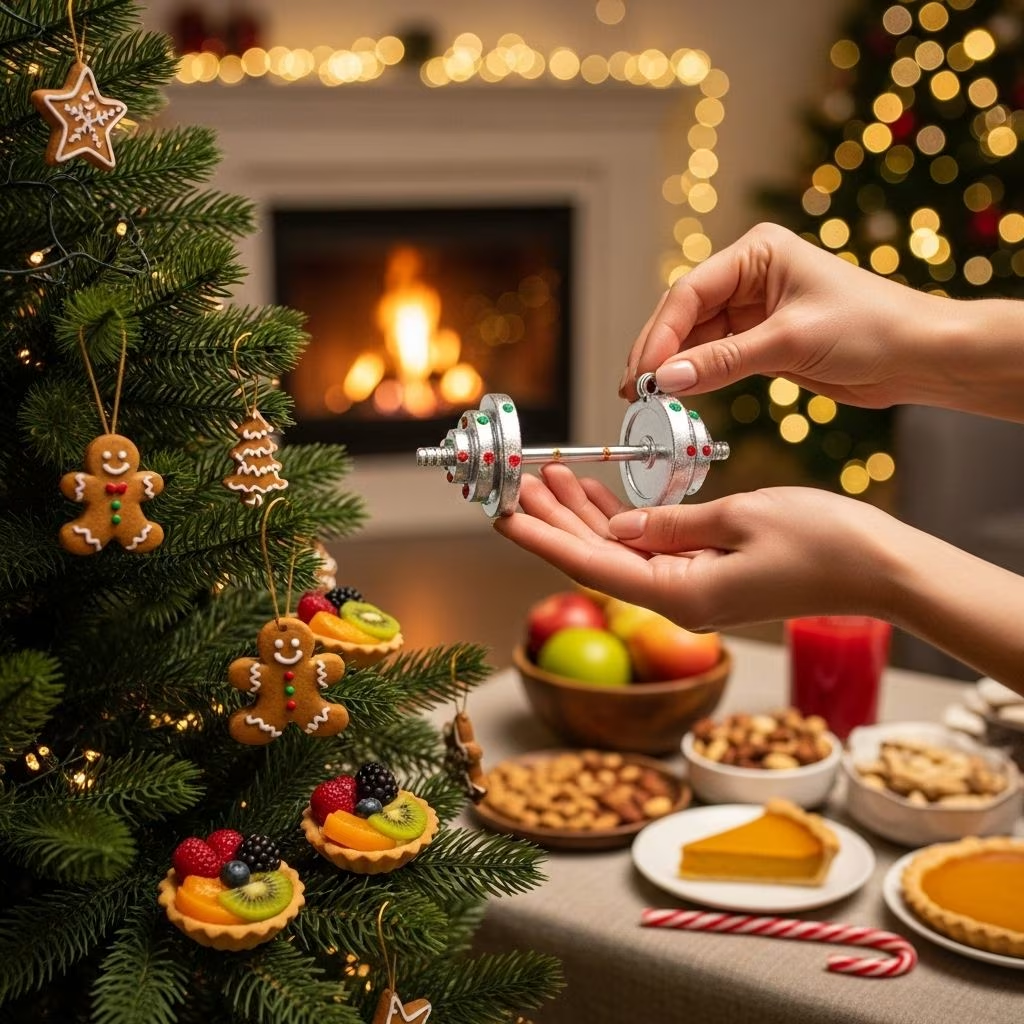
Holiday Weight Loss: Science-Backed Strategies to Stay Fit and Festive
\n\n
The holiday season often brings joy, celebration, and plenty of delicious food. However, these festivities also introduce challenges for maintaining a healthy weight. Studies consistently show that weight gain during the holidays is common among adults, and losing those extra pounds can take several months. This comprehensive guide explores the science behind holiday weight gain and provides actionable strategies to enjoy the season without derailing your health goals.
\n\n
Why Is Holiday Weight Gain So Common?
\n\n
The period spanning from late November to early January is particularly risky for weight gain. Multiple studies have shown:
\n
- \n
- Adults gain an average of 0.4 to 0.9 kg (approx. 1-2 lbs) over the holiday season, accounting for more than half of annual weight gain.
- Once gained, holiday weight is rarely lost throughout the following year.
- Factors driving seasonal weight gain include increased availability of high-calorie foods, reduced physical activity, and social pressure to indulge.
\n
\n
\n
\n\n
Evidence indicates that even motivated individuals and those actively trying to lose weight struggle to avoid holiday weight gain. While children and college students appear less affected, adults—especially those with a history of obesity—are particularly vulnerable.
\n\n
Understanding the Triggers of Holiday Overeating
\n
The holiday season brings social gatherings, cultural celebrations, and tempting foods that can disrupt even the most disciplined routines. Key risk factors include:
\n
- \n
- Frequent social events featuring rich meals, desserts, and beverages.
- Mindless snacking—starting with Halloween candy and continuing through New Year’s treats.
- Alcohol consumption, which not only adds empty calories but also lowers inhibitions toward overeating.
- Decrease in physical activity due to cold weather and busy schedules.
\n
\n
\n
\n
\n\n
Recognizing these triggers is the first step to developing effective preventative strategies.
\n\n
Expert Strategies to Prevent Holiday Weight Gain
\n
Authoritative sources and fitness experts recommend a range of tactics to help maintain healthy habits and minimize seasonal weight gain:
\n\n
1. Schedule Your Treats in Advance
\n
Plan indulgence days around major events so you can balance them with periods of healthy eating and activity. For example, if your office holiday party is on a Thursday, aim for nutrient-rich, balanced meals leading up to the event.
\n
- \n
- Designate specific days for indulgence and stick to them.
- Increase your attention to food quality and quantity on non-celebration days.
\n
\n
\n\n
2. Break a Sweat Before a Big Meal
\n
Physical activity before large meals can help offset extra calories and boost metabolism. Try scheduling a workout or brisk walk prior to holiday feasts.
\n
- \n
- Exercise increases insulin sensitivity, helping your body process food more efficiently.
- Start a tradition of group walks or quick workouts before or after holiday events.
\n
\n
\n\n
3. Offset Treats with Physical Activity
\n
One expert recommendation: for every treat consumed, complete an exercise such as 100 burpees—either all at once or throughout the day. This builds awareness and accountability for caloric intake.
\n
- \n
- Track treats and match them with movement challenges.
- Use short bursts of exercise to break up sedentary holiday routines.
\n
\n
\n\n
4. Learn to Pace Yourself When Eating
\n
Eating slowly can reduce total intake and increase satisfaction. Studies have shown that people who take their time eating consume fewer calories and feel fuller compared to those who eat quickly.
\n
- \n
- Take smaller bites and chew thoroughly.
- Put your fork down between bites and engage in conversation.
- Aim to spend at least 20 minutes eating your meal.
\n
\n
\n
\n\n
5. Beware of Oversized Beverages
\n
Holiday drinks can be deceptively large and loaded with calories. Research shows restaurant and bar drinks may be up to 43% larger than standard servings.
\n
| Beverage | Standard Serving | Holiday Serving (Typical) | Calories (approx.) |
|---|---|---|---|
| Beer | 12 oz | 16-18 oz | 150-225 |
| Wine | 5 oz | 7-8 oz | 120-190 |
| Spirits | 1.5 oz | 2-2.5 oz | 100-150 |
\n
Monitor your beverage size and limit intake to minimize unintended calories.
\n\n
6. Keep a Food Journal
\n
Tracking what you eat is one of the most effective methods for reducing caloric intake and supporting weight loss. According to research, individuals who consistently record their food intake lose more weight than those who do not.
\n
- \n
- Record meals, snacks, and beverages.
- Use digital tools or apps for convenience.
- Review logs weekly to identify patterns and adjust behaviors.
\n
\n
\n
\n\n
7. Don’t Forget Strength Training
\n
Maintaining muscle mass is critical for metabolic health, especially during periods when aerobic activity may decline due to cold weather or busy schedules.
\n
- \n
- Incorporate short strength workouts into your week, such as pushups, lunges, or resistance exercises while watching TV.
- Keep routines simple and manageable to encourage consistency.
\n
\n
\n\n
Science-Driven Tactics to Make Healthy Choices Easier
\n
Research points to several behavioral and environmental adjustments to keep holiday weight gain in check:
\n
- \n
- Modify your food environment: Place healthy snacks within reach and keep indulgent foods out of sight.
- Use smaller plates: Reducing dish size lowers unintentional overeating.
- Plan active family activities: Replace sedentary traditions with energetic group games or outings.
- Set realistic goals: Focus on weight maintenance rather than loss during the holiday period to reduce stress and improve adherence.
\n
\n
\n
\n
\n\n
Mindful Eating During Holiday Celebrations
\n
Mindfulness—the practice of being present and aware of your choices—can reduce impulsive eating and improve satisfaction. Here’s how to apply mindfulness during holiday meals:
\n
- \n
- Pause and assess your hunger before beginning the meal.
- Taste and savor each bite—enjoy textures and flavors rather than rushing.
- Recognize signals of fullness and stop when satisfied, not stuffed.
\n
\n
\n
\n\n
Maintaining Motivation and Willpower
\n
Holidays can challenge willpower through constant temptation and the perception that healthy habits can be put on hold. Experts recommend:
\n
- \n
- Visualize your health goals regularly, particularly before attending events.
- Surround yourself with supportive friends or family members.
- Avoid using foods as rewards—celebrate successes with non-food activities.
\n
\n
\n
\n\n
Frequently Asked Questions (FAQs)
\n\n
Q: Why do I gain weight so easily during the holidays?
\n
A: Studies show adults are exposed to high-calorie foods, increased alcohol, and reduced physical activity during social celebrations. Weight gained in this period is seldom lost afterward and often represents more than 50% of yearly weight gain.
\n\n
Q: Should I try to lose weight during the holidays or just maintain?
\n
A: Most health experts suggest aiming for weight maintenance rather than loss during holiday weeks. This reduces pressure and helps you build better habits.
\n\n
Q: How can I enjoy holiday food without gaining weight?
\n
A: Schedule your special treats, eat slowly, keep portions modest, maintain physical activity, and track what you eat.
\n\n
Q: What are easy ways to stay active during holiday gatherings?
\n
A: Quick strength exercises (pushups, lunges), group walks before or after meals, and activity-based games with family can keep you moving.
\n\n
Q: Which drinks should I watch out for at holiday parties?
\n
A: Wine, beer, and cocktails are often served in larger-than-standard portions, packing in more calories. Limit intake and opt for seltzer, tea, or light versions if possible.
\n\n
Sample Holiday Plan for Weight Maintenance
\n\n
| Day | Focus | Suggested Strategies |
|---|---|---|
| Monday-Wednesday | Healthy habits | Meal prep, increase veggies, moderate snack intake, daily movement |
| Thursday (Party) | Indulgence | Workout early, portion control at party, drink water with alcohol, log food |
| Friday | Recovery | Return to balanced eating, incorporate extra movement |
\n\n
Conclusion: Making the Most of Your Holiday Season
\n
The keys to avoiding unwanted weight gain during the holidays are preparation, mindful eating, regular activity, and self-monitoring. By implementing tips from nutrition scientists and fitness professionals, you can enjoy seasonal festivities while safeguarding your health. Remember, small changes—like pacing your meals, recording intake, and keeping physically active—can transform holiday health from a source of stress into a celebration of well-being.
\n\n
Key Takeaways
\n
- \n
- Holiday weight gain is common but preventable with proactive strategies.
- Scheduling cheat days, pacing meals, and keeping active are effective tactics.
- Tracking food and activity is a proven method for better control.
- Focusing on weight maintenance can help reduce pressure and improve long-term outcomes.
- Enjoy holiday meals mindfully and celebrate with movement.
\n
\n
\n
\n
\n
References
- https://www.prevention.com/weight-loss/a20489358/prevent-holiday-weight-gain/
- https://pmc.ncbi.nlm.nih.gov/articles/PMC5514330/
- https://www.prevention.com/weight-loss/a20451774/holiday-eating-tips/
- https://www.prevention.com/weight-loss/a20429481/weight-loss-and-the-holidays/
- https://www.prevention.com/weight-loss/a20435966/holiday-weight-loss/
- https://www.prevention.com/weight-loss/a20439262/how-to-lose-holiday-pounds/
- https://www.prevention.com/weight-loss/a20496600/lost-weight-eating-through-italy/
- https://www.prevention.com/weight-loss/a20472409/how-to-prevent-holiday-weight-gain/
- https://www.prevention.com/weight-loss/a20497331/whole30-diet-and-25-pound-weight-loss/
- https://www.prevention.com/weight-loss/a20465909/weight-loss-travel-tips/


