


Heart disease continues to rank as one of the most common health threats worldwide. But what role do dietary fats really play in this phenomenon? Decades of research have shifted the narrative, providing a much more nuanced view of how fat in your diet affects your arteries—and your overall cardiovascular health. In this in-depth guide, we’ll examine the science, unveil dietary truths, and provide practical solutions for keeping your arteries clear and your heart strong.
Understanding Heart Disease and Arterial Health
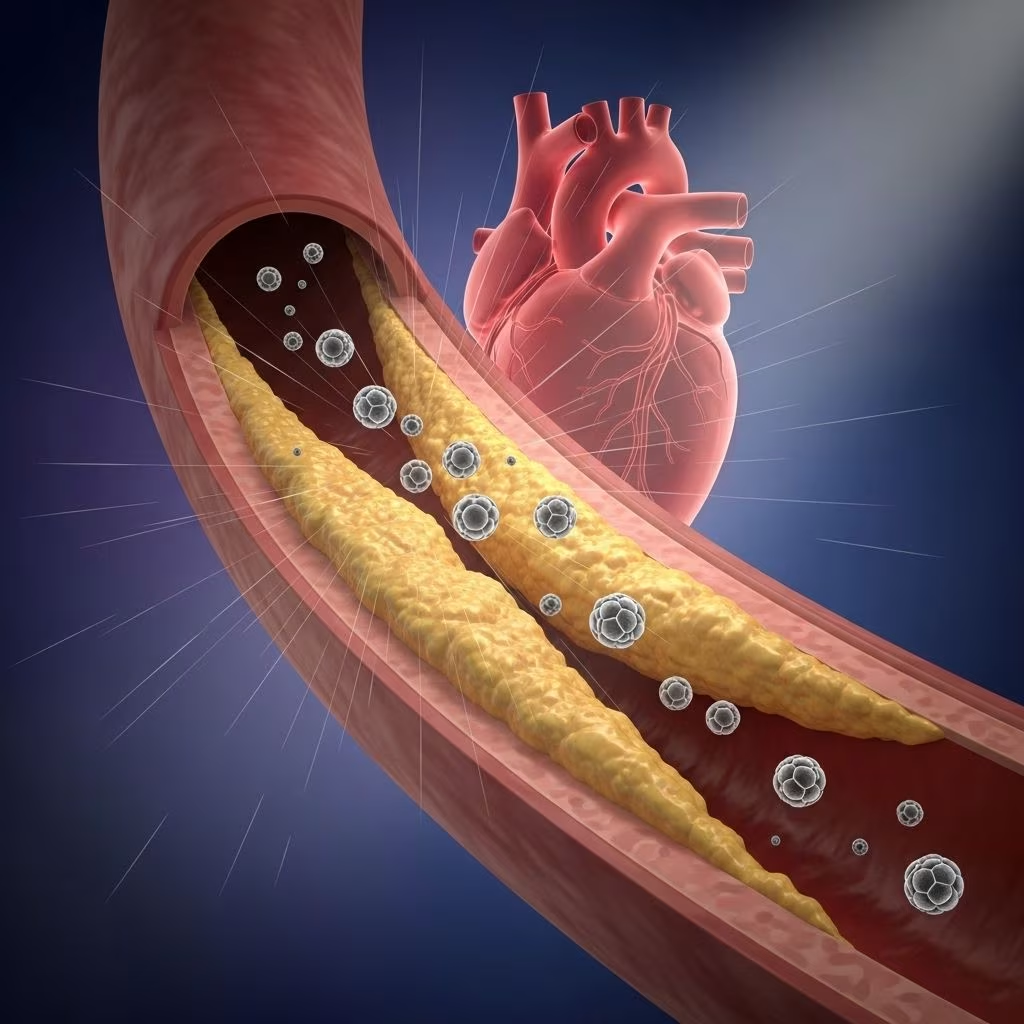
Before exploring the relationship between dietary fats and artery health, it’s crucial to understand what heart disease means. The most common type, coronary artery disease (CAD), develops when the arteries supplying blood to the heart become narrowed or blocked due to the buildup of cholesterol-laden plaques—a process known as atherosclerosis. This can starve the heart of oxygen, leading to chest pain (angina), heart attacks, or even sudden cardiac death.
Key Risk Factors for Heart Disease
- High LDL (“bad”) cholesterol
- Low HDL (“good”) cholesterol
- High blood pressure
- Smoking
- Diabetes
- Obesity
- Family history of premature heart disease
But how do the fats you eat influence the formation of these dangerous artery-clogging plaques?
The Science of Fat: Not All Fats Are Created Equal
For years, conventional wisdom blamed dietary fat in general for raising cholesterol and triggering heart disease. Newer studies have clarified that the type of fat matters more than the total amount.
Types of Dietary Fats
- Saturated Fat — Found in red meat, butter, cheese, cream, processed foods, coconut oil. Raises LDL cholesterol, promoting plaque buildup.
- Trans Fat — Present in partially hydrogenated oils, commercial baked goods, and some processed snacks. Not only raises LDL but also lowers HDL; considered the worst for heart health.
- Unsaturated Fat (Monounsaturated and Polyunsaturated) — Found in nuts, seeds, avocados, olives, and oils such as canola, olive, sunflower, and safflower. These fats can lower LDL and raise protective HDL cholesterol.
| Fat Type | Common Sources | Effect on Cholesterol | Impact on Heart |
|---|---|---|---|
| Saturated Fat | Red meat, butter, full-fat dairy | Raises LDL | Increases risk |
| Trans Fat | Processed snacks, fried foods | Raises LDL, lowers HDL | Greatest risk |
| Monounsaturated Fat | Olive oil, nuts, avocados | Lowers LDL | Lowers risk |
| Polyunsaturated Fat | Fish, flaxseed, walnuts | Lowers LDL | Lowers risk |
Key Point: Diets high in saturated and trans fats raise LDL cholesterol, a primary driver of atherosclerotic plaque in arteries.
How Fat Buildup Damages Your Arteries
When you consume excess unhealthy fats, particularly saturated and trans fats, your liver boosts production of LDL cholesterol. Excess LDL circulates in your bloodstream, and eventually infiltrates the lining of your arteries. Here, it gets trapped and starts to build up as fatty streaks. Over time, these enlarge and combine with other substances—like calcium and inflammatory cells—to become plaques.
- Early Stage: Fatty deposits begin forming in artery walls.
- Plaque Formation: Plaques grow and stiffen arteries, narrowing the path for blood.
- Rupture Risk: If a plaque ruptures, it can form a blockage, leading to a heart attack.
This entire process is driven and accelerated by unhealthy fat intake—but it’s not irreversible. Changes to your lifestyle can slow, stop, and even, in some cases, reverse early atherosclerosis.
How Much Fat Is Too Much?
The 2020-2025 Dietary Guidelines for Americans, and the American Heart Association, offer clear targets for fat intake:
- Saturated fat: Less than 6% of total daily calories (for a 2,000-calorie diet, that’s roughly 11–13 grams per day).
- Trans fat: Avoid as much as possible—aim for zero intake.
Tip: Read food labels carefully. Pay attention not just to total fat, but to the types of fat listed.
Beyond Fat: Cholesterol, Sugar, and Processed Foods
While saturated and trans fats are key drivers of heart disease, they’re not the only culprits. Excess dietary cholesterol (found in animal products), high sugar intake, and consumption of processed foods also contribute to plaque buildup and arterial damage.
- Avoid processed foods high in added sugars, sodium, and unhealthy fats.
- Choose whole foods like fruits, vegetables, legumes, whole grains, lean proteins, and nuts.
- Swap animal fats for plant oils — example: use olive or canola oil instead of butter.
Top Diets and Foods for Arterial Health
Research consistently shows that plant-based and Mediterranean-style diets are associated with a lower risk of heart disease. These diets emphasize whole grains, plant fats, and lean proteins:
- Plenty of fruits and vegetables
- Whole grains (oats, barley, brown rice, quinoa)
- Legumes and beans
- Lean fish and skinless poultry (if eating animal products)
- Nuts and seeds
- Olive oil and other unsaturated oils
- Low-fat or fat-free dairy (if including dairy)
In contrast, limit foods like red meats, butter, cream, cheese, fried items, commercially baked goods, sodas, and sweets.
How to Lower Your Fat Intake
Making practical changes can significantly cut back your intake of unhealthy fats:
- Trim visible fat from meats; choose lean cuts.
- Switch to low-fat or nonfat dairy.
- Use less butter, margarine, and shortening when preparing foods; try herbs or citrus for flavor instead.
- Bake, grill, steam, or broil foods rather than fry them.
- Read labels for “partially hydrogenated oils”—a red flag for trans fats.
- Snack on nuts or seeds instead of chips or pastries.
Additional Lifestyle Habits to Protect Your Arteries
Changing your diet is the cornerstone, but a complete prevention plan includes multiple healthy habits:
- Exercise regularly: Aim for at least 150 minutes per week of moderate aerobic activity such as brisk walking, swimming, or cycling.
- Don’t smoke. Smoking damages blood vessels, accelerates plaque buildup, and multiplies the risk of heart attacks.
- Manage blood pressure and blood sugar. High blood pressure and diabetes both raise your risk.
- Maintain a healthy weight. Extra body fat raises your risk of heart disease and worsens metabolic issues.
The Role of Medication
For some people, lifestyle changes may not be enough to reach healthy cholesterol or blood pressure levels. Medication can be a vital tool, often in combination with diet and exercise. Commonly used drugs include:
- Statins: Lower LDL cholesterol and reduce plaque buildup.
- Antiplatelet agents: (like low-dose aspirin) to reduce blood clot risk.
- Blood pressure medications to protect arteries that may be under too much strain.
If you have a strong family history of early heart disease, discuss early screening and possible medication with your doctor—even if you feel healthy.
Frequently Asked Questions (FAQs) About Fat and Heart Disease
Q: Are all fats equally bad for my heart?
A: No. Unsaturated fats from sources like olive oil, nuts, and fish are heart-protective and can lower bad cholesterol. Only saturated and trans fats primarily increase your heart disease risk.
Q: Is eating cholesterol-rich foods always dangerous?
A: Not always. For many people, dietary cholesterol from eggs or shrimp has less impact on blood cholesterol than once thought. The larger dangers are saturated fat and trans fat, especially in the context of unhealthy eating patterns.
Q: Can I reverse plaque buildup in my arteries through diet?
A: Recent research suggests that intensive lifestyle changes—including a heart-healthy diet, regular exercise, quitting smoking, and medication when needed—can halt, slow, and sometimes partially reverse early atherosclerosis. Advanced plaques, however, may be permanent. Prevention remains the best approach.
Q: Does switching from butter to oils make a real difference?
A: Yes. Replacing saturated fat sources like butter with unsaturated oils like olive or canola oil can lower LDL cholesterol and reduce your risk of heart disease.
Q: What if I already have high cholesterol?
A: A combination of dietary changes, exercise, weight management, and medication (as directed by your doctor) is the most effective strategy for lowering cholesterol and reducing risk of heart attacks or strokes.
Smart Eating Tips for a Healthy Heart
- Fill half your plate with fruits and vegetables at every meal.
- Choose whole grains over refined grains for bread, rice, and pasta.
- Limit sodium by avoiding processed foods; cook from scratch when possible.
- Flavor foods with spices, herbs, and citrus to cut back on salt and fat.
- Stay hydrated with water or unsweetened beverages instead of sugary drinks.
- Use avocado or nut butter instead of creamy spreads made with animal fat.
Conclusion: The New Rules of Fat and Heart Health
The science is clear: what kind of fat you eat—and your overall dietary pattern—pose a far greater influence on your heart and arteries than simply counting grams of fat. Focus on reducing saturated and trans fats, eating more plant-based foods, moving regularly, and working with your doctor to manage all cardiovascular risks. Clear arteries and a healthy heart begin at the table—and your lifestyle choices can turn the tide against heart disease.
References
- https://www.urmc.rochester.edu/encyclopedia/content?contenttypeid=1&contentid=1583
- https://www.mayoclinic.org/diseases-conditions/heart-disease/in-depth/heart-healthy-diet/art-20047702
- https://nyulangone.org/news/top-cardiologists-offer-four-strategies-preventing-coronary-artery-disease
- https://www.heart.org/en/health-topics/cholesterol/prevention-and-treatment-of-high-cholesterol-hyperlipidemia
- https://www.mayoclinic.org/diseases-conditions/heart-disease/in-depth/heart-disease-prevention/art-20046502
- https://www.health.harvard.edu/heart-health/can-we-reduce-vascular-plaque-buildup
- https://www.cdc.gov/heart-disease/prevention/index.html
- https://www.mountsinai.org/health-library/diseases-conditions/hardening-of-the-arteries


