


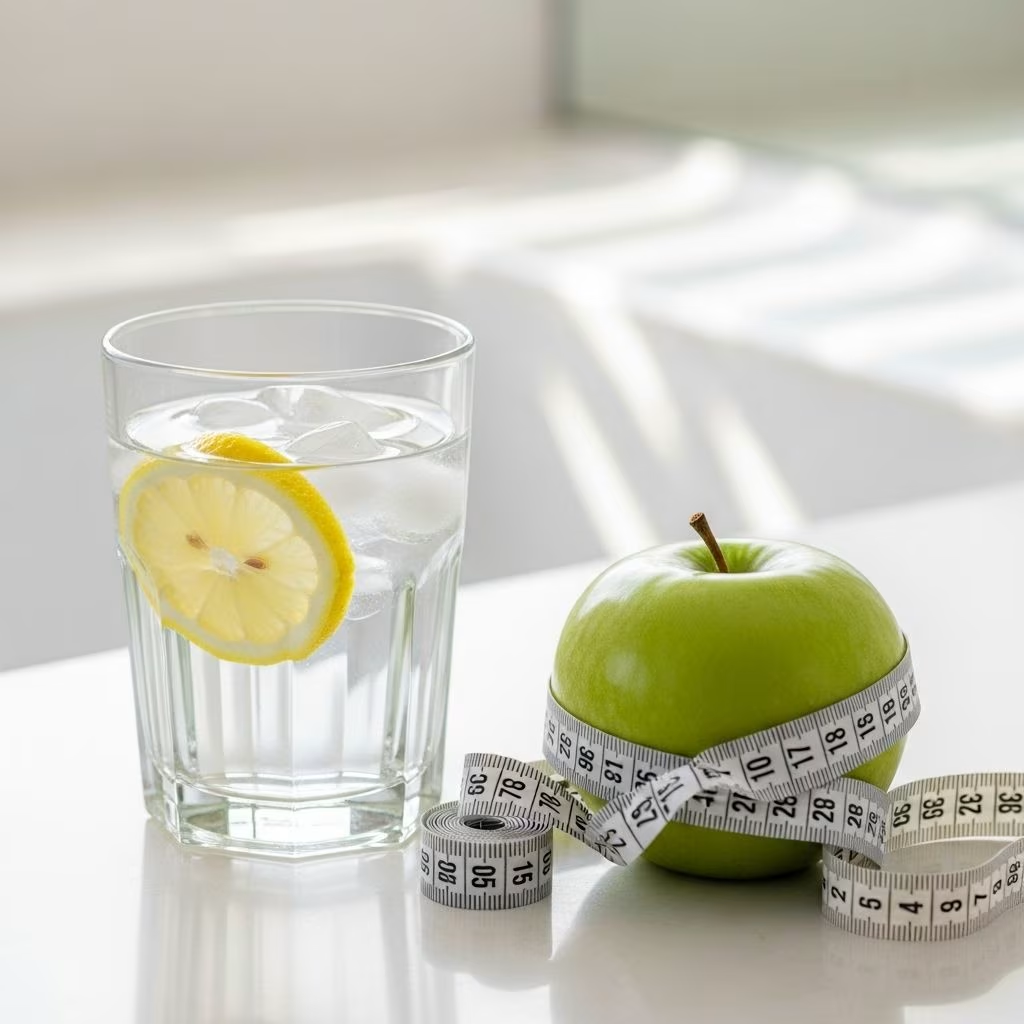
How Drinking More Water Can Effectively Aid Weight Loss
Water isn’t just essential for survival—it’s also one of the most underrated nutrients when it comes to managing body weight and driving fat loss. While “calories in versus calories out” is the foundation of weight loss, the amount of water you drink plays a much more significant role than most people realize.
From powering your workouts to curbing cravings, water affects multiple processes in the body that are directly connected with successful weight management. In this article, we’ll explore the practical and scientific reasons why increasing your water intake is one of the simplest, most effective strategies for sustainable weight loss, while offering easy habits and expert advice for getting more H2O into your routine.
Why Hydration Matters for Weight Loss
Staying hydrated is often overlooked, but it’s critical for supporting weight loss due to its direct influence on metabolism, hunger regulation, and overall body function. Water comprises nearly 70% of the human body, enabling the transport of nutrients, flushing toxins, and maintaining cell activity, all of which are vital when you’re trying to lose weight.
Without proper hydration, your body’s ability to burn calories efficiently and regulate appetite is compromised. Signs of dehydration—such as fatigue, irritability, and light-headedness—are frequently confused with hunger cues, making mindful water consumption a key step in controlling caloric intake.
Water Powers Your Workouts
Physical activity is essential for burning fat, but if you’re dehydrated, your exercise performance and results may suffer. Importantly, the sensation of thirst often doesn’t kick in until you’ve lost about 2% of your body weight in water—the same threshold at which athletic performance takes a noticeable dive, as shown in research published in the American Journal of Clinical Nutrition.
For optimal hydration, the American Council on Exercise recommends that active women consume 2.7 liters (about 91 ounces) of water each day. Experts suggest drinking 16 ounces before heading to the gym and another 8 ounces every 30 minutes during your workout. Greater hydration fuels your muscles and accelerates recovery, boosting fat loss and overall fitness gains.
- Pre-workout hydration: Drink at least 16 ounces of water before exercising.
- During exercise: Drink 8 ounces every 30 minutes of activity.
- Check hydration: Weigh yourself before and after workouts; a drop of more than 2% indicates insufficient hydration.
Water Boosts Energy and Brain Function
Low energy undermines weight loss goals and motivation. Water supports energy levels by facilitating oxygen and nutrient delivery to cells and keeping your body’s processes firing efficiently. If you’re battling a 3 PM slump and tempted by unhealthy snacks, try reaching for a glass of water instead. Dehydration often masquerades as fatigue—a subtle but powerful driver of excess calorie consumption.
How Water Helps You Heed True Hunger Cues
Cravings and false hunger signals may sabotage weight loss efforts. Science shows that symptoms of both hunger and thirst can overlap: fatigue, mood changes, and light-headedness. Because our instinct to eat is typically stronger than our urge to drink, many of us misinterpret thirst for hunger, leading to unnecessary snacking.
Solution: Before eating, drink a glass of water and wait 20 minutes. If you’re still hungry, your body may genuinely need food. Otherwise, you’ve successfully avoided extra calories.
- Drink water before meals to help regulate appetite.
- Use water as a “pause” tool when cravings strike.
- Log your water intake with apps to build consistency.
Why Switching to Water Saves Calories
Any calorie-containing beverage—soda, juice, sweetened coffee, or even diet drinks—can contribute to weight gain. Sugar-sweetened beverages in particular deliver empty calories and are linked to increased belly fat. Most sodas use high-fructose corn syrup, which fails to trigger hormones that regulate appetite and fat storage, causing the body to continue eating even when it doesn’t need fuel.
Artificially sweetened beverages aren’t a smart alternative. Studies from the University of Texas Health Science Center found that people who drank two or more diet sodas a day had five times greater waist circumference over ten years than those who abstained. The best way to avoid these pitfalls: drink water.
| Beverage | Average Calories (per 8 oz) | Impact on Weight |
|---|---|---|
| Regular Soda | 100 | Promotes fat storage, increases cravings |
| Sweetened Iced Tea | 90 | Increases daily calorie load |
| Diet Soda | 0 | May disrupt insulin and appetite signaling |
| Water | 0 | Hydrates, may curb appetite |
A 2015 BMC Public Health study found that every 3.4 ounces of water consumed led to a 0.7-ounce reduction in caloric beverages. Swapping out coffee shop drinks or sodas for water is a practical, impactful way to cut hundreds of calories per week.
What the Research Says About Water and Weight Loss
Several studies support the role of water in weight management:
- Virginia Tech researchers found that dieters who drank two eight-ounce glasses of water before each meal lost five pounds more over a year than those who didn’t increase their water intake.
- Water increases the weight and volume of food in the stomach, leading to greater feelings of fullness and reduced calorie intake.
- Drinking water in place of caloric beverages or snacks reliably aids weight loss, but simply increasing water intake without dietary change does not result in significant weight reduction.
It’s a small change with outsized results, particularly for preventing “weight creep” as you age.
Expert Quotes
- Leah Kaufman, RD: “Drinking enough water is so easy to forget, but it’s critical to weight loss success.”
- Peter Havel, PhD: “Fructose doesn’t trigger the hormones that help you regulate appetite and fat storage. So the body never gets the message to stop eating.”
Should You Skip Sports Drinks?
Sports drinks are often marketed as performance enhancers, but unless you’re exercising for more than 60 continuous minutes, plain water is sufficient. Eric Rawson, Ph.D., advises choosing water over sports drinks for shorter workouts since these beverages usually contain added sugars and calories that can sabotage weight loss progress.
- For workouts under one hour, choose water.
- Reserve sports drinks for extended, high-intensity endurance sessions.
- Add a pinch of salt to water for electrolyte support if necessary.
Simple Ways to Make Drinking Water a Habit
Drinking water regularly is easy to start but can be difficult to maintain amidst busy schedules. Here are reliable strategies to help you build a lasting water habit:
- Download reminder apps: Use apps (e.g., Waterlogged, Water Drink Reminder) to set automated alerts and track your daily intake.
- Carry a bottle: Always keep a refillable water bottle on hand—in your bag, office, or car.
- Flavor your water naturally: Add slices of citrus, mint, cucumber, or berries to make plain water more appealing without added sugars.
- Pair with meals: Drink a glass of water before and during each meal.
- Set hydration goals: Aim for the recommended intake (at least 2.7 liters for active women), but personalize based on activity level and climate.
Bonus: Quick Tips to Maximize Weight Loss With Water
- Start each day with a tall glass of water to rehydrate after sleep.
- Replace one sugary drink per day with water.
- Use alarms or sticky notes as hydration reminders.
- Read nutrition labels to spot hidden sugars in beverages.
Frequently Asked Questions (FAQs)
Q: Does drinking cold water boost calorie burn?
A: Drinking cold water does force your body to expend energy to bring the water to body temperature, but the effect is modest and not sufficient on its own for substantial weight loss. Consistency matters more.
Q: How much water should I actually drink daily?
A: The American Council on Exercise recommends at least 2.7 liters (about 91 ounces) for active women, but your needs may vary based on exercise, climate, and body size.
Q: What if I don’t like the taste of water?
A: Try naturally flavoring water with fruit, herbs, or cucumber slices to enhance its taste without adding sugars.
Q: Does drinking water before meals guarantee weight loss?
A: Drinking water before meals helps increase satiety and can lead to fewer calories consumed, but success still depends on overall dietary choices and portion control.
Q: Is sparkling or carbonated water effective for weight loss?
A: Recent studies suggest that carbonated water may marginally impact glucose metabolism. However, the quantities involved don’t likely lead to significant weight loss. Choose plain water for best results.
Conclusion
Drinking more water is one of the most effective, sustainable lifestyle changes you can make for weight loss. By choosing water over high-calorie beverages, using hydration to curb unnecessary snacking, and supporting your workouts, you empower yourself to achieve better results—without deprivation or extreme measures. Small, consistent changes add up, and with expert-backed strategies, integrating more water into your daily routine can yield lasting benefits for your weight, energy, and overall health.
References
- https://www.prevention.com/weight-loss/g20515243/drinking-water-helps-weight-loss/
- https://www.prevention.com/health/a20449182/the-health-benefits-of-water/
- https://www.prevention.com/weight-loss/a20430763/drinking-water-to-lose-weight/
- https://www.prevention.com/weight-loss/a63511315/sparkling-water-weight-loss/
- https://www.prevention.com/weight-loss/diets/a20465878/flat-belly-diet-and-sassy-water/
- https://www.prevention.com/weight-loss/a20430746/weight-loss-success-stories/
- https://www.prevention.com/weight-loss/g24805401/fat-burning-foods/
- https://www.prevention.com/weight-loss/a20427993/drinks/
- https://www.prevention.com/food-nutrition/a63740323/juice-cleanse-harm-gut-health-inflammation/


