


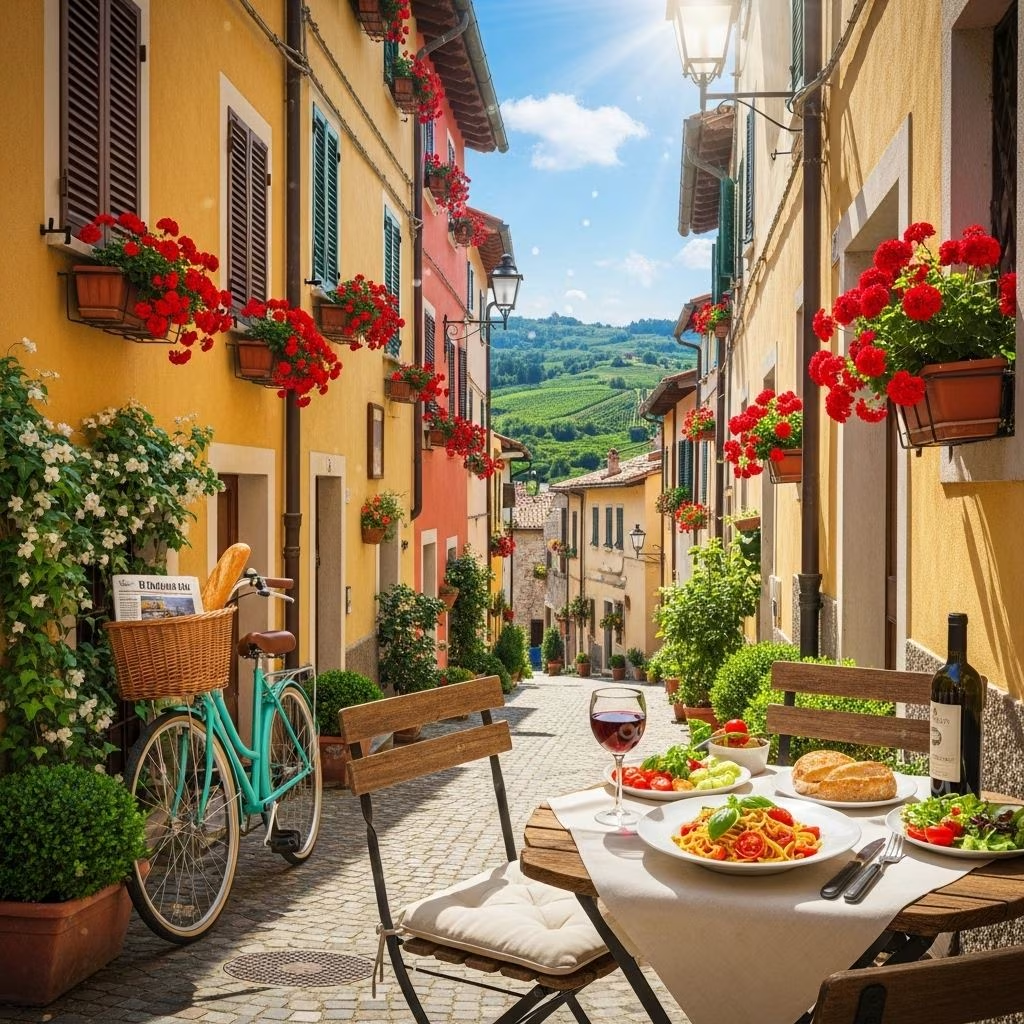
Lost Weight Eating Through Italy: Lessons from an Italian Adventure
Traveling for pleasure, indulging in pasta, cheese, and wine—and yet losing weight? For one American couple, this was no fantasy but a reality experienced on a week-long trip through Italy. What they discovered goes beyond calorie counting. The experience revealed how the Italian way of living—from the pace of meals to daily walks—has profound impacts on metabolism, health, and body weight.
Why Travel Rarely Means Weight Loss – Except in Italy
For most travelers, vacations tend to bring indulgence and inevitable weight gain. American vacationers often find themselves bemoaning tighter waistbands after enjoying local cuisines and breaking daily routines.
- Restaurant portions are typically oversized.
- Rich, calorie-dense meals are the norm.
- Movement and exercise often take a backseat during sightseeing trips governed by vehicles, tours, and relaxing escapes.
Yet, Italy proved to be an exception for Richard and Suzanne. By emulating local customs, the couple found themselves feeling more energized, enjoying food without restriction, and quite simply, losing weight—all on vacation.
How the Italian Diet Boosts Metabolism and Reverses Weight Gain
The heart of the Italian secret lies in the country’s food philosophy and daily habits. The couple’s approach was inspired by the clean-eating guidelines of the Your Metabolism Makeover plan but was tailored and enhanced by Italian practices.
- Whole foods, not processed: Italian meals feature fresh vegetables, fruits, whole grains, olive oil, nuts, fish, and modest portions of high-quality cheese and meats. Minimal processed foods, additives, or artificial sweeteners are used.
- Portion control comes naturally: Italian servings tend to be smaller. Quality is prioritized over quantity—think meticulously crafted pasta plates instead of giant pasta bowls.
- Mindful eating: Italians savor each bite, eat slowly, and typically don’t rush through meals.
The result? No calorie counting. No deprivation. Just pleasure and satiety, paired with surprising post-trip weight loss.
Embracing the Mediterranean Diet: The Science Behind the Results
Decades of studies support the Mediterranean diet as a sustainable route to weight management and wellness. Its hallmarks include:
- Abundant vegetables and legumes
- Whole grains (especially rustic, minimally processed forms)
- Fruits as natural desserts
- Olive oil as the principal fat
- Limited consumption of red and processed meats
- Moderate dairy, primarily as cheese and yogurt
- Regular inclusion of fish and seafood
According to clinical studies, adherence to this way of eating is associated with:
- Lower risk of weight gain and abdominal obesity
- Better cardiovascular health
- Greater longevity
- Lower rates of type 2 diabetes and metabolic syndrome
Low intake of red and processed meat played a key protective role. When pasta and low soft drink consumption were excluded, the dietary benefits diminished.
Daily Italian Habits That Lead to Natural Weight Loss
Beyond what goes on the plate, Italian lifestyle habits fosters a healthy metabolism and natural calorie burning. Richard and Suzanne observed and adopted several:
- Three meals a day, period: Snacking is rare. Meals—breakfast, lunch, and dinner—are spaced with time for digestion, not constant grazing.
- Fruit for dessert: Meals tend to end with seasonal fruit instead of cakes or pastries, and sweets are reserved for special occasions.
- Regular walking: Italians walk everywhere—from village lanes to busy plazas, movement is woven into daily life.
- The passeggiata ritual: After dinner, Italian towns bustle with people strolling for pleasure. This daily walk aids digestion, improves blood sugar, and powers up metabolism.
- Dark leafy greens every day: Instead of iceberg lettuce or starchy sides, meals come with spinach, arugula, or Romaine in simple salads.
- Olive oil, not butter: Bread is dipped in olive oil, and vegetables and pasta get their richness from this heart-healthy fat.
What Americans Get Wrong About ‘Italian Food’
Much of what’s called “Italian food” in the U.S. bears little resemblance to authentic Italian cuisine. Some key contrasts include:
| Real Italian (Italy) | Italian-American (U.S.) |
|---|---|
| Small servings, lots of vegetables | Giant pasta dishes, heavy on cream and cheese |
| Olive oil as main fat | Butter and cheese as the primary fats |
| Fruit and nuts for snacks/dessert | Processed snacks, sugary desserts daily |
| Daily movement, after-dinner strolls | Sedentary lifestyles, car reliance |
| Seasonal eating, local foods | Year-round access to processed foods |
Eating in Italy: A Day on the Plate
Richard and Suzanne’s typical eating day in Italy looked like this:
- Morning: A small cappuccino and fruit, or Greek yogurt with a drizzle of honey
- Lunch: A main dish salad with olives, tomatoes, grilled chicken or tuna, served with whole grain bread and olive oil
- Afternoon: Espresso and a few almonds or fresh fruit (if hungry)
- Dinner: A modest bowl of homemade pasta with tomato sauce, a side of dark leafy greens or grilled vegetables, and perhaps a small glass of local red wine
- Dessert: Sliced peaches or berries, sometimes with a dusting of sugar or splash of wine
What’s missing? Oversized portions, bread with butter, and sugary drinks. Sweets and rich cheeses are enjoyed, but in moderation and as part of meals—not as daily indulgences.
The Power of the Passeggiata: Why Italians Walk The Weight Off
After-dinner walks, or passeggiata, are a cherished social and health ritual in Italy. This gentle movement has scientifically backed benefits:
- Improves blood sugar control: A short walk after meals regulates post-meal glucose levels as effectively as longer workouts
- Aids digestion: Movement helps the digestive system process meals, preventing bloating and sluggishness
- Reduces stress: Connecting with family and community while moving outdoors soothes the mind and body
- Promotes deeper sleep: The timing and calming effect of the walk can reset the body’s natural rhythms
For Richard and Suzanne, swapping digital screens for a sunset stroll meant sleeping better, feeling lighter, and reconnecting as a couple.
Simple Italian Habits You Can Adopt at Home
There’s no need to book a flight to reap the benefits of the Italian approach. Try these habits wherever you live:
- Make meals the centerpiece of your day, not scattered snacks
- Choose dark leafy greens and vegetables as sides, not starchy fillers
- Replace butter and processed fats with high-quality extra-virgin olive oil
- End meals with fruit—or enjoy sweets sparingly and on special occasions
- Walk after dinner (or any meal), leaving phones behind and focusing on your surroundings
- Savor food slowly and engage with others at the table
- Prioritize quality over quantity with all indulgences, from wine to cheese
Frequently Asked Questions (FAQs)
Do Italians really eat pasta every day and still stay slim?
Many Italians enjoy pasta several times per week, but portions are modest, and meals are balanced with vegetables, salads, and lean proteins. Combined with daily movement, this helps maintain a healthy weight.
How much do Italians walk compared to Americans?
Italians typically walk much more, both as a means of transportation and as a cultural tradition (the passeggiata). Daily walking is integrated into every routine, not reserved for scheduled exercise sessions.
Is it easy to eat healthily at restaurants in Italy?
Yes. Restaurants serve smaller portions than in the U.S., and meals focus on seasonal ingredients, lean proteins, and fresh vegetables. It’s common to leave the table satisfied, not stuffed.
Will eating like an Italian work for weight loss at home?
Adopting Italian habits—mindful eating, whole foods, limited processed snacks, and daily movement—can support healthy weight management anywhere, not just in Italy.
Takeaway: A Lifestyle, Not a Temporary Diet
Weight loss on vacation may sound miraculous, but as Richard and Suzanne discovered, the Italian secret is less about restriction and more about rhythm, quality, and pleasure. It is a way of life that prizes fresh ingredients, social connection, simple movement, and satisfaction over excess. By bringing a little of Italy into your routine, you, too, can eat well, move naturally, and find a new relationship with your health and your plate.
References
- https://www.prevention.com/weight-loss/a20437658/healthy-lessons-from-italian-diets/
- https://pmc.ncbi.nlm.nih.gov/articles/PMC5916888/
- https://www.prevention.com/weight-loss/a20503013/try-this-15-minute-after-dinner-ritual-that-helps-italians-lose-weight/
- https://susanhyatt.co/how-i-went-to-italy-ate-pasta-devoured-cheese-drank-wine-and-lost-weight/
- https://www.prevention.com/weight-loss/a20496600/lost-weight-eating-through-italy/
- https://www.pulse.ng/articles/lifestyle/womens-health/fitness-and-weight-loss-how-this-couple-lost-weight-while-eating-italian-food-every-2024080223075647557
- https://www.womenshealthmag.com/author/209932/the-editors-of-prevention-com/
- https://www.prevention.com/weight-loss/a20443766/3-weddings-and-a-weight-watchers-class/
- https://www.prevention.com/food-nutrition/g29504714/weight-loss-foods/


