


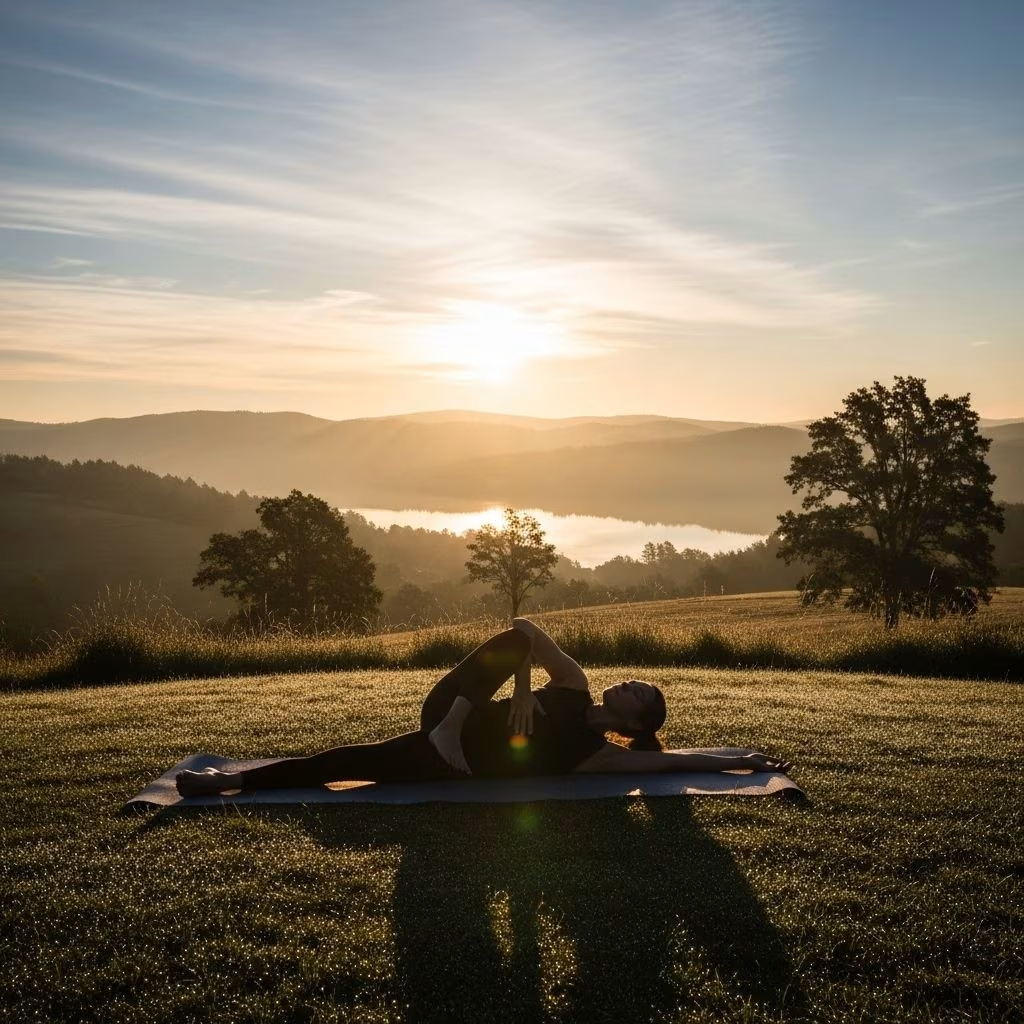
The Workout That Can Lead to Better Sleep
Sleep is fundamental for health, but achieving high-quality rest isn’t always easy. Among numerous proven strategies, regular exercise stands out as a remarkable, drug-free way to promote restorative sleep. Emerging research and sleep medicine experts have illuminated the diverse connections between physical activity and how soundly we sleep each night.
How Exercise Impacts Sleep Quality
Committing to consistent movement not only benefits heart health and lowers chronic disease risk, but also significantly reduces the risk of insomnia and deepens overall sleep quality. A major study tracking more than 4,300 adults over a decade found that individuals who exercised at least one hour per week were less likely to struggle with falling asleep, experienced fewer episodes of shortened sleep, and enjoyed an optimal nightly duration of 6–9 hours compared to those who were inactive.
- Improved Sleep Onset: Those who exercise regularly fall asleep faster.
- Decreased Insomnia Symptoms: Active individuals report fewer problems with insomnia over both short and long durations.
- Better Sleep Quality: Moderate physical activity enhances total sleep time and increases the proportion of deep, restorative sleep.
Mechanistically, exercising releases endorphins—chemical messengers that reduce stress and anxiety, easing the body into a state of relaxation ideal for sleep. Physical activity also helps regulate circadian rhythms, the internal clock controlling sleep-wake cycles, and may raise body temperature followed by a cooling period that triggers drowsiness.
How Much Exercise is Needed for Sleep Benefits?
While even modest increases in physical activity can positively influence sleep, the most substantial benefits are linked to meeting national guidelines. The latest recommendations, echoed by the Centers for Disease Control and Prevention and World Health Organization, suggest striving for:
- 150 minutes per week of moderate-intensity aerobic exercise (e.g., brisk walking, cycling, dancing) or
- 75 minutes per week of vigorous-intensity aerobic exercise (e.g., running, swimming laps)
- 2 or more sessions per week of muscle-strengthening activities such as weightlifting or resistance band exercises
Research shows that active people are up to 55% more likely to achieve ideal sleep durations than those who are sedentary. Exercising consistently—rather than in sporadic bursts—produces the most reliable improvements. For people struggling with ongoing insomnia, experts often recommend a regular, moderate routine as a core component of treatment plans.
The Link Between Exercise Type and Sleep
Not all workouts are created equal for sleep enhancement. Moderate-intensity aerobic activity appears to be the “sweet spot” for most, particularly for those managing sleep disorders or adjusting to a new sleep routine.
- Moderate-intensity exercise (like brisk walking, cycling) improves sleep onset and deep sleep in both healthy adults and insomnia sufferers.
- High-intensity exercise may heighten alertness if timed too close to bedtime but can still benefit sleep when done earlier in the day.
- Muscle-strengthening activities (resistance bands, weights) when added to an aerobic base, can further support sleep quality.
A systematic review confirms that regular moderate aerobic exercise—about 30 minutes, three times per week—considerably increases both sleep quality and overall restfulness, especially for people with insomnia or fragmented sleep.
When is the Best Time of Day to Exercise for Sleep?
The timing of your workout may shape its sleep-promoting effect. Contrary to widespread belief, exercising in the evening doesn’t necessarily disrupt sleep for most people.
- Morning workouts are associated with the very best sleep quality in population studies. People who trains earlier in the day are significantly more likely to report a good night’s rest.
- Evening exercise, including moderate to vigorous intensity, generally does not reduce sleep quality for most people. In studies, there was no negative effect on sleep, even among evening exercisers prone to insomnia.
- However, intense workouts or late-night exercise sessions can leave some individuals feeling wide awake or “wired,” potentially interfering with sleep if performed right before bed.
Sleep experts recommend experimenting to find your optimal workout timing. If you observe noticeable sleep disruptions after nighttime exercise, consider moving workouts to earlier in your day. However, for many, the best approach is simply to exercise at any time that fits your schedule, maintaining consistency for maximal benefit.
Table: Effects of Workout Timing on Sleep
| Workout Timing | Effect on Sleep |
|---|---|
| Morning | Best sleep improvement; aligns with circadian rhythm |
| Afternoon | Beneficial; may increase overall sleep duration |
| Evening (early evening, 2–4 hrs before bed) | Generally safe for most; little negative impact |
| Late at night (right before bed) | May disrupt sleep in some; avoid if sensitive |
Why Exercise Helps You Sleep Better: The Science Explained
Experts cite several interrelated processes explaining why exercise is a powerful sleep booster:
- Physical Fatigue: A challenging workout creates healthy tiredness, making it easier to fall and stay asleep.
- Mood and Stress Regulation: Physical activity produces endorphins and facilitates the release of neurotransmitters like serotonin and norepinephrine, which reduce anxiety, boost mood, and help the brain transition into restful modes.
- Core Body Temperature Fluctuations: Post-exercise body temperature drops signal to the body that it’s time for rest, aiding sleep onset.
- Circadian Rhythm Alignment: Particularly for morning exercisers, activity serves as a strong cue for the body clock, allowing for more regular sleep-wake cycles.
These effects work in tandem, producing a deep, restorative sleep and helping manage or prevent sleep disorders. The benefits extend to reduction of daytime sleepiness and less dependence on sleep medications in many cases.
Common Myths About Exercise and Sleep
- Myth: “Never exercise in the evening if you want to sleep well.”
Fact: While late-night high-intensity workouts may affect some people, most can exercise in the evening without sacrificing sleep. - Myth: “Only long, strenuous workouts count for better sleep.”
Fact: Moderate activity, even as little as 30 minutes a day, can provide measurable improvements in sleep quality. - Myth: “Exercise fixes all sleep problems, even severe insomnia.”
Fact: While exercise is an effective sleep aid for many, certain complex sleep disorders may require comprehensive treatment alongside increased activity.
How to Start a Workout Routine for Better Rest
Getting started doesn’t require a gym membership or high-tech gear. The key is to move your body regularly and consistently.
- Choose activities you enjoy: Walking, cycling, dancing, swimming, or even at-home resistance workouts all count.
- Start small: If you’re new to exercise, begin with 10–15 minutes daily and gradually build up to the recommended duration.
- Be patient: It may take several weeks of regular activity to notice the full impact on sleep quality, especially if you have chronic sleep challenges.
- Maintain consistency: Regular, scheduled exercise is more effective than irregular, intensive effort.
Pay attention to your body’s cues. Find the timing and intensity that help you feel both energized by day and restful at night.
When to Talk to Your Doctor
Exercise is a powerful tool for most, but if you’re struggling with persistent or severe insomnia, or experiencing symptoms like loud snoring or daytime exhaustion, consult a sleep medicine specialist or healthcare provider. They may help identify underlying conditions—like sleep apnea—that exercise alone cannot solve. A tailored plan blending physical activity, behavioral strategies, and medical support offers the best path to long-term sleep health.
Frequently Asked Questions about Exercise and Sleep
Q: Can I exercise before bed and still get a good night’s sleep?
A: For most people, moderate evening exercise does not hurt sleep quality. Some may experience alertness after late-night vigorous sessions, so try moving the workout earlier if sleep disturbances arise.
Q: How soon will I notice sleep improvements after starting a workout routine?
A: Some people see benefits within days, while for others, especially those with chronic insomnia, it may take a few weeks of regular activity to see measurable change.
Q: Is walking enough exercise to help me sleep better?
A: Yes! Even brisk walking, done regularly, can improve sleep onset, depth, and duration. All forms of moderate physical activity count toward better sleep.
Q: Does the intensity of my workout matter?
A: Moderate-intensity workouts are ideal for most people seeking sleep benefits. While vigorous workouts are healthy, schedule them earlier in the day if they interfere with your sleep.
Q: What types of exercise work best for people with insomnia?
A: Moderate-intensity aerobic exercise, such as walking or cycling, three times a week, is particularly effective for boosting sleep quality in individuals with insomnia. Consistency is more important than intensity or duration.
Key Takeaways: Your Fitness Routine for Sound Sleep
- Exercise is a proven strategy for improving sleep quality and reducing the risk of insomnia.
- Moderate-intensity aerobic activity and regular, consistent movement provide the best results for most adults.
- While morning workouts may offer the most potent sleep benefits, most people can exercise at any time of day and still sleep well.
- If you’re struggling with sleep, pay attention to workout timing and intensity and consult a sleep specialist if problems persist.
Commit to moving more, discover your ideal routine—and get the deep, refreshing sleep your body craves.
References
- https://www.prevention.com/health/sleep-energy/a20469001/should-you-exercise-at-night/
- https://www.prevention.com/health/sleep-energy/a60319178/regular-exercise-reduce-insomnia-improve-sleep/
- https://pmc.ncbi.nlm.nih.gov/articles/PMC10503965/
- https://www.prevention.com/health/sleep-energy/a20443247/sleep-better-with-exercise/
- https://www.prevention.com/health/a20517455/better-sleep-routine/
- https://www.prevention.com/health/sleep-energy/
- https://www.prevention.com/health/sleep-energy/a43147495/good-sleep-could-add-years-to-your-life-study/
- https://www.thensf.org/get-moving-to-get-better-sleep/


