


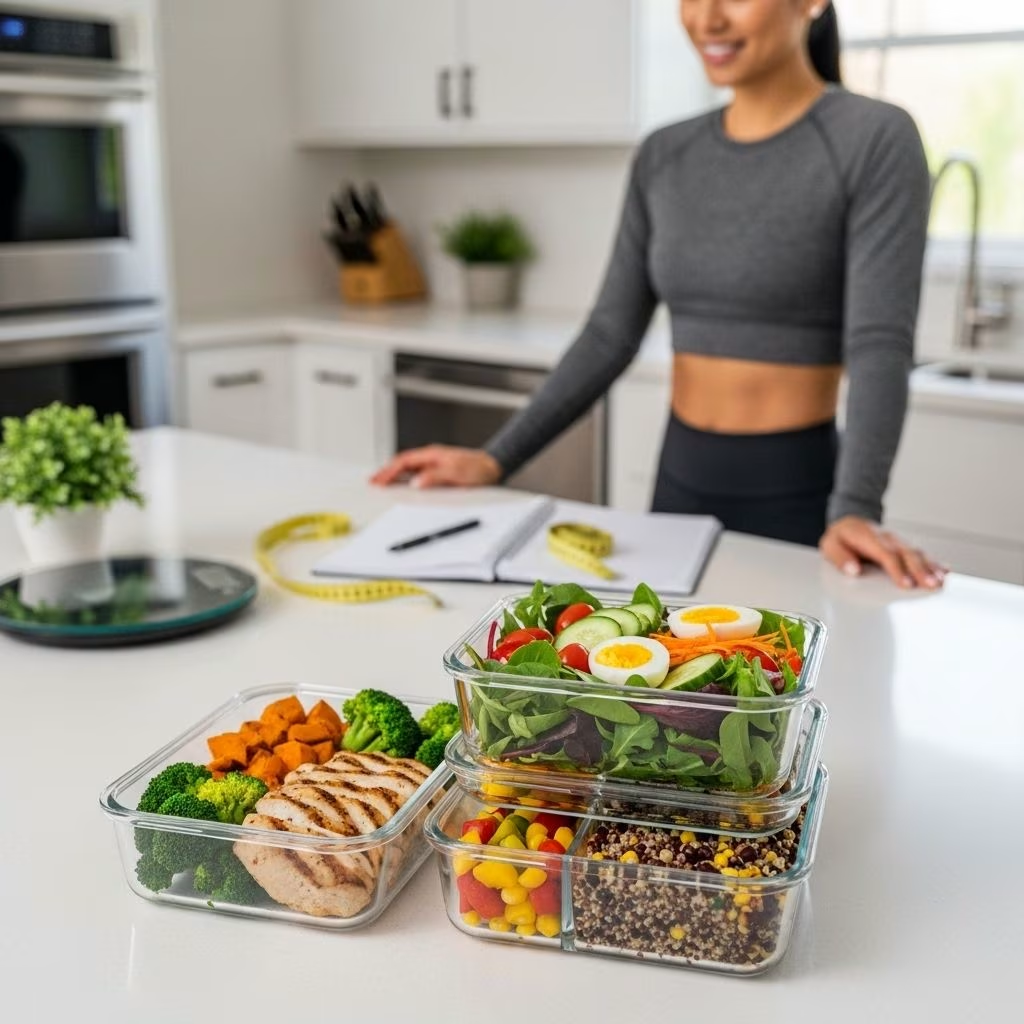
How Meal Prepping Helped Me Drop 50 Pounds: A Real Weight-Loss Journey
If you’ve ever wrestled with your weight or just wanted to feel healthier, you’ve likely heard of meal prepping—but few realize how transformative it can be. In this in-depth look, discover how one determined woman lost 50 pounds by changing her mindset around food, building new habits, and relying on the structure that meal prepping provides. You’ll find actionable insights, practical tips, and honest reflections that can ignite your own healthy journey.
Why I Needed a Change
Like countless others, I hit a wall with yo-yo dieting and sporadic healthy spells followed by bouts of indulgence. Social situations, emotional stress, and packed weekdays made quick takeout meals my go-to—until the scale showed a number I hadn’t seen before.
I realized the problem was my lack of planning and consistency. My best intentions crumbled when faced with late meetings or fatigue. I needed a system to help me stick to nutritious meals, even when motivation waned.
The Turning Point: Discovering Meal Prepping
Scrolling through social media, I kept seeing perfectly portioned meals, posts about Sunday meal prep, and stories of people dropping pounds just by planning ahead. Intrigued, I learned the basics: meal prepping means preparing multiple meals in advance so you have wholesome, portion-controlled food ready to go all week.
It wasn’t about restriction, but about setting myself up to win when willpower was low. Meal prepping turned the chaos of unplanned eating into the calm of routine and control.
What Exactly Is Meal Prepping?
- Batch-cooking proteins and grains for several days at a time.
- Chopping and storing veggies so salads or stir-fries come together in minutes.
- Portioning meals in advance in containers, making grab-and-go lunches possible.
- Planning snacks to cut down on mindless, unhealthy munching.
The key: take the guesswork out of eating healthy.
Step 1: Understanding My Starting Point
To make a change, I had to face my current habits.
- Eating out 4+ times a week, often at fast-casual spots with big portions.
- Skipping meals and then binging later in the day.
- Sporadically stocking healthy ingredients—but rarely using them before they spoiled.
I used a food journal for a week. The patterns were obvious: lack of structure led to overindulgence, and rushed choices meant cramming in calories late at night.
Getting Started: The First Week of Meal Prep
This was the hardest part. The idea of cooking multiple meals in advance was intimidating, but I broke it into manageable steps:
- Picked simple recipes—grilled chicken, roasted vegetables, brown rice.
- Shopped with a focused list, cutting down impulse buys.
- Set aside Sunday afternoon as my pre-determined “prep time.” No excuses.
- Invested in quality containers (BPA-free and reusable).
The payoff? The fridge was filled with healthy options, reducing my reliance on takeout or snacks. That first week, I lost 3 pounds—not by starving, but by eating real food in reasonable portions.
How Meal Prep Helped Me Avoid Temptation
- Pre-portioned meals provided built-in portion control.
- Ready-to-eat food minimized decisions—no more mental battles after a long day.
- Less food waste thanks to planned shopping and used-up ingredients.
What I Ate: Typical Meal Prep Menu
| Meal | Example |
|---|---|
| Breakfast | Egg muffins with spinach and turkey sausage |
| Lunch | Grilled chicken, quinoa, roasted broccoli |
| Dinner | Ground turkey chili, brown rice, side salad |
| Snacks | Sliced cucumbers, Greek yogurt, almonds |
Each meal had a balance of protein, fiber, healthy fats, and carbs to keep cravings in check and energy high.
How Meal Prepping Changed My Mindset
Beyond the physical transformation, meal prepping reshaped the way I saw food and self-care:
- I stopped seeing food as the enemy and started viewing it as fuel.
- Meal prepping became an act of self-love and planning ahead for success.
- Sunday prep sessions turned into a relaxing ritual—sometimes with music, sometimes as family bonding time.
The Weight Loss Results
After the first month, the weight loss was steady—about 1 to 2 pounds per week. There were no crash diets or restrictions; just a consistent routine. Over the course of the year, 50 pounds melted off. Far beyond the scale, my energy soared, clothes fit better, and I felt in control once again.
Practical Moves for Meal Prep Success
1. Start Simple—Don’t Overwhelm Yourself
- Begin by prepping one meal per day, for example, just lunches for the workweek.
- Pick recipes you already enjoy or are comfortable making.
2. Invest in the Right Tools
- A good set of glass or BPA-free containers with tight lids.
- A sharp chef’s knife for easier chopping.
- Sheet pans and slow cookers for big-batch cooking.
3. Prioritize Planning Over Perfection
- Some weeks, a simple batch of grain bowls with assorted mix-and-match toppings did the job.
- Frozen veggies, rotisserie chicken, and canned beans are great time-savers when cooking from scratch isn’t realistic.
4. Stick With Macro Balance and Flavor
- Every meal included protein and fiber-rich veggies for satiety.
- Healthy carbs (like brown rice or sweet potato) kept my energy up.
- I used herbs, spices, and homemade sauces to keep things interesting without extra calories.
5. Portion Mindfully
- Food scales and measuring cups keep you honest, especially at first.
- Labeling containers helped prevent mindless overeating—one meal per box, ready to go.
My Favorite Meal Prep Recipes for Weight Loss
- Chipotle Chicken Fajitas: Grilled chicken, bell peppers, and onions cooked with smoky seasoning, served over rice or in whole-grain tortillas.
- Veggie and Sweet Potato Bowls: Roasted sweet potatoes topped with black beans, kale, and shredded carrots.
- Breakfast Oatmeal Casserole: Rolled oats baked with eggs, almond milk, berries, and a hint of vanilla.
- Shrimp, Avocado, and Egg Salad: Layered salad jars with lettuce, shrimp, hard-boiled eggs, tomatoes, and avocado.
Time-Saving Tips from My Journey
- Pick 2–3 go-to recipes/week to avoid burnout and food fatigue.
- Double batch recipes so you can freeze extras for future weeks.
- Enlist a meal prep buddy—cooking with a friend makes the process fun and keeps you accountable.
- Rotate spices and sauces to give familiar meals a new flavor profile.
How I Navigated Challenges
No journey is without obstacles! Here’s how I stuck with meal prepping and didn’t revert to old habits:
- When I got bored, I tried one new recipe per week.
- If I missed meal prep day, I forgave myself and did a mini-prep midweek—even prepping just two meals kept me on track.
- During social events, I filled up on my own healthy meals beforehand or brought a nutritious dish to share.
Staying Motivated Over the Long Term
Seeing real progress kept me inspired. I snapped photos of weekly prepped meals, tracked my weight loss, and rewarded myself (not with food!) for hitting milestones—like treating myself to new workout gear or a massage.
What Makes Meal Prepping So Effective for Weight Loss?
- Reduces impulsive eating—less temptation when healthy options are ready.
- Supports calorie awareness through planned portion sizes.
- Improves diet quality by crowding out processed foods with real, whole ingredients.
- Saves money—fewer takeout meals mean more grocery dollars stretch farther.
Frequently Asked Questions (FAQs)
Q: Can I still socialize or go out to eat while meal prepping?
A: Absolutely. Meal prepping simply gives you the foundation for most of your weekly meals. Enjoy social events, but plan ahead—eat your prepped meal first or bring a healthy dish when possible.
Q: How do I avoid food boredom when meal prepping?
A: Rotate core proteins, grains, and veggies, and change up seasonings or sauces each week. Try at least one new recipe monthly to expand your go-to favorites.
Q: Do I have to prep every meal for the week?
A: No! Many people start by prepping just lunch or dinner and expand as their confidence grows. Even prepping for a few days makes a big difference.
Q: Does meal prep work for picky eaters or families?
A: Yes. Let family members choose their preferred proteins, veggies, or grains. Making components separately lets everyone build their own bowl or plate.
Begin Your Own Meal Prep Journey
If weight loss or feeling healthier is your goal, meal prepping is a valuable tool—not a quick fix, but a steady companion on the path to success. Start small, stay consistent, and adjust as you go. The power to transform your health is already in your hands…and on your plate!
References
- https://www.prevention.com/weight-loss/g46532620/meal-prep-for-weight-loss/
- https://www.prevention.com/weight-loss/a20498403/5-lunch-hacks-for-weight-loss/
- https://www.prevention.com/weight-loss/a25633991/meal-prep-success-story-jennifer-lopez/
- https://www.prevention.com/weight-loss/g20491689/how-meal-prepping-helped-me-drop-50-pounds/
- https://www.prevention.com/food-nutrition/g41055022/low-calorie-meals/
- https://www.prevention.com/weight-loss/a20481756/100-pound-weight-loss-success-story/
- https://www.prevention.com/weight-loss/
- https://www.prevention.com/weight-loss/g20511161/number-one-major-weight-loss-tip/
- https://www.prevention.com/weight-loss/g24805401/fat-burning-foods/
- https://www.prevention.com/weight-loss/diets/a63174975/best-diets-for-weight-loss-2025/


