


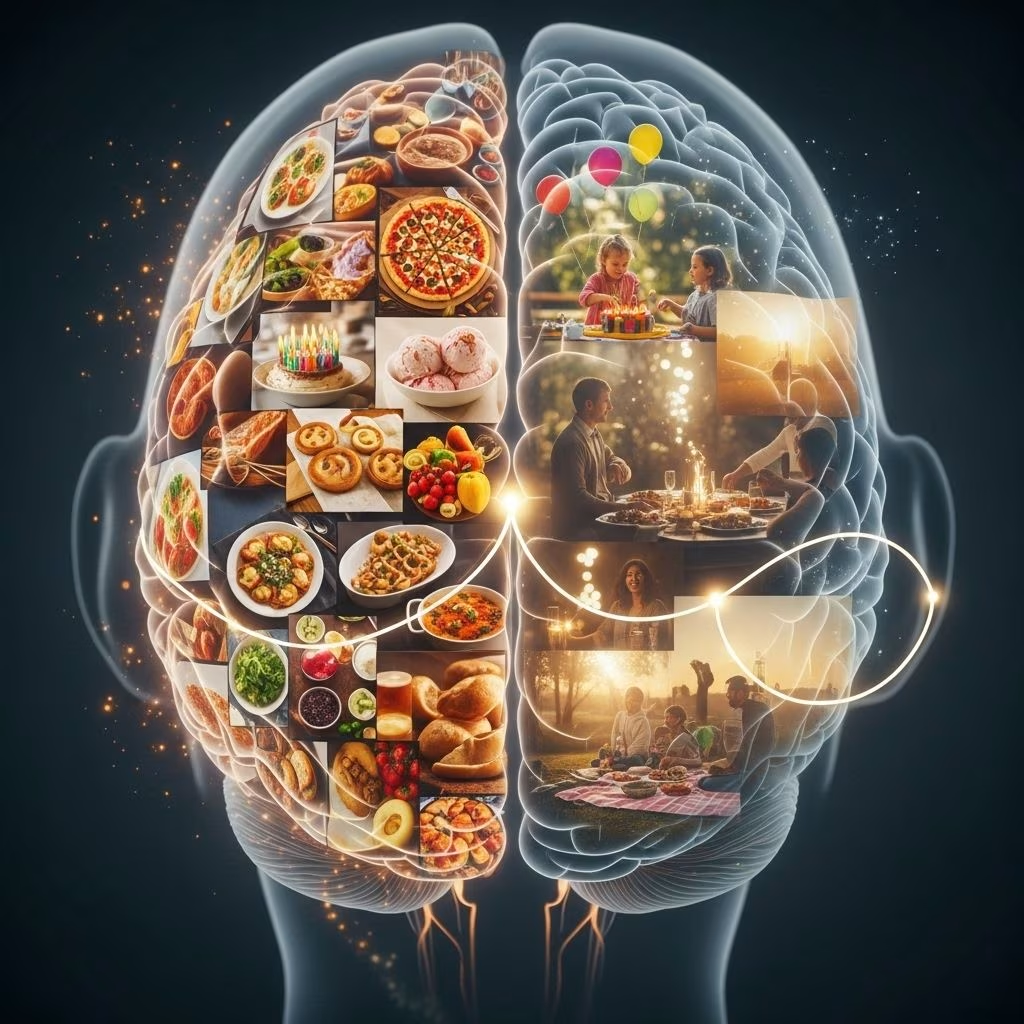
How Memories Shape Food Cravings and Influence Eating Habits
Food cravings are much more than mere fleeting desires. Frequently, they are deeply rooted in our past experiences, emotional states, and everyday routines. Whether it’s the irresistible pull toward a chocolate cupcake or the comfort of potato chips after a stressful day, understanding the underlying dynamics can empower you to better manage your eating habits and pursue lasting weight loss.
Introduction: The Nature of Cravings
Most individuals experience sudden urges for certain foods, referred to as cravings. According to research from Tufts University, 91% of women report having strong food cravings. But why do these cravings feel so overpowering? They aren’t simply due to a lack of willpower; rather, they are a complex interaction of neurotransmitters—like dopamine—our emotional states, and learned behaviors. When you indulge in a favorite treat, your brain releases feel-good chemicals that reinforce the urge, making the cycle difficult to break.
Memories: The Hidden Trigger of Cravings
Many intense cravings can be traced back to memories and associative learning. If you’ve ever reached for ice cream during a tough moment or always enjoyed popcorn at the movies, your brain encodes this pairing, creating a strong memory center link between a particular food and an emotional experience.
- Conditioned associations: The process mirrors Pavlovian conditioning, where the food becomes a solution to an unpleasant emotion.
- Comfort foods often carry emotional significance from childhood or key life events—these memories later influence recurring cravings.
- Reward cycles: Consumption of these foods triggers dopamine release, reinforcing the memory-food association and the craving itself.
Over time, these memory-based pairings can become automatic responses to specific situations, making it challenging to distinguish genuine hunger from emotional or routine-driven eating.
Sensory Cues, Daily Routines, and Habit Formation
Smells, sights, and specific environments act as powerful sensory cues, often triggering cravings even when you’re not physically hungry. Habit formation is reinforced by everyday routines—for example, routinely eating cheese popcorn while watching TV or snacking during stressful work meetings.
- Routine-driven cravings: The brain develops strong links between activities and specific foods, known as habit loops.
- Sensory triggers: Locations, sounds, or times of day can become signals for cravings, much like the smell of popcorn in a movie theater.
- Fear response: Interrupting these routines, even for health reasons, can trigger anxiety in the brain’s amygdala, which seeks immediate reward through familiar food patterns.
The deeper these routines are engrained, the harder it can feel to break free from them. Yet, understanding this mechanism is the first step toward developing new, healthier patterns.
Emotional States: Stress and Sleep Deprivation
Cravings often intensify during periods of stress or insufficient sleep. The physiological response to stress is dominated by the hormone cortisol, which increases the drive for reward-seeking behaviors—often manifesting as cravings for high-fat or sugary foods.
- Stress-related eating: Negative feelings (anger, sadness, pressure) drive the brain to seek comfort foods, reinforcing the memory link with these items.
- Lack of sleep: University of Chicago studies show that just a few sleepless nights can drop leptin levels by 18% and increase ghrelin (the appetite trigger) by 30%, causing starchy or sugary cravings to rise by 45%.
This physiological impact makes cravings much harder to resist and can lead to unwanted weight gain unless proactively managed.
Strategies to Break the Cycle
The combination of memory, routine, and emotional triggers can feel overwhelming. However, breaking the cycle is possible with evidence-based strategies:
- Self-inquiry: Pause and ask yourself why you’re reaching for a particular food. Are you stressed, tired, following a routine, or genuinely hungry?
- Change your environment: Eliminate sensory cues by altering routines—watch TV in a room away from the kitchen or store tempting snacks out of sight.
- Portion control: When cravings strike, serve yourself a small, satisfying portion rather than eating directly from the package.
- Short-term fixes: If sleep-deprived, consider a caffeinated drink for a temporary boost rather than reaching for high-calorie snacks.
Cognitive Approaches for Craving Control
Research supports a range of cognitive strategies that can shift attention away from unhealthy cravings and reinforce healthier food choices. These approaches utilize the brain’s ability to renegotiate food values and emotional responses.
- Reframe benefits: Emphasize positive aspects of healthy foods and negative consequences of unhealthy options.
- Training protocols: Regulation of Craving Training (ROC-T) and similar cognitive interventions increase healthy choices and reduce caloric intake.
- Subjective valuation: Focus on the long-term value (health, well-being) over immediate gratification (taste, comfort).
- Mindful self-control: Practicing these techniques regularly can promote sustainable changes in eating behaviors.
| Strategy | How It Helps | Evidence Level |
|---|---|---|
| Self-inquiry | Identifies the true cause of the craving | Strong (expert recommended) |
| Cue elimination | Reduces exposure to triggers | Strong (habit research) |
| Cognitive reframing | Shifts value toward healthier foods | Strong (clinical studies) |
| Distraction techniques | Occupies hands and mind | Moderate (behavioral studies) |
Visualization and Distraction Techniques
Avoiding food cravings is often less effective than actively redirecting your thoughts or engaging in substitute activities. Consider these approaches:
- Picture yourself healthy: Every time a craving arises, mentally shout “Stop!” and visualize yourself as fit and healthy. Over time, this can weaken the food image association.
- Substitute mental images: Think of positive moments or compliments you’ve received instead of fixating on food.
- Keep yourself busy: Try writing a letter, brushing your teeth, taking a walk, or calling a friend to interrupt the craving cycle.
- Distraction works: Australian researchers found that focusing on non-food visual stimuli, such as reading or typing, can decrease the strength of a craving.
These techniques help retrain your brain by providing alternative sources of pleasure and satisfaction, weakening the hold of memory-based food cravings.
Frequently Asked Questions (FAQs)
Q: Can memories really influence my food cravings?
A: Yes, memories, especially those tied to strong emotions or regular routines, can create lasting associations in the brain that drive cravings for specific foods.
Q: How do I tell if a craving is from hunger or emotion?
A: Ask yourself if you’re responding to a physical need (such as an empty stomach) or an emotional cue like stress, boredom, or habit. Recognizing this distinction is crucial for healthier eating decisions.
Q: What is the best immediate strategy to resist a craving?
A: Create a small portion, eliminate cues, use visualization techniques, and distract yourself with a non-food activity. Cognitive approaches such as reframing the craving can also help.
Q: Can improving my sleep help reduce cravings?
A: Yes. Getting enough sleep helps balance hormones that regulate appetite and satiety, reducing your likelihood of experiencing strong cravings.
Q: Are cognitive training programs effective for long-term craving control?
A: Studies on Regulation of Craving Training (ROC-T) and similar protocols show promising long-term results, helping individuals choose healthier foods and control calorie intake by changing how food cues are evaluated.
Conclusion
Food cravings are a complicated blend of memory, emotion, and habit. Recognizing the influence of your past experiences and daily routines on current cravings is the first step toward lasting control. Applying strategies grounded in cognitive science, self-inquiry, environmental modifications, and visualization can help retrain your brain and successfully break the craving cycle. Acknowledging these realities—and responding thoughtfully—can empower you to make choices that support your health, well-being, and weight loss goals.
References
- https://www.prevention.com/weight-loss/a20466650/how-to-stop-food-cravings-and-overeating/
- https://www.prevention.com/weight-loss/g20508005/7-ways-to-control-cravings/
- https://pmc.ncbi.nlm.nih.gov/articles/PMC7321886/
- https://www.prevention.com/weight-loss/a20449798/memories-and-food-cravings/
- https://www.prevention.com/food-nutrition/a64590822/how-to-stop-sugar-cravings-fast/
- https://www.prevention.com/food-nutrition/a20510926/curb-your-sugar-cravings/
- https://www.prevention.com/food-nutrition/a46572387/why-fat-sugars-are-irresistible-study/
- https://pmc.ncbi.nlm.nih.gov/articles/PMC6186388/


