


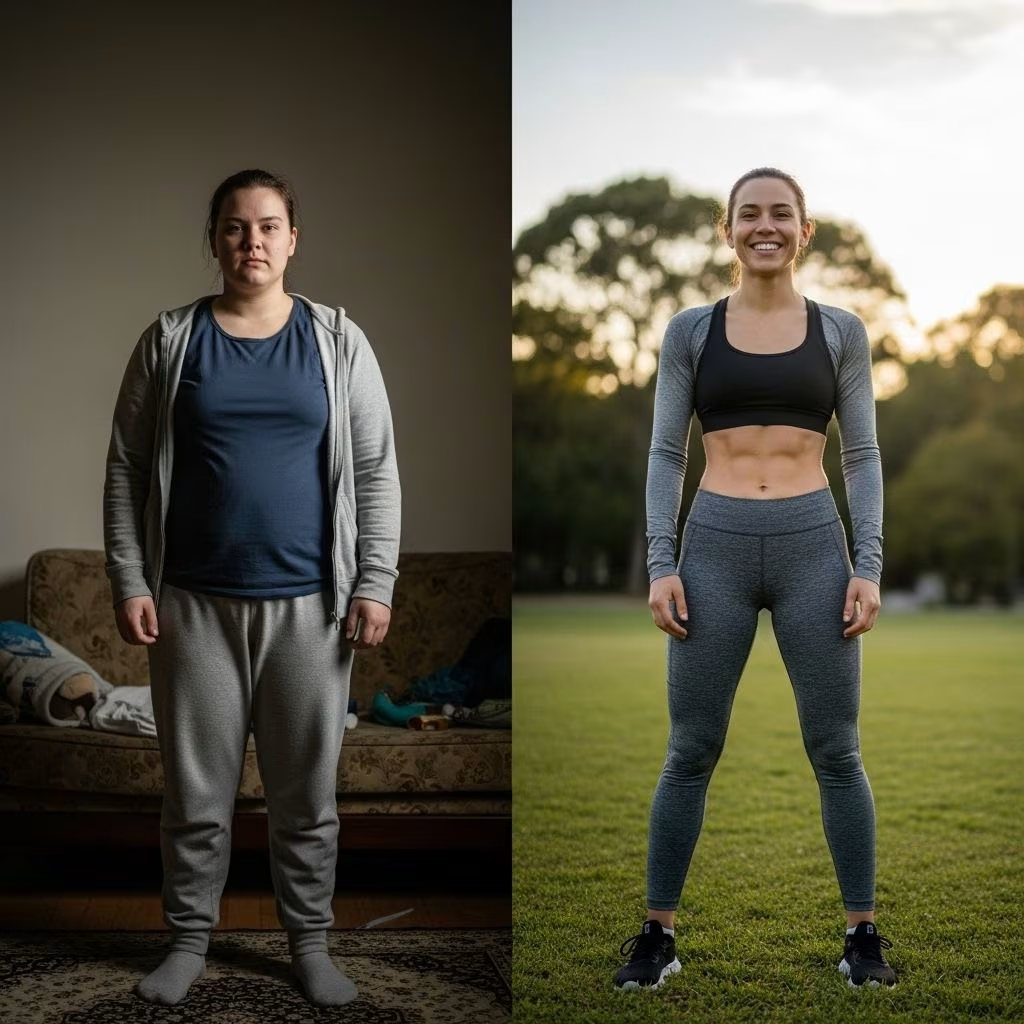
One Photo That Changed Everything
Sometimes, the turning point in our lives arrives quietly—a moment of self-reflection prompted by something as simple as looking at a photograph. For the woman at the center of this story, a single image exposed the seriousness of her struggles with weight and health. This is the candid account of how she used that powerful moment not just to lose weight, but to reclaim her confidence and joy in life.
Facing Reality in a Single Snapshot
There are moments that stay with us forever. For her, that moment came in August when she saw a photo of herself. The image was more than unflattering—it was a frank reflection of the toll her daily habits had taken. Where she once avoided mirrors and photos, that image made avoidance impossible. Contemplating her health, her energy, and her family, she realized it was time for real, lasting change. If not for herself, then for her daughter Jenna—who, living with diabetes, taught her the value of mindful choices every day.
Taking One Step at a Time
Change did not begin with a dramatic overhaul. Instead, she reached out to her mother, who had found her own path to losing 40 pounds. The advice she received was simple, actionable, and ultimately transformative: tackle one thing at a time.
- Start Small: The very first step was taking the stairs at work, instead of the elevator. The first few tries left her breathless, but she kept at it. Two weeks later, climbing those stairs felt routine—a minor milestone that gave her a surge of pride.
- Swap Soda for Water: Next, she confronted her daily habit of drinking a massive 64-ounce soda on her commute. She kept the cup, but started filling it with water instead. In just two weeks, she had lost 10 pounds and felt the difference.
- Healthier Snacking: Breaking her dependence on high-calorie snacks was the real challenge. No more king-size peanut butter cups or late-night fast food. Instead, the kitchen was filled with carrot sticks, apple slices, and grapes. Drinking water throughout the day kept her feeling full, and gradually, cravings faded.
More than anything, these early shifts showed her a new truth: many of her eating habits were driven by emotion rather than genuine hunger. Calling her mom during weak moments, she built a network of support and accountability that made the journey feel manageable, even when it was hard.
Learning to Read (and Respect) Nutrition Labels
Beyond making better choices, she also had to confront portion size. Supporting her daughter’s diabetes management meant learning how carbs and sugar worked—so she began reading nutrition labels for every meal and snack. To her amazement, she realized she had been eating as much as six times a normal serving of cereal. This was true of countless foods.
Determined to be more mindful, she started measuring every portion rather than filling the whole bowl or plate without thinking. It was not just about what she ate, but how much. By Christmas—just five months after starting—she had already lost 50 pounds.
Breaking Down the Obstacles: From Emotional Eating to Empowerment
Weight gain and food struggles are rarely just about what resides on the plate. There are deeper, more personal obstacles, including emotional eating and the challenge of changing habits that feel comforting or habitual.
- Confront Emotional Eating: For years, food offered comfort during times of stress or sadness. Now, each time her mood pointed her toward the refrigerator, she made a conscious choice to call her mom instead, listening to her own emotions before reaching for a snack.
- Swap Foods, Not Feelings: Discovering that her body actually thrived on fewer calories and healthier snacks was a revelation. Slowly, food became a source of nourishment and energy, not just a coping mechanism.
- Find Healthy Rewards: Instead of burger runs and giant treats, she celebrated her successes with non-food rewards: walk breaks, a new book, or simply the pride that grew with every small win.
Building New Habits that Last
Every weight loss success story is a collection of new habits built slowly, day by day. For her, small decisions added up to big results.
- Incremental Exercise: Climbing stairs became daily walks, and then walks became longer. The physical effort was challenging at first, but improvement built her confidence and gave her more energy to tackle each new day.
- Hydration and Consistency: Replacing sugary drinks with water not only cut calories, but also taught her about the value of consistency. Carrying her giant cup as a badge of progress, she motivated herself to keep going.
- Measured Eating: Using smaller dishes and measuring every serving, she built awareness of how much she was actually consuming. Regular, mindful portions kept her on track without feeling deprived.
Each month brought new proof that small, positive changes snowball. As the numbers on the scale decreased, her mood, energy, and self-confidence soared.
Family, Responsibility, and Motivation
One of her strongest motivations was her daughter, Jenna. Living with diabetes, Jenna depended on careful meal planning and steady habits—a daily reminder that health is not just about looking slimmer, but about long-term wellness. Supporting Jenna meant learning together:
- Shared Meal Prep: Cooking healthy meals together made the process enjoyable. Discovering new vegetables and snacks, they turned grocery shopping into an adventure rather than a chore.
- Accountability Partners: Having someone else rely on her for support added a layer of responsibility.
- Role Modeling: By pursuing her own health, she led by example—showing Jenna that lasting change is about resilience, not perfection.
Milestones on the Journey
The journey from that first photo to her goal weight was far from linear. There were setbacks, holidays, and weeks when progress stalled. But she marked each milestone:
- First 10 Pounds Lost: The quick reward of the first 10 pounds was a powerful motivator, showing her that meaningful change was possible.
- Fifty Pounds by Christmas: Five months in, this major achievement cemented her faith in gradual change.
- Goal Weight Achieved: About a year from her first day, she had reached her goal weight of 130 pounds.
Life After Transformation
Where life once felt like a struggle, she now found joy in everyday activities. The physical changes were impressive, but the deeper reward was knowing she had the power to take control—but that it could only ever happen one mindful step at a time.
- More Energy: Once sluggish and tired, she now looked forward to each day with energy and optimism.
- No More Hiding: Instead of avoiding cameras and social gatherings, she took pride in being present with family and friends, noticing how others were inspired by the progress she’d made.
- A New Relationship with Food: Food lost its power to control or comfort her. It became fuel, not a source of guilt or shame.
Tips for Sustained Success
- Ask for Support: Reach out to friends, family, or others who have experience. You don’t have to do it alone.
- Set Small Goals: Tackle one habit at a time. Make the next step just a little harder than the last.
- Forgive Setbacks: Everyone slips up or hits plateaus. What matters is returning to healthy habits, not perfection.
- Celebrate Progress: Recognize every milestone, no matter how modest. Progress is the true reward.
- Embrace Mindful Eating: Learn about portion sizes. Measure servings, choose healthier snacks, and avoid mindless eating in front of the TV.
- Find New Rewards: Celebrate your progress with non-food treats—new clothes, time with friends, a relaxing walk, or a favorite book.
Frequently Asked Questions (FAQs)
What was her biggest challenge?
The most difficult task was breaking years of emotional eating and learning to distinguish real hunger from habit-driven snacking.
How did she stay motivated during setbacks?
Support from her mother and the powerful desire to be healthy for her daughter helped her get back on track after setbacks or slowdowns.
What made the most difference in her routine?
Mindful portion control and substituting water for soda led to the most noticeable initial results. Measuring food and being honest about quantities was key.
Were there any non-scale victories she celebrated?
Yes! She experienced more energy, improved self-confidence, and a willingness to engage in social events and activities she once avoided.
What advice does she have for others starting their journey?
Start small, forgive yourself often, and ask for help. Focus on one step at a time—because lasting change is the product of many little victories.
Table: Building Sustainable Habits vs. Old Patterns
| Old Pattern | Sustainable Habit |
|---|---|
| Skipping exercise, taking elevator | Climbing stairs daily, walking routines |
| Daily soda, high-sugar drinks | Replacing soda with water |
| Late-night fast food runs | Healthy snacks readily available |
| Oversized meal portions | Measuring and monitoring serving sizes |
| Emotional eating during stress | Calling a friend or family member for support |
Final Thoughts: Empowerment Through Small Changes
This journey reminds us that big goals are achieved through many little steps, each one rooted in honesty, consistency, and self-compassion. Real transformation comes not from quick fixes, but from the steady accumulation of better choices, made one day at a time. The reward is not just a new body—but a renewed sense of joy in living and being present for those who matter most.
References
- https://www.prevention.com/weight-loss/a20484419/three-amazing-weight-loss-stories-three-totally-different-methods/
- https://www.prevention.com/weight-loss/a20444316/weight-loss-success-story-3/
- https://www.prevention.com/weight-loss/a20430746/weight-loss-success-stories/
- https://www.prevention.com/weight-loss/a20517616/before-after-weight-loss-success-stories/
- https://www.prevention.com/weight-loss/a20432979/weight-loss-success-stories-3/
- https://www.prevention.com/weight-loss-success-stories/
- https://www.prevention.com/weight-loss/a20446674/walk-your-butt-off/
- https://www.prevention.com/weight-loss/a20481756/100-pound-weight-loss-success-story/
- https://www.prevention.com/weight-loss/a20429297/weight-loss-success-story-mom-of-triplets/
- https://www.prevention.com/weight-loss/a20484428/weight-loss-success-story-150-pounds-lost/


