


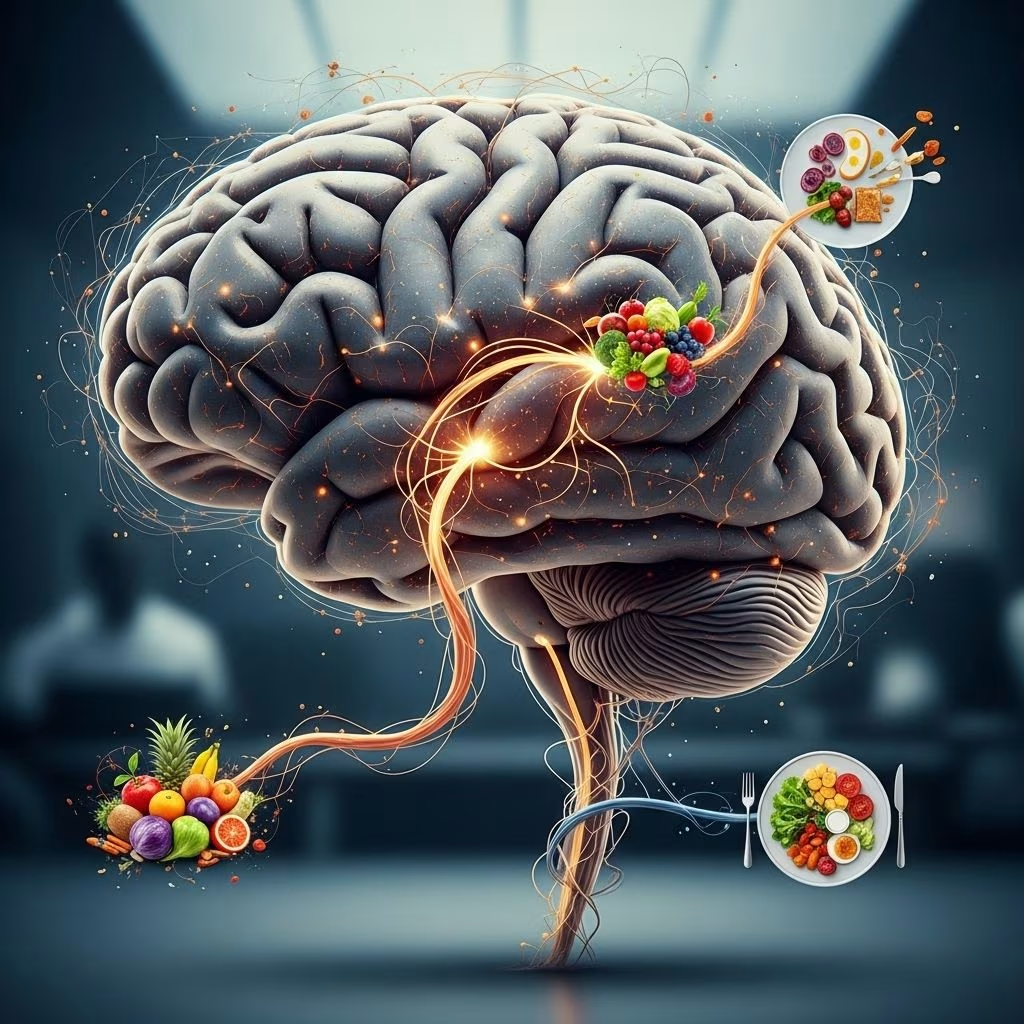
The idea that personality traits shape many aspects of our lives—including eating habits and dietary success—is gaining scientific backing. Understanding your own personality can offer valuable insights into food choices, diet pitfalls, and strategies for lasting weight management. This comprehensive overview connects psychological research with practical tips based on the core personality types, sometimes called the Big Five traits.
Personality and Your Plate: The Connection
Nutrition and psychology intersect more than most people realize. Recent studies reveal that our personality characteristics not only influence the foods we crave but also play a role in both healthy and unhealthy eating patterns. By mapping your personality, you can better recognize strengths and vulnerabilities in diet and make adjustments for greater success.
- Conscientiousness links to resilience against temptation, better planning, and healthier eating patterns.
- Openness is associated with willingness to try new foods and diets, and a preference for variety.
- Extraversion correlates with social eating and a tendency to enjoy rich, sweet, and salty foods, often in group settings.
- Agreeableness is tied to empathy, cooperative behavior, and sometimes greater cognitive restraint in diet.
- Neuroticism can lead to impulsive, emotionally-driven eating, especially when stressed.
The Big Five Personality Traits Explained
Most psychological research uses the Big Five model to describe personality. These five dimensions capture stable patterns of behavior, thought, and emotion that influence everything from career success to dietary choices.
| Trait | Description | Typical Dietary Pattern |
|---|---|---|
| Conscientiousness | Organized, disciplined, goal-oriented | Follows healthy routines, resists temptation |
| Openness | Curious, imaginative, open to new experiences | Enjoys variety, willing to try new foods or diets |
| Extraversion | Outgoing, sociable, energetic | Prone to social eating, higher risk of overeating in company |
| Agreeableness | Trusting, cooperative, kind | Higher cognitive restraint, may eat more healthfully to please others |
| Neuroticism | Prone to anxiety, mood swings, emotionality | Emotional eating, cravings, tendency toward unhealthy choices |
If You’re Highly Conscientious: The Planner
People scoring high on conscientiousness excel at self-discipline, organization, and setting clear goals—attributes that strongly predict healthier eating habits and greater success with long-term diet changes.
- Strengths: More likely to meal prep, count calories or macronutrients, follow through on planned meals, resist impulse eating, and avoid skipping workouts.
- Challenges: May become excessively rigid or self-critical when deviating from their plan, risking “all-or-nothing” thinking.
One study found that conscientious people tend to stick to healthful routines and are less likely to choose high-fat, high-sugar foods or succumb to emotional eating.
Diet Tips for Conscientious Types
- Set structured, realistic goals but allow room for flexibility—perfection isn’t required.
- Use checklists, food journals, or healthy habit trackers to maintain accountability.
- If you experience setbacks, focus on learning rather than self-criticism.
If You’re High in Openness: The Adventurous Eater
Open people are creative and love novelty. They’re known for being curious about the world—and about food. Openness often leads to a more varied, nutrient-diverse diet, and a willingness to try global cuisines, plant-based meals, or experimental eating styles.
- Strengths: Embraces new recipes, diets, or ingredients. Less prone to food monotony or “food neophobia” (fear of new foods).
- Challenges: May become bored with standard diet routines and try unsustainable or trendy diets; inconsistency can undermine results.
Studies have shown that the open personality is linked to a wider palate and greater intake of fruits, vegetables, and whole grains, though adherence may fluctuate over time.
Diet Tips for Open Types
- Channel your curiosity into learning about nutrition science—not just food trends.
- Sign up for international cooking classes or subscribe to meal kits that focus on new flavors.
- Mix up healthy meal plans to maintain interest, but use evidence-based approaches for sustained results.
If You’re Extroverted: The Social Diner
Extraverts thrive on social interaction and tend to be the life of the party—or dinner table. This trait often leads to dining in groups, celebrating with food, and preferring bold flavors, sweets, or richly-prepared dishes.
- Strengths: Likely to try new restaurants, join group fitness classes, and find diet buddies for accountability.
- Challenges: Susceptible to social overeating, impulse snacking at parties, peer pressure, or excessive caloric drinks.
Research links extraversion not only to eating more in company but also to greater consumption of sweet and salty foods, soft drinks, and meat.
Diet Tips for Extraverted Types
- Arrange social activities that don’t always revolve around high-calorie meals (e.g., walks, fitness groups).
- Find like-minded friends who are interested in healthy cooking or group meal prepping.
- Practice mindful eating at events: serve yourself appropriate portions and pause between servings.
If You’re Highly Agreeable: The Accommodating Eater
People who rank high in agreeableness are compassionate, trusting, and attuned to others’ needs. In terms of diet, they may exhibit cognitive restraint—conscious control over food choices—often in the service of family or social harmony.
- Strengths: Willing to adapt recipes for others’ health, good at following household food guidelines, and often prioritize family meals with balanced options.
- Challenges: Can go along with group choices even if unhealthy; risk of emotional eating when trying to please others or reduce conflict.
Some research suggests agreeableness is associated with reduced meat intake, increased cognitive restraint, and an openness to plant-based eating.
Diet Tips for Agreeable Types
- Communicate your dietary needs with loved ones instead of always accommodating.
- Set healthy traditions or routines that benefit everyone in the household.
- Be mindful of emotional triggers and ensure nourishment isn’t tied only to others’ happiness.
If You’re High in Neuroticism: The Emotional Eater
Neuroticism describes those prone to anxiety, emotional swings, and sensitivity to stress, which often translates to emotional or stress-induced eating patterns.
- Strengths: May be acutely aware of emotional triggers and motivated to understand their diet struggles deeply.
- Challenges: Tendency toward emotional eating, impulsive snacks, cravings for sweets or processed foods, and “yo-yo” dieting.
Studies find that emotionally unstable or highly neurotic individuals are more likely to eat in response to negative emotions and less likely to have consistent, healthy habits. Their diets may feature more sugar, saturated fat, and fewer fruits and vegetables.
Diet Tips for Neurotic Types
- Develop alternative coping strategies for stress (e.g., journaling, exercise, meditation).
- Choose structured meal plans that reduce impulsive choices and offer a sense of control.
- Consider professional support if emotions and eating feel overwhelming.
How to Leverage Your Personality for Diet Success
Knowing your dominant personality type can help you customize your approach and avoid common dietary pitfalls. Consider these general strategies:
- Self-assessment: Take a reputable personality test (such as the Big Five Inventory) to clarify your tendencies.
- Leverage strengths: Use your positive traits (planning, curiosity, sociability, empathy, or self-reflection) to build sustainable habits.
- Beware of vulnerabilities: Recognize where your type is likely to struggle and plan practical solutions.
- Be flexible: There is no universal diet that suits every personality; successful plans are tailored and adaptable.
Frequently Asked Questions (FAQs) About Personality and Eating Habits
Which personality trait is most strongly linked to healthy eating?
Conscientiousness is most consistently associated with healthy eating habits, routine, and adherence to dietary guidelines.
Do people with high neuroticism always struggle with their weight?
Not always, but high neuroticism increases the risk of emotional eating, inconsistent habits, and “yo-yo” dieting that can impact weight control.
Is it possible to change eating habits even if my personality is fixed?
Yes. While personality traits are relatively stable, self-awareness allows you to choose habits and environments that minimize weaknesses while playing to your strengths.
Can I use personality insights to help others (family, friends) eat better?
Absolutely. Tailoring support to another’s personality profile—offering structure for planners, variety for the adventurous, or empathy for emotional eaters—can increase your chances of helping them adopt healthier behaviors.
Are there diets designed for specific personalities?
While no mainstream diets are explicitly tailored by personality yet, many commercial weight loss programs indirectly appeal to certain traits, such as accountability for conscientious types or social features for extraverts. Personalizing diets is a growing area of interest.
Summary Table: The Big Five, Eating Habits, and Tips
| Personality Trait | Common Eating Pattern | Actionable Tip |
|---|---|---|
| Conscientiousness | Predictable, organized, healthy choices | Add flexibility—avoid harsh self-criticism after setbacks |
| Openness | Adventurous, varied, trend-following | Embrace novelty but stick to evidence-based nutrition fundamentals |
| Extraversion | Social, celebratory, portion distortion risk | Find healthy group activities; practice mindful eating in company |
| Agreeableness | Accommodating, empathetic, family-focused | Assert personal diet needs and manage emotional triggers |
| Neuroticism | Emotional, impulsive, stress eating | Build coping skills outside the kitchen; seek structure and support |
Key Takeaways
- Understanding your personality type can unlock more effective nutrition strategies and long-term weight management.
- The Big Five personality traits each carry unique advantages and challenges in the realm of eating habits.
- Personalized diet solutions informed by self-insight are likely to prove most successful—and sustainable—over time.
References
- https://www.frontiersin.org/journals/public-health/articles/10.3389/fpubh.2024.1490634/full
- https://www.richtmann.org/journal/index.php/jesr/article/view/13722
- https://pmc.ncbi.nlm.nih.gov/articles/PMC8321831/
- https://www.frontiersin.org/journals/psychology/articles/10.3389/fpsyg.2022.881436/full
- https://pmc.ncbi.nlm.nih.gov/articles/PMC7033005/
- https://www.nature.com/articles/s41598-025-85750-4
- https://academic.oup.com/eurpub/article/31/Supplement_3/ckab164.446/6405310


