


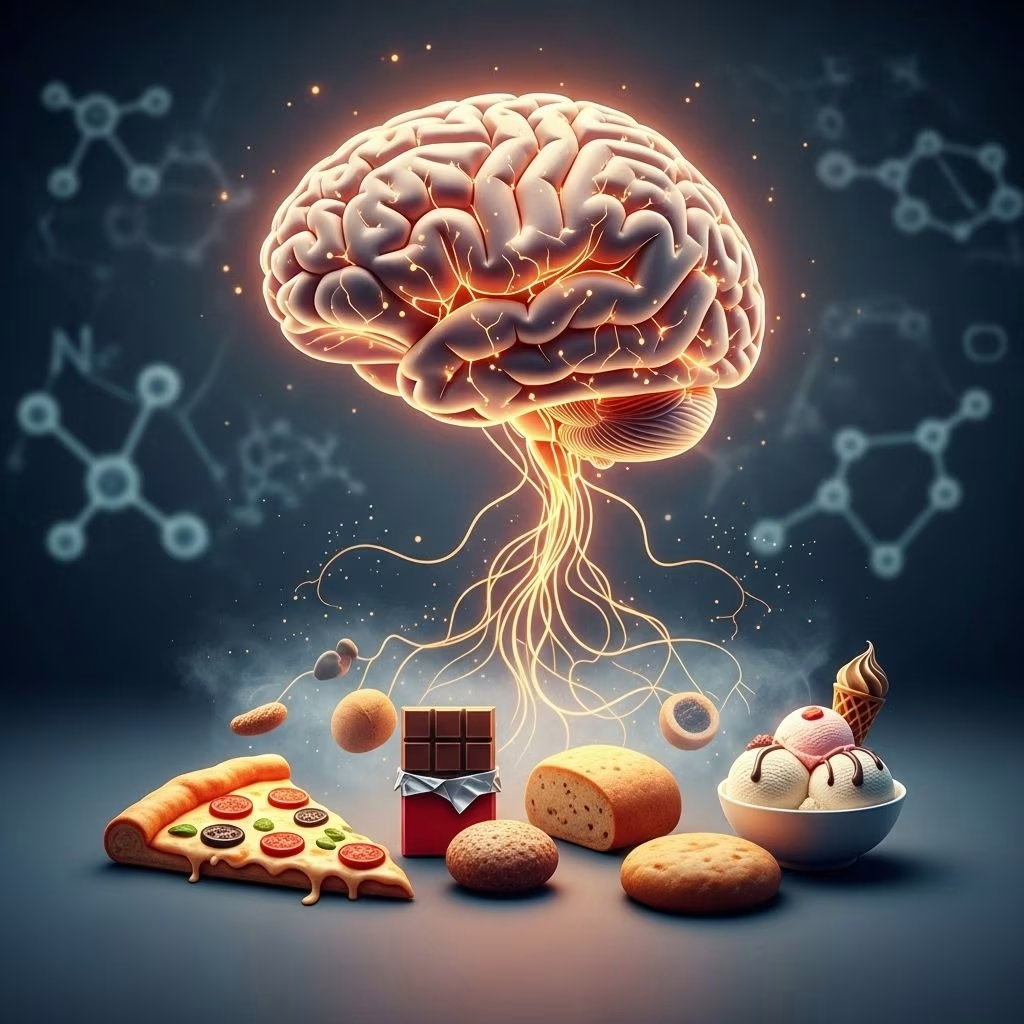
How Stress Eating Works: The Science Behind Emotional Eating
Stress eating, commonly known as emotional eating, is a widespread behavior where people consume food—often high in fat or sugar—in response to emotional distress rather than physiological hunger. From short-lived anxiety to long-lasting chronic stress, these emotions can trigger complex hormonal reactions, change eating habits, and sabotage weight-management efforts. In this comprehensive guide, we delve into the mechanisms driving stress eating, the impact of hormones on hunger, psychological dynamics, and research-backed strategies to overcome this cycle.
What Is Stress Eating?
Stress eating is the act of consuming food, particularly comfort foods, as a response to stress or emotional discomfort instead of real hunger. Emotional eating goes beyond occasional indulgence; it’s a patterned behavior that can hinder health goals and lead to weight gain. According to recent surveys, 38% of adults have overeaten or chosen unhealthy foods due to stress in the past month, with nearly half experiencing this behavior weekly or more often. Emotional eating is often employed as a distraction from stress, a coping mechanism, or simply out of habit.
- Comfort foods: Typically high in fat and sugar, these foods provide short-term relief and pleasure.
- Habitual behavior: Over one-third of adults report eating to manage stress, and many form habits around this behavior.
- Physical vs. emotional hunger: Emotional eating occurs when stress or emotions, not physiology, drive the desire for food.
How Stress Affects Eating Habits
The body’s reaction to stress involves both immediate and long-term hormonal changes. Understanding these mechanisms helps explain why stress triggers cravings and eating.
The Fight-or-Flight Response and Appetite
Acute stress triggers the release of epinephrine (adrenaline) from the adrenal glands, initiating the “fight-or-flight” response. This temporarily suppresses appetite as the body reallocates energy for survival rather than digestion.
Chronic Stress and Cortisol
When stress becomes prolonged, another adrenal hormone, cortisol, is released. Elevated cortisol levels stimulate appetite, increase motivation for food, and, crucially, make the body more likely to store visceral fat. In those experiencing ongoing stress, persistently high cortisol leads to increased cravings for calorie-rich comfort foods and overeating.
- Cortisol increases hunger and cravings, especially for energy-dense foods.
- Insulin interacts with cortisol, amplifying cravings in individuals with higher insulin levels.
- People with naturally higher stress-induced cortisol are more likely to snack and gain weight.
Hunger Hormones and Food Preference
In addition to cortisol, the “hunger hormone” ghrelin rises during stress, increasing appetite. These hormonal changes affect food preferences, pushing people toward fatty and sugary foods due to their immediate stress-soothing effects. Animal studies show that these comfort foods can dampen stress-related emotions and physiologic responses by affecting the brain’s stress circuitry, creating a feedback loop that reinforces stress eating over time.
Addictive Properties and Reward System
Research shows strong parallels between the consumption of hyperpalatable foods and addictive behavior. Chronic stress exaggerates the drive to consume foods high in fat and sugar, just as it can intensify vulnerability to substance abuse. During stress, palatable foods provide short-term emotional relief but contribute to long-term health risks such as obesity and metabolic dysfunction.
| Key Hormone | Effect on Appetite | Food Preference |
|---|---|---|
| Epinephrine (Adrenaline) | Suppresses appetite (short-term) | No specific preference |
| Cortisol | Increases appetite (long-term) | High-fat, high-sugar foods |
| Ghrelin | Promotes hunger | Energy-dense foods |
Psychological Triggers and Patterns in Stress Eating
Not only biology but also psychology contributes to emotional eating. Individuals often eat to cope with difficult feelings, escape from problems, or numb anxiety. These psychological triggers shape the frequency, timing, and nature of stress eating.
- Many view eating as a quick distraction from worries or negative emotions.
- Stress eating is more common when stress is persistent or chronic.
- Women tend to turn to food during stress, whereas men are more likely to choose alcohol or smoking as coping mechanisms.
- Obesity is more closely associated with stress-related eating in women than men.
The Consequences of Stress Eating
While stress eating may provide temporary relief, the long-term costs are significant. Heightened risk of weight gain, metabolic syndrome, emotional distress, and unhealthy eating patterns can all result from habitually relying on food for emotional regulation.
- Weight gain: Frequent intake of calorie-rich comfort foods increases visceral fat and overall body weight.
- Emotional consequences: The immediate guilt or regret after overeating can worsen self-esteem and further perpetuate stress.
- Physical health risks: Chronic stress and emotional eating are associated with higher rates of diabetes, hypertension, and cardiovascular problems.
Sleep, Exercise, and Alcohol
Stress doesn’t only affect diet; it also disrupts sleep patterns, physical activity, and leads to increased alcohol consumption, all compounding the risk of weight gain and poorer overall health.
Who Is at Risk?
Certain groups are more susceptible to stress eating. Recognizing risk factors helps target interventions for those most in need.
- Individuals with high baseline weight: Stress eating leads to more weight gain in those who are already overweight, possibly due to higher insulin sensitivity and reactivity.
- People with elevated cortisol responses: Those who show strong hormonal reactions to stress are more likely to adopt unhealthy eating patterns.
- Women: Research suggests a gender difference, with women tending to overeat during stress, while men may adopt non-food coping strategies.
- Teens and adults under high emotional strain also display similar patterns, engaging in unhealthy eating behaviors to distract from stress or soothe anxiety.
The Feedback Loop: Comfort Food and Emotional Relief
The concept of “comfort food” isn’t just cultural—it’s supported by neurological research. High-fat, sugar-rich foods reduce stress responses, providing a “soothing” effect that momentarily quells emotional discomfort. However, this feedback can reinforce the habit, making stress eating a default coping strategy. Over time, this undermines both physical and mental health goals, creating a vicious cycle of stress and emotional eating.
How to Break the Cycle of Stress Eating
Disrupting the relationship between stress and eating requires a multi-pronged approach. Effective strategies address both the psychological need for comfort and the physiological triggers that drive cravings.
1. Get Rid of Trigger Foods
- Eliminate high-fat, sugary snacks from your pantry and fridge to limit temptation.
- Stock up on healthier alternatives and quick, nutritious snacks for real hunger.
2. Practice Mindfulness and Meditation
- Meditation can mitigate stress, making you more aware of impulsive food choices. With practice, individuals can pause and reflect before reaching for comfort foods.
- Mindful eating techniques enhance awareness of true hunger versus emotional cravings.
3. Utilize Exercise and Movement
- Physical activity—like a brisk walk or short run—reduces stress and increases endorphins, directly countering the urge to eat out of emotion.
- Exercise blunts negative effects of chronic stress, improves mood, and can help regulate hormones associated with stress eating.
- Yoga and tai chi offer combined benefits of relaxation, movement, and mindfulness.
4. Cultivate Social Support
- Seek connection with friends, family, or support groups during challenging times. Research indicates that social support buffers the negative impact of stress and reduces the need to cope through food.
5. Make Stress Eating Less Automatic
- Recognize emotional eating triggers and build alternative coping strategies, such as journaling, relaxation exercises, or engaging in a non-food activity when stress hits.
- Break patterns by putting time or space between the urge and the action—take a walk, call a friend, or drink a glass of water.
Expert Tips to Stop Stress Eating
- Take a short walk or engage in light exercise whenever the urge to eat out of stress arises. This helps separate the emotion from food and provides mood-boosting benefits.
- Prepare healthy snacks so that when cravings arise, you have nutritious options ready.
- Schedule regular stress-minimizing practices, like deep breathing, meditation, or stretching.
- Track stress and eating patterns in a journal to identify habits and patterns over time.
Frequently Asked Questions (FAQs)
Q: Why do I crave sweets and junk food when I’m stressed?
Stress triggers the release of cortisol, which increases appetite and intensifies cravings for sugary and fatty foods. These comfort foods provide short-term emotional relief, reducing stress effect on the brain’s reward center.
Q: Is stress eating really harmful?
Occasional emotional eating is normal, but regular reliance on food to cope with stress increases the risk of weight gain, obesity, and various health problems. It can also form patterns that further undermine self-esteem and psychological well-being.
Q: Are women more likely to stress eat than men?
Research suggests women do turn to food for comfort in response to stress more often than men, who may use alcohol or other behaviors. Stress-related eating is more strongly linked to weight gain in women.
Q: Can exercise really stop stress eating?
Exercise helps regulate mood and reduce stress. A brief walk or workout releases neurochemicals like endorphins, easing feelings of anxiety and reducing the drive to snack for emotional reasons.
Q: What are healthy alternatives to stress eating?
- Meditation, breathing exercises, or mindful movement
- Connecting with friends or support circles
- Journaling or creative activities
- Choosing protein-rich or high-fiber foods when hungry
- Engaging in non-food hobbies and distractions
Key Takeaways for Managing Stress Eating
- Stress alters hormone levels and reward systems, leading to cravings and overeating—especially of high-fat and sugary foods.
- Chronic stress and emotional eating undermine health and weight loss goals, but effective management strategies exist.
- Breaking the pattern relies on mindfulness, movement, social support, and eliminating triggers for unhealthy eating.
- Long-term solutions include stress management, healthy food choices, tracking eating habits, and leveraging expert advice for lasting change.
References
- https://www.health.harvard.edu/staying-healthy/why-stress-causes-people-to-overeat
- https://www.apa.org/news/press/releases/stress/2013/eating
- https://pmc.ncbi.nlm.nih.gov/articles/PMC4214609/
- https://www.prevention.com/food-nutrition/a64945067/walking-to-stop-stress-eating/
- https://www.eatingdisorderhope.com/treatment-for-eating-disorders/eating-disorder-hotlines
- https://www.mayoclinic.org/healthy-lifestyle/weight-loss/in-depth/weight-loss/art-20047342
- https://www.teladochealth.com/library/article/12-ways-to-stop-stress-eating


