


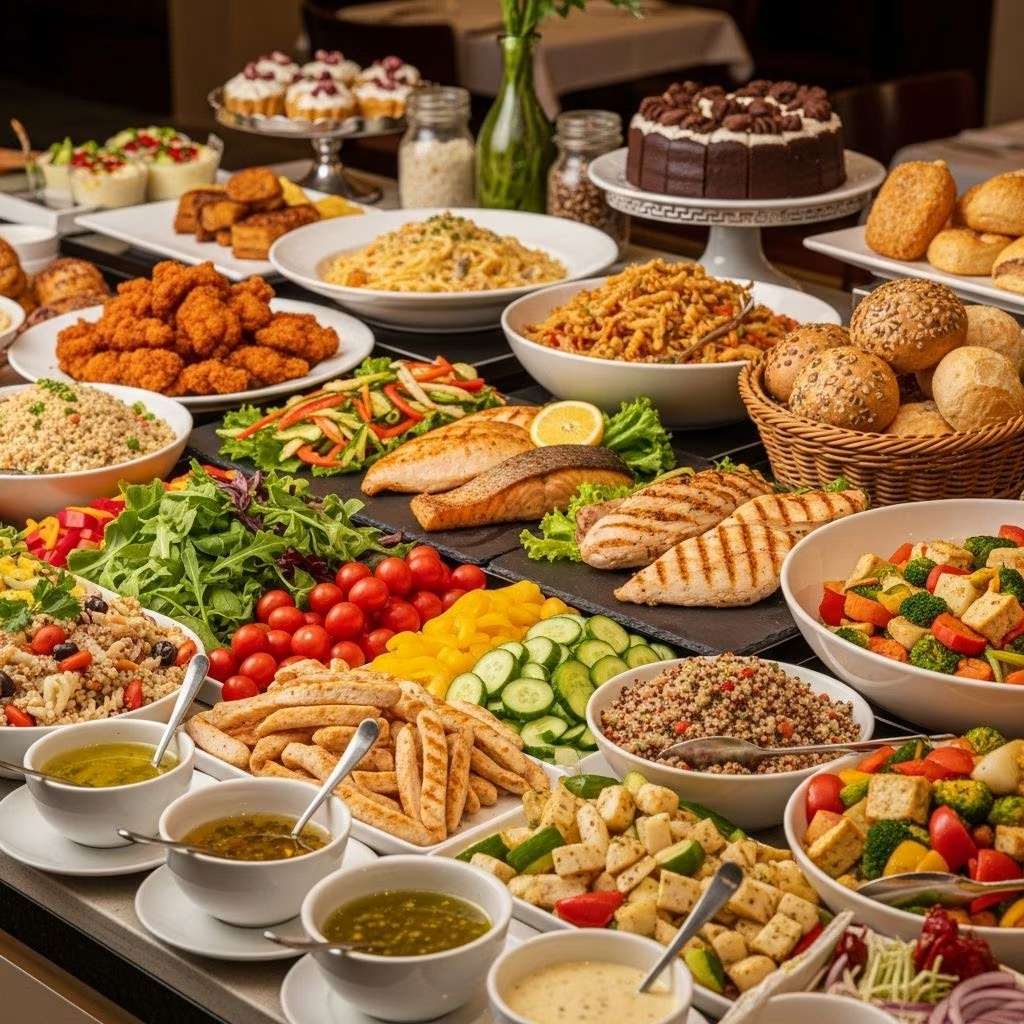
Buffets offer endless culinary options, but they’re also a notorious minefield for anyone trying to eat healthier or mind their weight. With research-backed strategies and a bit of planning, you can enjoy delicious variety without overindulging. This guide distills expert advice and psychological research to help you conquer the buffet and make satisfying, healthy choices—one plate at a time.
Beat The Buffet: Expert Strategies
The way you approach a buffet can make a significant difference in your overall experience and health outcome. Here are actionable tactics to set yourself up for mindful eating and satisfaction:
- Take a Smarter Seat: Research shows that diners who sit at least 16 feet farther from the buffet are less tempted to overeat. If possible, choose a booth or a table that doesn’t directly face the food spread. Booths often foster a more relaxed, less “grab-and-go” atmosphere, subconsciously steering you away from frequent trips to the buffet line.
- Scout, Then Serve: Before picking up a plate, take a lap to see what’s available. Surveying your options helps you skip impulse picks and zone in on a few high-quality dishes you truly want. Visualizing your ideal plate can guide you toward a balanced, satisfying meal.
- Have a Snack Beforehand: Arriving at a buffet ravenous often leads to overindulgence. A small, healthy snack—such as yogurt, a handful of nuts, or whole-grain crackers—can take the edge off and help you make more deliberate choices.
- Pace Yourself: Take one plate at a time, and give yourself time to digest before considering seconds. The buffet isn’t a race; slowing down supports better digestion and satiety.
Plate Tactics: Building a Nutritious Meal
Crafting each plate with intention is a cornerstone of healthy buffet eating. The “Balanced Plate” method is a simple visual tool endorsed by dietitians and public health experts:
- Fill Half Your Plate with Non-Starchy Vegetables: Start with salad greens, raw or steamed vegetables such as broccoli, carrots, peppers, green beans, spinach, or cabbage. Opt for produce that’s fresh, grilled, or lightly steamed—avoid heavy dressings and cheese sauces.
- Dedicate a Quarter to Lean Protein: Choose grilled or baked chicken (without skin), fish, shrimp, tofu, turkey, or lean beef trimmed of fat. Steer clear of fried proteins and those cooked in rich sauces.
- Use a Quarter for Whole Grains or Starchy Vegetables: Brown rice, whole-grain bread, baked potatoes, or legumes like black beans or chickpeas make nutritious options. Limit refined grains and dishes doused in butter, cream, or sugar.
Pro tip: Serving size matters—moderate portions help you sample more foods and enjoy variety without excess calories.
| Plate Section | What to Fill With | What to Limit or Skip |
|---|---|---|
| 1/2 Plate | Non-starchy vegetables (salads, broccoli, carrots, spinach) | Salads with creamy dressings or loaded toppings |
| 1/4 Plate | Lean proteins (grilled chicken, fish, tofu, beans) | Fried, breaded, or sauced meats |
| 1/4 Plate | Whole grains (brown rice, whole-grain bread) or starchy veg | Mac & cheese, creamy potato dishes, refined breads |
Smart Food Choices: What to Pick (and Skip)
Buffet tables are loaded with temptations, but a few simple rules can make healthy selections second nature. Here’s what to look for and what to approach with caution:
- Go for Color—Choose a Variety of Veggies: The more color on your plate, the broader your range of nutrients. Stick to non-starchy veggies like peppers, leafy greens, cauliflower, and tomatoes. Limit beans cooked in sweet or fatty sauces.
- Pick Lean Proteins over Processed or High-Fat Choices: Favor grilled, baked, or steamed options. Chicken, turkey, fish, tofu, eggs, and legume dishes prepared with minimal fat are ideal. Choose only a taste of fried or creamy proteins.
- Reach for Whole Grains: Brown rice, quinoa, bulgur, whole-wheat bread, or corn are filling, high-fiber choices. White bread, processed crackers, or pastries offer little nutritional value and are easiest to overeat.
- Beware of Hidden Calories: Fried foods, breaded meats, cheese-covered casseroles, creamy salads, and dishes labeled “au gratin” or “crispy” almost always pack extra fat and calories.
- Control Condiments and Dressings: Ask for sauces and dressings on the side, dip your fork, and use modest amounts. Olive oil and vinegar are lighter salad toppers.
- Bring or Choose a Healthy Main Dish (When Possible): If attending family-style or potluck buffets, offer to bring a low-fat, veggie-rich dish everyone can enjoy.
Mindful Eating: How Habits Shape Your Meal
Healthy buffet eating isn’t just about what’s on your plate—it’s also about how and why you eat. Mindful practices can help you enjoy your meal, notice fullness cues, and leave the table satisfied rather than stuffed.
- Chew Slowly and Fully: Studies show that slimmer diners tend to chew each mouthful 15 times—three more than average. More chewing gives you time to savor flavors and tune in to satiety signals.
- Put Down Your Fork Between Bites: This small gesture slows your pace and allows natural feelings of fullness to surface.
- Select Food with Intention: Thinking through your choices (rather than piling randomly) makes it easier to stick to healthy goals and avoid “mindless eating” traps.
- Drink Water with Your Meal: Sipping water or unsweetened beverages between bites can slow eating and keep you hydrated.
- Focus on People, Not Just Plates: Socializing and enjoying company can help shift attention away from continual eating, reducing the urge for multiple trips to the buffet.
Drink Decisions: Healthy Beverages at the Buffet
Beverages play a hidden yet significant role in buffet calories. Make smart drink choices to complement, not undo, your healthy meal:
- Select Water or Unsweetened Beverages: Water, seltzer, unsweetened tea, or black coffee make the healthiest buffet drinks—hydrating and calorie-free.
- Limit Sugary Soft Drinks and Juices: Even one serving can add hundreds of “empty” calories without helping you feel full.
- If You Drink Alcohol, Be Strategic: Stick to the recommended limit (one drink/day for women, two for men). Never drink on an empty stomach—pair with food to moderate appetite and avoid blood sugar swings.
- Beware Creamy Drinks: Eggnog, sweet cocktails, and blended coffees can be as calorie-laden as a dessert.
Dessert Savvy: Enjoying Sweets without Overdoing It
You don’t have to deny yourself every fun treat. The key is moderation and making smarter sweet selections:
- Choose Whole Fruit First: Fresh fruit delivers fiber, vitamins, and natural sweetness without added sugar. Try berries, melon, apples, or pears for a refreshing finish.
- Downsize Your Dessert: If you want cake, pie, or cookies, take a small piece rather than a generous slice. Flag favorites and skip treats you’re indifferent about.
- Skip Whipped Cream Toppings and Heavy Sauces: These quickly ramp up calorie counts with little nutritional benefit.
- Think “Taste,” Not “Treat”: Focus on sampling, not feasting—enjoy a small spoonful, savor, and move on.
Frequently Asked Questions (FAQs) About Healthy Buffet Eating
Q: Should I skip buffets altogether if I’m trying to lose weight?
A: It’s not necessary to avoid buffets. The strategies outlined above—scouting options, portioning, and eating mindfully—allow you to enjoy buffets in a way that supports your goals. Planning ahead and making conscious choices are key.
Q: Are there any foods I should never eat at a buffet?
A: No foods need to be strictly off-limits, but some foods—like fried dishes, creamy salads, and sugar-laden desserts—are best enjoyed in very small amounts. Focus on plant-based and lean protein foods most of the time.
Q: How do I avoid overeating when so many foods are available?
A: Using a single plate, prioritizing vegetables and lean proteins, and eating slowly all help. Take breaks between plates, check in with your hunger cues, and remember you can stop even if there’s still food on your plate.
Q: Are buffet salads always a healthy option?
A: Not always. Build salads from greens and numerous vegetables, and use dressing sparingly. Skip heavy add-ons like bacon bits, fried noodles, croutons, and creamy dressings.
Q: What about kids at buffets?
A: Encourage children to build plates with lots of fruit and vegetables first, followed by a protein and a small treat. Make healthy eating fun by letting them choose vibrant, crunchy produce and dip on the side.
With these simple but powerful habits, you can enjoy any buffet—whether at a restaurant, event, or family gathering—while nourishing your body and honoring your health goals.
References
- https://www.cdc.gov/diabetes/healthy-eating/choosing-healthy-foods-holidays.html
- https://www.prevention.com/weight-loss/a20446381/how-to-eat-healthy-at-the-buffet/
- https://www.cancer.org/cancer/risk-prevention/diet-physical-activity/eat-healthy/restaurant-eating-tips.html
- https://www.prevention.com/weight-loss/a20451598/healthy-eating-tips-for-dining-out/
- https://www.prevention.com/weight-loss/a20429571/healthy-eaters-eat-out-guide/
- https://www.prevention.com/food-nutrition/healthy-eating/a65221143/best-time-of-day-to-eat-dinner/
- https://www.prevention.com/food-nutrition/
- https://www.prevention.com


