


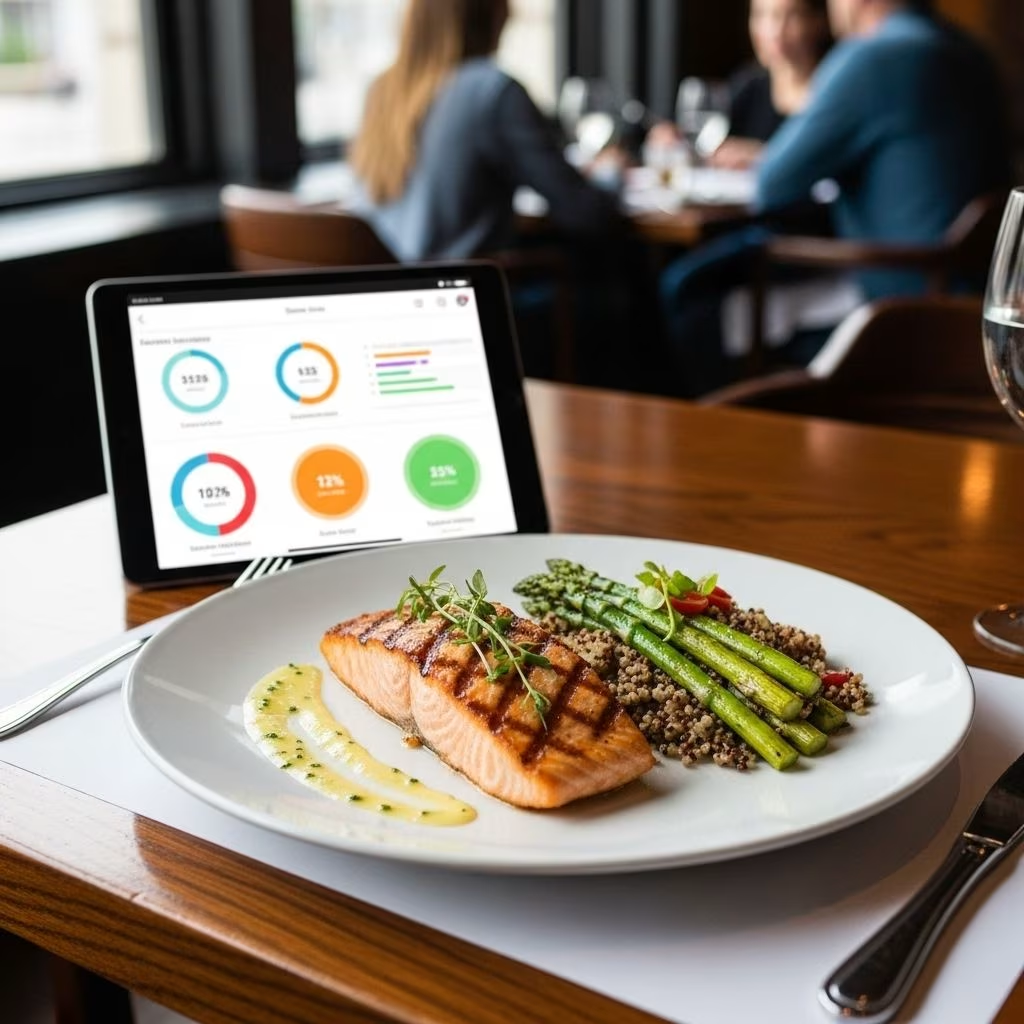
Eating away from home often presents a challenge for anyone mindful of calories or working toward weight loss. Restaurants, takeout, parties, and travel can all derail the best intentions by tempting you with oversized portions and calorie-heavy dishes. However, with the right knowledge and tools, you can remain in control of your nutrition—even when dining out. Below, discover essential strategies, expert tips, and practical hacks to help you watch calories confidently wherever you eat.
Why Eating Out Makes Calorie Control Difficult
Restaurant and takeout meals are notorious for being higher in calories, saturated fat, and salt than homemade options. Research reveals that the average chain restaurant meal delivers over 1,100 calories, nearly half of the daily energy needs for many adults. Even a seemingly harmless lunch at a restaurant can tip the scales at more than 1,000 calories.* These hidden calories come from larger-than-normal portion sizes, added fats, sugary sauces, and extras like bread or dessert that rack up your intake fast.
- Portion sizes are often two to three times larger than recommended servings.
- Food may be cooked with extra fat, butter, and sugar for flavor and appearance.
- Sugary drinks and alcohol can add hundreds of extra calories unnoticed.
- Menu descriptions like “crispy,” “smothered,” or “creamy” often signal hidden calories.
- Social cues, from group dining to special occasions, encourage overeating or indulgence.
Despite these challenges, making smart decisions is possible—it’s all about awareness and preparation.
Know Your Calorie Needs Before You Go
The first step to in-control eating, wherever you are, is knowing how many calories you actually need for your personal goals. Everyone’s calorie requirements differ based on age, sex, size, and activity level.* Use a trusted online calorie calculator or consult with a registered dietitian to estimate your daily needs, keeping in mind weight loss generally requires a deficit of 500-1000 calories per day from your maintenance level.*
- Plan ahead by identifying your meal’s calorie budget before heading out.
- If you’re aiming for weight loss, try to keep restaurant meals within a reasonable caloric range that fits your overall daily goal.
Practical Pre-Meal Strategies for Calorie Control
- Review restaurant menus ahead of time to decide on healthy choices before arriving.
- Avoid arriving hungry. A small snack with protein or fiber (like a handful of nuts or a piece of fruit) before you go out prevents impulsive, high-calorie ordering.
- Drink water before your meal. Studies have shown drinking water prior to eating can help you consume fewer calories overall.*
- Set your intentions. Remind yourself why you’re watching calories, and consider visualizing a successful, satisfying meal.
How to Order Smart at Restaurants
Once you’re at the restaurant, these actionable ordering tips help you keep calories in check:
- Start with soup or salad—especially broth-based or green salads with dressing on the side—to fill up on fewer calories.
- Ask for dressings, sauces, and toppings on the side, so you control the portions.
- Split entrees, or box up half your meal at the start to avoid mindless overeating.
- Request healthier cooking methods, such as grilling, steaming, or broiling, instead of frying or sautéing in butter or oil.
- Skip bread baskets and pre-meal treats, which can easily add hundreds of extra calories before your main course arrives.
- Replace high-calorie sides (french fries, mashed potatoes) with steamed vegetables, salad, or fruit whenever possible.
- Mind beverages. Opt for water, sparkling water, or unsweetened tea over soda, sweet tea, or alcohol.
Menu Terms That Signal High Calories
| Watch For | Alternative |
|---|---|
| Crispy, battered, breaded, smothered, creamy | Grilled, steamed, broiled, baked, roasted |
| Loaded, stuffed, triple meat, cheese-laden | Simple, light, fresh, vegetable-based |
Don’t be shy about making special requests. Most restaurants are happy to accommodate healthy substitutions or preparations for diners wanting to lighten up their meals.
Smart Eating at Buffets, Parties, and Social Events
- Survey the entire spread before filling your plate to identify the healthiest choices available.
- Fill half your plate with vegetables or salad first before moving on to more calorie-dense items like meats and starches.
- Use a smaller plate when available. Research consistently shows people eat less when they serve themselves on smaller dishes.*
- Portion control: Take modest amounts of indulgent or rich foods, savoring each bite slowly.
- Limit alcohol, as it can impair your judgment and add empty calories.
Making Healthier Fast Food and Takeout Choices
Grabbing food on the go doesn’t have to mean sabotage for your calorie goals. The key is customization, vigilance, and awareness of ingredients.
- Choose grilled over fried chicken, fish, or meat.
- Avoid supersizing. Stick with regular or even “junior” sizes for sandwiches and sides.
- Skip calorie-laden extras like cheese, mayonnaise, creamy sauces, and bacon.
- Request sauce on the side, and use just enough for flavor.
- Check nutrition information online when possible and compare menu items to find the lighter options.
- Opt for water or unsweetened drinks, not soda or shakes.
Many major fast-food chains now offer salads, fruit, and grilled items, so it’s easier than ever to find healthier takeout with a little effort.
Dining Out: Portion Control Secrets
- Divide portions immediately: Ask for a to-go box when you get your meal and put half aside before you begin eating.
- Share entrees or appetizers with a companion.
- Eat mindfully: Slow down, savor the food, and check in with your hunger cues to stop when you’re no longer hungry, not when the plate is empty.
- Start with your low-calorie items (salads/soups/vegetables) and eat proteins and starches last.
- Switch out creamy dressings and mayonnaise for lower calorie options like mustard or vinaigrette.
Drink Choices: Calories Can Add Up Fast
- Choose water as your primary beverage to save hundreds of calories over sugary drinks.
- Limit juice to one small (8-oz) serving per day if you choose to have it, as juices are as calorie-dense as sodas.
- If you drink milk, switching from whole to 1% could save you about 5 pounds per year for a single daily glass.*
Healthy Eating Habits for Every Meal
- Keep a food diary: Tracking everything you eat helps increase awareness and reduces unintended overeating.
- Follow the ‘80% full’ rule: Inspired by Japanese tradition, stop eating when you feel about 80% satisfied, leaving room before you’re stuffed.
- Eat slowly and chew thoroughly to give your body time to register fullness.
- Focus on food—avoid mindlessly munching in front of screens or while distracted.
- Choose whole fruits over fruit juices to boost fiber and feel fuller longer.
- If eating out frequently, plan ahead by scheduling lighter, home-cooked meals for the rest of the day.
Mindful Eating: Tune Into Your Body
Practicing mindful eating requires you to pay full attention to the experience of eating and listen to your body’s hunger and fullness signals. This approach helps you avoid emotional or impulsive eating, especially in tempting situations. Ask yourself regularly:
- Am I truly hungry?
- Is this the best choice for my health?
- Am I satisfied, or am I still hungry?
This simple internal dialogue can help you curb overeating and make empowering food decisions regardless of your location.
Planning Ahead: Your Key to Calorie Success
- Pack snacks like baby carrots, nuts, or low-fat string cheese for long days or travel. Having healthy options on hand prevents fast food temptation.
- When attending social events or parties, offer to bring a healthy dish to share.
- Practice assertive yet polite responses to food offers that don’t fit your plan: “No thanks, I’m not hungry right now,” or “That looks great, but I’ll pass this time.”
Your Calorie-Conscious Survival Kit
- Portable measuring cups or references (e.g., a deck of cards for 3 oz. protein)
- A water bottle for staying hydrated on-the-go
- Healthy snacks stashed in your bag or car
- Pre-planned responses to social pressure and food pushers
Keeping these tools handy helps transform healthy eating on the road or at restaurants from struggle to second-nature.
Frequently Asked Questions (FAQs)
Q: Is it possible to lose weight if I eat out frequently?
A: Absolutely—success is about consistency, not perfection. As long as you practice portion control, make health-focused menu modifications, and adjust your total daily calories, you can achieve your goals even with regular restaurant meals.
Q: What are some quick visual cues for restaurant portion sizes?
A: A serving of protein should fit in the palm of your hand (about 3-4 oz), cooked pasta/rice is about the size of a tennis ball, and a serving of cheese is the size of two dice.
Q: Are “healthy” restaurant menu items always lower in calories?
A: Not always. “Healthy,” “light,” and “vegetarian” items may still be high in calories if they contain creamy sauces, cheese, fried toppings, or large portions. Always ask for preparation details and check nutrition facts if available.
Q: How do I handle high-calorie temptations and desserts?
A: Share desserts with others or savor a few bites to satisfy your craving, avoiding the extra calorie load. Sometimes, even a mint or cup of tea can help you end the meal on a sweet note without overindulging.
Q: Does skipping meals help with calorie goals?
A: Generally, skipping meals backfires, often leading to overeating later due to excess hunger. Eating regular, balanced meals helps curb cravings and maintains steady energy.
Summary Table: Calorie-Smart Strategies When Eating Away from Home
| Challenge | Smart Solution |
|---|---|
| Large portions | Split or box half the meal before you start eating |
| Hidden fats | Request grilled/steamed options, sauces on the side |
| Social pressure | Prepare polite refusals or suggest healthy options |
| Drinks/sugary beverages | Choose water, seltzer, or unsweetened tea |
| Frequent eating out | Balance the rest of day with lighter, home-cooked meals |
Final Takeaway: Stay in Control—No Matter Where You Eat
With awareness, planning, and mindful choices, enjoying meals away from home doesn’t have to sabotage your calorie or health goals. Remember that all-or-nothing thinking isn’t helpful; strategies like portioning, substitution, and awareness help you make better choices at every meal, boosting your confidence and your results. Bon appétit!
References
- https://www.prevention.com/weight-loss/a20437039/100-easy-tricks-to-move-more-and-lose-weight/
- https://www.prevention.com/weight-loss/a20466904/weight-loss-tips-7/
- https://www.prevention.com/weight-loss/g20432475/15-ways-to-cut-hundreds-of-empty-calories-a-day/
- https://www.prevention.com/weight-loss/a20456466/diet-and-healthy-weight-loss-advice/
- https://www.prevention.com/weight-loss/g20512017/10-oddly-effective-weight-loss-tips-that-are-backed-by-science/
- https://www.prevention.com/weight-loss/a20461708/weight-loss-tips-3/
- https://www.prevention.com/weight-loss/a30188568/lose-weight-without-exercise-0/
- https://www.prevention.com/food-nutrition/a64365995/4-3-intermittent-fasting-vs-calorie-counting-weight-loss-study/
- https://www.prevention.com/weight-loss/a20458739/weight-loss-advice-from-thinfluence/


