


How to Get Rid of Water Weight: 8 Science-Backed Ways
Carrying a few extra pounds from water weight can leave you feeling bloated, sluggish, and uncomfortable. While most people strive to lose fat, water retention (also known as edema) is a common, often temporary issue triggered by factors like dietary choices, hormonal changes, medication, or lack of movement. Shedding excess water weight isn’t about drastic deprivation or quick fixes—it’s about smart, sustainable lifestyle changes rooted in scientific evidence. Below, we lay out exactly what water weight is, what causes it, and eight proven methods to help you minimize it for good.
What Is Water Weight—and Why Do You Hold Onto It?
Water weight is the extra fluid that builds up in your tissues, often making you look and feel puffy. Unlike true fat gain, water weight fluctuates day-to-day due to short-term changes in your body’s natural fluid balance. When your cells retain too much water, it’s usually because your body is responding to factors such as:
- Dietary sodium: Eating salty foods causes your body to hold on to more water in an attempt to maintain electrolyte balance.
- Shifts in hormones: Menstrual cycles, pregnancy, and hormone medications can all cause temporary water retention.
- Hydration status: Not drinking enough water may paradoxically cause your body to store more fluid.
- Medications: Drugs for blood pressure, diabetes, and some anti-inflammatories can cause fluid buildup.
- Lack of movement: Sitting or standing for long periods lets fluid pool in your lower extremities.
Most water weight is temporary, resolving once you address the underlying cause. If you’re experiencing persistent or severe swelling, consult your healthcare provider to rule out medical conditions.
8 Ways to Lose Water Weight Fast—and Safely
1. Cut Back on Salt
Sodium is the number one dietary culprit behind bloating and water retention. Salt draws water into your cells and encourages your body to conserve fluid. The average American consumes almost double the recommended daily intake of sodium—over 3,400 mg, compared to the 2,300 mg suggested by health authorities.
- Avoid processed foods like deli meats, canned soups, chips, and frozen meals—all high in hidden salt.
- Read nutrition labels and choose products labeled “low sodium.”
- Use herbs, spices, citrus juices, and vinegars to flavor your meals instead.
Reducing sodium can lower blood pressure and help your body release excess fluid naturally.
2. Drink More Water
It may seem counterintuitive, but drinking enough water is essential for losing water weight. When you’re dehydrated, your body clings to every drop, causing swelling and bloating. Research shows that increasing water intake correlates with subtle but sustained weight loss over time .
- Aim for around 8-10 cups (64-80 ounces) of water per day, depending on your activity level and climate.
- Drink water before, during, and after exercise to stay fully hydrated.
- Swap out sugary drinks or sodas for plain water whenever possible.
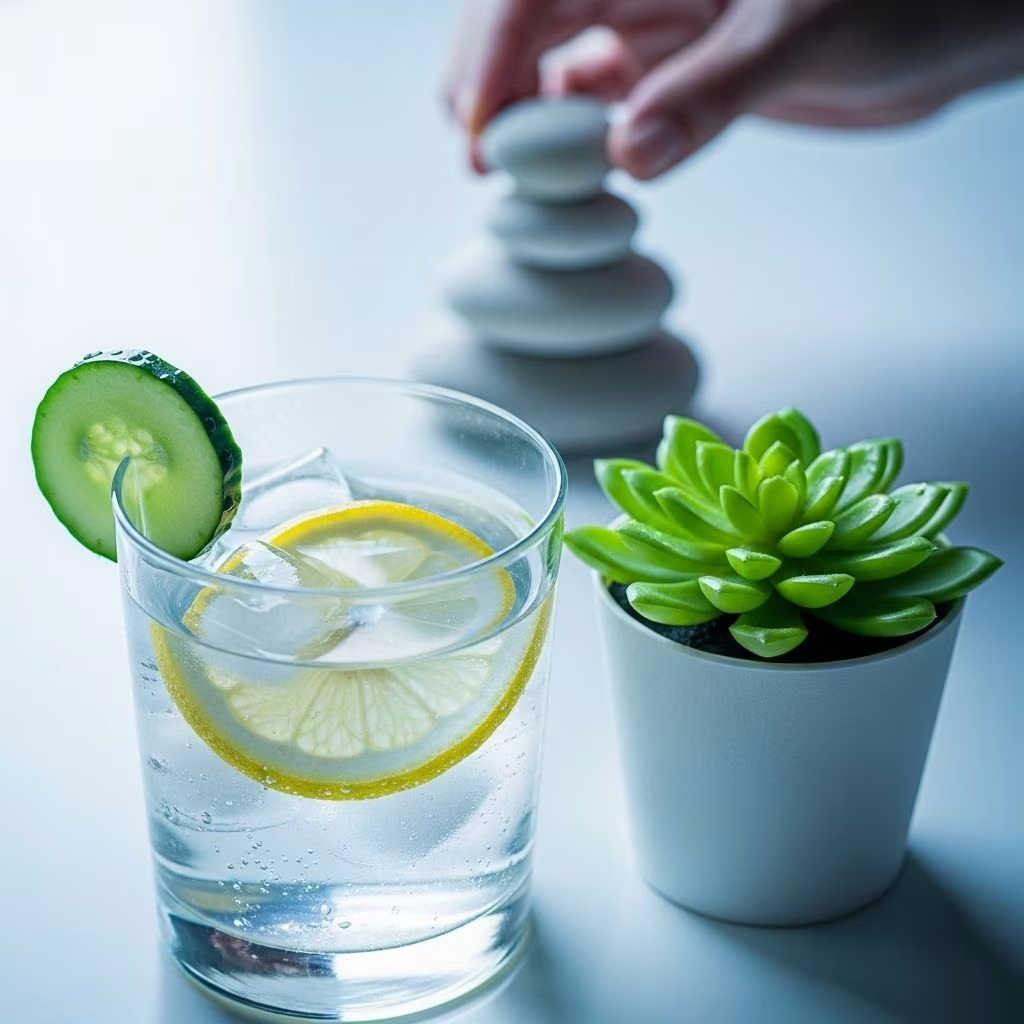
- Add fresh fruit slices, herbs, or cucumber to make water more appealing without extra calories.
Staying hydrated also supports kidney function, helps flush out excess sodium, and keeps your metabolism humming .
3. Eat Potassium-Rich Foods
Potassium is a key mineral that regulates fluid balance by counteracting the effects of sodium. Boosting your potassium intake can help your body excrete excess salt and water through urine.
- Top sources include bananas, oranges, cantaloupe, avocados, sweet potatoes, spinach, and beans.
- Aim for at least 4,700 mg of potassium per day, unless you have kidney disease or your doctor advises otherwise.
A balanced diet rich in fruits and vegetables supports healthy fluid levels and reduces the risk of hypertension.
4. Break a Sweat with Exercise
Physical activity helps regulate fluid balance by boosting circulation and prompting you to sweat. As your muscles contract and your heart rate increases, your lymphatic system pumps out excess fluid, reducing puffiness and swelling. Even short bursts of exercise can trigger visible results in just hours.
- Aim for at least 30 minutes of moderate-to-intense exercise most days—walking, jogging, cycling, swimming, or strength training all count.
- Add gentle stretching or yoga to reduce fluid buildup, especially if you sit or stand for long periods.
- Monitor your weight before and after workouts to gauge water loss, but be cautious: rapid drops can indicate dehydration, not fat loss.
Proper hydration during and after exercise is crucial to replacing lost fluids and preventing further retention .
5. Avoid Carbohydrate Overload
Carbohydrates are stored in your muscles and liver as glycogen, which binds to water—about three or four ounces for each ounce of glycogen. Eating a lot of carbs (like bread, pasta, rice, starchy veggies) can temporarily spike water retention. Conversely, reducing your carb intake (especially simple sugars) may help your body release some stored water quickly.
- Opt for whole grains and high-fiber carbs for sustained energy without drastic fluid swings.
- Balance your intake across the day to avoid bingeing and blood sugar crashes.
Extreme low-carb diets or fasting will cause rapid water loss at first, but these effects are usually short-lived.
6. Try Herbal Remedies and Diuretic Foods
Some foods and herbal teas act as natural diuretics, helping your body shed excess fluid. Popular options include:
- Parsley, dandelion greens, celery, and asparagus
- Green tea and hibiscus tea
- Cranberry juice (unsweetened)
Research supports mild diuretic effects, but they should never replace medical advice or prescription medications if you have clinical edema.
7. Limit Caffeinated and Alcoholic Beverages
Caffeine and alcohol can act as diuretics in low amounts, but drinking too much can disrupt your body’s water balance. Excess caffeine dehydrates you, while alcohol taxes your liver and kidneys, causing fluid fluctuations.
- Enjoy coffee and tea in moderation—about 1-2 cups per day.
- Limit added sugars and syrups in your drinks.
- Drink alcohol only occasionally, and hydrate well before, during, and after consumption.
Swap out high-calorie beverages with water or herbal teas to gently support fluid balance .
8. Get More Sleep—And Manage Stress
Hormones like cortisol (the “stress hormone”) and ADH (antidiuretic hormone) directly affect how your body holds water. Chronic stress or lack of sleep can disrupt these hormones, leading to stubborn bloating and water retention. Make rest a priority:
- Aim for 7-9 hours of uninterrupted sleep per night.
- Reduce nightly screen time—try reading, stretching, or meditating instead.
- Practice stress management techniques, such as mindfulness, deep breathing, and regular exercise.
A healthier mind and body will naturally regulate fluid balance more effectively.
Frequently Asked Questions About Water Weight
Q: What causes water weight in the body?
A: Water weight is usually caused by excess sodium, hormonal changes, dehydration, certain medications, or long periods of inactivity. It can also result from chronic medical conditions such as heart, kidney, or liver disease—always consult a doctor for persistent swelling.
Q: How quickly can I lose water weight?
A: Most people can lose a noticeable amount of water weight within 24–48 hours by reducing salt and increasing hydration, though results depend on the cause.
Q: Is losing water weight the same as losing fat?
A: No. Losing water weight leads to rapid but temporary changes in scale and appearance, but does not reduce body fat or improve long-term health.
Q: Can drinking too much water cause water retention?
A: Drinking more water usually helps flush out water weight, but severely overhydrating can cause an electrolyte imbalance—so stick to moderate, regular intake.
What to Avoid When Trying to Shed Water Weight
- Quick-fix supplements: Many over-the-counter diuretics and weight loss pills make bold claims, but may cause harm or only offer temporary results.
- Extreme diets: Low-carb and crash diets cause initial water loss but can lead to fatigue, dehydration, and weight rebound.
- Sweat suits or saunas: Rapid fluid loss through intense heat risks dehydration and electrolyte imbalance.
Focus instead on balanced nutrition, regular hydration, movement, and healthy habits to manage water retention safely and sustainably.
Sample Water-Weight Friendly Day
| Meal | Sample Foods | Tips for Reducing Water Weight |
|---|---|---|
| Breakfast | Scrambled eggs, spinach, sliced avocado, herbal tea | Boost potassium and hydration with veggies and unsweetened tea |
| Lunch | Grilled chicken, mixed greens, cherry tomatoes, lemon vinaigrette | Lower sodium, high water content foods |
| Snack | Celery sticks, hummus, watermelon cubes | Choose natural diuretic foods |
| Dinner | Roasted salmon, steamed broccoli, sweet potato | High potassium, heart-healthy fats, low salt |
Key Takeaways for Managing Water Weight
- Focus on hydration, limiting salt, and eating potassium-rich foods.
- Exercise regularly to stimulate lymphatic flow and fluid release.
- Sleep well and minimize stress for hormone balance.
- Beware of fad diets, rapid fixes, or supplements with unproven claims.
- Consult your healthcare provider if bloating is persistent or painful.
SEO-Optimized FAQs
Is it normal to gain water weight after exercise?
Yes, intense physical activity can cause your muscles to temporarily retain water as they repair, but regular movement ultimately helps you shed excess fluid over time.
Can certain foods trigger water retention?
Processed foods high in sodium, sugar, and artificial additives are common triggers. Watching your intake of these foods can help minimize fluctuations in fluid balance.
Do women experience more water retention than men?
Hormonal changes related to the menstrual cycle, pregnancy, and menopause often make women more prone to water retention at certain times of the month.
How do I know if my bloating is water weight or something serious?
If bloating is painful, persistent, or accompanied by other symptoms such as shortness of breath, contact your healthcare provider immediately. Most water weight is harmless and resolves with lifestyle changes.
Final Thoughts
Shedding water weight is possible with simple but effective changes in diet, hydration, and lifestyle. While these strategies can provide swift relief from bloating, focus on consistency and balance for real, lasting results. Always prioritize your overall health above the scale, and don’t hesitate to seek professional advice if symptoms persist.
References
- https://www.prevention.com/weight-loss/a20461957/how-drinking-water-can-help-you-lose-weight/
- https://www.prevention.com/weight-loss/g20515243/drinking-water-helps-weight-loss/
- https://www.prevention.com/weight-loss/a20430763/drinking-water-to-lose-weight/
- https://www.prevention.com/weight-loss/a63511315/sparkling-water-weight-loss/
- https://www.prevention.com/weight-loss/a20497161/drink-water-for-weight-loss/
- https://www.prevention.com/weight-loss/diets/a20465878/flat-belly-diet-and-sassy-water/
- https://www.prevention.com/weight-loss/
- https://www.prevention.com/weight-loss/a20427993/drinks/
- https://www.prevention.com/food-nutrition/a65631260/lemon-water-every-day/
- https://www.prevention.com/weight-loss/diets/a20718413/apple-cider-vinegar-for-weight-loss/


