


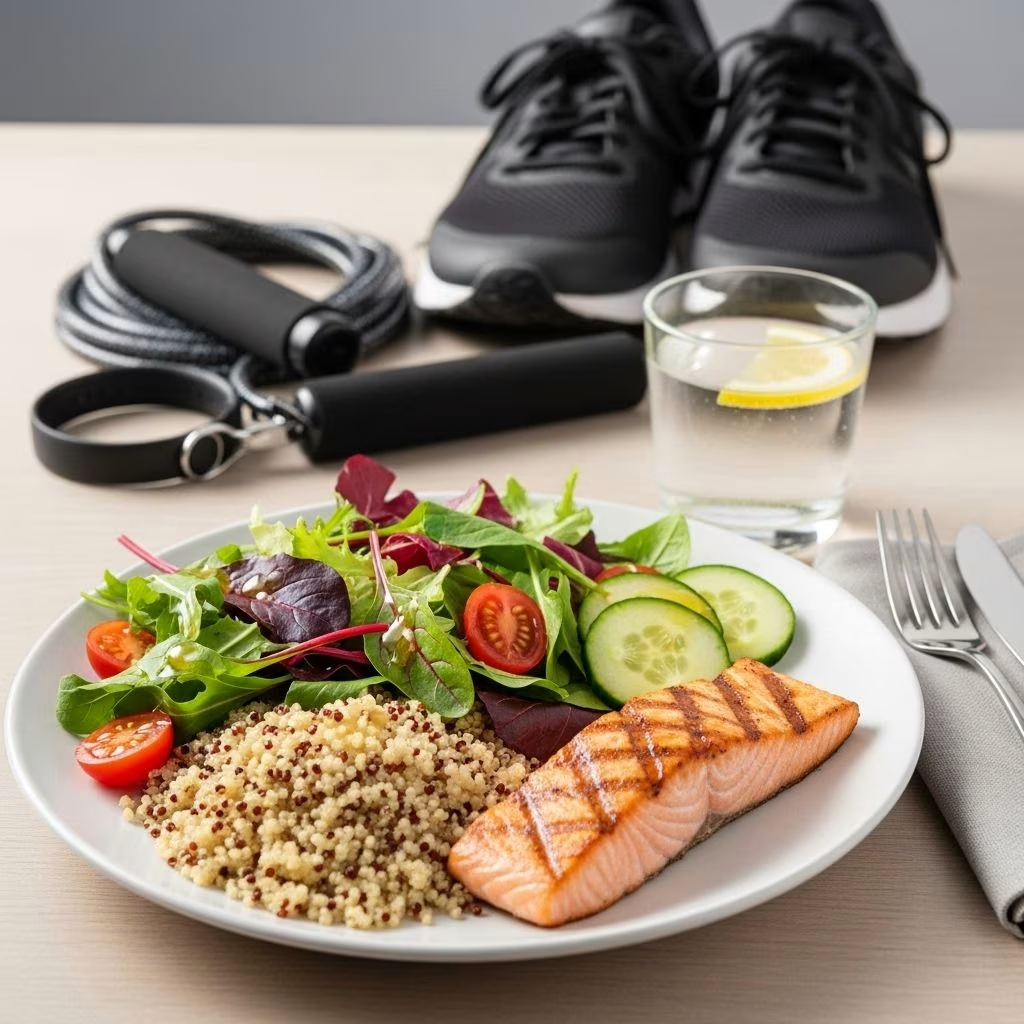
Lose 1 Pound a Week: Proven Weight Loss Strategies and Tips
For many, losing weight is not about quick fixes or fleeting fad diets—it’s about developing sustainable habits that yield gradual, consistent results. Achieving a one-pound-per-week reduction is recognized as a safe and realistic goal by health experts and organizations. Because one pound equals approximately 3,500 calories, the key to shedding pounds reliably lies in managing calorie intake, maintaining healthy eating patterns, and making movement a daily priority.
Understanding the 1 Pound per Week Weight Loss Goal
To lose one pound per week, you need to create a calorie deficit of about 500 calories per day. This is accomplished by consuming fewer calories than your body uses, ideally by combining modest dietary adjustments with increased physical activity.
- 500-Calorie Deficit: Cutting or burning this amount daily leads to about one pound of fat lost per week.
Example: If you maintain, say, 2,000 calories per day, aim for 1,500 calories from food and activity combined. - Safe, Steady Progress: Rapid weight loss may not be sustainable and can result in muscle loss or nutritional gaps. A target of one pound per week helps retain lean body mass and supports lasting change.
Step 1: Calculate Your Calorie Needs
The foundation of effective weight loss is understanding your body’s energy requirements.
- Track Current Intake and Expenditure: Use food journals, apps, or activity monitors to log what you eat and estimate calories burned.
- Find Your Maintenance Calories: Identify the number you need to maintain your weight, then subtract 500 calories to set a new target.
- Reassess Regularly: As you lose weight, your maintenance calories may decrease. Re-calculate every few weeks for accuracy.
Step 2: Smart Ways to Cut Calories
Reducing calorie intake doesn’t mean starving yourself—it’s about making better choices and small, sustainable adjustments.
- Downsize Portions: Serve food on smaller plates to naturally reduce your intake without feeling deprived.
- Choose Lower-Calorie Options:
- Swap soda for seltzer or water.
- Opt for grilled meats over fried.
- Snack on fruits and veggies instead of chips or candy.
- Replace creamy dressings with vinaigrettes.
- Limit Added Sugars and Processed Foods: These are often high in calories and low in nutrients.
- Read Labels Carefully: Pay special attention to serving sizes and calorie counts.
- Plan Your Meals: Preparing and scheduling meals helps you avoid impulsive eating.
Sample Day: Balanced 1,600-Calorie Meal Plan
Here’s how a typical day might look when following a weight loss plan designed for gradual, steady results:
| Meal | Example Foods | Approx Calories |
|---|---|---|
| Breakfast | 2 poached omega-3 eggs, 1 slice whole wheat toast with 1 tsp butter, 1/2 grapefruit | Approx. 300 |
| Lunch | Chicken-cranberry sandwich, mixed green salad, olive oil vinaigrette | Approx. 400 |
| Afternoon Snack | 2 Tbsp peanut butter, 6 trans-free whole wheat crackers, 1 sliced apple | Approx. 200 |
| Dinner | Pan-seared salmon (4 oz), cooked broccoli rabe, 3/4 cup wild/brown rice pilaf | Approx. 500 |
| Dessert/Snack | One controlled treat, such as a small square of dark chocolate or Greek yogurt | Approx. 200 |
Step 3: Move More Every Day
Increasing daily movement can help you reach your calorie deficit without making extreme dietary changes.
- Find an Activity You Enjoy: Walking, cycling, swimming, yoga, dancing, or home workouts all count.
- Simple Movement Upgrades:
- Take stairs, not elevators.
- Park farther from store entrances.
- Take standing or walking breaks during work.
- Walk while on phone calls.
- Set Step Goals: Aim for at least 10,000 steps daily, but even modest increases help—with 15,000 steps considered ideal for optimal health.
- Consistency Matters: Find small opportunities to move more every day—no matter how busy you are.
Step 4: Make Your Diet Truly Sustainable
The most effective weight loss plans are those that feel reasonable, enjoyable, and adaptable for the long term.
- Enjoy What You Eat: Don’t eliminate favorite foods entirely—instead, learn portion control and moderation.
- Adopt a Long-Haul Mentality: View changes as a healthy lifestyle, not a temporary “diet.”
- Plan for Off Days: Expect and accept occasional indulgences, and get right back on track without guilt or self-criticism.
- Record Your Choices: Studies show tracking meals increases awareness and accountability, leading to better results.
Step 5: Positive Mindset and Motivation
Attitude is powerful. Focusing on what you can control and celebrating small wins makes the process rewarding.
- Be Your Own Cheerleader: Encourage yourself, forgive slip-ups, and recognize progress.
- Stay Accountable: Use apps or journals to record meals, workouts, and weight changes.
- Track Non-Scale Victories: Notice improvements in energy, sleep, fitness, and mood.
The 90 Percent Rule: Practical Commitment Strategy
Stick to your plan at least 90% of the time. If you planned 21 meals/snacks in a week, and stuck to your plan for 19, that’s 90% adherence—which research suggests drives the best results.
- Map Out Meals: Check off meals you followed exactly; circle meals that deviated.
- Review Weekly: Calculate adherence and adjust the next week’s goals as needed.
- Celebrate Progress, Not Perfection: Occasional breaks are part of life; consistency matters more.
Bonus: Top Tips to Reinforce Weight Loss Success
- Prioritize Sleep: Poor sleep undermines weight loss by increasing hunger hormones.
- Hydrate Regularly: Drink water throughout the day to support metabolism and control appetite.
- Eat More Protein: Protein supports muscle maintenance and satiety.
- Fiber is Your Friend: High-fiber foods keep you full and aid digestion.
- Meal Prep: Plan and prepare snacks/meals in advance to avoid unhealthy choices.
Frequently Asked Questions (FAQs)
Q: Is it safe to lose more than one pound per week?
A: For most people, one pound per week is considered safe and sustainable. Larger losses, especially early on, may occur but often include water weight and are harder to maintain.
Q: Do I have to exercise to lose weight?
A: While you can lose weight by only changing your diet, adding movement supports better results and health, protects muscle mass, and improves mood.
Q: How do I stick with my plan when life gets busy?
A: Keep meals and routines simple, use meal prepping, schedule regular movement breaks, and forgive yourself for inevitable slip-ups. Consistency—not perfection—is key.
Q: What should I do if I stop losing weight?
A: Plateaus are normal. Review your tracking, reassess calorie needs as you slim down, add movement, or adjust meal variety. Stay patient; progress resumes with continued effort.
Q: How do I measure progress besides the scale?
A: Track inches lost, enjoy improved energy or sleep, celebrate healthy habits, and use before–after photos, fitness milestones, or daily mood logs as part of your motivational toolkit.
Summary Table: Key Strategies for Losing One Pound a Week
| Strategy | Key Actions |
|---|---|
| Calorie Deficit | Reduce intake or increase output by 500 calories/day |
| Quality Meals | Prioritize whole foods, lean protein, high fiber, healthy fats |
| Consistent Movement | Add walking, short exercises, daily activity goals |
| Mindful Tracking | Record food, activities, progress, and setbacks |
| Positive Mindset | Setbacks are normal—celebrate wins, keep going |
| Sustainable Habits | Design changes for long-term benefits, not temporary fixes |
Takeaway: Make 1 Pound a Week Loss Your Healthiest Resolution
Lasting weight loss results from establishing small, achievable changes—not drastic measures. Whether it’s tracking your meals, consistently moving more, or making smarter food swaps, it’s the daily choices that build up to real change. With discipline, kindness, and the practical steps above, you can work toward safe, steady, and permanent weight loss—one pound at a time.
References
- https://www.prevention.com/weight-loss/diets/a20461673/weight-loss-diet-plan-0/
- https://www.prevention.com/weight-loss/a20437039/100-easy-tricks-to-move-more-and-lose-weight/
- https://www.prevention.com/weight-loss/diets/g20440614/25-best-weight-loss-tips-ever/
- https://www.prevention.com/weight-loss/a30188568/lose-weight-without-exercise-0/
- https://www.prevention.com/weight-loss/a20456499/52-simple-weight-loss-tips/
- https://www.prevention.com/fitness/a37857801/7-day-weight-loss-preparation-guide/
- https://www.prevention.com/weight-loss/a29962390/quick-weight-loss/
- https://www.prevention.com/weight-loss/a20435918/weight-loss-program-tips/
- https://www.prevention.com/weight-loss/g24805401/fat-burning-foods/


