


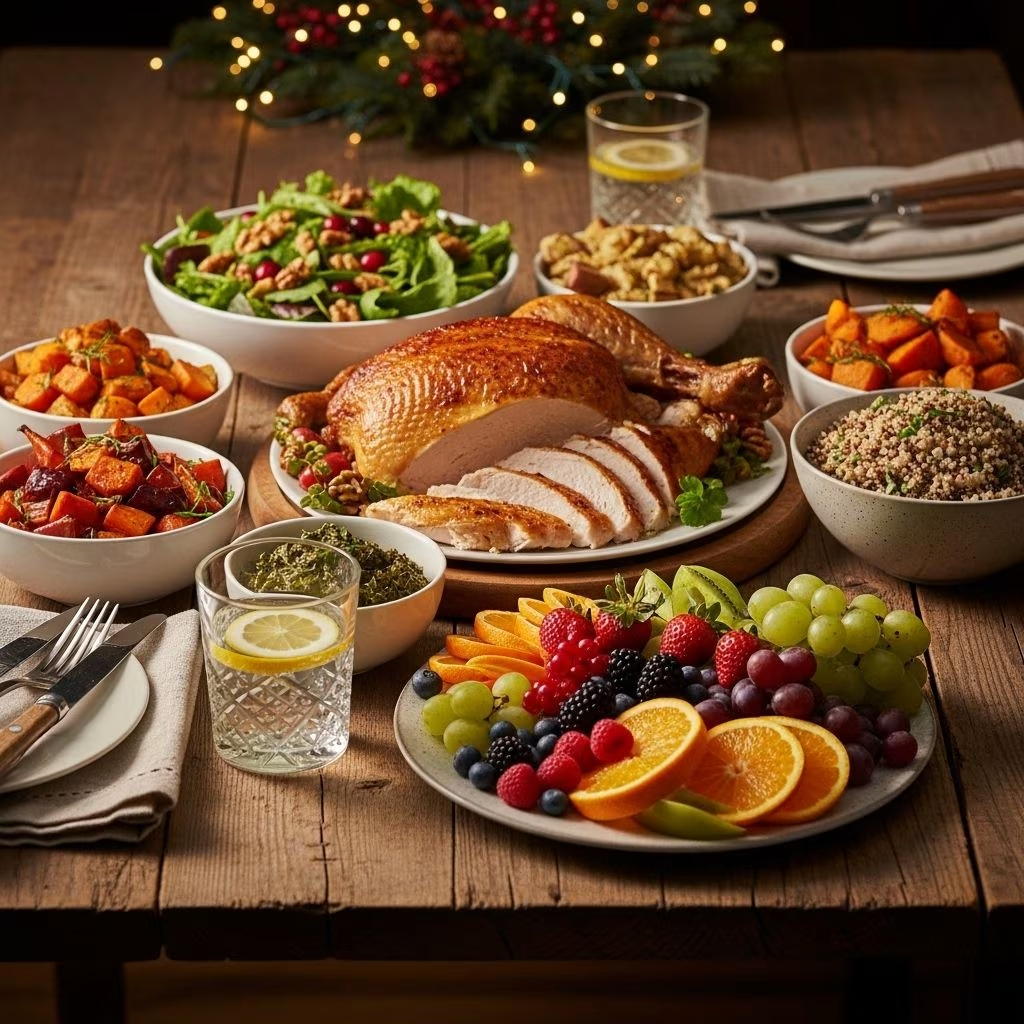
Essential Strategies to Prevent Holiday Weight Gain
The festive season is filled with celebrations, indulgent meals, and tempting treats, presenting significant challenges for anyone striving to maintain a healthy weight. Research reveals that the average American begins gaining weight as early as October, with pounds accrued between Halloween and New Year’s often lingering well into spring . Fortunately, adopting smart habits and proven strategies can help you enjoy holiday festivities without sacrificing your wellness goals.
Why Holiday Weight Gain Happens
Multiple studies indicate adults typically gain between 0.4 to 0.9 kg (about 1-2 lbs) during the holiday season . While this increase seems minimal, it often accumulates year after year, contributing to long-term weight gain . Factors that drive this seasonal uptick include:
- Easy access to high-calorie foods at parties and gatherings
- Less physical activity due to busy schedules and colder weather
- Increased emotional eating related to stress
- Cultural traditions centered around food
The Importance of Planning Ahead
Planning is a recurring theme among experts for preventing holiday weight gain. Spontaneous eating and skipped workouts become more common when your schedule is packed with events, but consistent routines and anticipation set you up for success:
- Mark key holiday events: Highlight parties and gatherings on your calendar and plan your nutrition and exercise around them .
- Eat lighter on event days: If you’re attending a feast in the evening, opt for a wholesome breakfast and lunch, and add a light snack to avoid binging at dinner .
- Schedule cheat days: Decide in advance which days you’ll indulge, such as Thanksgiving or Christmas dinners, and prepare by maintaining a disciplined routine before and after .
Manage Cheat Days Wisely
Instead of avoiding treats altogether, learn to schedule indulgence. According to BJ Gaddour, Fitness Director of Men’s Health, you’ll have more control if you plan your cheat days ahead rather than giving in spontaneously . For example:
- Enjoy treats during the designated party, but focus on nutritious meals and regular workouts in the days leading up.
- Use cheat days as motivation to stick to your healthy habits before the event.
- Keep celebrations social, focusing on people rather than just food.
Exercise: The Pre-Meal Secret
Gaddour also emphasizes the power of a workout before a big meal. Sweating before feasts like Thanksgiving not only burns calories, but can also help regulate your appetite and curb overeating . Strategies include:
- Start the day with a HIIT session or brisk walk.
- Incorporate family-friendly movement, such as a morning run together or a neighborhood walk after dinner.
- If time is short, even a few minutes of activity (like bodyweight squats or jumping jacks) help to reframe your mindset and burn extra calories.
Balanced Eating at Events
Maintaining balance doesn’t mean skipping all the fun foods. Expert tips for navigating buffets and parties:
- Eat a pre-party snack: Arriving at gatherings hungry increases the likelihood of overindulgence. Opt for a light snack with protein or fiber beforehand.
- Begin with veggies: Serve or seek out raw vegetables and yogurt-based dips first to fill up on lower-calorie foods .
- Watch portion sizes: Enjoy holiday favorites, but limit the amount—think one small dessert rather than several.
- Skip seconds: Take a single plate and pace yourself through conversation, which gives your body time to signal fullness.
- Send leftovers home: If you’re a host, distribute leftovers among guests to avoid lingering temptations.
Mindful Movement for Each Treat
One creative strategy is pairing physical activity with treats. Gaddour suggests doing a specific number of burpees (e.g., 100) for every dessert or high-calorie snack you consume . This approach builds awareness of choices and creates a direct link between indulgence and energy expenditure. Try:
- Completing short exercises (burpees, squats, push-ups) throughout the day.
- Making post-meal walks a family tradition.
Strategic Self-Monitoring
Self-monitoring—such as weighing yourself regularly and tracking meals—has proven effective for preventing seasonal weight gain . In one study, those who monitored their weight lost an average of 0.3 lbs, while the control group gained 0.8 lbs . Useful tools include:
- Daily weigh-ins: Keep a log to catch small changes before they add up.
- Food diaries: Record what you eat, particularly during parties and family gatherings.
- Activity trackers: Monitor steps or minutes of exercise, and set small goals for daily movement.
Healthy Swaps and Alternatives
Holiday classics don’t have to be nutritional pitfalls. Make small swaps to boost nutrition and cut calories:
- Replace creamy dips with Greek yogurt versions.
- Serve roasted vegetables or fresh fruit in place of butter-heavy sides.
- Favor baked or grilled lean proteins over fried or processed meats.
- Choose sparkling water with a splash of juice over sugary sodas or cocktails.
Handle Workplace Temptations
Office parties, catered lunches, and break-room sweets can derail the healthiest plans. Strategies include:
- Placing treats in visible, high-traffic areas so employees can sample without lingering.
- Opt for lower-calorie menu items at holiday lunches and compensate with lighter dinners at home .
- Limit portion sizes of sweets, and bring a healthy snack to share.
Non-Food Traditions for New Memories
Many festivities revolve around eating, but new holiday traditions can enrich celebrations and support healthy goals. Consider:
- Attending concerts, plays, or community celebrations.
- Taking scenic drives or neighborhood walks to view holiday lights.
- Organizing group fitness activities, such as yoga or dance classes with friends.
- Connecting with loved ones over board games or creative workshops, rather than food-centred gatherings.
Managing Stress and Sleep
The holidays increase stress, which can trigger emotional eating and disrupt sleep. Both factors affect hormones linked to hunger and satiety, making weight management harder . Strategies for managing stress and optimizing rest:
- Practice relaxation techniques: meditation, deep breathing, or gentle yoga.
- Maintain a consistent sleep schedule, aiming for at least 7 hours per night.
- Limit alcohol and caffeine late in the day, both of which can interfere with sleep quality.
- Seek support from friends and family when feeling overwhelmed.
Quick Reference Table: Holiday Weight Gain Strategies
| Strategy | Impact | Expert Tip |
|---|---|---|
| Schedule Cheat Days | Controls indulgence, reduces spontaneous eating | Mark events beforehand and stick to plan |
| Break a Sweat Before Meals | Boosts calorie burn, curbs appetite | Fit in a workout before gatherings |
| Physical Activity Per Treat | Increases mindfulness, burns extra calories | Pair treats with 100 burpees or another exercise |
| Balanced Plates at Parties | Limits excess calories | Fill up on veggies first, then treat yourself to favorites |
| Self-Monitoring | Enables quick course-correction | Use weight logs and food diaries |
| Healthy Swaps | Cuts hidden calories | Greek yogurt over sour cream, fruit over candy |
Frequently Asked Questions (FAQs)
Q: Is holiday weight gain inevitable?
No, research shows with planning and self-monitoring, adults can prevent significant holiday weight gain .
Q: How much weight does the average person gain during the holidays?
Most studies find adults gain between 0.4 to 0.9 kg (about 1-2 lbs) during the holiday season .
Q: Does holiday weight gain get shed quickly?
Generally, the pounds gained during the festive season can take up to 5 months to lose, with many people retaining part of the weight year over year .
Q: What are the best quick tips for avoiding excess calories at parties?
Eat a fiber-rich or protein snack before arriving, start with veggies, limit portions, and stay active .
Q: Can changing traditions really help?
Yes. Incorporating non-food-centered activities like holiday walks, group fitness classes, or cultural events can help reduce reliance on eating as entertainment .
Key Takeaways
- Plan indulgence days and compensate with healthy habits.
- Break a sweat before big meals to boost metabolism and mindset.
- Practice mindful eating at gatherings—balance plates with veggies, control portions, and avoid seconds.
- Monitor weight and food choices regularly for accountability.
- Swap traditional treats for nutritious alternatives and embrace new, non-food traditions.
- Manage stress and sleep for optimal weight control during the busy season.
With smart planning, mindful movement, and balanced habits, you can enjoy holiday celebrations—without the regret come January. Prevention is possible, and small changes now add up to lasting wellness in the year ahead.
References
- https://www.health.harvard.edu/blog/yes-you-can-avoid-weight-gain-over-the-holidays-2019112518309
- https://www.prevention.com/weight-loss/a20489358/prevent-holiday-weight-gain/
- https://www.lcmchealth.org/lakeview-hospital/blog/2024/november/your-action-plan-for-preventing-holiday-weight-g/
- https://pmc.ncbi.nlm.nih.gov/articles/PMC5514330/
- https://www.prevention.com/food-nutrition/a20490788/fight-holiday-weight-gain/
- https://www.prevention.com/health/a34384918/holiday-weight-gain-myths/
- https://www.prevention.com/weight-loss/a20472409/how-to-prevent-holiday-weight-gain/
- https://www.prevention.com/weight-loss/a20429475/avoid-weight-gain-on-vacation/
- https://www.scripps.org/news_items/7698-4-ways-to-prevent-holiday-weight-gain


