


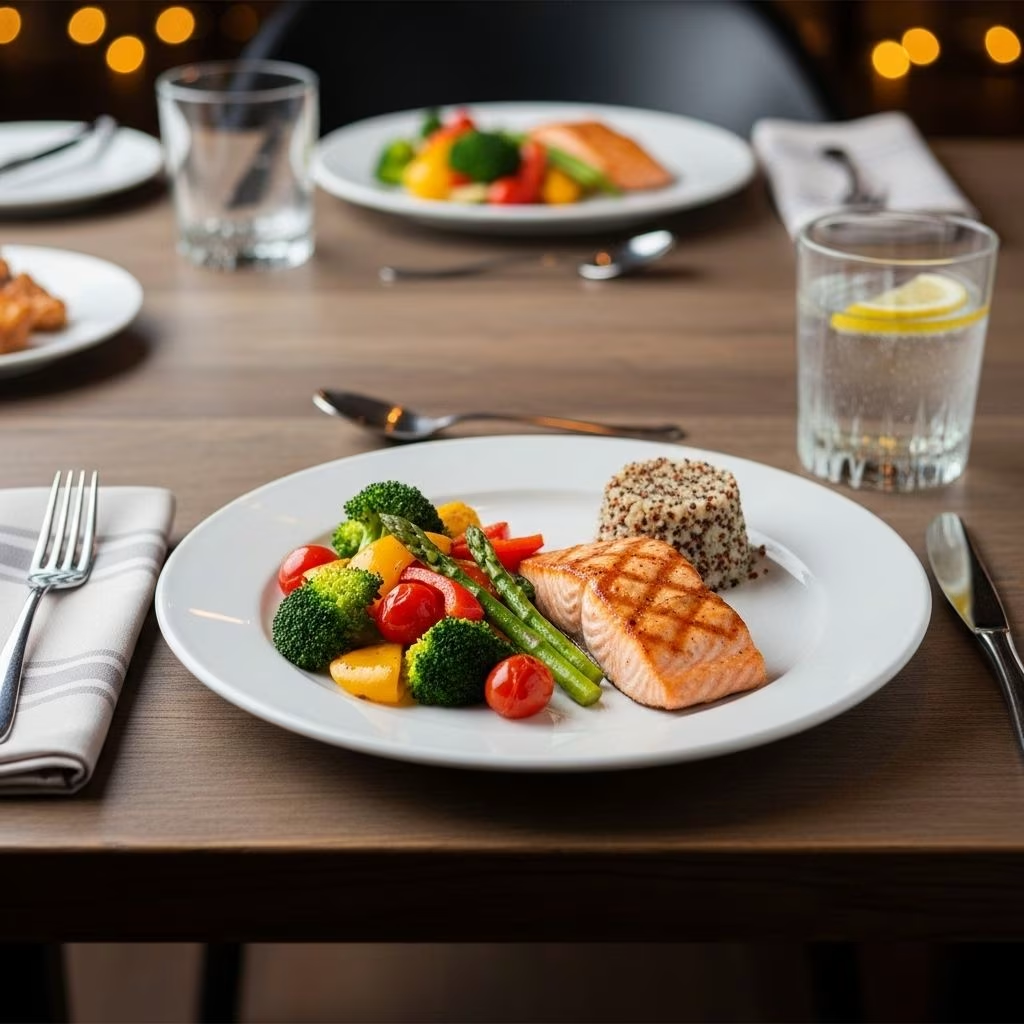
How to Navigate Social Eating and Maintain Weight Loss Goals
Social eating events—such as parties, family gatherings, and nights out—can pose significant challenges for anyone trying to maintain a healthy diet or manage their weight. These environments are often filled with tempting foods, peer pressure, and emotional triggers that can undermine progress.Successfully navigating these situations requires practical strategies, awareness of social influences, and a commitment to personal health goals.
Understanding the Social Dynamics of Eating
Eating is more than just fulfilling a biological need—it’s an essential part of our social lives.Family, friends, and coworkers profoundly influence our eating behaviors, both supporting and undermining our weight management efforts. When social support is present, individuals are more likely to stick to healthy eating plans, whereas negative influences can lead to overeating or unhealthy food choices.
- Social support is linked to improved eating behaviors and weight management.
- Social undermining—pressuring you to eat more or criticize your choices—can trigger setbacks.
- Key sources include: family, friends, and coworkers.
Three Core Strategies to Succeed at Social Eating
Based on expert insights and behavioral research, here are three foundational strategies you can use to confidently manage social eating situations:
1. Prepare Before You Arrive
Planning ahead is a decisive step for staying in control during social events. Before you ever reach the buffet or restaurant table, set the stage for success:
- Don’t arrive hungry: Eat a light snack—such as fruit, vegetables, or yogurt—before heading out to curb excessive hunger that can drive overeating.
- Review the menu (if possible): Identify healthier options ahead of time to minimize impulsive choices.
- Bring a healthy dish: At potlucks or family gatherings, prepare and bring something nourishing you can rely on.
- Set your intention: Affirm your commitment to healthy choices, visualizing how you’ll respond to temptations and peer pressure.
2. Practice Mindful Eating in Social Settings
Mindfulness—paying attention to your hunger signals, the foods you choose, and the pace at which you eat—can sharply reduce the likelihood of overeating and help you enjoy social occasions without guilt.
- Use smaller plates and utensils: They encourage smaller portions and slow down your eating.
- Eat slowly: Converse, savor each bite, and give your body time to register fullness.
- Fill up on low-calorie foods first: Start with salads, fruit, or vegetables before moving to richer options.
- Wait before seconds: Give yourself 20 minutes before you consider additional servings.
- Limit alcohol: Choose soda water with lime or other low-calorie drinks to avoid extra calories.
Mindful Eating Techniques Table
| Technique | Benefit |
|---|---|
| Small Plates | Automatically reduces portion size and calorie intake. |
| Slow Pace | Allows fullness signals to develop, preventing overeating. |
| Pre-meal Snack | Reduces food cravings and impulsive choices. |
| First Fill Salad/Vegetables | Increases satiety, lowers total calorie consumption. |
3. Find Balance Without Deprivation
Being overly restrictive during social events often backfires, leading to binge episodes and feelings of guilt. A balanced mindset allows room for occasional indulgences without losing sight of your overall health goals:
- Choose treats wisely: Prioritize foods you truly enjoy and practice moderation.
- Share rich dishes: Split desserts or high-calorie foods with others to reduce intake.
- Never skip meals to “make room”: Fasting before events may lead to overindulgence.
- Plan portions: If tempted by something rich, serve yourself a small portion and stick to it.
Handling Social Pressure and Encouraging Support
Peer pressure, family expectations, and workplace culture are powerful forces that can encourage overeating or unhealthy choices in social settings:
- Communicate your goals: Share your intentions with supportive friends, family, or coworkers. Their understanding can bolster your resolve.
- Politely decline extra servings: Express appreciation but assert your boundaries. Use phrases like, “Thank you, but I’m full,” or “I’m really enjoying what I have.”
- Build a support network: Find a friend or accountability partner attending the same event or who understands your goals.
Special Tips for Eating Out and Large Gatherings
Restaurants, weddings, corporate parties, and family celebrations test your willpower—but with a few smart tactics, you can stay on track:
- Order à la carte: Select individual items and avoid all-you-can-eat buffets to control portions.
- Ask for modifications: Request dressings, sauces, or gravies on the side and use sparingly to cut calories.
- Share appetizers and desserts: Enjoy tastes without overindulging by dividing rich foods among several people.
- Take leftovers home: If served large portions, ask for a to-go box and save half for later, limiting calories.
- Skip the bread basket or limit yourself: Try plain bread without butter or oil, or use vinegar instead of oil for dipping.
Staying Motivated Through Social Support
Support from others can make maintaining healthy habits more enjoyable and less isolating. In weight management, success often depends on positive reinforcement and encouragement:
- Identify your “why”: Stay focused on long-term health, fitness, or personal achievement.
- Set realistic goals: Break objectives into achievable steps and celebrate small wins.
- Track progress: Use photos, written logs, or measurements as tangible proof of change.
- Switch up routines: Prevent boredom with varied meal preparation and activities.
- Practice self-compassion: Accept occasional setbacks as part of the journey and focus on getting back on track.
Common Mistakes and How to Overcome Them
- Eating too quickly: Slow down and engage with others to avoid mindless munching.
- Fasting before events: Do not skip meals as it may lead to uncontrolled eating.
- Letting peer pressure dictate choices: Remain true to your goals and use supportive self-talk.
- Failing to plan: Always prepare before attending social food events.
- Sole focus on restriction: Balance enjoyment and health by allowing occasional, mindful indulgence.
Summary Table: Social Eating Strategies
| Challenge | Strategy | Outcome |
|---|---|---|
| Arriving Hungry | Eat light snack before event | Prevents overeating, keeps cravings in check |
| Large Portions | Use small plate, split with others | Controlled calorie intake |
| High-Calorie Options | Prioritize vegetables, fruit | Lower total calories consumed |
| Peer Pressure | Communicate goals, have support | Greater resilience to temptation |
| Restaurant Meals | Order à la carte, modify items | Enables healthier choices |
Frequently Asked Questions (FAQs)
How do I politely refuse food in social situations without offending others?
Express gratitude and appreciation but set boundaries. Try phrases like “Thank you, everything looks wonderful, but I’m satisfied right now.” Communicate your personal commitment to health respectfully.
Is it okay to indulge occasionally at social gatherings?
Yes. Moderation is key. Mindful indulgence of foods you genuinely enjoy can help prevent feelings of deprivation, which often lead to binge eating.
How do I deal with unhelpful comments or social undermining?
Acknowledge the comment, then calmly reinforce your goals without argument. Surround yourself with supportive people and bring the focus back to your reasons for change.
What if my friends or family don’t support my weight loss journey?
Seek out supportive groups or partners outside your immediate circle if necessary. Communicate your goals clearly and focus on your “why” to stay motivated.
How do I manage cravings or temptations during events?
Eat a healthy snack before arriving, use distractions (such as conversation), and remind yourself of your long-term goals. Practicing mindful eating can also help minimize urges.
Key Takeaway
With careful planning, mindful eating, a balanced mindset, and robust social support, you can confidently participate in social gatherings without compromising your weight management goals. By adopting these evidence-based strategies, you’ll develop resilient habits and transform social meals into opportunities for connection rather than setbacks.
References
- https://pmc.ncbi.nlm.nih.gov/articles/PMC4435839/
- https://weightlossrva.com/how-to-navigate-social-situations-while-sticking-to-your-weight-loss-plan/
- https://www.ucsfhealth.org/education/behavior-modification-ideas-for-weight-management
- https://www.mycg.uscg.mil/News/Article/2956898/10-tips-to-help-you-maintain-your-weight-while-gathering-with-friends-and-family/
- https://www.mayoclinic.org/healthy-lifestyle/weight-loss/in-depth/weight-loss/art-20047342
- https://www.helpguide.org/wellness/weight-loss/emotional-eating
- https://www.cdc.gov/obesity/php/about/obesity-strategies-what-can-be-done.html
- https://pmc.ncbi.nlm.nih.gov/articles/PMC2879992/
- https://www.betterhealth.vic.gov.au/health/healthyliving/weight-loss-a-healthy-approach


