


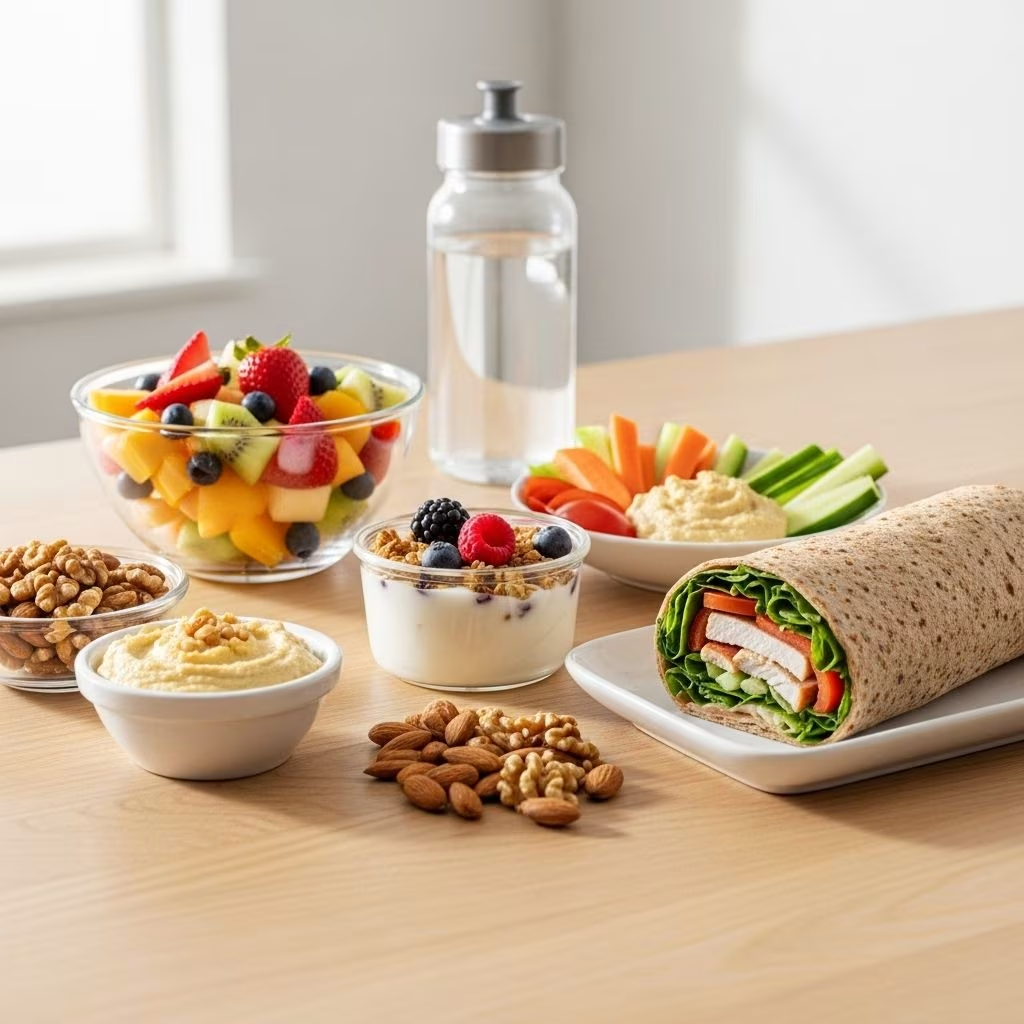
Completing a tough workout feels rewarding, but for many, it’s easy to undo that hard work by overindulging afterward. Whether you’re running, lifting, cycling, or sweating it out in a class, your body and brain send powerful signals urging you to “refuel”—sometimes far more than you actually need. If you’re trying to lose weight or maintain your current weight, learning how to silence the post-exercise munchies is essential. Below, explore science-backed strategies, practical eating tips, and mindset shifts to avoid overeating after workouts while still supporting healthy muscle recovery and energy levels.
Why Do We Overeat After Exercise?
Feeling famished following exercise isn’t just in your head. Physical activity depletes your body’s fuel stores, increases hunger hormones like ghrelin, and often provides a psychological “excuse” to eat more—leading to what’s known as the “compensation effect.” While refueling is crucial for recovery, regularly overcompensating can stall your progress or even lead to weight gain, despite your dedication to fitness.
1. Schedule Workouts Right Before Main Meals
If you tend to always feel hungry after exercising, try timing your sweat sessions to end just before a regular meal, such as breakfast, lunch, or dinner. That way, you’re simply combining the calories you’d eat anyway with your post-workout nutrition, instead of layering on extra snacks. For example:
- Take an early run and eat a hearty breakfast afterward.
- Squeeze in a lunchtime gym session, then follow up with your regular midday meal.
- Hit a workout class in the late afternoon or evening, then enjoy a pre-prepped dinner at home.
This approach eliminates the need for extra, unnecessary snacks and helps keep your daily intake in check.
2. Make Workouts Enjoyable, Not a Chore
Research shows that when people view exercise as something fun or relaxing—rather than just a means to burn calories—they are less likely to treat themselves with food afterward. In one Cornell study, participants told they were going on a “scenic stroll” ate significantly less dessert than those told they were on an “exercise walk.” The mental association between exercise-as-work and food-as-reward can lead to overeating.
- Choose activities you genuinely enjoy, such as dancing, hiking, team sports, or group classes with friends.
- Focus on the positive feelings you get from movement—energy, mood boost, stress relief—rather than just calorie burn.
- Remind yourself that exercise is self-care, not a punishment requiring a “reward.”
3. Refuel With Protein and Carbohydrates—In the Right Ratio
When you do need a post-workout snack, nutritionists recommend aiming for a 4:1 ratio of carbohydrates to protein. This combination supports glycogen (energy) replenishment while providing raw materials to repair and rebuild muscle.
- If your workout is under an hour, keep snacks to about 150–200 calories, such as:
- An open-faced peanut butter and banana sandwich on whole wheat bread
- A slice of turkey with low-fat cheese on whole grain crackers
- A small handful of trail mix with nuts and dried fruit
- For longer or more intense workouts, aim for about 0.5 grams of carbohydrate per pound of body weight (e.g., 70g carbs and ~18g protein for a 140-pound person).
- If you won’t eat a full meal soon, a protein shake or energy bar can help, but whole foods are generally more satisfying and nutritious.
4. Embrace Low-Fat Dairy for Recovery
Low-fat dairy products like yogurt, cottage cheese, or milk are convenient, cost-effective options packed with protein and carbohydrates. Low-fat chocolate milk in particular has been shown to boost muscle recovery and improve performance in subsequent workouts more effectively than many commercial sports drinks. Choose unsweetened or lightly sweetened options to keep calories in check, and pair dairy with fruit or whole grains for added fiber.
5. Break the Habit: Eat to Your Hunger, Not Your Routine
Post-workout overeating is sometimes more about habit than hunger. Many people automatically reach for a smoothie, bar, or sweet snack after the gym—regardless of intensity or duration. To break this cycle:
- Vary your post-exercise snacks based on workout length and intensity—the shorter the workout, the fewer calories you need.
- Pause for a moment and assess your actual hunger: Are you truly hungry, or just eating out of routine, stress, or boredom?
- Practice mindful eating. Slow down, notice your food, and check in with your body’s signals before and during meals.
6. Be Wary of Fitness Trackers’ Calorie Counts
While activity trackers and smartwatches are handy for monitoring movement, their “calories burned” estimates aren’t always reliable. Studies show that even high-end devices can be off by 20–30%, leading many to overestimate their energy expenditure. Instead of taking tracker numbers at face value:
- Use fitness trackers for general trends, not exact caloric budgeting.
- Listen to your body’s hunger and fullness cues, rather than relying solely on numbers.
- Remember that your body may burn fewer calories during familiar workouts over time as it becomes more efficient.
7. Hydrate, Hydrate, Hydrate
Dehydration often masquerades as hunger, especially after sweating. Before reaching for a snack, drink a large glass of water and wait a few minutes. Many people find their “hunger” fades once they’re rehydrated. Plain water is ideal, but herbal teas or lightly flavored seltzers also count. Pay attention to the color of your urine—a pale yellow generally indicates proper hydration.
8. Choose Snacks and Meals That Satisfy—Without Undoing Your Effort
Balance is key when refueling after exercise. Overly restricting yourself can backfire, leading to rebound overeating later. Smart choices include:
- Fruits and vegetables for fiber and micronutrients
- Lean proteins like grilled chicken, fish, tofu, or eggs
- Whole grains such as brown rice, oatmeal, or whole wheat bread
- Healthy fats in avocado, nuts, or seeds (in modest portions)
Keep portions sensible: aim to “take the edge off” hunger and restore energy, rather than indulging in high-calorie treats or oversize meals because you “earned it.”
9. Adjust Your Mindset and Build Better Long-Term Habits
Overeating after exercise is often rooted in our beliefs about food, fitness, and what we deserve. Shift your focus from burning calories to building strength, stamina, and health. Consistency in exercise and eating—not perfection or restriction—is what leads to sustainable results.
- Develop a repertoire of satisfying, nutrient-dense snacks and meals you enjoy after workouts.
- Keep tempting, high-calorie treats out of easy reach, especially if you know you tend to eat them impulsively after exercise.
- Regularly remind yourself that you move your body because you value it, not because you feel guilty or need to “earn” food.
Quick Reference Table: Smart Post-Workout Snack Options
| Snack Idea | Carbs | Protein | Calories (approx.) |
|---|---|---|---|
| Greek yogurt with berries | 25g | 13g | 160 |
| Peanut butter & banana on whole wheat toast | 28g | 8g | 200 |
| Low-fat chocolate milk | 30g | 8g | 180 |
| Small turkey and cheese wrap | 18g | 12g | 190 |
FAQs for Stopping Overeating After Workouts
Q: Should I eat immediately after every workout?
A: Not always. If your next meal is within 1–2 hours, you likely don’t need a special post-workout snack. Focus on hydrating and eat your regular meal when hungry.
Q: Is it OK to have a small treat after I exercise?
A: Enjoying a small portion of your favorite treat is fine, but it’s easy to justify overeating under the “I earned this” mentality. Aim for balanced nutrition most of the time and savor treats mindfully and occasionally.
Q: What are the best choices for post-workout meals?
A: Meals with a balance of carbohydrates and protein—such as a grilled chicken wrap with veggies, a tofu stir-fry with brown rice, or a salad topped with beans and nuts—are best for recovery and satiety. Include some healthy fats for staying power.
Q: How can I distinguish hunger from thirst after exercise?
A: Drink a large glass of water and wait 10–15 minutes. Often, the urge to eat subsides if you were simply thirsty. If you still feel hungry, opt for a nutritious snack or meal.
Q: Will skipping a post-workout snack harm my recovery?
A: Occasional skipping won’t hurt most people, especially after light or moderate exercise. After prolonged, intense sessions, prioritize a balanced meal or snack within 30–60 minutes to maximize recovery.
Actionable Tips: Build New Eating Habits After Exercise
- Plan your post-workout food and drink in advance to avoid impulsive decisions.
- Keep healthy snacks on hand and prep simple, balanced meals ahead of busy days.
- Chart your hunger patterns around workouts in a journal to spot trends and adjust timing.
- Notice non-hunger triggers (stress, fatigue, celebration) that might prompt overeating after exercise, and use non-food rewards instead.
- Celebrate your physical accomplishments with actions—like a relaxing bath, listening to music, or calling a friend—not just food.
Final Thoughts
Exercise is vital for health, fitness, and well-being—but it’s not a free pass to eat endlessly. By tuning in to your body’s real needs, planning balanced meals, and shifting your mindset, you can enjoy the benefits of movement and delicious recovery food—without sabotaging your goals.
References
- https://time.com/3341969/overeating-after-your-workout/
- https://www.prevention.com/weight-loss/g20480726/what-to-do-when-you-overeat/
- https://www.prevention.com/weight-loss/a20428637/how-to-get-your-diet-back-on-track-after-overeating/
- https://www.prevention.com/weight-loss/a20464931/exercise-counteracts-overeating/
- https://www.prevention.com/weight-loss/a20435183/tips-on-how-to-stop-overeating/
- https://diabetes.org/health-wellness/fitness/eating-tips-before-after-exercise
- https://www.prevention.com/weight-loss/a20472840/how-to-prevent-binge-eating/
- https://www.prevention.com/weight-loss/a20471164/mistakes-made-after-weight-gain/
- https://www.prevention.com/weight-loss/a20516027/3-stretches-that-can-help-get-your-mindless-eating-under-control/


