


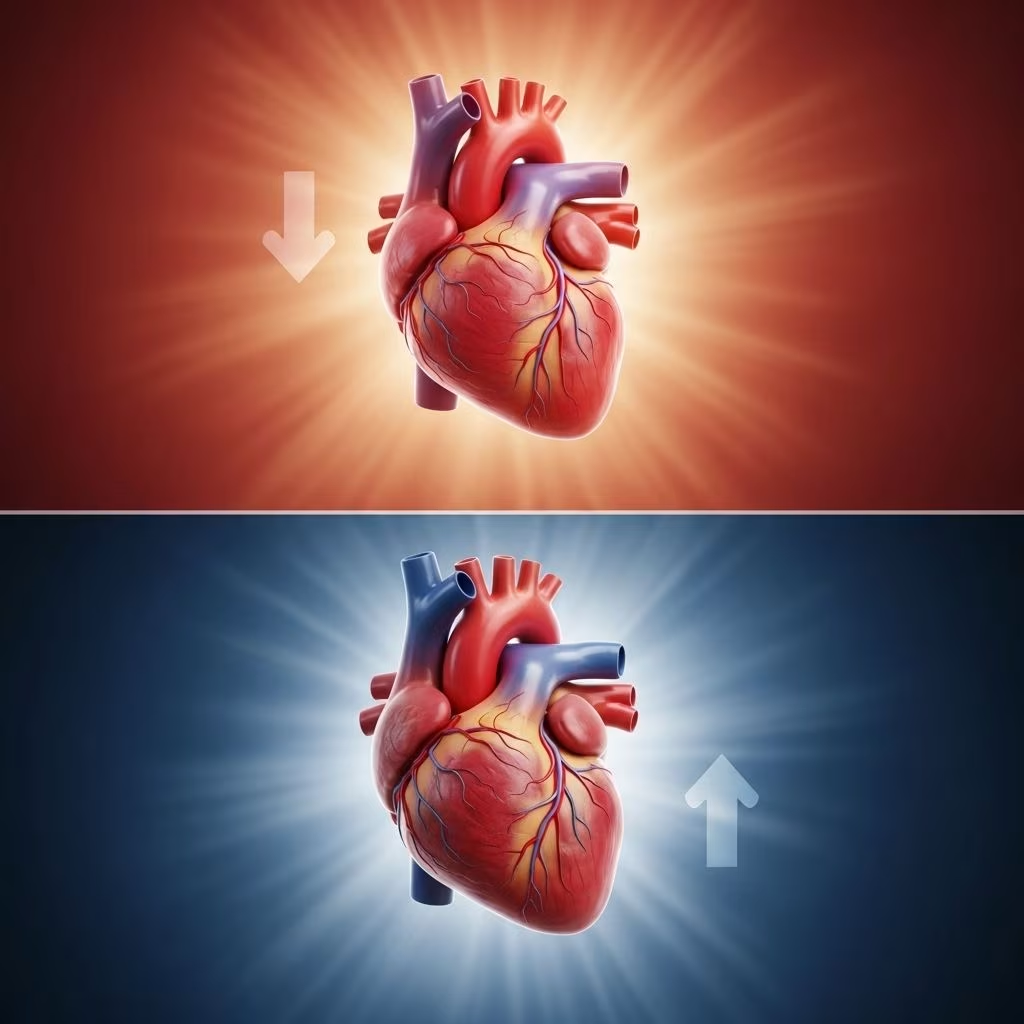
Understanding the Link Between Weight and Heart Disease
Heart disease remains the leading cause of death for women in the United States, claiming more lives than any other illness. The risk is especially high among those who are overweight or obese—a status that affects nearly 70% of U.S. women. Managing your weight plays a fundamental role in keeping your heart healthy and reducing your risk of life-threatening events such as heart attack or stroke.Excess weight is directly connected to several heart disease risk factors. Let’s explore how and why shedding pounds can transform your heart health.
How Excess Weight Impacts Your Heart
- Insulin Resistance and Diabetes: Carrying extra pounds can make your body less responsive to insulin, a hormone needed to keep blood sugar levels steady. Persistent insulin resistance often leads to type 2 diabetes—a condition that doubles your risk for heart disease and stroke.
- Metabolic Syndrome: This cluster of conditions—high blood pressure, high blood sugar, abnormal cholesterol levels, and excess abdominal fat—greatly increases your risk of heart disease. Metabolic syndrome is often triggered by insulin resistance and extra weight.
- High Blood Pressure: Extra body fat increases blood pressure by forcing your heart to pump harder to supply blood to more tissue. High blood pressure damages your arteries and restricts blood and oxygen flow to your heart, raising your risk for a heart attack, heart failure, or stroke.
- High Cholesterol & Triglycerides: Obesity tends to raise LDL (“bad”) cholesterol and triglycerides, while lowering HDL (“good”) cholesterol. This imbalance promotes fatty deposits in blood vessels, increasing the chance of blockages that can trigger heart attacks and strokes.
- Sleep Apnea: Extra weight increases the risk of obstructive sleep apnea, which disrupts breathing during sleep and is strongly linked to cardiovascular disease, including heart failure and high blood pressure.
Special Considerations Affecting Women
- Pregnancy: Women with obesity who become pregnant are at higher risk for cardiovascular complications. Seeking medical guidance before conception is essential for maintaining heart health during pregnancy.
- Menopause: The risk of heart disease increases around menopause, due to hormonal changes and shifts in fat distribution (especially increased belly fat). Excess abdominal weight further elevates cardiovascular risk.
How Much Weight Loss is Needed to Make a Difference?
Even modest weight reductions have a significant impact. Research shows that losing just 5%-10% of your body weight can:
- Decrease blood pressure
- Lower cholesterol and triglyceride levels
- Improve insulin sensitivity, reducing diabetes risk
- Ease strain on your heart and arteries
Maintaining weight loss over two years or more leads to lasting improvements in heart disease risk factors.
FDA-Approved Weight Loss Drug: Wegovy’s Impact on Heart Disease Risk
In a major scientific development, the FDA has approved the weight loss drug Wegovy for reducing cardiovascular disease risk in adults with obesity or overweight who have a history of heart problems. Previously approved solely for weight loss, Wegovy now offers dual benefits:
- Reduces risk of heart attack, stroke, and cardiovascular death by 20% in people with prior heart disease
- Works alongside diet and physical activity to amplify heart protection
Wegovy’s effectiveness was established in a large trial of over 17,600 adults. While its mechanisms are still under investigation, experts agree it helps with several key risk factors:
- Weight reduction
- Lowering blood pressure
- Better blood sugar control
- Less systemic inflammation—all of which support heart health
Should You Consider Wegovy?
It’s recommended for adults with obesity or overweight and existing cardiovascular disease, but only in consultation with your physician. Lifestyle changes remain the foundation of heart disease prevention.
5 Cardiologist-Recommended Tips for Better Heart Health
Cardiologists emphasize that women often underestimate their personal risk for heart disease and miss preventive opportunities. Here are 5 universally recommended strategies:
- Quit Smoking
- Eat More Fruits, Veggies & Lean Protein
- Minimize Saturated Fat and Processed Foods
- Consult Your Doctor About Your Weight & Heart Risk
- Follow the Mediterranean or DASH Diets: Both patterns focus on plant-based foods, healthy fats, and low sodium intake.
Exercise and Daily Habits That Protect Your Heart
Physical activity is a cornerstone of heart health prevention. New research reveals the surprising power of short, frequent bursts of exercise in reducing disease risk.
- Short bursts of aerobic activity—which increase your heart rate—cut heart disease risk by up to 50%.
- Walking every day is highly effective. Even micro-walks (brief, brisk walks) can dramatically lower:
- Blood sugar
- Blood pressure
- Cholesterol
- Body mass index
- Additional benefits include better mood, reduced stress, improved memory, and increased longevity.
Tips for Making Exercise a Heart-Healthy Habit
- Incorporate brief walks or movement breaks into your schedule
- Choose enjoyable, sustainable activities such as dancing, cycling, or swimming
- Aim for 150 minutes of moderate aerobic activity per week
- Add resistance training to build muscle and support metabolism
Table: Key Factors Linking Weight and Heart Disease Risk
| Risk Factor | How Excess Weight Contributes | Preventive Actions |
|---|---|---|
| Insulin Resistance / Diabetes | Obesity leads to poor insulin response, raising blood sugar | Lose 5–10% body weight, eat balanced diet, stay active |
| High Blood Pressure | Extra mass puts pressure on arteries and heart | Exercise daily, reduce sodium, maintain healthy weight |
| Abnormal Cholesterol | Raises LDL and triglycerides, lowers HDL | Lower saturated fats, increase fiber, lose excess weight |
| Sleep Apnea | Fat around neck/throat blocks airway during sleep | Lose weight, seek sleep study for diagnosis/treatment |
| Metabolic Syndrome | Combination of obesity-related conditions | Reduce weight, eat whole foods, stay active |
Frequently Asked Questions (FAQs)
Q: Can losing just a small amount of weight really lower my heart disease risk?
A: Yes. Clinical research shows that shedding as little as 5–10% of your body weight meaningfully improves blood pressure, cholesterol, and blood sugar, lowering your overall heart-disease risk.
Q: What diet is best for heart health and weight loss?
A: Cardiology experts recommend the Mediterranean and DASH diets, both rich in fruits, vegetables, whole grains, and lean proteins. These eating patterns help control weight and reduce high blood pressure and cholesterol.
Q: How does sleep apnea relate to heart problems?
A: Sleep apnea is far more common in people with obesity and can lead to high blood pressure and heart failure. Treating sleep apnea—often by losing weight and seeking medical evaluation—can decrease your cardiovascular risk.
Q: Is exercise still beneficial if I can’t commit to long workouts?
A: Absolutely. Research now shows that even short bursts of activity, such as brief
walks spaced throughout the day, halve your heart-disease risk compared to being sedentary.
Q: Should I consider medication like Wegovy for heart disease prevention?
A: Wegovy is FDA-approved to reduce heart disease risk in adults with obesity or overweight and existing heart problems, but it should be considered only after discussing benefits and potential side effects with your doctor.
Take Action: Your Personalized Heart Disease Prevention Checklist
- Know your weight, body mass index, blood pressure, cholesterol, and blood sugar numbers
- Quit smoking—seek professional help if needed
- Adopt a mostly plant-based diet, minimizing processed and high-fat foods
- Move more: add brief walks or aerobic sessions every day
- Talk openly with your doctor about your heart disease risk factors
- Consider proven treatments, including medications and lifestyle programs, if you have elevated cardiovascular risk
Summary: Why Weight Loss Matters for Heart Disease Prevention
Weight loss isn’t just about appearance—it’s a profound act of self-protection against today’s #1 killer. Whether you lower risk by changing your lifestyle, leveraging medications like Wegovy, or simply walking more, every effort counts for your heart’s longevity. The key is starting today with small, achievable steps and seeking support where needed. Your heart—and your future—will thank you.
References
- https://www.heart.org/en/healthy-living/go-red-get-fit/lose-weight-lower-heart-disease-risk
- https://www.prevention.com/health/a60165063/wegovy-heart-disease/
- https://www.prevention.com/health/a63189227/cardiologist-recommended-heart-health-tips/
- https://www.prevention.com/health/a63147859/short-bursts-exercise-reduces-heart-disease-risk-study/
- https://www.prevention.com/food-nutrition/healthy-eating/a66053539/best-foods-heart-health/
- https://www.prevention.com/heart-health/
- https://www.prevention.com/food-nutrition/healthy-eating/a64555232/effects-of-processed-meats-heart-health/
- https://www.prevention.com/health/a65540409/incedental-physical-activity-decreases-heart-disease-study/
- https://www.prevention.com/weight-loss/diets/a60578947/how-to-lose-weight-fast-safely/
- https://www.prevention.com


