


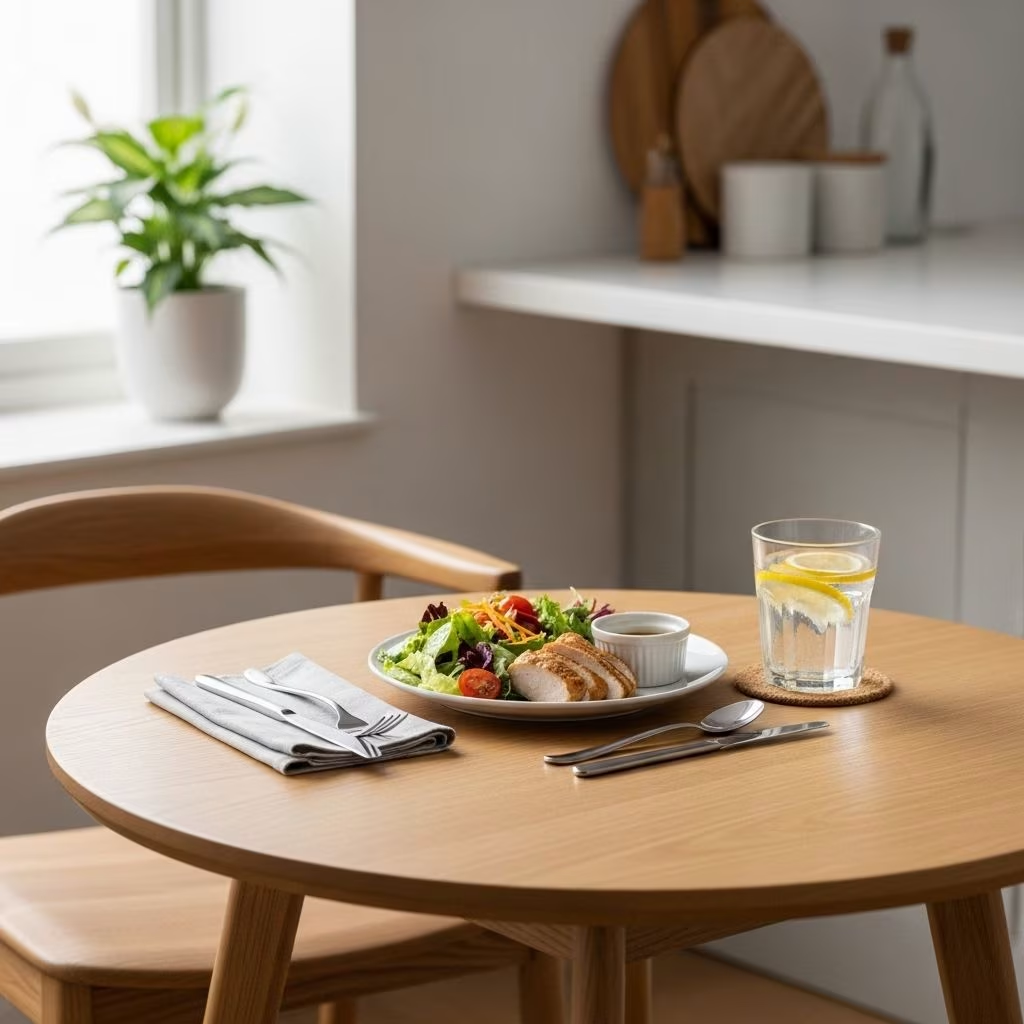
How Your Eating Environment Can Help You Lose Weight
Weight loss doesn’t depend solely on what you eat—where and how you eat matter just as much. By adjusting your eating environment, you can make healthier choices more often and create habits that support long-term weight loss success. This article explores practical, research-backed strategies that leverage your surroundings to help you eat smarter and manage your weight for good.
Why Your Eating Environment Matters
Your eating environment profoundly shapes your portion sizes, food choices, pace of eating, and even the pleasure you get from meals. Subtle cues, from plate size to background noise, can unconsciously influence how much you eat. By becoming intentional about your surroundings, you can tilt the odds in your favor for lasting weight control.
- Portion control is easier in certain settings and with the right visual cues.
- Mindful eating helps you listen to hunger signals and eat less.
- Home and social settings can either trigger overeating or support your healthy goals.
- Dining out brings unique challenges and opportunities for healthier choices.
1. The Power of Place: Home vs. Eating Out
Studies consistently show that people who eat most of their meals at home tend to weigh less and consume healthier diets overall. Home-cooked meals allow you full control over ingredients, portions, and preparation methods. In contrast, restaurant meals are often larger in size and higher in calories, fat, and salt.
- Eating at home lets you serve appropriate portions, choose ingredient quality, and avoid hidden calories.
- Restaurant meals often tempt you with oversized portions and rich, high-calorie dishes.
Small changes at home—like cooking more often or meal prepping—can make healthy eating easier and more sustainable.
2. Transform Your Dining Table
The setup of your eating space sends powerful signals to your brain. A cluttered table, bright screens, and rushing can promote mindless eating. Intentionally arranging your table and surroundings makes it easier to focus on your food and listen to your body’s cues.
- Use smaller plates and bowls to naturally limit portion sizes.
- Keep serving dishes off the table to minimize second helpings.
- Remove distractions such as TVs, tablets, and phones to focus on your meals.
- Set the mood with pleasant lighting and a calm environment to slow down eating.
Researchers have found that people consume up to 30% less food when eating with smaller plates and bowls, simply because the brain is tricked into feeling satisfied with less food.
3. Mindful Eating: Slow Down and Savor
Eating slowly and with full attention makes it easier to notice when you are satisfied, helping prevent overeating. Mindful eating techniques increase enjoyment of food and reinforce your awareness of hunger and satiety signals.
- Chew each bite thoroughly and put your utensil down between bites.
- Engage all your senses—notice the aroma, texture, and flavor of your food.
- Pause halfway through your meal to check how full you feel.
- Take at least 20 minutes to finish your meal, as it takes this long for your body to register fullness.
Mindful eating requires practice, but even small efforts can significantly reduce calorie intake and improve satisfaction after meals.
4. How to Eat Out Without Blowing Your Diet
Dining out presents a unique challenge—portion sizes are larger, menu choices are overwhelming, and it’s easy to overeat. But eating out doesn’t have to derail your progress if you have the right tools.
- Research the restaurant menu in advance to choose healthier options.
- Ask for sauces and dressings on the side.
- Start your meal with a broth-based soup or salad to fill up on fiber-rich foods first.
- Split entrées or immediately box up half to control portions.
- Pay attention to hunger and fullness, and stop eating when satisfied, not stuffed.
| Dining Setting | Typical Pitfalls | Healthy Strategies |
|---|---|---|
| Restaurant | Oversized portions, high-calorie menu items | Order appetizers as mains, share dishes, request modifications |
| Fast Food | Processed foods, excess sodium, sugary drinks | Choose salads, grilled options, skip sugary drinks |
| Social Events | Buffet style dining, distraction, peer pressure | Survey all options before serving, use a smaller plate, focus on conversation |
5. Role of Social Settings: Eating Alone vs. With Others
The people around you can subtly—or not so subtly—influence how much and what you eat. Meals eaten with others often last longer and may lead to eating more, especially if others are indulging.
- Be aware of “social eating”—you can enjoy company without mirroring unhealthy eating habits.
- Converse more and pause between bites to slow your pace.
- If at a buffet or party, scan all options before making selections and fill most of your plate with vegetables and lean proteins.
When alone, avoid eating in front of screens or browsing devices, as this leads to mindless eating and larger portions.
6. Set Up Your Kitchen for Success
A kitchen stocked with nutritious options and organized for easy access makes healthy eating virtually automatic. Prepare your space and keep tempting treats out of sight, if not out of the house entirely.
- Keep fruits, pre-cut veggies, and healthy snacks at eye level in your fridge and pantry.
- Place less healthy foods out of reach or do not purchase them.
- Invest in food storage containers for easy meal prep and portion control.
- Prepare single serving snack bags or containers to prevent overeating.
Advertisers know that visibility increases desire; use this to your advantage by making good-for-you foods more accessible than junk food.
7. Use Visual and Physical Cues to Reinforce Healthy Habits
Simple tweaks in your environment can serve as reminders and reinforcements for healthy eating:
- Place a bowl of fresh fruit on the counter for easy snacking.
- Put water bottles within reach, and keep sugary beverages out of sight.
- Use smaller dishes and cutlery to curb portions.
- Pre-portion snacks into small bowls or bags instead of eating from large packages.
8. Manage Emotional or Mindless Eating Triggers
Many people eat in response to stress, boredom, or emotions rather than hunger. Noticing and changing these triggers is essential for long-term weight management.
- Pause and ask yourself if you are truly hungry before eating.
- Find alternative activities to cope with emotions, such as taking a walk or calling a friend.
- Keep a food journal to spot patterns in emotional eating or snacking.
9. Stock Up on Weight-Loss Friendly Foods
What you keep in your kitchen directly shapes your eating habits. Stock up on foods that are naturally filling and support weight loss, such as:
- High-fiber fruits and vegetables
- Whole grains and legumes
- Healthy fats from nuts, seeds, and avocados
- Lean proteins like fish, poultry, tofu, and beans
These foods provide volume and satiety with fewer calories, making it easier to eat well and feel satisfied.
10. Practice Consistency, Not Perfection
Sustainable weight loss is about making overall healthier choices, not about being perfect all the time. Occasional indulgences can fit into a balanced diet, especially when you plan for them and enjoy them mindfully.
- Allow yourself to savor favorite foods in moderation.
- Don’t let one off-plan meal derail your progress—just return to your healthy habits at the next meal.
- Celebrate small victories and recognize progress over time.
Frequently Asked Questions (FAQs)
Q: Can changing my eating environment help me lose weight if I don’t change what I eat?
A: Yes, even without changing the foods you eat, adjusting your environment—like using smaller plates, eating without distractions, and serving food from the counter instead of the table—can significantly reduce how much you eat.
Q: Is it better to eat alone or with others for weight loss?
A: Both have advantages. Social meals can increase enjoyment but may lead to eating more, especially if others overeat. Being mindful and setting boundaries can help you enjoy company without overeating.
Q: How can I control portions when eating out?
A: Consider splitting an entrée, choosing an appetizer portion as your meal, or boxing up half your meal right away. Also, fill up first with a salad or broth-based soup to avoid overeating high-calorie items.
Q: What are some kitchen organization tips for weight loss?
A: Store healthy foods at eye level, pre-portion fruits, veggies, and snacks, keep tempting treats out of sight, and use meal prep containers to plan ahead.
Q: How quickly can I expect results by changing my environment?
A: While results vary, many people notice they eat less and feel more in control in just a week or two of implementing these changes. Consistency, rather than speed, is key for lasting results.
Additional Tips for Long-Term Success
- Write down your goals for eating at home more often and plan a grocery list to support those goals.
- Involve friends or family in meal prep to make healthy changes more social.
- Track what, where, and with whom you eat to increase self-awareness and spot patterns that can be improved.
Conclusion
Your environment shapes your eating habits, often more than you realize. By making small, strategic adjustments to where, how, and with whom you eat, you can create powerful momentum for healthy weight loss and lasting well-being. Start with a few changes today, and watch how your body and mindset transform over time.
References
- https://www.prevention.com/weight-loss/g24805401/fat-burning-foods/
- https://www.cdc.gov/healthy-weight-growth/healthy-eating/index.html
- https://health.ucdavis.edu/blog/cultivating-health/7-weight-loss-tips-to-shed-pounds-in-the-new-year-and-keep-them-off-for-good/2024/12
- https://uncnri.org/2018/04/23/kohlmeier-23andme-weight-loss/
- https://www.prevention.com/weight-loss/
- https://www.youtube.com/channel/UC9M3b9q8SsPraJVWacDU68Q
- https://diabetes.org/health-wellness/fitness/eating-tips-before-after-exercise


