


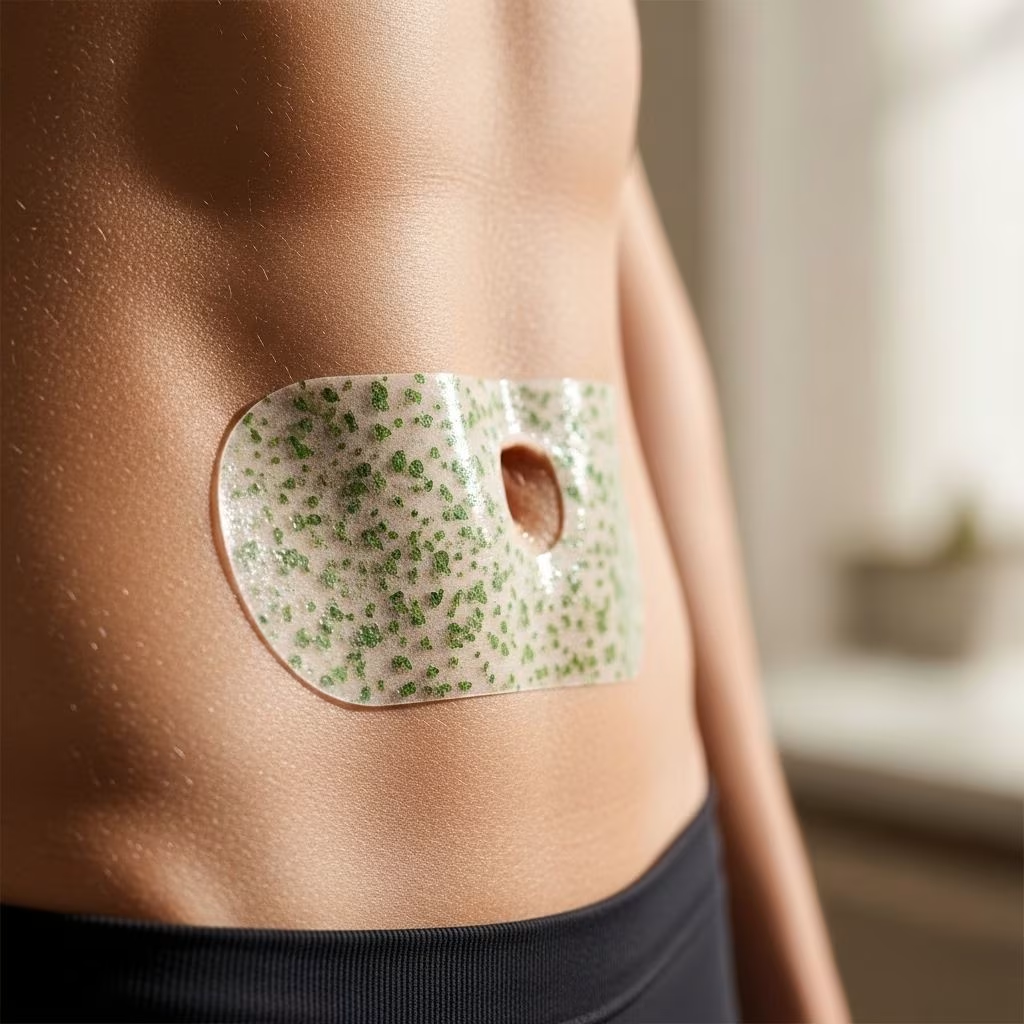
Weight loss fads often promise effortless results, and Japanese mint slimming patches are the latest trend generating interest and skepticism online. With claims that you can shed pounds simply by sticking a patch on your skin, these products tap into people’s hopes for a quick, easy solution. But what does science say about their effectiveness and safety?
What Are Japanese Mint Weight Loss Patches?
Japanese mint weight loss patches are stick-on transdermal patches marketed as a way to reduce body fat without any significant lifestyle changes. Allegedly developed by unnamed Japanese doctors (with varying stories and no credible research links), these patches are said to work by delivering “fat-burning” ingredients like mint extract through your skin. Advertisements suggest they can magically target fat cells, promising results without dieting or exercise.
How Are These Patches Supposed to Work?
Manufacturers claim that applying the patch to your skin allows active ingredients to be absorbed transdermally, directly into the bloodstream. Commonly touted effects include:
- “Triggering” fat cell breakdown
- Boosting metabolism
- Suppressing appetite
- Reducing body fat without exercise or dietary changes
No credible scientific explanation accompanies these claims, and there are no cited or peer-reviewed studies provided by the brands selling them.
What Ingredients Are Found in Weight Loss Patches?
While the ingredients can vary widely between brands, some of the most common active components advertised include:
- Japanese mint extract – Promoted for supposed fat-burning effects, but lacking scientific support for weight loss.
- Green tea extract – Rich in catechins, sometimes linked to minor increases in calorie burning .
- Garcinia cambogia – Thought to reduce appetite, though effects are minimal and associated with discomfort.
- Green coffee bean extract – Early research suggested benefits, but these claims have been debunked and don’t translate to patch application.
- Bitter orange extract and other botanicals – Rarely backed by clinical evidence for weight loss and, in some cases, linked to side effects.
Importantly, the actual concentrations and purity of these ingredients in patches are undocumented, given the lack of regulation.
Do Japanese Mint Weight Loss Patches Really Help You Lose Weight?
According to obesity medicine experts, there is no credible evidence that any stick-on slimming patch can deliver meaningful or sustained weight loss results without caloric deficit and exercise. The patches’ supposed effects do not have scientific support, and no peer-reviewed studies demonstrate their effectiveness. If you see weight loss while wearing a patch and making lifestyle changes, the benefits are likely from your diet and exercise, not from the patch itself.
| Claim | Scientific Evidence? | Expert Consensus |
|---|---|---|
| Patches alone cause fat loss | No quality evidence | Not supported |
| Ingredients burn fat via skin absorption | Minimal, unproven | Not supported |
| Patches suppress appetite | Minimal, inconsistent | Not supported |
| Sustainable weight loss | No evidence | Not supported |
A healthy diet, exercise, and evidence-based therapies remain the proven methods for weight loss.
Are Weight Loss Patches Regulated or Safe?
The sale and production of weight loss patches are not regulated by the FDA or similar agencies in many countries. This lack of oversight raises several safety concerns:
- No guarantees of ingredient quality or authenticity.
- Potentially harmful undisclosed substances may be present, such as stimulants banned in other products.
- Dosing is unclear, making it impossible to determine if the patch contains enough active ingredient to have an effect—even if the ingredient is beneficial.
Obesity experts urge caution and recommend consulting a healthcare professional before using any unregulated product, especially those sold online with exaggerated claims and no scientific backing.
Potential Side Effects and Risks
Even seemingly benign ingredients can carry risks—especially when used without proper dosage information or medical supervision. Documented potential side effects of weight loss patches include:
- Skin irritation or allergic reactions
- Nausea or headaches
- Anxiety, palpitations, or other cardiovascular effects, particularly if the patch contains stimulants or unlisted ingredients
- Hormonal imbalances (depending on undisclosed additives)
For individuals with health conditions, the risks may be even higher. Since patches bypass digestion, they could, in theory, deliver untested and potentially dangerous dosages systemically.
Why Are Weight Loss Patches So Popular?
The appeal is understandable: losing weight the traditional way—through calorie-reduction and exercise—is persistent and challenging for many people. The allure of a quick, painless shortcut attracts consumers, especially in a market saturated with “miracle” products promising rapid results. The message often sounds too good to be true—and, according to science, it is.
What Do Medical Professionals Recommend?
Leading obesity medicine practitioners and dietitians agree on several key points:
- There are no shortcuts to lasting weight loss. All credible research supports lifestyle modification (diet and exercise) as the core driver of sustainable change.
- Be cautious with any product that promises effortless results or lacks reputable, peer-reviewed studies.
- Always consult with a healthcare provider before starting any weight loss supplement or device.
If you find dietary changes and activity modifications hard to sustain, a medical professional can recommend evidence-based strategies, behavioral support, or in some cases, prescription therapies proven to support weight management.
What Does Work for Weight Loss?
Based on decades of research, these are the evidence-supported strategies for losing weight safely and effectively:
- Follow a balanced, calorie-appropriate diet: Numerous plans can work, from Mediterranean to plant-based diets—consistency is key.
- Engage in regular physical activity: Aim for a mix of aerobic exercise and resistance training for maximum health and metabolic benefits.
- Seek support: Behavioral counseling, group programs, or technology-enabled tracking can boost adherence.
- Consider medical supervision: For those with obesity or related conditions, medications or monitored procedures may help as part of a comprehensive plan.
Comparing Weight Loss Patches and Traditional Methods
| Approach | Evidence for Effectiveness | Safety | Long-Term Outcome |
|---|---|---|---|
| Japanese mint weight loss patch | None | Unknown; unregulated risks | Unproven |
| Balanced diet and exercise | Robust | Well-established safety | Sustainable when maintained |
| Clinically supervised weight loss therapy | High (when indicated) | Monitored for safety | Effective with support |
Red Flags to Watch Out For in Weight Loss Product Advertising
- Promises of rapid or effortless weight loss without lifestyle change
- No clinical trial references, published evidence, or expert endorsements
- Vague origin stories involving “mystery doctors” without credentials
- Undisclosed ingredient lists or ambiguous dosing instructions
- Phrases like “ancient secret” or “breakthrough discovery” lacking scientific basis
FAQs About Japanese Mint Weight Loss Patches
Q: Can a Japanese mint patch alone melt fat away?
No scientific evidence supports the claim that any patch, mint-based or otherwise, can independently target or “melt” fat without concurrent dietary modifications and exercise.
Q: Are there any studies proving these patches work?
No peer-reviewed or reputable clinical studies confirm the effectiveness of Japanese mint, or any similar weight loss patch, for fat loss in humans.
Q: Are there any risks to using weight loss patches?
Yes. Beyond financial loss, using unregulated products poses risks of allergic reactions, systemic side effects, and exposure to harmful or undisclosed substances.
Q: Is it safe to try one just to see what happens?
Health professionals caution against experimenting with unregulated products, as their unpredictability can outweigh any unproven potential benefits. Consulting a doctor before use is advised.
Q: What are healthier, proven ways to lose weight?
Balanced eating, regular exercise, adequate sleep, and, when necessary, professional guidance are supported by science as the best ways to lose weight and keep it off long term.
Bottom Line: Are Japanese Mint Weight Loss Patches Worth Trying?
In the face of rising obesity rates and increasing interest in quick-fix solutions, it’s understandable to be tempted by the allure of effortless weight loss products. However, Japanese mint patches—and slimming patches in general—lack scientific support, regulatory oversight, and a proven track record. Experts agree that focusing on sustainable, evidence-based strategies remains the cornerstone of safe, lasting weight control. If you’re considering any new weight loss aid, always consult your healthcare provider for trustworthy advice tailored to you.
References
- https://www.prevention.com/weight-loss/a30109140/japanese-mint-weight-loss-patch/
- https://www.healthandme.com/health-wellness/what-are-weight-loss-patches-do-they-actually-work-article-151105905
- https://www.myjuniper.com/blog/weight-loss-patch
- https://www.womenshealthmag.com/uk/food/weight-loss/a62606782/weight-loss-patches/
- https://parade.com/1296356/kaitlin-vogel/japanese-mint-weight-loss-patch/
- https://www.menshealth.com/health/a32675814/weight-loss-patches/
- https://www.healthline.com/health/weight-loss/weight-loss-patches


