


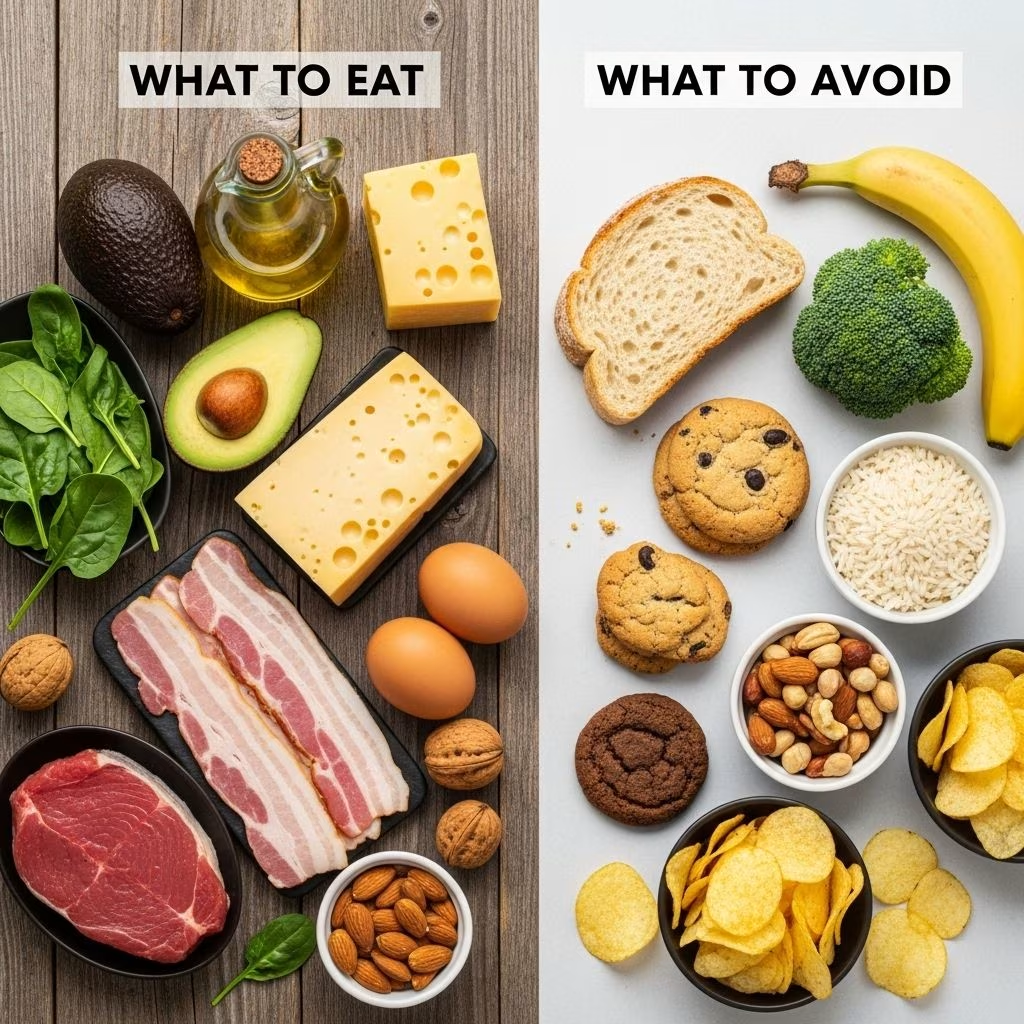
The ketogenic diet—better known as “keto”—is a high-fat, low-carbohydrate eating plan that transforms the way your body fuels itself, shifting your metabolism into a state called ketosis. In this state, you burn fat for energy instead of carbohydrates, making food choices more important than ever. This essential guide explores which foods you can enjoy, what to avoid, and how to stock your pantry for both short-term success and sustainable weight management with keto.
Why Food Selection Is Crucial on Keto
Keto isn’t just about cutting carbs—it’s about maximizing nutrition, satisfaction, and your body’s ability to maintain ketosis. Choosing the right foods minimizes carb intake, keeps your energy levels even, and supports overall health.
Main Principles of the Keto Diet
- High Fat: Around 70-75% of your daily calories should come from fat.
- Moderate Protein: Aim for 20-25% of your calories from protein.
- Low Carbohydrate: Limit carbs to roughly 5-10% of your daily intake (typically under 50 grams of net carbs per day).
Keto Food Categories: What You Can Eat
This expanded list covers the pillars of a ketogenic pantry—protein, vegetables, healthy fats, dairy, nuts and seeds, and condiments. For each, you’ll find top picks and serving ideas.
Meat and Poultry
Choose unprocessed meat and poultry for zero carbs and abundant nutrients.
- Beef: Ground beef, steak, brisket, ribs
- Pork: Pork chops, tenderloin, bacon (check for sugar or carb fillers), ham (uncured), prosciutto
- Lamb
- Poultry: Chicken (thighs, breast, wings), turkey, duck, quail
- Game meats: Venison, bison, elk, rabbit
- Sausages (no added sugar), hot dogs, and jerky (unsweetened)
- Organ meats: Liver, heart, kidney (nutrient-rich options favored on keto)
Fish and Seafood
All fresh fish and shellfish are inherently low in carbs and high in quality fats and protein. Fatty fish are especially prized for their omega-3 content.
- Salmon
- Mackerel
- Sardines
- Tuna (canned in water or oil, no sugary dressings)
- Trout
- Anchovies
- Herring
- Halibut
- Cod
- Shellfish: Shrimp, crab, lobster, oysters, scallops, mussels, squid, and octopus
- Caviar
Tip: Avoid breaded and fried seafood as these contain hidden carbs.
Eggs
Eggs are a keto staple—affordable, versatile, and virtually carb-free. Eat all varieties: chicken, duck, quail. Opt for organic or omega-3-enriched eggs when possible.
- Boiled
- Scrambled
- Fried in grass-fed butter
- Poached
- Omelets and frittatas (with low-carb vegetables and cheese)
Non-Starchy Vegetables
Most non-starchy vegetables are low in net carbs and high in fiber and antioxidants. Favor greens and vegetables that grow above ground.
- Leafy greens: Spinach, kale, romaine, arugula, Swiss chard, butterhead lettuce
- Cruciferous vegetables: Broccoli, cauliflower, cabbage, Brussels sprouts, bok choy
- Others:
- Zucchini
- Asparagus
- Green beans
- Celery
- Radishes
- Artichokes
- Bell peppers (any color, but especially green)
- Mushrooms
- Eggplant
- Chives
- Cucumber
- Fennel
- Leeks (sparingly)
- Jicama
- Seaweed (nori, kelp, wakame)
- Olives
Use freely: 7 to 10 cups of salad or cooked non-starchy veggies per day is recommended for fiber and micronutrients.
Dairy: Cheese, Cream, and More
Full-fat and minimally processed dairy are best for keto. Always check for added sugars or carbs in flavored or low-fat options.
- Cheeses: Cheddar, mozzarella, blue cheese, goat cheese, cream cheese (full fat), feta, Swiss, Parmesan
- Butter and ghee
- Heavy cream (not half-and-half or sweetened creamers)
- Sour cream (unsweetened, full fat)
- Greek yogurt (plain, full fat—consume in moderation for best results)
Nuts and Seeds
Nuts and seeds are high in fat, moderate in protein, and low to moderate in carbs, making them an energy-dense snack option. Stick to raw or dry-roasted varieties without added sugars.
- Almonds
- Walnuts
- Pecans
- Macadamia nuts
- Brazil nuts
- Pistachios (sparingly—higher in carbs)
- Hazelnuts
- Chia seeds
- Flaxseeds
- Pumpkin seeds
- Sunflower seeds
- Hemp seeds
- Sesame seeds
- Nut butters: Almond, macadamia, or peanut butter (unsweetened only)
Healthy Fats and Oils
- Extra-virgin olive oil
- Avocado oil
- Coconut oil and MCT oil
- Butter and ghee
- An occasional serving of cream cheese
- Animal fats: Lard, tallow, duck fat
- Mayonnaise (made with olive or avocado oil, no added sugar)
Avoid: Processed vegetable oils high in omega-6 fatty acids—corn, soy, canola, safflower oils.
Keto-Friendly Fruits
Most fruits are high in sugar and not recommended, but some are acceptable in small portions.
- Avocado (a staple, low carb, high fat)
- Olives
- Berries in moderation: Blackberries, raspberries, strawberries (watch portion size, limit to half a cup or less per serving)
- Lemon and lime (for flavoring, not for snacking)
- Tomatoes (technically a fruit, used widely in moderation)
Condiments, Herbs, and Spices
- Salt and pepper
- Herbs: Basil, oregano, thyme, rosemary, parsley, dill, coriander, cilantro
- Spices: Paprika, cumin, ginger, turmeric, cinnamon, cayenne, garlic powder
- Vinegar: Apple cider vinegar, red or white wine vinegar
- Mustard
- Stevia, monk fruit, and erythritol (keto-friendly sweeteners in moderation)
- Hot sauces (with no added sugar)
- Pesto, tapenade, guacamole (home-made or check labels for carbs)
What to Avoid on Keto
| Food Type | Examples | Why Avoid? |
|---|---|---|
| Starchy Vegetables | Potatoes, yams, corn, peas, carrots (in excess), beets | High in carbs, quickly spike blood sugar |
| Sugary Foods | Soda, candy, cakes, ice cream, jams, pastries | Very high in sugar/carbs, disrupt ketosis easily |
| Grains / Cereal Products | Bread, pasta, rice, cereal, oats, crackers, granola, tortillas, baked goods | High net carb content |
| Fruit (most) | Bananas, apples, oranges, mangoes, grapes, dates, dried fruits | Too much natural sugar (fructose) |
| Sweetened Dairy | Sweet yogurt, flavored milk, sweetened cream and coffee creamers | Hidden sugars |
| Processed Foods | Chips, fries, crackers, instant noodles, frozen meals (unless labeled keto) | Hidden carbohydrates, unhealthy fats |
| Unhealthy Oils | Vegetable, canola, corn, soybean, grapeseed oils | High in omega-6 fatty acids, linked to inflammation |
| Sauces With Added Sugar | Many barbecue sauces, ketchup, sweet dressings | Sneaky source of carbs |
Sample Day on the Keto Diet
- Breakfast: Scrambled eggs with spinach and feta, cooked in butter. Side of avocado.
- Lunch: Grilled salmon salad: spring mix greens, cucumber, cherry tomatoes (limited), olives, olive oil dressing.
- Snack: Celery sticks with almond butter and a handful of macadamia nuts.
- Dinner: Ribeye steak, roasted Brussels sprouts with ghee, and sautéed mushrooms.
- Dessert (optional): Full-fat Greek yogurt with a few raspberries and a sprinkle of chia seeds.
How to Stock a Keto-Friendly Kitchen
- Plan your meals to include protein, healthy fats, and plenty of low-carb veggies.
- Shop the perimeter of the grocery store for fresh, whole foods.
- Read nutrition labels carefully—many foods marketed as low-carb contain added sugars or processed starches.
- Choose full-fat dairy over low- or non-fat options.
- Opt for grass-fed and organic animal products when possible.
- Keep keto pantry staples: Extra-virgin olive oil, coconut oil, avocado oil, canned sardines or salmon, nuts, seeds, nut butter (unsweetened), olives, and capers.
- Stock up on non-starchy vegetables—fresh or frozen with no added ingredients.
Frequently Asked Questions (FAQs)
Q: Can I eat fruit on a keto diet?
A: Most fruits are high in sugar and not keto-friendly, but small amounts of berries, avocados, tomatoes, and olives can be enjoyed in moderation.
Q: What snacks are suitable for keto?
A: Excellent keto snacks include cheese, hard-boiled eggs, olives, nuts and seeds, celery with nut butter, pepperoni slices, and pork rinds.
Q: Is dairy allowed on keto?
A: Yes, but stick to full-fat and unsweetened dairy like cheese, heavy cream, Greek yogurt, and sour cream. Avoid sweetened and low-fat products, which tend to include more sugar and carbs.
Q: What beverages are best on keto?
A: Water, sparkling water, coffee and tea (unsweetened), bone broth, and nut milk (unsweetened almond, macadamia, or coconut milk) are best. Watch for hidden sugar in flavored drinks.
Q: Can vegetarians or vegans follow a keto diet?
A: It’s possible. Focus on plant-based fats and proteins such as nuts, seeds, coconut products, avocados, low-carb vegetables, and tofu/tempeh. Not all keto foods must be animal-based.
Q: How do I know if I’m in ketosis?
A: Signs include reduced appetite, increased energy, occasionally fruity breath, or you can use ketone test strips for more accurate results.
3 Quick Keto-Friendly Recipe Ideas
- Keto Cauliflower Rice: Sauté riced cauliflower in olive oil, add garlic and herbs, and use as a base for stir-fries or grain-free bowls.
- Zoodle Alfredo: Spiralized zucchini sautéed in butter, topped with heavy cream, Parmesan, and sautéed shrimp or chicken.
- Cheesy Egg Muffins: Mix eggs, spinach, cheese, and crumbled bacon. Bake in muffin tins for grab-and-go breakfast bites.
The Bottom Line
Building your ketogenic meal plan is about more than just cutting carbs: it means prioritizing nutrient-dense, satisfying foods and embracing healthy fats. This comprehensive keto food list is your best tool for making smart choices, avoiding common pitfalls, and staying committed to your health goals—deliciously and sustainably.
References
- https://www.drberg.com/blog/ketogenic-diet-food-list
- https://www.healthline.com/nutrition/ketogenic-diet-101
- https://perfectketo.com/keto-food-list/
- https://ketologic.com/blogs/articles/keto-food-list
- https://www.healthline.com/nutrition/ketogenic-diet-foods
- https://www.wholefoodsmarket.com/special-diets/keto/how-to-build-a-keto-friendly-grocery-list
- https://www.kevinsnaturalfoods.com/blogs/blog/ultimate-keto-grocery-list-for-beginners


