


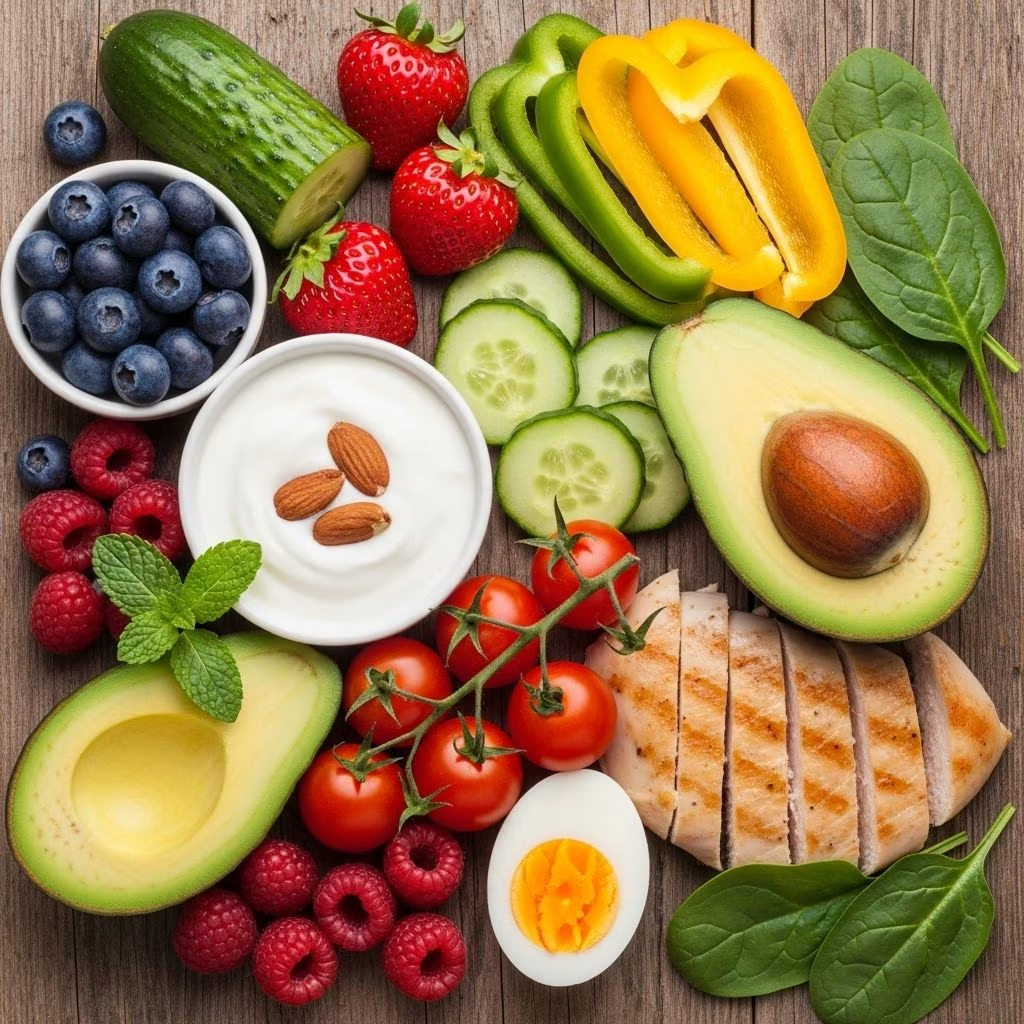
Low-Calorie Foods That Help with Weight Loss Without Sacrifice
Achieving sustainable weight loss often means finding ways to eat satisfying meals without consuming excess calories. Low-calorie foods are packed with nutrition and fiber, supporting your weight loss goals by helping you feel full and nourished. This guide covers essential information on selecting, preparing, and enjoying low-calorie foods, providing practical tips and answers to common questions for anyone aiming to lose weight and stay healthy.
Why Choose Low-Calorie Foods for Weight Loss?
Weight loss comes down to balancing calories consumed with calories burned. When you choose foods naturally low in calories and high in nutrients, you can create filling and flavorful meals that support your goals without sacrificing taste or energy. Research shows that opting for foods high in fiber and water content can help you stay fuller for longer, curb cravings, and regulate your appetite.
Some additional benefits of a low-calorie eating pattern include reduced risk of heart disease and type 2 diabetes, easier portion control, and flexibility to enjoy your favorite treats occasionally when you plan wisely.
What Are Low-Calorie Foods?
Low-calorie foods are those that provide few calories relative to their serving size, often thanks to their high water and fiber content. This category includes fruits, vegetables, lean proteins, and whole grains that supply vitamins, minerals, and antioxidants while keeping your calorie count in check.
- Leafy greens (spinach, kale, romaine lettuce)
- Cruciferous vegetables (radishes, broccoli, cauliflower)
- Fruits (berries, cucumber, peach)
- Lean proteins (chicken breast, tofu, shellfish, fish)
- Legumes (black beans)
- Whole grains (oatmeal, brown rice)
- Non-fat dairy (Greek yogurt, cheese sticks)
Top Low-Calorie Foods for Weight Loss
Below is a breakdown of some of the most effective, dietitian-recommended low-calorie foods, each with its calories per serving and their nutritional benefits.
| Food | Calories per Serving | Key Benefits |
|---|---|---|
| Spinach | <7 per cup | High in fiber, vitamins K & A, magnesium, antioxidants |
| Celery | 6 per stalk | Rich in fiber, hydration, and vitamin K |
| Kale | ~33 per cup | Loaded with manganese, protein, antioxidants |
| Oatmeal | 83 per 1/2 cup cooked | Contains fiber, protein, and essential amino acids |
| Flounder | 109 per fillet | Lean protein, supports weekly seafood intake |
| Cucumber | 45 per whole cucumber | Hydrating, fiber-rich, contains antioxidants |
| Carrots | <30 per medium carrot | High in vitamin A, supports eye health, lots of fiber |
| Shrimp | <85 per serving | Protein, best source of iodine |
| Lettuce | 8 per cup | Swap for bread, vitamin A & C for skin health |
| Radishes | 10 per serving | Antioxidant-rich, crunchy snack alternative |
| Black Beans | 109 per 1/2 cup | Fiber and protein, heart-healthy |
| Chicken Breast | 128 per serving (grilled, skinless) | Protein, selenium for immune and thyroid health |
How to Incorporate Low-Calorie Foods into Your Diet
It’s not just about what you eat—it’s how you prepare and combine ingredients. Here are practical strategies to get more low-calorie foods into your meals:
- Add leafy greens to salads, smoothies, sandwiches, pasta, and stir-fries.
- Swap lettuce or kale wraps for tortillas and sandwich breads.
- Enjoy celery, carrots, or radishes as crunchy snacks or vehicle for dips instead of chips.
- Make whole grain oatmeal the base for breakfast bowls—top with berries or a spoonful of nut butter.
- Use cucumbers and tomatoes in salads, salsas, or as hydrating snacks.
- Prepare lean proteins like chicken breast, shrimp, and grilled fish to anchor your meals.
- Include beans (such as black beans) in salads, soups, or veggie bowls for extra fiber and protein.
Sample Low-Calorie Meal Plan
The following 1,500-calorie meal plan example incorporates a variety of low-calorie foods to ensure both nutrition and satisfaction:
- Breakfast: 1 cup plain yogurt, 1 tbsp almond butter, 1 peach (sliced), and a sprinkle of cinnamon. Beverage: black coffee.
- Lunch: 3 oz tuna, 1 tbsp light mayonnaise, 2 tomato slices between 2 slices whole grain bread. Carrot and celery sticks. Beverage: water.
- Snack: 1 cheese stick and 1 cup strawberries.
- Dinner: 3 oz grilled tofu, 1 cup brown rice, 1/2 cup cooked vegetables. Beverage: sparkling water.
- Snack: 1 serving cooked edamame. Beverage: tea.
Low-Calorie Snacks That Satisfy
Choosing smart snacks between meals keeps hunger at bay and supports weight management. Here are examples of dietitian-approved low-calorie snacks:
- Air-popped popcorn: crunch and fiber with very few calories
- Greek yogurt with berries: protein plus antioxidants
- Veggie sticks with savory dips: celery, carrot, or cucumbers with hummus or Greek yogurt dip
- Almonds paired with apple slices: a blend of healthy fats and fiber for steady energy
- Frozen grapes or berries: a refreshing, sweet treat
Common Mistakes to Avoid
When eating for weight loss, some pitfalls can lead to slower results or reduced satisfaction. Avoid these mistakes for a smoother journey:
- Relying only on calorie counting and ignoring nutrients—focus on whole foods for vitamins and minerals.
- Choosing processed low-calorie products with added sugar or sodium over naturally low-calorie foods.
- Juicing vegetables—fiber is lost, which reduces satiety and digestive benefits (for example, juiced celery vs. whole celery).
- Skipping meals, which may lead to overeating later and slow your metabolism.
- Neglecting healthy fats and protein, which are essential for fullness and overall well-being.
Tips for Enjoying Low-Calorie Foods Without Feeling Deprived
Success comes from creating meals and snacks that taste great, fill you up, and keep you energized. Try these tips:
- Use herbs, spices, citrus juice, or vinegars to boost flavor without calories.
- Choose colorful vegetables and fruits for variety, nutrients, and visual appeal.
- Plan ahead: prep veggies, whole grains, and proteins for easy assembly during the week.
- Mix and match textures—crunchy carrots, creamy yogurt, crisp lettuce wraps—to keep food interesting.
- Balance protein, fiber, and healthy fats in each meal and snack.
Frequently Asked Questions (FAQs)
Q: How do low-calorie foods help with weight loss?
A: Low-calorie foods are typically high in water and fiber, which help you feel full while consuming fewer calories. They’re also packed with nutrients to support overall health. By including these foods, you can reduce your total calorie intake and create a calorie deficit needed for weight loss.
Q: Can I eat unlimited amounts of low-calorie foods?
A: While fruits and vegetables are generally safe to eat in large volumes, it’s important to maintain overall nutritional balance. Overeating any food can impact digestion and nutrient intake. Be mindful and include a variety of food groups, including lean proteins and healthy fats.
Q: Should I avoid all high-calorie foods?
A: No. Incorporating some higher-calorie foods (such as nuts, seeds, or small servings of chocolate) can help prevent cravings and support satisfaction. The key is moderation and planning—treats can fit within a balanced, calorie-aware eating pattern.
Q: Is juicing vegetables better than eating them whole?
A: Eating vegetables whole is generally better for weight loss because it preserves their fiber, which is essential for fullness and digestive health. Juicing removes much of this beneficial fiber and can result in quicker spikes in blood sugar.
Q: How do I start a low-calorie diet?
A: Begin by making simple swaps: eat more vegetables and fruits, use lean proteins, and choose whole grains. Watch portion sizes, minimize processed foods, and drink water, black coffee, or tea rather than sugary drinks. Tracking your calorie intake can help you learn what works best for your body.
Optimizing Your Weight Loss Journey with Low-Calorie Foods
To maximize results, combine eating low-calorie foods with regular physical activity, good sleep, and stress management. Consult a registered dietitian or healthcare provider if you have specific health concerns or need personalized advice.
- Focus on meal balance—not just calorie count—to ensure you receive all essential nutrients.
- Stay hydrated with water or zero-calorie beverages.
- Celebrate progress and make adjustments as you learn what works for your lifestyle.
With thoughtful planning, you can enjoy delicious meals and snacks every day while working towards your healthiest, happiest self.
References
- https://www.prevention.com/food-nutrition/g20428211/25-ridiculously-low-calorie-foods/
- https://www.prevention.com/weight-loss/g24805401/fat-burning-foods/
- https://www.prevention.com/weight-loss/diets/a44373604/what-is-a-low-calorie-diet/
- https://www.prevention.com/weight-loss/a20455365/low-calorie-foods-for-weight-loss/
- https://www.prevention.com/weight-loss/g27323543/low-calorie-snacks/
- https://www.prevention.com/food-nutrition/g41055022/low-calorie-meals/
- https://www.prevention.com/weight-loss/diets/a63096762/volume-eating/
- https://www.prevention.com/food-nutrition/g29474793/weight-loss-meal-plan/
- https://www.prevention.com/weight-loss/diets/a63174975/best-diets-for-weight-loss-2025/
- https://www.prevention.com/food-nutrition/g29504714/weight-loss-foods/


