


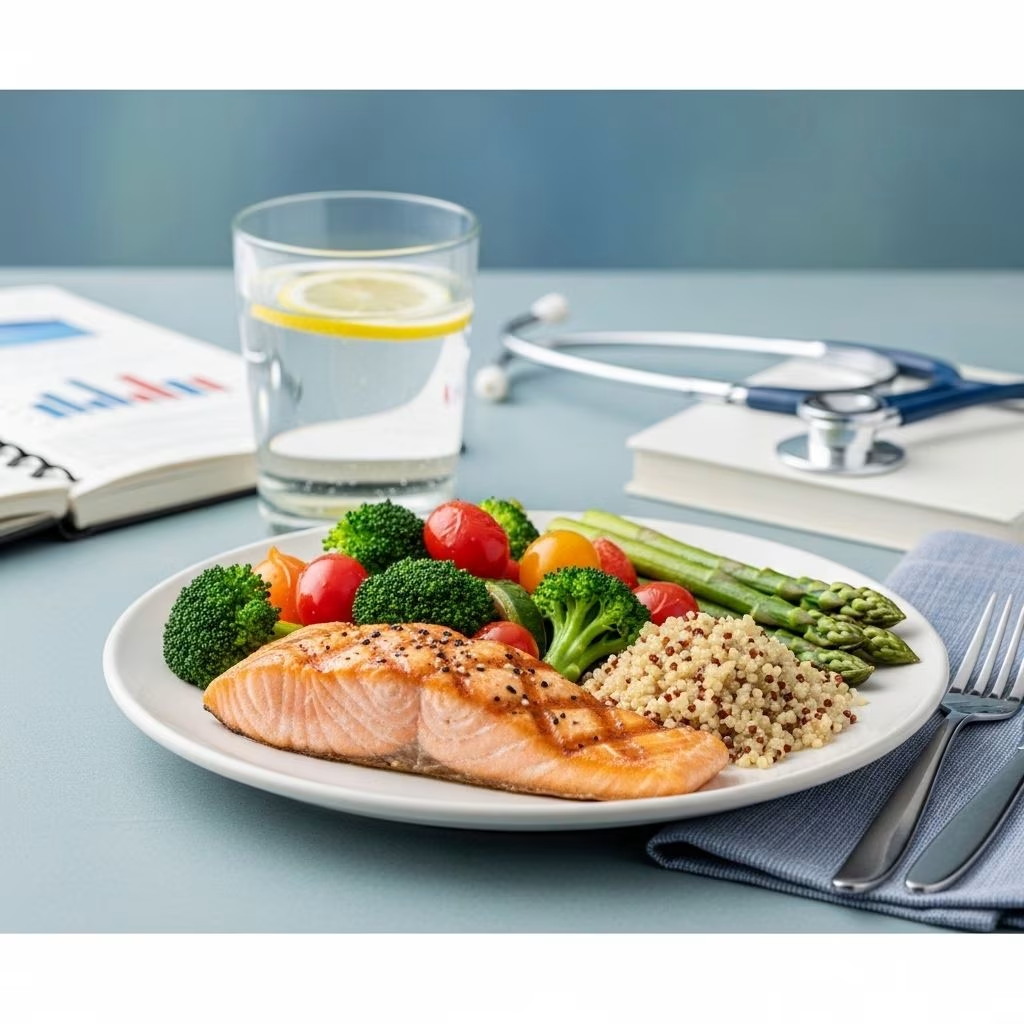
Mayo Clinic Diet: A Science-Backed Path to Sustainable Weight Loss
The Mayo Clinic Diet is a comprehensive lifestyle and weight management plan developed by medical experts at the renowned Mayo Clinic. Unlike fad diets promising quick fixes, this program emphasizes sustainable changes, focusing on both healthy nutrition and behavioral shifts to help participants achieve and maintain their target weight long-term.
What Is the Mayo Clinic Diet?
The Mayo Clinic Diet is a structured, evidence-based dietary program designed to reshape your relationship with food and physical activity. Developed by the Mayo Clinic’s team of doctors and researchers, its core philosophy is rooted in adopting healthy lifestyle habits, rather than eliminating entire food groups or focusing on restrictive eating approaches. The ultimate goal is to foster a healthy weight that is sustainable for life, using techniques verified by clinical research and behavior change science.
Why Choose the Mayo Clinic Diet?
This diet is ideal for individuals seeking:
- A program developed by medical professionals
- Flexibility to fit diverse food preferences and cultural eating styles
- Freedom to eat unlimited amounts of vegetables and fruits
- Expert guidance on breaking unhealthy habits (like eating while distracted)
- Improved overall health and decreased risk of chronic disease
- A lifelong approach—not a quick fix or fad diet
- Easy-to-follow advice for eating better and moving more
Before starting any weight-loss plan, especially if you have health conditions, consult your healthcare provider to ensure the program is appropriate for you.
Phases of the Diet
The Mayo Clinic Diet is structured into two core phases that encourage healthy weight loss and lifestyle transformation:
| Phase | Duration | Objectives |
|---|---|---|
| Lose It! | 2 Weeks |
|
| Live It! | Lifelong |
|
Lose It! Phase provides a psychological boost and confidence by helping individuals start their journey with quick results, setting the foundation for long-term change. The Live It! Phase teaches lifelong skills for successful weight management through smart food choices, meal planning, and proper exercise.
Food Choices and Nutritional Guidelines
The Mayo Clinic Diet does not eliminate food groups—instead, it emphasizes balance and moderation. The program advises focusing on six primary food categories:
- Vegetables
- Fruits
- Whole grains
- Lean protein (beans, poultry, fish, eggs)
- Unsaturated fats (olive oil, nuts, seeds)
- Sweets, in small amounts
Alcohol is not permitted during the Lose It! phase and, upon transition to the Live It! phase, is allowed in moderate amounts—about 75 calories/day.
How Much Food Can You Eat?
The Mayo Clinic Diet determines your daily calorie needs based on factors such as your starting weight, age, and gender. Typical daily calorie ranges:
- Women: 1,200–1,600 calories/day
- Men: 1,400–1,800 calories/day
Your individual plan will specify how many servings you should consume from each food group. For example, a 1,400-calorie meal plan might include:
- At least 4 servings each of vegetables and fruits
- 5 servings of carbohydrates
- 4 servings of protein or dairy
- 3 servings of fats
Serving sizes are defined for practical use: a serving of fruit is roughly the size of a tennis ball; a serving of protein is about the size of a deck of cards (3 oz or 85 g).
Sample Foods for the Mayo Clinic Diet
- Leafy greens, broccoli, tomatoes, peppers
- Fresh fruits such as apples, bananas, berries
- Whole grains: brown rice, whole wheat bread, oats
- Lean proteins: grilled chicken, legumes, fish
- Healthy fats: avocado, olive oil, nuts, seeds
- Sweets: limited amounts, such as dark chocolate (occasionally)
Foods to Limit or Avoid
- Refined grains (white bread, sugary cereals)
- Processed meats (sausages, bacon)
- Saturated fats (butter, full-fat dairy)
- Large amounts of added sugars
- Alcohol (especially in Lose It! phase)
Flexibility and Personalization
The Mayo Clinic Diet offers eight different eating styles at several calorie levels, catering to dietary preferences including vegetarian, Mediterranean, higher protein, and more. This makes the diet accessible to diverse lifestyles and health needs.
The Role of Behavioral Changes
The true strength of the Mayo Clinic Diet lies in its behavioral approach to weight management. Instead of focusing solely on food, the plan advises building positive lifestyle habits:
- Eat only at the table, not while watching TV or using a device
- Include more fruits and vegetables in every meal
- Engage in at least 30 minutes of physical activity daily
- Track progress with food and exercise journals (digital tools available)
- Set specific, achievable goals and find motivation
- Learn to handle minor setbacks without giving up
Clinical research suggests behavioral-based weight loss interventions, like the Mayo Clinic Diet, result in greater and more sustained weight loss compared to traditional diets. In a review of 124 studies with over 62,000 participants, behavioral programs produced larger initial weight loss, reduced weight regain, and lower diabetes risk.
Health Benefits
Following the Mayo Clinic Diet may contribute to improvements in various aspects of health:
- Reduced risk of heart disease: High intake of fruits, vegetables, and whole grains supports cardiovascular health
- Lower risk of certain cancers and mortality: Diets rich in plant foods and lower in processed foods have protective effects
- Improved insulin sensitivity and lower blood sugar: Regular physical activity can help prevent type 2 diabetes
- Decreased inflammation and improved cholesterol and blood pressure levels
- Greater long-term weight maintenance and healthier body composition
The Mayo Clinic Diet also encourages lasting psychological benefits by promoting gradual, non-punitive change and reducing the likelihood of weight cycling.
Pros and Cons
| Pros | Cons |
|---|---|
|
|
Frequently Asked Questions (FAQs)
Q: How quickly will I lose weight on the Mayo Clinic Diet?
A: Most people lose 6–10 pounds in the first two weeks, and then 1–2 pounds per week on the Live It! phase.
Q: Is calorie counting required?
A: No, the diet focuses on serving sizes and healthy habits, but calorie limits are set based on your needs to support weight loss.
Q: What foods can I eat freely?
A: Non-starchy vegetables and most fruits can be eaten in unlimited quantities, providing fiber, nutrients, and fullness.
Q: Can I drink alcohol on the Mayo Clinic Diet?
A: Alcohol is not permitted during the initial Lose It! phase. In the Live It! phase, moderate consumption—up to 75 calories per day—is allowed.
Q: Is the program suitable for vegetarians or people with food intolerances?
A: Yes. The Mayo Clinic Diet offers multiple eating styles, including vegetarian and Mediterranean, and can be adapted to most dietary needs.
Q: Do I need to buy special products or supplements?
A: No special products are required. The foundation is whole foods, portion control, and behavioral change.
Conclusion: Is the Mayo Clinic Diet Right for You?
The Mayo Clinic Diet stands out for its practical, evidence-based approach to weight loss and health. By focusing on balanced nutrition and sustainable habits, it offers lifelong benefits far beyond the scale—improved well-being, lower disease risk, and greater confidence. While results may not be instant, the journey prioritizes your health and happiness for years to come.
If you are seeking an approachable, expert-guided program designed for real-world wellness, the Mayo Clinic Diet is an excellent model to consider. Remember to discuss any major changes with your healthcare provider before starting a new diet or fitness routine.
References
- https://www.healthline.com/nutrition/mayo-clinic-diet
- https://www.mayoclinic.org/healthy-lifestyle/weight-loss/in-depth/mayo-clinic-diet/art-20045460
- https://www.webmd.com/diet/mayo-clinic-diet
- https://diet.mayoclinic.org/us/
- https://diet.mayoclinic.org/us/weight-loss-programs/about-the-mayo-clinic-diet/
- https://diet.mayoclinic.org/us/blog/2025/comparing-dash-and-mediterranean-diets-benefits-differences-and-ideal-fit/
- https://diet.mayoclinic.org/us/blog/2025/mediterranean-diet-101-core-principles-and-proven-health-gains/


