


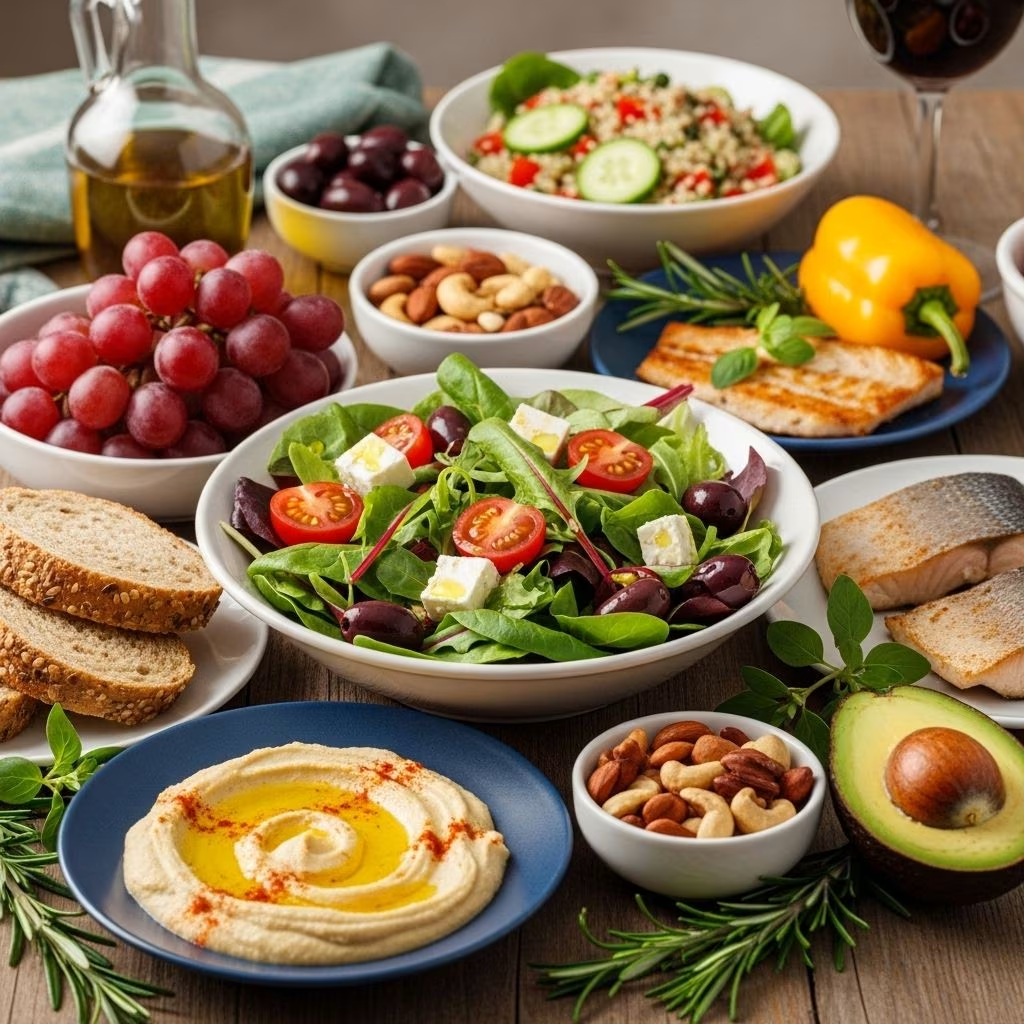
What Is the Mediterranean Diet?
The Mediterranean diet describes an eating pattern reflecting the traditional cuisines of countries bordering the Mediterranean Sea, including Greece, Italy, Spain, and southern France. It emphasizes plant-based foods such as vegetables, fruits, whole grains, nuts, seeds, and olive oil, while including moderate amounts of seafood, poultry, dairy, and eggs. Red and processed meats, as well as added sugars, are consumed only occasionally.
This approach is praised for its focus on fresh, seasonal ingredients and simple preparation methods that enhance natural flavors, rather than masking them.
Core Principles and Foods
| Food Group | Recommended Intake | Examples |
|---|---|---|
| Vegetables | 4+ servings/day (1 raw portion recommended) | Tomatoes, kale, spinach, onions, carrots, cucumbers |
| Fruits | 3+ servings/day | Apples, oranges, grapes, melons, peaches |
| Whole Grains | 4+ servings/day | Bread, oats, brown rice, barley, whole wheat pasta |
| Healthy Fats | 4+ tbsp olive oil/day | Extra virgin olive oil, avocados, nuts and seeds |
| Nuts/Seeds | 3+ servings/week | Almonds, walnuts, sunflower seeds |
| Beans/Legumes | 3+ servings/week | Lentils, chickpeas, beans, peas |
| Fish/Seafood | 2-3 servings/week | Salmon, sardines, mackerel, trout |
| Poultry/Eggs/Dairy | Moderate amounts | Chicken, turkey, cheese, yogurt |
| Red/Processed Meat, Sweets | Limited | Beef, lamb, bacon, candies, pastries |
Key Lifestyle Elements
- Meals are shared with family and friends.
- Regular physical activity is part of the lifestyle.
- Wine may be enjoyed in moderation (ask medical advice).
- Water, tea, and coffee (low sugar) are preferred beverages.
- Herbs, garlic, and spices are used for flavor; salt is limited.
Why the Mediterranean Diet Is So Popular
Interest in the Mediterranean diet has grown substantially because research shows its role in lowering cardiovascular disease risk, improving weight management, and supporting overall health. The Mediterranean regions historically report longer life expectancy and lower rates of chronic illness.
Distinctive Features
- Flexible and Diverse: The diet adapts to local seasonal produce and varies by country, with no strict meal formulas needed.
- Focus on Freshness: Mediterranean cuisine uses plenty of fresh vegetables and fruits, reducing reliance on processed foods.
- Simple Preparation: Cooking methods aim to preserve flavors and nutrients, emphasizing grilling, roasting, baking, and olive oil.
The Health Benefits of the Mediterranean Diet
Extensive research connects the Mediterranean diet with multiple health advantages, giving it a strong reputation among nutritionists and health professionals.
- Heart Health: High intake of unsaturated fats (especially olive oil and nuts) and low consumption of saturated fats help reduce LDL (“bad”) cholesterol, lower blood pressure, and mitigate heart disease risk.
- Weight Management: Plant-forward meals are filling and nutritious, making portion control easier without drastic calorie restriction.
- Diabetes Prevention and Blood Sugar Control: High fiber foods, grains, and legumes stabilize blood sugar, lowering risk for type 2 diabetes.
- Reduced Inflammation: Phytonutrients from plants and omega-3 fatty acids from seafood provide anti-inflammatory effects, supporting joint, gut, and immune health.
- Brain Health: Anti-inflammatory nutrients and healthy fats have been associated with slower cognitive decline and reduced dementia risk.
- Cancer Protection: Diets high in antioxidants and fiber are linked to lower incidence of several cancers.
What Foods Should You Eat and Avoid?
The Mediterranean diet encourages variety and balance. Here are the most common foods to choose and those to limit or avoid:
- Eat plentifully: Vegetables (e.g., kale, spinach, tomatoes), fruits (e.g., oranges, grapes), beans, lentils, nuts, seeds, whole grains, herbs, olive oil, avocados, fish (especially fatty fish), poultry, low-fat yogurt and cheese.
- Limit: Red and processed meats (beef, lamb, pork, bacon), sweets (cakes, candy, pastries), foods with added sugar (sodas, sweetened drinks), and salt-heavy processed foods.
How to Start Eating the Mediterranean Way
Adopting the Mediterranean diet is about gradual changes that become sustainable habits. Here are simple strategies to incorporate more Mediterranean-style foods into your life:
- Base every meal on vegetables: Build your plate around non-starchy vegetables and salad.
- Use whole grains: Swap out white bread and rice for whole wheat, brown rice, farro, and barley.
- Cook with olive oil: Use extra virgin olive oil for dressings, cooking, and drizzling.
- Add legumes and nuts: Include beans, lentils, and nuts in salads, side dishes, or snacks several times per week.
- Season with herbs and spices: Boost flavor with basil, oregano, mint, rosemary, garlic, and pepper instead of salt.
- Eat seafood regularly: Aim for at least two fish or shellfish meals weekly.
- Choose fruit for dessert: Make fresh fruit the go-to treat after meals.
- Limit red meat: Save beef or lamb for special occasions and use poultry as the primary animal protein if desired.
Smart Swaps and Tips
- Substitute butter with olive oil or avocado oil.
- Choose Greek yogurt instead of heavy cream or sweetened dairy.
- Snack on nuts and seeds rather than chips or sweets.
- Add beans to soups, salads, or pasta for extra fullness and nutrition.
Sample Mediterranean Diet Weekly Meal Plan
A typical week on the Mediterranean diet can be varied, satisfying, and easy to prepare. Here is a sample menu:
- Monday
- Breakfast: Greek yogurt with strawberries and chia seeds
- Lunch: Whole grain sandwich with hummus and vegetables
- Dinner: Tuna salad with leafy greens, olive oil, and a fruit salad
- Tuesday
- Breakfast: Oatmeal with blueberries
- Lunch: Caprese zucchini noodles with mozzarella and tomatoes
- Dinner: Tomato, olive, cucumber, farro salad with baked trout and feta
- Wednesday
- Breakfast: Omelet with mushrooms and tomatoes
- Lunch: Whole grain sandwich with cheese and fresh vegetables
- Dinner: Mediterranean-style lasagna
- Thursday
- Breakfast: Yogurt with mixed fruit and nuts
- Lunch: Quinoa salad with chickpeas and tomatoes
- Dinner: Broiled salmon with brown rice and roasted vegetables
- Friday
- Breakfast: Eggs and sautéed vegetables with whole wheat toast
- Lunch: Stuffed zucchini boats with turkey sausage, peppers, cheese
- Dinner: Grilled lamb, salad, and baked potato
- Saturday
- Breakfast: Oatmeal with nuts and raisins
- Lunch: Lentil salad with feta, tomatoes, cucumbers, olives
- Dinner: Mediterranean pizza with whole wheat pita, vegetables, and cheese
- Sunday
- Breakfast: Omelet with veggies and olives
- Lunch: Falafel bowl with feta, tomatoes, hummus, and rice
- Dinner: Grilled chicken with vegetables, sweet potato fries, and fresh fruit
Most people find they don’t need to count calories when following the Mediterranean diet, as portion sizes are naturally regulated by nutrient-dense foods and eating until satisfied.
Frequently Asked Questions (FAQs)
Q: Can the Mediterranean diet help with weight loss?
A: Yes, many people lose weight with the Mediterranean diet, as the focus on plant-based foods and healthy fats increases satiety and reduces cravings for high-calorie processed foods.
Q: Is wine allowed on the Mediterranean diet?
A: Moderate wine consumption is part of the traditional Mediterranean routine, but it should be limited to one glass per day for women and up to two for men. Always check with your healthcare provider before including alcohol.
Q: Do I need to follow the diet perfectly?
A: No, the Mediterranean diet is flexible. Try incorporating as many Mediterranean-style meals as possible and build habits gradually for lasting benefits.
Q: Can vegetarians follow this diet?
A: Absolutely. The Mediterranean diet offers plenty of meatless options based on legumes, beans, grains, vegetables, fruits, nuts, and seeds.
Q: What about portion sizes?
A: Portion sizes can be adapted to individual calorie needs. The focus should be on plant-based foods, with animal proteins and dairy in moderate amounts.
Q: Is the Mediterranean diet good for heart health?
A: Yes, this diet is recognized for lowering heart disease risk through healthy fats, fiber, plant-based foods, and reduced red meat.
Tips for Success: Making Mediterranean Eating Sustainable
- Shop for a variety of fresh-frozen, canned, and dried produce to fit your budget and season.
- Prepare simple home-cooked meals using grilling, baking, and roasting.
- Pack lunches with leftover grains, beans, and salad; add olive oil and lemon for flavor.
- Try new herbs and spices each week for diversity and taste.
- Share meals with family and friends whenever possible to increase satisfaction and enjoyment.
Takeaway: Why Switch to the Mediterranean Diet?
The Mediterranean diet is more than just a set of foods; it’s a holistic approach to eating, activity, and social connection. Its balance of heart-healthy fats, abundant produce, and flexible meal preparation help it stand out among the world’s healthiest eating patterns. Even small steps toward this style—more vegetables, olive oil, and whole grains—can yield improvements in well-being, weight, and longevity.
References
- https://www.healthline.com/nutrition/mediterranean-diet-meal-plan
- https://www.mayoclinic.org/healthy-lifestyle/nutrition-and-healthy-eating/in-depth/mediterranean-diet/art-20047801
- https://www.nutrition.va.gov/docs/UpdatedPatientEd/Mediterraneandiet.pdf
- https://my.clevelandclinic.org/health/articles/16037-mediterranean-diet
- https://www.health.harvard.edu/blog/a-practical-guide-to-the-mediterranean-diet-2019032116194
- https://healingworksfoundation.org/resource/mediterranean-diet-pocket-guide/
- https://www.health.harvard.edu/staying-healthy/guide-to-the-mediterranean-diet
- https://health.ucdavis.edu/blog/good-food/mediterranean-diet-foods-to-eat-health-benefits-and-how-to-get-started/2024/10


