


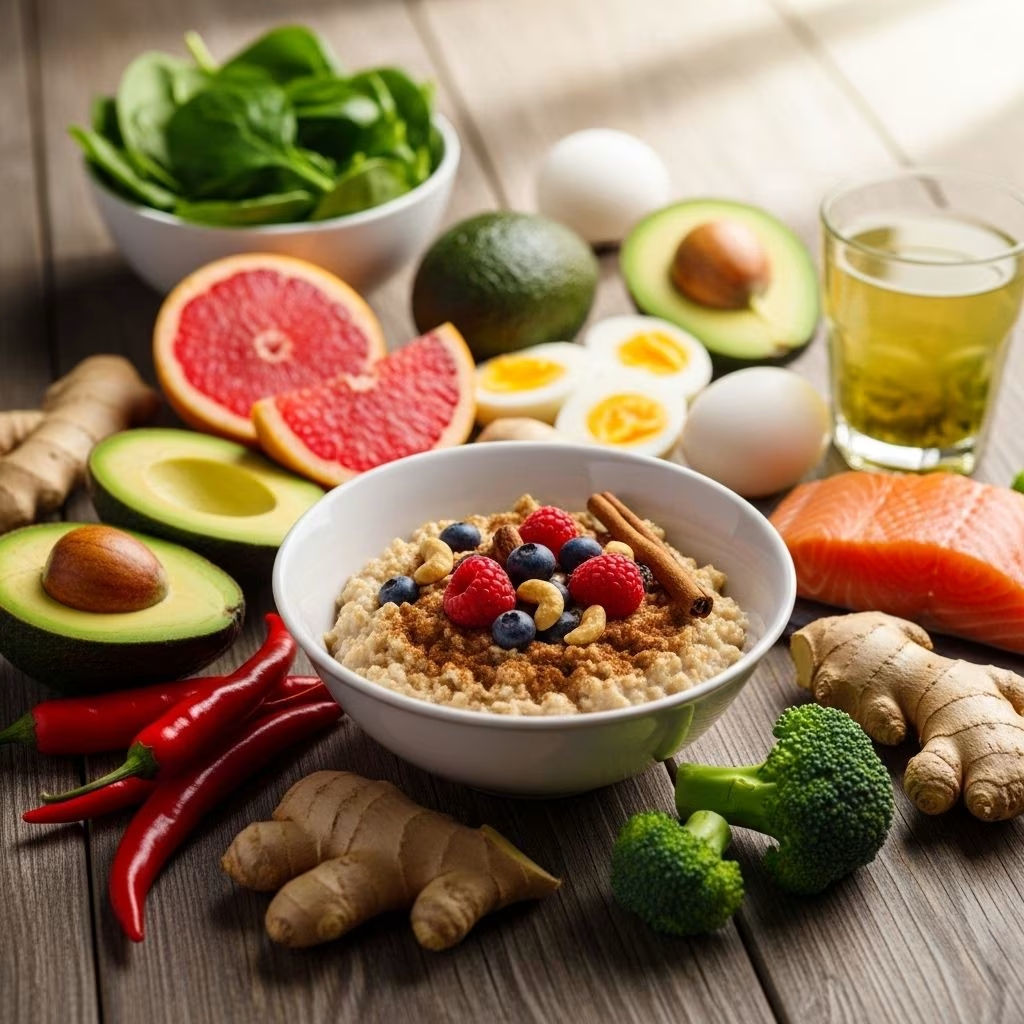
Understanding how to naturally rev up your metabolism can be a game-changer for weight management and overall health. Contrary to common myths, there’s no magic food that will instantly melt fat, but strategic eating can fuel your body to burn more calories efficiently. This guide covers essential foods, powerful strategies, and expert insights to help you eat your way to a more active metabolism.
What Is Metabolism – and Why Does It Matter?
Metabolism is the sum of all chemical processes in the body that convert food into energy. The higher your metabolic rate, the more calories you burn—even at rest. Several factors influence metabolism, including age, genetics, body composition, and physical activity, but diet also plays a pivotal role.
- Basal Metabolic Rate (BMR): The energy your body uses at rest to maintain life-sustaining functions.
- Physical Activity: Movement and exercise increase calorie burn.
- Thermic Effect of Food (TEF): The energy required to digest and process food; some foods create a greater thermic effect than others.
The Power of Food: How What You Eat Influences Metabolism
Certain foods can increase the thermic effect, promote muscle retention, support hormone balance, and stabilize blood sugar—all essential for a healthy metabolism. Eating patterns also matter: skipping meals or extreme calorie restriction can slow metabolism, while balanced, consistent eating keeps it humming.
Top Metabolism-Boosting Foods Backed By Science
While no single food turns you into a calorie-burning machine overnight, a combination of the following choices can help support a healthy metabolic rate and provide lasting energy.
1. Protein-Rich Foods
- Lean meats: Chicken, turkey, and lean cuts of beef are high in protein, which boosts TEF and preserves muscle mass.
- Fish and seafood: Salmon, tuna, sardines, and shellfish are rich in protein and omega-3 fatty acids.
- Eggs: Loaded with high-quality protein, eggs are a breakfast staple for metabolism support.
- Dairy: Greek yogurt, cottage cheese, and low-fat cheese not only provide protein but also deliver calcium, a mineral linked to fat oxidation.
- Beans and legumes: Lentils, black beans, chickpeas, and soy-based products like tempeh deliver protein and fiber, which slow digestion and curb cravings.
Consuming protein increases the thermic effect by 15%-30% versus 5%-10% for carbs and 0%-3% for fats. It also helps preserve lean muscle, which burns more calories than fat tissue, even at rest.
2. Foods Rich in Minerals
- Iron: Needed to transport oxygen to muscle fibers. Sources: spinach, red meat, lentils, fortified cereals.
- Selenium: Plays a role in thyroid health and has been linked to efficient metabolism. Sources: Brazil nuts (just a few provide a full day’s supply), seafood, eggs.
- Magnesium and phosphorus: Important for energy production and found in nuts, seeds, whole grains, and green vegetables.
3. Spicy Foods
- Chili peppers: Contain capsaicin, a compound that increases calorie burn and satiety. Regular intake may contribute to long-term weight control. Capsaicin also supports heart health.
- Ginger: Not only anti-inflammatory, ginger can slightly raise the body temperature and enhance feelings of fullness.
4. Coffee and Tea
| Drink | Key Compound | Metabolic Benefits |
|---|---|---|
| Coffee | Caffeine | Boosts resting metabolic rate, increases energy, and aids fat breakdown |
| Green Tea | Catechins & Caffeine | Promotes fat oxidation and thermogenesis, and may help reduce body fat |
| Oolong Tea | Caffeine & Polyphenols | Enhances fat burning and supports healthy cholesterol levels |
Just beware of calorie-laden add-ins (sugar, cream) that can undo these benefits.
5. Fiber-Rich Foods
- Oatmeal: Packed with soluble fiber, which slows digestion, prevents blood sugar spikes, and keeps you satisfied longer.
- Berries: Blueberries, raspberries, and strawberries are high in fiber and antioxidants, helpful for controlling appetite and combatting inflammation.
- Leafy greens and cruciferous vegetables: Spinach, kale, swiss chard, and broccoli are nutrient-dense and rich in metabolism-promoting compounds.
- Sweet potatoes: Their soluble fiber acts as fuel for beneficial gut bacteria, supporting metabolism.
6. Healthy Fats
- Fatty fish (salmon, sardines, mackerel): Rich in omega-3 fatty acids that promote fat burning and may enhance muscle development.
- Avocados: Loaded with monounsaturated fats, fiber, and antioxidants that aid satiety and metabolic health.
- Nuts (almonds, walnuts, Brazil nuts): Protein and healthy fat combination curbs hunger. Brazil nuts in particular supply selenium, critical for thyroid-driven metabolism.
7. Fermented and Probiotic Foods
- Greek yogurt: High in protein, calcium, and probiotics; helps preserve lean mass and support gut health.
- Kefir, sauerkraut, kimchi: Promote a diverse gut microbiome, which emerging evidence links to a healthy metabolism and effective nutrient absorption.
8. Hydration
- Water: Essential for all metabolic processes. Research shows drinking cold water may temporarily boost metabolism, and adequate hydration supports energy, focus, and exercise performance. Aim for half your body weight in ounces each day, and start meals with a glass to promote satiety.
- Herbal teas: Calorie-free hydration with potential metabolism benefits if unsweetened.
Eating Habits That Support a Healthy Metabolism
- Don’t skip meals: Skipping meals can backfire by slowing metabolism in the long run, making the body conserve energy.
- Space out protein intake: Spread protein across all meals and snacks to maximize its thermic and muscle-preserving effect.
- Include breakfast: While not strictly necessary for everyone, eating a balanced breakfast may help fuel metabolism early in the day—especially with a protein- and fiber-rich meal.
- Balance your plate: Combine lean protein, healthy fats, whole grains, and fiber-rich vegetables at every meal for sustained energy and calorie burn.
- Listen to your body: Eat when hungry, stop when satisfied, and avoid chronic restriction that signals the body to slow calorie burn.
Common Myths About Foods and Metabolism
- Myth: “Certain foods melt fat instantly.”
Reality: No food turns you into a calorie furnace overnight. Consistency matters more than any “superfood.” - Myth: “Spicy foods burn hundreds of extra calories per meal.”
Reality: The effect is present but modest. Spices can support satiety and slightly raise metabolism, but the impact is subtle. - Myth: “Starving yourself forces your body to burn more fat.”
Reality: Severe calorie restriction slows metabolism as your body adapts to save energy. - Myth: “Fatty foods slow metabolism.”
Reality: Healthy fats are essential for hormone production and cellular processes that support metabolism.
Sample Meal Plan for a Revved-Up Metabolism
| Meal | Sample Foods |
|---|---|
| Breakfast | Oatmeal topped with Greek yogurt and berries, or veggie omelet with spinach and mushrooms |
| Snack | Handful of almonds or cottage cheese with fruit |
| Lunch | Grilled salmon or chicken breast over leafy greens, lentils, sweet potato |
| Snack | Sliced bell peppers with hummus, or a green smoothie |
| Dinner | Stir-fried tofu or tempeh with broccoli, brown rice, and chili flakes |
Frequently Asked Questions (FAQs)
Q: Can eating more frequently speed up my metabolism?
A: Research shows meal frequency has a minimal effect on metabolic rate. What matters more is total calorie intake, nutrient balance, and portion control.
Q: Are there any drinks, aside from coffee and tea, that boost metabolism?
A: Water is the most important. While green tea, black coffee, and oolong tea have modest metabolism benefits from caffeine and antioxidants, other beverages like energy drinks are often high in sugar and not advised.
Q: Do supplements help to speed up metabolism?
A: Some supplements claim to boost metabolism, but results are often unreliable or short-lived. It’s safer and more effective to rely on whole foods and a balanced diet.
Q: Can age-related metabolic slowdown be prevented with food?
A: Metabolism tends to slow with age due to muscle loss. Prioritizing protein and regular strength training can help preserve muscle and support a higher BMR as you age.
Q: How much protein should I eat to support my metabolism?
A: Aim for about 0.8–1.2 grams of protein per kilogram of body weight daily, spread evenly across meals. Those actively building muscle may benefit from the upper end of this range.
Key Takeaways
- Focus on whole, minimally processed foods—especially those rich in protein, fiber, healthy fats, and micronutrients.
- Balance your meals, stay hydrated, include activity, and avoid extreme dieting.
- Remember, consistency triumphs over fleeting trendy “superfoods.”
By making small, sustained adjustments to your diet—without falling for fads—you’ll fuel a metabolism that works for you, not against you.
References
- https://www.katygastrodoctor.com/blog/how-can-certain-foods-boost-your-metabolism/?bp=33880
- https://www.healthline.com/nutrition/metabolism-boosting-foods
- https://www.unitypoint.org/news-and-articles/12-metabolism-boosting-foods-to-aid-weight-loss
- https://www.prevention.com/food-nutrition/healthy-eating/a65919516/foods-to-boost-metabolism/
- https://www.webmd.com/diet/ss/slideshow-foods-to-eat-that-help-your-metabolism
- https://blog.ochsner.org/articles/metabolism-boosting-foods-and-spices/
- https://www.aarp.org/health/healthy-living/natural-metabolism-boosters/


