


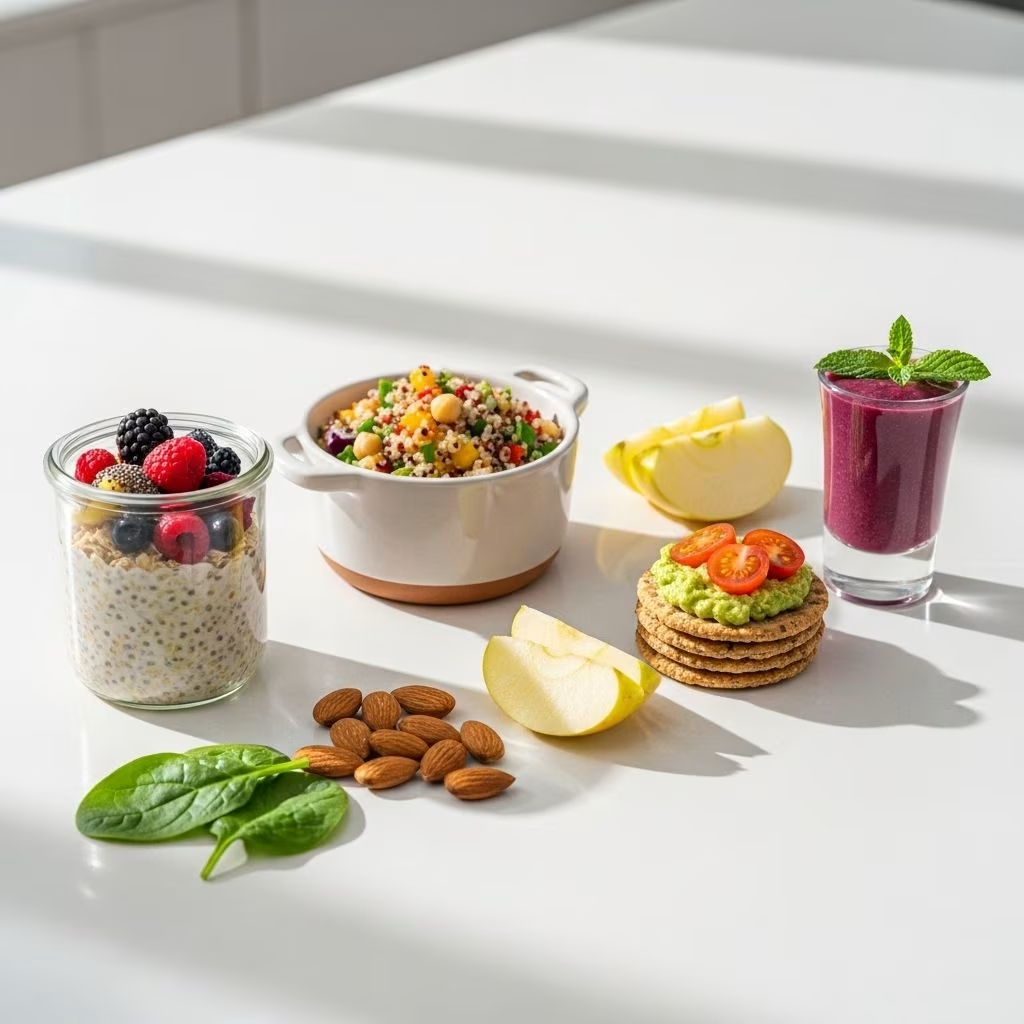
Mini Meals: The Smart Way to Curb Appetite and Boost Energy
For decades, the standard advice has been to eat three full meals per day. However, nutrition research and practical experience now support a more flexible, responsive approach to eating—a method that recognizes the power of mini meals and smart snacking for managing appetite, controlling weight, and staying energized all day.
What Are Mini Meals?
Mini meals are small, nutritious eating occasions distributed throughout your day, typically every 2–4 hours. Rather than focusing on three large meals, you intentionally enjoy four to six smaller meals or snacks that are balanced and portion-controlled. The goal is not to consume more food overall, but to space your calories and nutrients more evenly, supporting your metabolism and reducing fluctuations in hunger.
Why Rethink the Three-Meal Tradition?
- Energy Stability: Eating smaller amounts more frequently helps keep your blood sugar steady, avoiding energy slumps that lead to irritability or cravings.
- Reduced Overeating: Mini meals can help prevent intense hunger and the tendency to overeat at your next standard meal.
- Weight Management: Research suggests spreading your intake throughout the day can assist in weight control, provided you monitor total calorie intake.
- Metabolism Support: Frequent, portion-controlled meals can keep your metabolism humming, though recent studies suggest total daily intake still matters most.
- Improved Satiety: Regular snacks, especially high in protein and fiber, promote feelings of fullness and satisfaction.
Benefits of the Mini Meal Approach
Transitioning from three traditional meals to four to six mini meals has several potential rewards:
- Sustained energy and stable mood: Steady nutrients prevent blood sugar dips that cause fatigue and crankiness.
- Stronger appetite management: Managing hunger makes healthy choices easier at your next eating occasion.
- Support for weight control: By curbing the urge to binge, you can stick to your calorie goals with less effort.
- Improved digestion and fewer cravings: Smaller portions digested more gradually mean you’re less likely to experience post-meal sluggishness or late-night snacking urges.
- Better nutrient balance: More meal occasions offer more opportunities to include fruits, vegetables, lean protein, and healthy fats.
- Flexibility for schedules and lifestyle: Mini meals can be built into even the busiest day, from packed lunches to grab-and-go snacks.
The Science: What Do Studies Say?
While some research suggests that frequent, smaller meals help control appetite and energy levels, other studies have found no significant difference in metabolism or fat loss compared to fewer, larger meals—assuming total calories remain constant. However, studies consistently agree that portion and calorie control, food quality, and individual preference are critical factors. What works best often depends on your body’s hunger signals, daily routine, and health goals.
How to Build Healthy Mini Meals
Not all mini meals are equally effective. The true key is balance: include some protein, slow-digesting carbohydrates, healthy fats, and (when possible) fiber at every eating occasion. This nutrient mix slows digestion, helps you feel full, and maintains steady energy flows.
Healthy Mini Meal Building Blocks:
- Lean proteins: Poultry, eggs, tofu, low-fat dairy, beans, Greek yogurt.
- Complex carbohydrates: Whole grains, brown rice, quinoa, oats, sweet potato, legumes.
- Fiber-rich foods: Fresh fruits, vegetables, nuts, seeds.
- Healthy fats: Avocado, nuts, seeds, olive oil, nut butters.
- Hydration: Water, unsweetened tea, sparkling water, or low-sugar beverages.
Smart Mini Meal Ideas
| Mini Meal | Key Ingredients | Benefits |
|---|---|---|
| Greek Yogurt with Berries & Almonds | Protein, probiotics, fiber, healthy fats | Boosts satiety and supports gut health |
| Apple Slices & Nut Butter | Vitamins, fiber, healthy fats | Satisfies sweet cravings and curbs hunger |
| Whole Grain Crackers with Hummus | Fiber, plant protein, complex carbs | Steady energy and satisfying crunch |
| Turkey & Veggie Wrap | Lean protein, whole grain, veggies | Balanced nutrition for lunch or post-workout |
| Hard-boiled Egg & Baby Carrots | Protein, fiber, vitamins | Portable snack that supports fullness |
| Cottage Cheese with Pineapple | Calcium, protein, vitamin C | Sweet and savory, perfect for mid-morning |
| Baked Sweet Potato Halves & Salsa | Complex carbs, antioxidants | Warm, fiber-rich and filling |
Sample Mini Meal Day Plan
Below is an example of how to space mini meals to provide stable energy and steady satiety throughout the day.
- 7:30 am (Breakfast): 3/4 cup bran cereal with 1/2 cup skim milk, 1/2 cup sliced strawberries, coffee or tea
- 10:00 am (Snack): 1 small bottle of meal replacement shake or Greek yogurt
- 12:30 pm (Lunch): Half turkey sandwich on whole wheat, baby carrots, water or unsweetened iced tea
- 3:00 pm (Snack): 1 small apple with 1 tbsp almond butter
- 6:00 pm (Dinner): 3/4 cup spaghetti with a turkey meatball and tomato sauce, mixed greens salad, sparkling water
- 8:30 pm (Evening Snack): 1 cup low-fat cottage cheese with pineapple chunks
Tips for Mini Meal Success
- Plan Ahead: Pre-portion snacks for the week so healthy options are ready at hand.
- Avoid High-Sugar Foods: Refined sweets may deliver a quick rush, but they’ll likely leave you hungrier later.
- Read Nutrition Labels: Check serving sizes and ingredients to keep calories in check and avoid hidden sugars or unhealthy fats.
- Save Leftovers: Use leftovers from larger meals for mini meals the next day, reducing waste and saving time.
- Practice Portion Control: Measure servings to avoid mindlessly overeating, especially for calorie-dense foods like nuts, cheese, or dried fruit.
- Fiber and Protein First: These help you stay fuller, longer—aim for some of each whenever you eat.
- Stay Hydrated: Sometimes thirst masquerades as hunger; sip water throughout the day.
- Be Flexible: Not every day or schedule is alike; tune in to true hunger cues and adjust as your needs change.
- Don’t Slash Calories Too Low: Eating less than 1,200 calories per day is rarely recommended unless under clinical supervision.
Potential Pitfalls—and How to Avoid Them
- Mindless grazing: Constant snacking in front of the TV or while working can lead to excess calorie intake and unwanted weight gain. Be intentional and mindful at each eating occasion.
- Poor snack choices: Chips, cookies, and processed snacks can undermine your efforts, so stock up on healthy, whole-food options instead.
- Too little structure: Without pre-planning, you may revert to old habits or skip meals, increasing the likelihood of overeating later.
- Skipping meals: If you miss a meal, don’t double up—simply move to your next planned mini meal to stay on track.
Who Should Consider Mini Meals?
- People trying to lose or maintain weight, provided they monitor overall calorie intake.
- Anyone seeking better appetite control or energy stability throughout the workday.
- Individuals with certain health conditions (such as diabetes, digestive issues, or acid reflux) who benefit from steady nutrient and calorie delivery.
- Athletes, older adults, and those with increased protein or nutrient needs who may struggle to consume everything in three large meals.
Frequently Asked Questions (FAQs)
Q: Will eating mini meals speed up my metabolism?
A: The metabolic boost from more frequent eating is minimal if total daily calories are the same. However, mini meals can help manage hunger and prevent overeating, which indirectly supports weight goals.
Q: Can mini meals help prevent cravings?
A: Yes. Regularly timed mini meals with protein and fiber can prevent the severe hunger that leads to unhealthy cravings.
Q: Is this approach for everyone?
A: Not necessarily. What matters most is meal quality, portion control, and listening to your body’s natural hunger cues. If mini meals keep you satisfied and energized, they may be a good fit. Traditional three-meal-a-day plans also work for many people—it’s about finding your balance.
Q: What are the best types of snacks or mini meals?
A: The most satisfying options pair protein and/or healthy fat with fiber-rich carbohydrates. Examples include Greek yogurt and nuts, a slice of turkey and whole grain crackers, or fresh veggies and hummus.
Q: Can I eat mini meals if I have a medical condition like diabetes?
A: Consult your healthcare provider or dietitian. Many people with diabetes benefit from smaller, more frequent meals to help stabilize blood sugar, but food choices and portions matter greatly.
Mini Meals Checklist: Your Quickstart Guide
- Distribute meals evenly throughout your day (every 2–4 hours).
- Include lean protein, complex carbohydrates, and fiber at each meal.
- Prep ahead to save time and prevent impulse snacks.
- Limit added sugars and processed, high-sodium snacks.
- Adjust based on hunger, activity, and personal health needs.
Conclusion: Embrace Mini Meals for Sustainable Healthy Eating
Mini meals offer a flexible, hunger-busting alternative to traditional meal patterns. By focusing on smart food choices, balanced nutrients, and portion awareness, you can harness the power of mini meals for steady energy, improved appetite control, and sustainable weight management. Whether your goal is to lose fat, curb cravings, or simply feel better, the mini meal approach could be a winning strategy on your healthy eating journey.
References
- https://www.ensure.com/blog/nutrition-matters/magic-of-mini-meals-dont-be-trapped-by-three-meals-a-day
- https://pmc.ncbi.nlm.nih.gov/articles/PMC4391809/
- https://www.henryford.com/Blog/2025/06/Should-Dinner-Be-Smallest-Meal-Of-Day
- https://sunbasket.com/blog/in-defense-of-snacking/
- https://www.uclahealth.org/news/article/ask-the-doctors-debating-the-benefits-of-eating-six-small-meals-a-day
- https://nutrition.org/small-frequent-meals/
- https://www.webmd.com/obesity/features/6_meals_a_day
- https://pmc.ncbi.nlm.nih.gov/articles/PMC5015032/


