


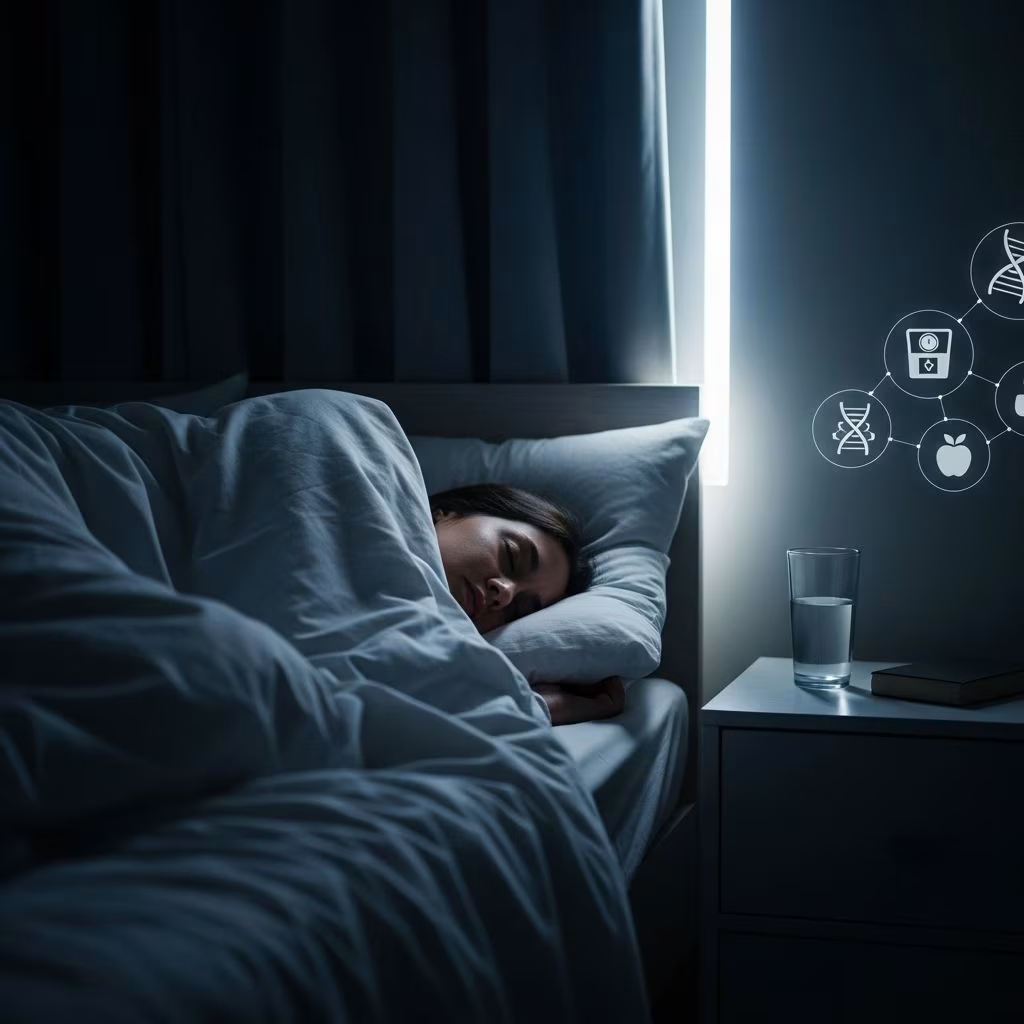
Nighttime Habits That Accelerate Weight Loss: Science-Backed Tips
Evenings are often reserved for relaxation, entertainment, and winding down from a busy day. Yet, what you do during the nighttime hours can have a profound impact on your weight loss goals. Research shows that simple adjustments to your dinner, hydration habits, pre-bed routines, and bedroom environment can influence metabolism, appetite regulation, and even how much body fat you burn overnight. Read on for expert-backed, actionable nighttime habits that can get you closer to your weight loss goals by the morning.
Eat a Low-Sodium Dinner
Consuming large amounts of sodium at dinner, especially from processed foods or salty restaurant meals, leads to overnight water retention and morning puffiness. Nutrition experts recommend opting for lean proteins and steamed vegetables cooked with minimal salt.
- Sodium causes the body to retain water, which can mask weight loss progress overnight.
- Home-cooked meals with fresh ingredients let you control salt content.
- Emphasize herbs, spices, and citrus for flavor without extra sodium.
Avoid typical trouble foods like takeout Chinese, pizza, or deli meats. Instead, try dishes like grilled fish, roasted chicken, or tofu stir-fry with plenty of greens. You’ll wake up feeling lighter and less bloated.
Do a Nighttime Workout
Contrary to the common belief that evening exercise disrupts sleep, national sleep surveys confirm that active people report better sleep regardless of when they exercise. A light evening workout can:
- Increase calorie expenditure before bed.
- Reduce stress and anxiety, improving sleep quality.
- Boost metabolism overnight, supporting fat loss.
Ideal nighttime workouts include moderate activities like brisk walking, yoga, bodyweight circuits, or dance. Avoid intense cardio right before bed if you are sensitive to stimulation. Experiment to find what works with your sleep schedule, and enjoy the combined metabolic and sleep benefits.
Pack Your Lunch the Night Before
Morning time crunches often lead to unhealthy takeout choices at lunch, sabotaging weight loss plans. The solution: pack your lunch in the evening.
- Restaurant meals average twice the recommended calories for one meal.
- Homemade lunches (like mason jar salads) put you in control of calorie, protein, and veggie content.
- Meal prep at night prevents rushed decisions and midday cravings.
Portion control and balanced ingredients (whole grains, lean proteins, healthy fats, and veggies) ensure your daytime nutrition supports weight loss. By prepping ahead, you sidestep calorie traps and hunger-driven choices.
Drink Plenty of Water—But Time It Wisely
Hydration flushes excess water and toxins from the body, helps with digestion, and curbs late-night snacking. However, guzzling water right before bed can interrupt sleep with nighttime bathroom trips.
- Drink water steadily in the evening, but cut off major intake an hour before bedtime.
- Proper hydration reduces bloating and water retention, revealing weight loss results.
- Pair water intake with herbal teas for extra relaxation and digestive support.
Start your hydration routine earlier in the day, and use the evening for sipping rather than chugging. A well-rested, hydrated body is more efficient at burning fat and recovering from exercise.
Make Your Bedroom Super Dark
Melatonin is the sleep hormone that peaks in dark environments. Beyond regulating sleep cycles, melatonin has been linked to:
- Increased production of brown adipose tissue (brown fat), which burns calories.
- Improved metabolic efficiency and nighttime calorie expenditure.
Studies show that sleeping in complete darkness supports metabolic health and may aid in weight loss through enhanced fat burning. Use blackout curtains, cover electronics, and eliminate light sources for optimal results.
Turn Down the Thermostat
Lowering the bedroom temperature boosts calorie burning during sleep. One clinical study showed individuals who slept in environments around 66°F (19°C) burned 7% more calories compared to sleeping at 75°F (24°C).
- Cool environments encourage the body to generate heat by burning fat stores.
- Colder sleeping conditions boost ‘brown fat’ activation and insulin sensitivity.
Incorporate this tip by adjusting your thermostat, opening a window, or using lighter bedding. Even small reductions in bedroom temperature can make a cumulative difference over days and weeks.
Consistency Matters: The Role of Routine
Establishing consistent nighttime habits amplifies their impact on weight loss. Research highlights that eating, sleeping, and activity patterns that stay stable across days contribute to successful long-term weight management.
- Consistent sleep schedules (same bed and wake times) regulate hunger hormones and metabolic rate.
- Even spacing of meals and snacks reduces overeating risks.
- Predictable routines minimize stress and support better decision making.
Make gradual changes and stick with them. The more regular your sleep and evening habits, the faster you’ll see progress in managing your weight.
Why Sleep Quality Is Critical for Weight Loss
| Factor | Impact on Weight Loss | Solution |
|---|---|---|
| Sleep Duration | Poor sleep increases appetite, cravings, and fat storage | Aim for 7-9 hours nightly |
| Light Exposure | Light at night reduces melatonin, slows metabolism | Sleep in complete darkness |
| Temperature | Warm rooms reduce brown fat activity and calorie burn | Turn thermostat down |
| Consistency | Irregular routines disrupt hormones and weight regulation | Keep bedtime and routines stable |
Studies show that people who sleep in colder, darker rooms with set routines have lower risks of weight gain, insulin resistance, and obesity. Prioritizing sleep is just as critical as diet and exercise.
Power Down Gadgets for Better Sleep and Weight Loss
Blue light from phones, tablets, and TVs suppresses melatonin, delaying sleep and increasing risk of weight gain.
- Shut down all devices at least 30 minutes before bed.
- Use night-mode settings to minimize blue light if gadget use is unavoidable.
- Try reading physical books or practicing gentle stretching as alternative evening activities.
Better melatonin production equals deeper sleep and improved overnight fat burning.
Other Nighttime Strategies for Weight Loss Success
- Meal Timing: Eat dinner earlier to allow digestion before bedtime and reduce late-night hunger.
- Healthy Snacking: If you need a snack, choose protein or fiber-rich options that satisfy without excess calories.
- Stress Reduction: Nighttime routines that lower stress (journaling, meditation, gentle stretching) support hormonal balance and fat loss.
Frequently Asked Questions (FAQs)
Q: Can evening exercise really help me lose weight?
Yes. Studies show that evening workouts can be just as effective as morning ones for calorie burning and sleep quality, provided you pick activities that don’t overstimulate you right before bed.
Q: Why does eating salty foods at dinner make me feel bloated?
Sodium leads to water retention, making you look and feel puffier in the morning. Cutting back on salt in evening meals helps minimize this effect.
Q: Is sleeping in a cold, dark room safe?
Absolutely, as long as the temperature is not uncomfortably cold. Colder, darker rooms have been associated with more restful sleep and higher rates of nighttime calorie burning.
Q: How important is consistency in sleep for weight loss?
Highly important. Consistent sleep schedules help regulate appetite and metabolism, making it easier to stick to nutrition and exercise plans.
Q: I’m often hungry late at night. What should I do?
If you need a snack, opt for small portions of protein-rich foods like Greek yogurt, cottage cheese, or nuts, which are less likely to disrupt sleep or cause weight gain.
Nighttime Habits Checklist for Weight Loss
- Eat a low-sodium, protein-rich dinner at least 2 hours before bed
- Engage in a moderate workout or light physical activity in the evening
- Pack a healthy lunch for the next day to avoid high-calorie restaurant meals
- Drink plenty of water, stopping at least one hour before sleep
- Make your bedroom as dark as possible
- Lower the thermostat to promote calorie burning
- Power down electronic devices 30+ minutes before bedtime
- Keep a regular sleep schedule, including on weekends
Conclusion: Harnessing Your Evenings for Better Health and Leaner Body
Your nighttime routine is a powerful tool for achieving weight loss and improving overall health. By focusing on sodium, water, sleep quality, darkness, temperature, and tech habits, you can jumpstart your metabolism, balance your hormones, and set yourself up for sustained weight loss success. Choose one or two tips to start, build consistency, and watch the results unfold—while you sleep!
References
- https://www.prevention.com/weight-loss/a20468859/nighttime-weight-loss-tips/
- https://www.prevention.com/weight-loss/a20501142/sleep-and-weight-loss-0/
- https://www.jomes.org/journal/view.html?doi=10.7570%2Fjomes20065
- https://www.youtube.com/channel/UC9M3b9q8SsPraJVWacDU68Q
- https://www.cdc.gov/healthy-weight-growth/losing-weight/keeping-it-off.html
- https://medlineplus.gov/weightcontrol.html
- https://www.youtube.com/watch?v=OfgwlvW5A60


