


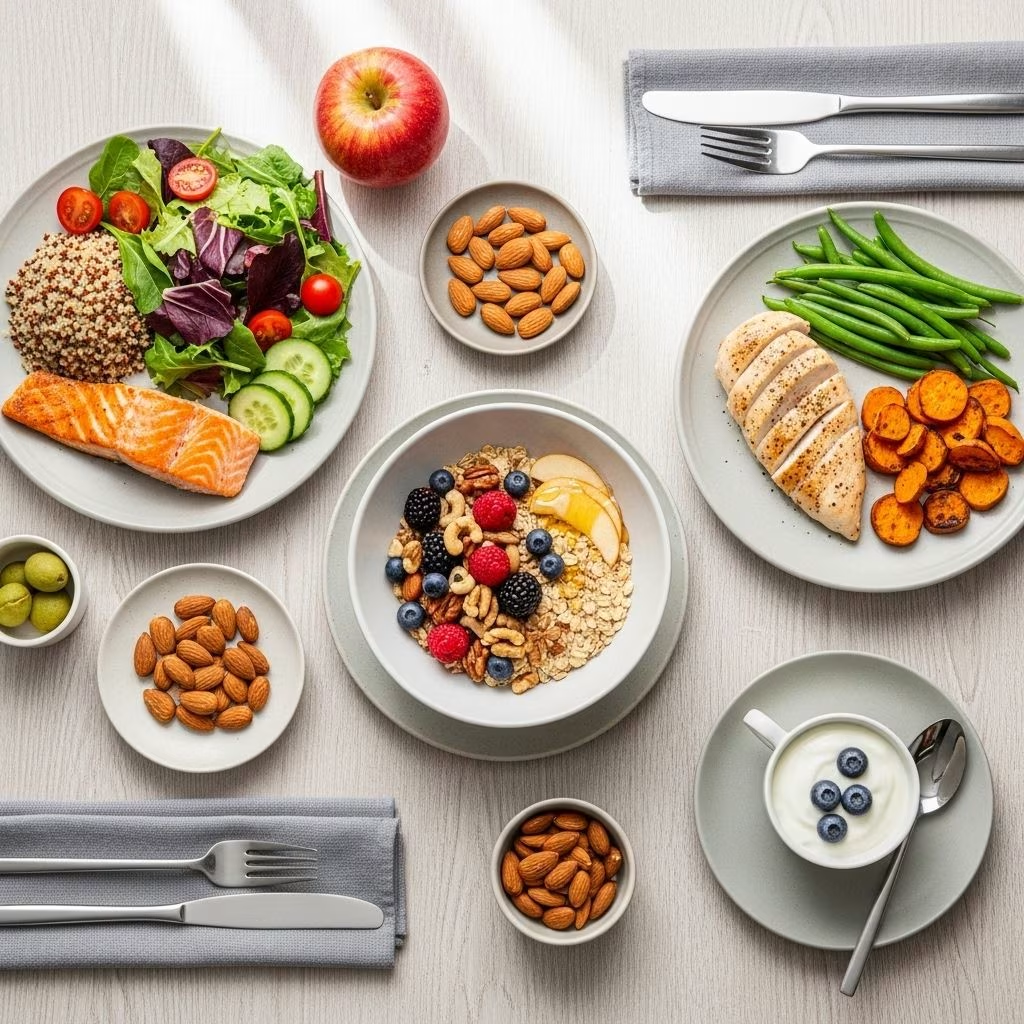
Here’s What a Perfect Day of Eating Looks Like for Weight Loss
Consistent, balanced nutrition throughout the day is key to feeling satisfied, energized, and promoting healthy weight loss. Discover what a full day of optimal eating looks like, guided by nutrition science and expert advice. You’ll learn about meal timing, smart food choices, and tips to maintain progress—without hunger or deprivation.
Key Principles for a Perfect Day of Eating
- Eat every 3-4 hours to fuel your metabolism and prevent cravings or blood sugar crashes.
- Prioritize protein, fiber, and healthy fats at each meal and snack for satisfaction.
- Stay hydrated—water plays a crucial role in digestion, energy, and appetite control.
- Practice consistency and variety: embrace diverse, colorful foods and routines.
- Move regularly: incorporate short walks or stretches throughout your day to stay energized.
Morning Kickstart: A Nutritious, Energizing Breakfast
7:00–8:00 a.m.
Start your day with a balanced meal that blends lean protein, fiber-rich vegetables, fruit, and whole grains for stable energy and digestive health.
- 2-egg omelet with 1/4 cup sautéed spinach and 1/4 cup sautéed onions
- 1 slice whole grain toast, topped with 2 tsp natural peanut butter
- 1/2 cup 100% orange juice for a vitamin C boost
This meal provides one serving each of veggies and fruit, ample protein, and complex carbs to keep you full longer. Using natural peanut butter adds healthy fat for even more satisfaction.
Mid-Morning Recharge: A Smart Snack
10:30–11:00 a.m.
- 1 cup low fat Greek yogurt (protein & probiotics)
- 1/2 cup frozen blueberries (fiber and antioxidants)
Combining dairy and fruit staves off hunger, fuels brainpower, and offers a sweet, refreshing pick-me-up. Greek yogurt’s higher protein content keeps you feeling satiated.
Pre-Lunch Rituals: Move, Hydrate, and Prepare
11:30 a.m. to Noon
- Drink a glass of water and refill your bottle to stay hydrated throughout the day.
- Take your multivitamin preferably before lunch, as certain vitamins and minerals (like B vitamins) boost carb metabolism and support post-meal energy.
- Stretch or take a 5-minute walk—simple movement preps your digestion, combats fatigue, and beats boredom snacking.
Nourishing Lunch: The Ultimate Rainbow Salad
1:00–1:30 p.m.
Stepping away from your computer or workspace, sit down to savor this filling, nutrient-dense meal. The perfect lunch salad is both delicious and deeply satisfying.
- Base: Dark leafy greens (like spinach, kale, or arugula)
- Veggies: Mix of tomatoes, carrots, peppers, and mushrooms
- Lean protein: 1/2 cup grilled chicken, tuna, turkey, beans, or lentils
- Healthy fat: 1/4 cup avocado slices or 2 tbsp chopped nuts or seeds
- Dressing: Light vinaigrette or olive oil-lemon mix (serve on the side)
A salad loaded with color offers vitamins A, C, E, K, essential minerals, fiber, and a host of protective antioxidants. Healthy fats from avocado or olive oil help you better absorb fat-soluble vitamins. For variety (and bonus fiber), pair your salad with:
- 1 slice of whole-grain bread, if desired, for a feeling of fullness.
- 1 medium apple (or seasonal fruit) for a sweet finish.
Pro tip: The more colorful and diverse your veggie choices, the more micronutrients your body receives. Vary your produce regularly, explore cooked or raw options, and try new toppings such as pumpkin seeds or roasted chickpeas.
Afternoon Snack: Brain Fuel and Energy Support
3:30–4:00 p.m.
- Trail mix: 1/2 cup whole grain cereal, 2 tbsp raisins, 1 tbsp chopped walnuts
This snack satisfies cravings for crunch and sweetness, while delivering a mix of slow-burning carbs, natural sugars, and healthy fats. Walnuts add omega-3s, supporting heart and brain health, while the raisins and cereal keep blood sugar steady until dinner.
Hydration and Gentle Movement
Throughout the afternoon, continue sipping water—aim for a total of at least 8 cups by day’s end. Every hour or so, stand up and stretch or take a short stroll to keep energy up and stress down. This routine aids digestion and wards off afternoon fatigue.
Balanced, Satisfying Dinner: Lean Protein and Plenty of Veggies
7:00–7:30 p.m.
- 4 oz grilled salmon filet (rich in omega-3 fatty acids for satiety and heart health)
- 3 oz baked yam, topped with 2 tsp real butter
- 1/2 cup steamed broccoli florets
- 1 cup garden salad (spinach, red peppers, onions) with 2 tbsp vinaigrette
This meal supplies three servings of vegetables, ample fiber, lean protein, and complex carbs for fullness. The yam offers beta-carotene and slow-digesting starch; salmon supports muscle maintenance and provides beneficial fats. Add a side of sparkling water with lemon or herbal tea for a refreshing touch.
Alternate Dinner Option:
- Turkey meatballs (mixed with oats for extra fiber) on a bed of spaghetti squash (counts as a veggie), topped with 1/2 cup tomato sauce and a sprinkle of pine nuts for texture.
For vegetarians, swap salmon or turkey for lentils, chickpeas, or tofu to match protein needs.
Dessert: Satisfying Your Sweet Tooth (The Healthy Way)
8:30–9:30 p.m.
Finish your day on a positive note with a wholesome, controlled dessert. Waiting at least an hour after dinner helps you accurately gauge hunger and avoid mindless snacking.
- 1/2 cup berries drizzled with a tablespoon of melted dark chocolate
- or Sliced apple with a touch of honey and cinnamon
Each option is under 150 calories and offers vitamins and fiber for guilt-free enjoyment.
Pre-Bed Routine: Wind Down for Deep Sleep
10:30–11:00 p.m.
- Have a final glass of water to stay hydrated overnight.
- Aim for 7–8 hours of uninterrupted sleep: lack of sleep raises your risk of weight gain, increased appetite, diabetes, and high blood pressure.
- Develop a calming bedtime routine—try reading, a warm bath, or gentle stretching before turning in.
Sample Meal Timing & Portion Suggestions
| Time | Meal | Calories (Approx.) | Main Benefits |
|---|---|---|---|
| 7:00–8:00 a.m. | Breakfast | 350–400 | Steady energy, fullness |
| 10:30–11:00 a.m. | Snack | 130–150 | Prevents cravings, boosts focus |
| 1:00–1:30 p.m. | Lunch | 400–500 | Satisfying protein, fiber, and variety |
| 3:30–4:00 p.m. | Snack | 120–160 | Sustains energy, healthy fats |
| 7:00–7:30 p.m. | Dinner | 400–500 | Lean protein, vegetables, complex carbs |
| 8:30–9:30 p.m. | Dessert | 100–150 | Healthy sweet cravings, fiber, antioxidants |
Expert Tips for Making the Most of Your Day
- Batch cook and prep ingredients on weekends for easy assembly of meals and snacks throughout the week.
- Choose water as your primary beverage but enjoy herbal teas or sparkling water with meals for variety.
- Mix up your produce: rotate fruits and vegetables with the seasons to maximize nutrient diversity.
- Follow your hunger cues: eat until content, not overly stuffed, and pause between bites to savor your food.
- Don’t fear healthy fats: nuts, seeds, avocado, and olive oil help with vitamin absorption, flavor, and staying power.
- Don’t skip meals: skipping increases odds of overeating later.
Frequently Asked Questions (FAQs)
Q: Is it okay to eat after dinner if I’m still hungry?
A: Yes, if you’re truly hungry, have a small, healthy snack with some protein or fiber, such as Greek yogurt with berries or a handful of nuts. Avoid eating out of habit or boredom.
Q: How important is meal timing for weight loss?
A: Eating every 3–4 hours helps keep your metabolism active and prevents spikes in hunger that might lead to overeating later. Consistency is more important than the exact time.
Q: Can I swap out meals for personal preferences or dietary restrictions?
A: Absolutely. Substitute proteins, grains, or veggies to match your needs, as long as you maintain the balance of protein, fiber, and healthy fats at each meal.
Q: Should I count calories meticulously?
A: Tracking can be helpful initially but focusing on portion balance and food choices is more sustainable and less stressful in the long term.
Q: Is bread allowed on a weight loss plan?
A: Yes, whole grain bread in moderation is fine, especially if it helps you feel satisfied and keeps you from overeating later.
Quick Takeaways for a Perfect Eating Day
- Eat a mix of protein, fiber, and healthy fats every few hours.
- Choose foods for color, variety, and satisfaction—not just calorie counts.
- Stay hydrated, move regularly, and listen to your body’s true hunger cues.
- Don’t skip meals or snacks—consistency is vital.
- Enjoy treats in moderation and embrace long-term habits, not quick fixes.
References
- https://www.prevention.com/food-nutrition/healthy-eating/a20435264/reduce-heart-attack-risk-by-eating-more-fruits-and-veggies/
- https://news.hss.edu/heidi-skolnik-this-is-what-a-perfect-day-of-eating-looks-like-according-to-dietitians/
- https://www.womenshealthmag.com/weight-loss/a19916466/perfect-day-of-eating/
- https://www.prevention.com/weight-loss/g20458643/the-perfect-day-of-eating/
- https://www.prevention.com/weight-loss/g20482528/this-is-your-perfect-day-for-weight-loss/
- https://www.prevention.com/weight-loss/g20496527/15-weight-loss-foods/
- https://www.prevention.com/food-nutrition/a20475898/healthy-foods-you-should-be-eating/
- https://www.prevention.com/weight-loss/a20454973/chocolate-for-weight-loss/
- https://www.prevention.com/weight-loss/g20432475/15-ways-to-cut-hundreds-of-empty-calories-a-day/
- https://www.prevention.com/weight-loss/a20501539/how-to-maintain-weight-loss/


