


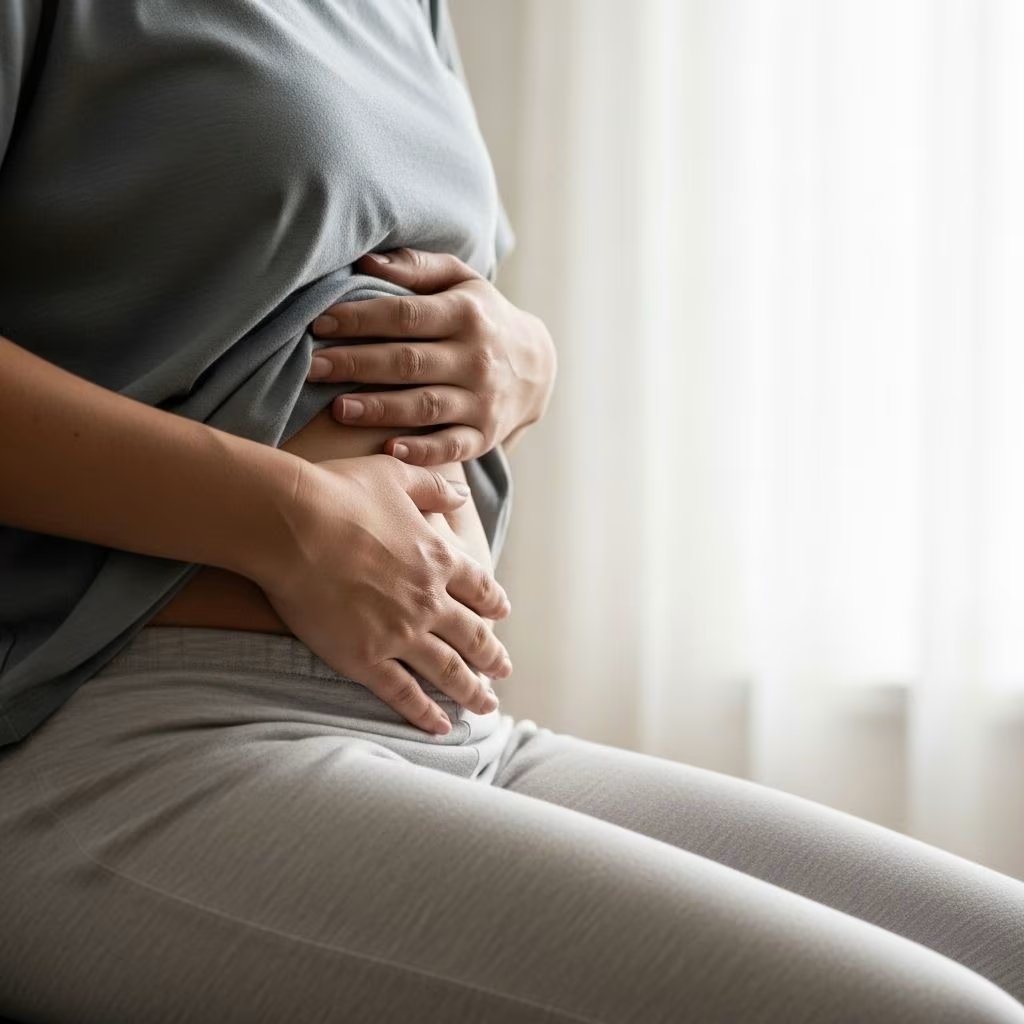
Period Weight Gain: Causes, Solutions, and What You Need to Know
Many women notice a frustrating increase in weight or puffiness in the days before and during their period. This phenomenon, often called period weight gain, can be distressing even when the number on your scale stabilizes after your cycle. Understanding the underlying causes, knowing what is normal, and learning effective strategies for managing this monthly fluctuation can bring relief and confidence to your menstrual routine.
What Exactly Is Period Weight Gain?
Period weight gain refers to a temporary increase—often between half a pound to five pounds—that many women experience in the days leading up to menstruation or during their period. This is a normal part of the menstrual cycle and typically resolves soon after bleeding ends.
- Most weight gain is due to water retention, not fat accumulation.
- Bloating, breast tenderness, and mild swelling are common accompanying symptoms.
- The gain may fluctuate, depending on hormonal changes and lifestyle habits during your cycle.
Why Does Period Weight Gain Happen?
Several biological and lifestyle factors contribute to period weight gain. Chief among them are hormonal fluctuations, especially changes in estrogen and progesterone levels, which directly affect fluid balance, appetite, and digestion.
Key Causes of Period Weight Gain
- Water Retention: The major driver of period weight gain is the body’s increased tendency to hold onto water, influenced by hormonal changes that occur during the luteal phase (the two weeks before your period).
- Progesterone & Estrogen: These hormones peak and then drop before menstruation, signaling the body to retain sodium and water, resulting in bloating and mild swelling.
- Digestive Changes: Hormones slow down digestion, which can cause constipation and further contribute to sensations of heaviness and puffiness.
- Appetite & Cravings: A rise in progesterone and a drop in serotonin can trigger carbohydrate cravings, increased hunger, and altered food choices, sometimes leading to overeating and temporary weight gain.
- Reduced Physical Activity: Menstrual discomfort can cause some women to be less active than usual, which may contribute to increased water retention or additional pounds.
- Sleep Disturbances: PMS-related mood changes and discomfort can disrupt sleep, altering cortisol levels and metabolic function.
Is Period Weight Gain the Same Each Month?
No. Many women find the pattern of their weight gain varies from month to month, depending on hormone levels, activity, stress, diet, and how closely they track their symptoms. The most pronounced gain often occurs in the days just before bleeding starts and fades away as menstruation finishes.
Common Symptoms Associated with Period Weight Gain
- Bloating: The sensation of abdominal fullness, tightness, or puffiness is the most widely reported symptom.
- Breast Tenderness: Swollen, sensitive, or sore breasts can result from hormonal surges linked to menstruation.
- Mild Swelling: Many women notice swelling in the face, hands, feet, or ankles.
- Digestive Issues: Constipation and change in bowel habits often accompany bloating.
- Feeling Heavy or Sluggish: General fatigue or an increased sense of body heaviness may accompany water retention.
What Does the Science Say About Hormones and Period-Related Water Retention?
| Hormone | Peak Timing | Main Effect on Body |
|---|---|---|
| Estrogen | Mid to late luteal phase | Increases sodium retention; may amplify water retention |
| Progesterone | Luteal phase, then drops before period | Can relax smooth muscle in digestive tract, slow bowel movements, and trigger cravings |
| Aldosterone | Influenced by progesterone | Promotes sodium and water retention by kidneys |
| Serotonin | Drops before period | Decreased mood, increased cravings for carbohydrates |
Is Period Weight Gain Normal?
Yes. Experts agree that gaining a modest amount of weight prior to and during menstruation is normal and not a sign of true fat gain. This weight is primarily water, and it usually disappears as hormone levels stabilize after your period ends. If you’re seeing dramatic, persistent increases or additional symptoms such as severe swelling or pain, consult your healthcare provider.
How Long Does Period Weight Gain Last?
- Most women notice weight gain in the five days leading up to their period, with peak symptoms right before menstruation begins.
- Symptoms typically resolve within the first two to three days of bleeding.
- If puffiness lasts beyond your period or is accompanied by other signs (severe pain, marked swelling), contact your doctor.
Timeline Table: Period Weight Gain
| Phase | Symptoms | Typical Weight Gain |
|---|---|---|
| Late Luteal Phase (5-7 days before period) | Bloating, breast tenderness, mild swelling, cravings | Up to 5 lbs |
| Menstrual Phase (days 1-3 of bleeding) | Bloating resolves, tenderness eases, mood improves | Returns to normal |
What Factors Make Period Weight Gain Worse?
- High salt intake: Sodium increases water retention.
- Low water intake: Dehydration prompts the body to hold extra water.
- Eating more processed foods or sweets: Can aggravate bloating and fluid imbalance.
- Drinking alcohol: Can dehydrate body and worsen symptoms.
- Lack of exercise: Reduces lymphatic circulation, slowing the removal of excess fluid.
Managing and Reducing Period Weight Gain: Evidence-Based Tips
Strategies to Lessen Bloating and Discomfort
- Hydrate Well: Drink plenty of water throughout your cycle; often, drinking more prompts kidneys to flush out excess sodium and reduce puffiness.
- Reduce Sodium: Avoid salty snack foods, processed chips, and canned goods during your PMS window.
- Eat a Plant-Rich Diet: Fresh vegetables, fruits, whole grains, and lean proteins help ease bloating and regulate digestion. The Mediterranean diet is especially beneficial for supporting hormone health and reducing inflammation.
- Increase Fiber: Fiber promotes regular bowel movements and helps alleviate constipation-related bloating.
- Moderate Caffeine and Alcohol: Both can negatively impact fluid balance and aggravate hormonal symptoms.
- Regular Exercise: Moving your body—with walking, stretching, or low-impact aerobic activity—can help release retained fluid and boost mood.
- Prioritize Sleep: Aim for 7-9 hours of sleep nightly; poor sleep can disrupt hormonal regulation and worsen water retention.
- Track Your Cycle: Monitoring symptoms and patterns helps you anticipate days when you may experience more pronounced bloating or cravings.
Supplemental and Lifestyle Interventions
- Magnesium: Some studies suggest magnesium may help reduce bloating by counteracting sodium.
- B6 Vitamins: These can aid in reducing swelling and improving PMS symptoms for some women.
- Mindful Eating: Tune in to genuine hunger cues, and avoid emotional eating triggered by mood swings.
- Breathing Exercises and Stress Reduction: Meditation, yoga, and relaxation exercises help reduce cortisol, which can amplify water retention and cravings.
Dietary Approaches to Address Period Weight Gain
Nutrition plays a pivotal role in how your body handles hormone-fueled changes. A diet that is high in fruits and vegetables, low in salt, rich in fiber, and packed with anti-inflammatory foods can make a significant difference. Consider the following:
- Focus on whole, unprocessed foods whenever possible to aid digestion and limit excessive sodium.
- Enjoy potassium-rich foods like bananas, sweet potatoes, spinach, and avocados to help counterbalance sodium and support fluid balance.
- Limit sugar and refined carbohydrates that spike blood sugar and can worsen mood and cravings.
- Include probiotics (yogurt, kefir, kimchi) for gut health; research links improved gut flora to better regulation of digestion and reduced bloating.
The Role of Exercise and Activity
Physical activity reduces water retention, boosts lymphatic circulation, and improves mood. Aim for at least 150 minutes of moderate activity per week, even during your period. Gentle movement—like yoga, walking, stretching, dance—can alleviate bloating and speed up resolution of swelling.
Types of Exercise That Help
- Low-impact cardio: walking, cycling, swimming
- Yoga and Pilates: support stretching and deep breathing to ease discomfort
- Strength training: helps build lean muscle, improving your basal metabolic rate over time
- Short, consistent movement sessions are better than pushing through intense exercise when feeling sluggish
Frequently Asked Questions (FAQs)
Q: Is it normal to gain five pounds before my period?
A: Yes. Weight gain due to water retention during the days leading up to menstruation is common and typically resolves within a few days after bleeding starts.
Q: Can I reduce period weight gain through supplements?
A: Magnesium and vitamin B6 may help relieve water retention and bloating, but always consult a healthcare provider before starting new supplements.
Q: Why does bloating persist even after my period ends?
A: Persistent bloating may result from digestive issues, hormonal changes, or, less commonly, underlying medical conditions; consult a physician if it does not resolve.
Q: Could my diet before my period affect how much weight I gain?
A: Absolutely. High salt, processed foods, and low water intake all can worsen symptoms. Sticking to plant-based, low-sodium eating will help minimize water retention and bloating.
Q: Does period weight gain mean I am accumulating fat?
A: No. Most of the weight gained during your period is water and will shed naturally. True fat gain requires a continuous excess in calorie intake over time.
Q: Should I change my exercise routine during my period?
A: Moderate movement, such as walking and stretching, is ideal. Listen to your body, prioritize comfort, and avoid strenuous training if you feel unwell.
Q: Are there any foods I should avoid?
A: Limit salty snacks, heavily processed foods, and sugar. Opt for fresh produce, lean proteins, and fiber for best results.
When to Seek Medical Advice
- Weight gain that does not resolve after your period
- Severe, painful swelling or significant abdominal pain
- Sudden onset or dramatic changes in your menstrual cycle, especially if paired with other new symptoms
- Persistent digestive issues or abnormal bleeding
Consult your healthcare provider for evaluation if you experience any of the above symptoms. They can help rule out thyroid disease, polycystic ovarian syndrome (PCOS), fibroids, and other hormonal or medical causes of excessive bloating or rapid weight changes.
Final Thoughts
Though period weight gain can feel uncomfortable or even alarming, it is a normal and reversible process for most women. By adjusting your diet, prioritizing hydration and sleep, and being proactive about physical activity, you can minimize symptoms and feel more confident throughout your cycle. If you notice unusually persistent or severe weight fluctuations, consult your physician for further assessment and guidance.
References
- https://www.uchicagomedicine.org/forefront/womens-health-articles/2023/april/menopause-weight-gain-hormone-therapy
- https://www.prevention.com/health/a31940896/heavy-period/
- https://pmc.ncbi.nlm.nih.gov/articles/PMC6527311/
- https://www.prevention.com
- https://www.prevention.com/health/health-conditions/a44798692/weight-gain-exhaustion-hashimoto-thyroiditis-my-diagnosis/
- https://www.prevention.com/weight-loss/a60330435/cortisol-weight-gain/
- https://www.prevention.com/weight-loss/a20443597/health-problems-that-make-you-gain-weight/
- https://www.prevention.com/weight-loss/a20456538/women-and-weight-gain/


